Melatonin Gummies for Insomnia: A Comprehensive Guide to Better Sleep
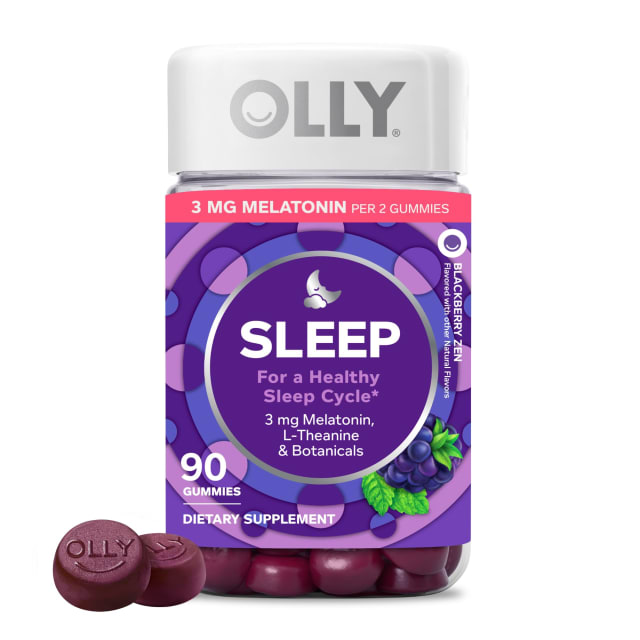
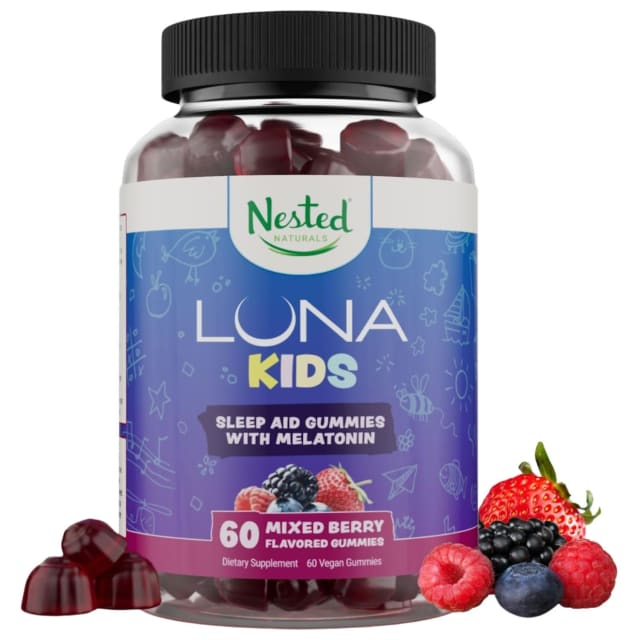
For millions struggling with the nightly frustration of insomnia, the quest for restful sleep can feel endless. Among the many solutions available, melatonin gummies have surged in popularity as a palatable and convenient option. This comprehensive guide delves into the science, benefits, and practical considerations of using melatonin gummies specifically for insomnia, providing the actionable information needed to make an informed decision.
Understanding Insomnia and the Role of Melatonin
Insomnia is characterized by persistent difficulty falling asleep, staying asleep, or experiencing non-restorative sleep, despite having adequate opportunity for sleep. It can be a short-term (acute) issue linked to stress or travel, or a chronic condition impacting overall health and well-being.
This is where melatonin, often called the "sleep hormone," comes into play. The pineal gland in the brain naturally produces melatonin in response to darkness, signaling to the body that it's time to prepare for sleep. It helps regulate the body's circadian rhythm—the internal 24-hour clock that governs sleep-wake cycles.
For individuals with insomnia, this natural rhythm can be disrupted. Factors like blue light exposure from screens, irregular work schedules, stress, or aging can impair the body's own melatonin production or release. Supplementing with melatonin, therefore, is not a sedative but a chronobiotic—a substance that helps reset and reinforce the body's natural sleep-wake timing.
How Melatonin Gummies Work for Sleep Support
Melatonin gummies deliver a dose of synthetic or naturally-sourced melatonin in a chewable, often tasty, format. When consumed, the melatonin is absorbed and binds to receptors in the brain that are involved in circadian rhythm regulation.
The primary mechanisms by which they may help with insomnia include:
- Phase-Shifting the Internal Clock: They can help advance or delay the sleep phase, making it easier to fall asleep at a desired time. This is particularly useful for Delayed Sleep Phase Syndrome or jet lag.
- Reducing Sleep Onset Latency: This is the time it takes to transition from full wakefulness to sleep. By reinforcing the body's sleep signal, melatonin can shorten this period.
- Antioxidant Effects: Emerging research suggests melatonin has antioxidant properties, which may contribute to overall neurological health and sleep quality.
The gummy format offers specific advantages: ease of use (no water needed), precise dosing, and often a more pleasant experience than pills or capsules, which can improve adherence.
Key Benefits of Melatonin Gummies for Specific Sleep Issues
1. Falling Asleep Faster
For those who lie awake with a racing mind, melatonin gummies can be a helpful tool. By providing an external source of melatonin, they bolster the body's natural sleep signal, helping to quiet the alerting systems of the brain and ease the transition into sleep.
2. Improving Overall Sleep Quality
While melatonin is most potent for initiating sleep, some studies and user reports indicate it can contribute to more consolidated sleep with fewer awakenings, leading to feeling more refreshed in the morning.
3. Managing Jet Lag
Crossing time zones disrupts circadian rhythms. Taking melatonin gummies at the target destination's bedtime can help reset the internal clock more quickly, reducing the fatigue and disorientation of jet lag.
4. Promoting Relaxation
Many melatonin gummies are formulated with additional calming ingredients, enhancing their relaxation effect to address the anxiety component that often accompanies insomnia.
5. A Natural Sleep Aid Option
For those seeking an alternative to prescription sleep medications, melatonin gummies offer a non-habit-forming option that works with the body's own physiology.
What to Look for in a Quality Melatonin Gummy
Not all melatonin gummies are created equal. When selecting a product, especially for managing insomnia, several factors are crucial.
Critical Ingredients and Synergistic Blends
Beyond melatonin, many effective formulas include complementary ingredients that support relaxation and sleep through different pathways.
| Ingredient | Primary Role | Synergistic Benefit with Melatonin |
|---|---|---|
| L-Theanine | An amino acid found in green tea that promotes alpha brain wave activity, associated with relaxed alertness. | Helps calm anxiety and quiet the mind without drowsiness, making it easier for melatonin to initiate sleep. |
| Chamomile | A herb traditionally used for relaxation, often as a tea. Contains apigenin, an antioxidant that may bind to certain brain receptors. | Provides gentle, natural calming effects that complement melatonin's sleep-signaling. |
| Lemon Balm | A member of the mint family known for its mild sedative and anxiety-reducing properties. | Enhances overall feelings of tranquility and can improve sleep quality. |
| Magnesium | An essential mineral involved in hundreds of bodily processes, including nerve function and muscle relaxation. | May help relax muscles and calm the nervous system, preparing the body for sleep. |
| GABA | (Gamma-Aminobutyric Acid) A neurotransmitter that inhibits nerve signaling, producing a calming effect. | May work on a different neurological pathway to promote calm, though its effectiveness when taken orally is debated. |
Dosing and Timing: A Delicate Balance
Proper use is key to effectiveness and safety.
- Dosage: For insomnia, a common starting dose is 1 to 3 milligrams about 30-60 minutes before bedtime. It is strongly advised to start with the lowest effective dose. Higher doses (5-10 mg) are not necessarily more effective and may increase the risk of side effects like morning grogginess or vivid dreams. The goal is to use the smallest amount that produces the desired effect.
- Timing: Consistency is crucial. Take your gummy at the same time each night, 30 to 60 minutes before your target bedtime. This regularity helps train your circadian rhythm.
- Environment: The gummy is a tool, not a magic bullet. It should be used in conjunction with good sleep hygiene: a dark, cool, quiet bedroom, avoidance of screens before bed, and a relaxing pre-sleep routine.
Important Considerations and Potential Side Effects
Melatonin is generally well-tolerated by most adults for short-term use, but it is not without considerations.
- Common Side Effects: These can include daytime drowsiness, dizziness, headache, or mild nausea. Vivid dreams or nightmares are also occasionally reported.
- Morning Grogginess: This often indicates the dose is too high or was taken too late in the night.
- Drug Interactions: Melatonin can interact with blood thinners (e.g., warfarin), immunosuppressants, diabetes medications, and certain contraceptives. It may also increase the sedative effects of other medications or alcohol.
- Not for Everyone: It is not typically recommended for long-term use in children or adolescents without pediatrician guidance. Pregnant or breastfeeding individuals and those with autoimmune disorders, seizure disorders, or depression should consult a healthcare provider before use.
- Regulation and Purity: As a dietary supplement, melatonin is not as strictly regulated by the FDA as pharmaceuticals. Studies have found significant variability in the actual melatonin content of supplements compared to their labels. Choosing products from reputable brands that employ third-party testing (look for seals from USP, NSF, or ConsumerLab) is essential for ensuring purity and accurate dosage.
Melatonin Gummies vs. Other Sleep Aid Forms
| Feature | Melatonin Gummies | Melatonin Tablets/Capsules | Prescription Sleep Aids |
|---|---|---|---|
| Ease of Use | Very high, pleasant taste, no water needed. | Standard, requires water to swallow. | Standard. |
| Absorption Speed | Moderate to Fast (chewing may speed onset). | Variable (depends on formulation). | Typically fast. |
| Primary Action | Chronobiotic (regulates sleep timing). | Chronobiotic (regulates sleep timing). | Sedative/Hypnotic (induces sleep). |
| Risk of Dependence | Very low, non-habit-forming. | Very low, non-habit-forming. | Can be moderate to high for some classes. |
| Common Side Effects | Mild (drowsiness, headache). | Mild (drowsiness, headache). | Often more significant (dizziness, complex sleep behaviors, next-day impairment). |
| Best For | Sleep onset issues, jet lag, preference for taste/convenience. | Those avoiding sugars/additives, higher dose needs. | Severe, chronic insomnia under medical supervision. |
Frequently Asked Questions (FAQ)
Q: Can I become dependent on melatonin gummies? A: Melatonin is not considered addictive or habit-forming in the way prescription sedatives can be. The body does not develop a tolerance requiring higher doses. However, psychological dependence—the belief that you cannot sleep without it—can occur. It's best used as a short-term tool alongside behavioral changes for insomnia.
Q: How long can I safely take melatonin gummies for insomnia? A: Most research studies on melatonin span a few weeks to a few months. While generally recognized as safe for longer-term use, it is prudent to use it intermittently or for specific challenges (like jet lag or a period of high stress) rather than indefinitely. For chronic insomnia, a healthcare provider can help develop a long-term management plan.
Q: Why do I sometimes feel groggy the morning after taking a melatonin gummy? A: Morning grogginess usually suggests one of two things: the dosage was too high, or it was taken too late at night. The effects of melatonin can last in the system. Trying a lower dose (e.g., 1 mg instead of 3 mg) or taking it 60 minutes before bed instead of 30 can often resolve this.
Q: Are melatonin gummies safe for children? A: Melatonin can be prescribed by pediatricians for specific sleep disorders in children, but self-treatment is not advised. Children's developing endocrine systems are sensitive, and dosage is critical. Any use in children should be guided by a healthcare professional.
Q: Can I take a melatonin gummy if I wake up in the middle of the night? A: It is not generally recommended. Taking melatonin in the middle of the night can disrupt your circadian rhythm further and lead to significant morning drowsiness. For nighttime awakenings, it's better to focus on relaxation techniques rather than supplementation.
Q: Do melatonin gummies work for everyone with insomnia? A: No. Melatonin is most effective for sleep disorders related to circadian rhythm disruption (like delayed sleep phase, jet lag) or for sleep onset problems. It is less effective for sleep maintenance insomnia (staying asleep) or insomnia caused by underlying medical conditions, pain, or certain medications. Its effectiveness can also vary greatly from person to person.
Final Thoughts and Actionable Steps
Melatonin gummies can be a valuable, convenient tool in the arsenal against insomnia, particularly for those struggling to fall asleep. Their strength lies in their ability to gently nudge the body's natural sleep-wake cycle back on track.
For anyone considering them, the path forward is clear:
- Consult a Professional: Discuss insomnia and melatonin use with a doctor or sleep specialist to rule out underlying conditions.
- Start Low and Time It Right: Begin with a 1 mg gummy taken 60 minutes before your desired bedtime.
- Prioritize Sleep Hygiene: No supplement can compensate for poor sleep habits. Create a consistent, relaxing bedtime routine and optimize your sleep environment.
- Choose Quality: Select a product from a reputable brand that uses third-party testing for purity and potency, and examine the full ingredient list for synergistic components like L-Theanine or chamomile.
- Be Patient and Observant: Allow a few nights to assess effects. Keep a simple sleep log to track dosage, timing, sleep quality, and how you feel the next day.
By approaching melatonin gummies with an informed and mindful strategy, they can serve as an effective bridge to more restful nights and healthier, self-sustaining sleep patterns.
Affiliate Disclosure
Gummy.mom may earn a commission from purchases made through links on this page. This helps support our research and content creation. We only recommend products we genuinely believe in and have thoroughly researched.