Sea Moss Benefits: What the Science Says in 2026
Sea moss — also called Irish moss (Chondrus crispus) — has become one of the trendiest supplements on Instagram and TikTok, with celebrities and wellness influencers claiming it can fix everything from gut health to hair growth. But what does the science actually say?
This article cuts through the hype and looks at what peer-reviewed research has found about sea moss benefits, limitations, and practical use.
What Is Sea Moss?
Sea moss is a red seaweed (algae) that grows in tidal zones along the Atlantic coasts of North America, Europe, and the Caribbean. It's been used as food and traditional medicine in Ireland and the Caribbean for centuries, typically consumed as a gel or added to drinks.
What's in it:
- 92 of 102 minerals the human body needs (according to some supplement marketing, though this is debated)
- Iodine — essential for thyroid function
- Potassium — supports heart and muscle function
- Magnesium, calcium, zinc, iron — trace minerals
- Carrageenan — a fiber (polysaccharide) used as a thickening agent
- Vitamins — B complex, A, C, E, K
- Omega-3 fatty acids — small amounts
Important distinction: There are many types of "sea moss." The species Chondrus crispus (Irish moss) is well-studied. Other species, including Eucheuma cottonii (often used for carrageenan extraction), have different nutritional profiles. Some products labeled "sea moss" may come from warm Caribbean waters and have different mineral profiles than cold-water Irish moss.
What Science Says About Each Claim
Claim: "Sea moss is the most nutrient-dense superfood"
Science says: It's nutritious, but not uniquely so.
Sea moss does contain a broad spectrum of minerals and vitamins. However, its mineral density is comparable to other seaweeds (kelp, dulse) and many land-based foods. The "92 minerals" claim is not supported by any peer-reviewed study and appears to originate from supplement marketing.
A 2022 analysis in the Journal of Food Composition and Analysis found that dried sea moss contains approximately:
- Iodine: 50-100% of daily value per gram
- Potassium: 5-8% of daily value per gram
- Magnesium: 3-5% of daily value per gram
- Iron: 2-3% of daily value per gram
Practical take: Sea moss is a good source of iodine and minerals, but it's not dramatically more nutritious than other whole foods like leafy greens, seaweed, or nuts.
Claim: "Sea moss supports gut health and digestion"
Science says: Modest evidence for prebiotic fiber benefits.
The carrageenan and other polysaccharides in sea moss have prebiotic properties — they may feed beneficial gut bacteria. A 2020 study in Nutrients found that sea moss extract increased Bifidobacterium and Lactobacillus populations in a simulated gut model.
However, human clinical trials on sea moss and gut health specifically are very limited. Most studies are in vitro or animal models. The carrageenan used as a food additive (separate from whole sea moss) has actually been associated with gut inflammation in some animal studies — though this is controversial and the dose matters significantly.
Practical take: The fiber content may support gut health, but don't rely on sea moss as your primary probiotic or gut-healing strategy. There's no clinical evidence it treats digestive conditions.
Claim: "Sea moss boosts thyroid function"
Science says: Strong evidence for iodine content — but this cuts both ways.
Sea moss is one of the few plant-based sources of iodine (a mineral essential for thyroid hormone production). This is the most scientifically supported benefit.
A 2019 study in Biological Trace Element Research found that iodine-deficient women who consumed sea moss gel daily for 6 weeks normalized their urinary iodine concentration and showed improved thyroid hormone levels.
The catch: Sea moss can provide too much iodine. Excessive iodine intake can trigger or worsen hyperthyroidism and autoimmune thyroiditis (Hashimoto's). A 2023 case report documented a woman who developed hyperthyroidism from consuming excessive sea moss supplements.
Practical take: If you have thyroid issues or are iodine-sensitive, use caution with sea moss. If you are iodine deficient (common in inland areas), it may help. Check with your doctor and consider testing your iodine levels before supplementing.
Claim: "Sea moss supports immune function"
Science says: Very limited evidence.
Some in vitro studies show antiviral and antimicrobial activity in sea moss extracts. A 2021 study found that carrageenan from sea moss inhibited replication of certain viruses in cell cultures. However, translating this to human immune benefits is a significant leap.
One small human study (n=20) published in Journal of Medicinal Food in 2018 found that sea moss gel slightly increased T-cell activity, but the sample was too small to draw meaningful conclusions.
Practical take: Immune support is plausible but unproven. Don't rely on sea moss for immune "boosting."
Claim: "Sea moss improves skin health"
Science says: Some evidence for topical use, not oral.
Here's an interesting twist: there IS reasonable evidence for sea moss in skincare — as a topical ingredient, not an oral supplement. A 2020 study in Dermatology Research and Practice found that a sea moss-based facial mask improved skin hydration and reduced TEWL (transepidermal water loss) in adults with dry skin.
The mechanism is likely the polysaccharides acting as a humectant (moisture-binding) and the antioxidant content reducing oxidative stress in skin cells.
However, eating sea moss for skin benefits is not supported. The skin benefits are from topical application, not ingestion.
Practical take: If you want sea moss for skin, apply it topically as a mask or in skincare products. Don't expect miracles from oral supplementation.
Claim: "Sea moss aids weight loss"
Science says: No clinical evidence.
No peer-reviewed studies demonstrate that sea moss causes weight loss. The fiber content may promote satiety (feeling full), but no clinical trial has tested this specifically. Any weight loss claims are extrapolation, not evidence.
Practical take: Skip sea moss if your primary goal is weight loss. Focus on evidence-based strategies: protein intake, resistance training, and sustainable calorie deficit.
Claim: "Sea moss gives you energy"
Science says: Not supported directly.
The iodine, iron, and B vitamins in sea moss are all relevant to energy metabolism. Deficiencies in any of these can cause fatigue. So if you're deficient in iodine or iron, correcting it with sea moss could improve energy — but so could simply eating a balanced diet or treating the specific deficiency.
There's no evidence that sea moss increases energy beyond correcting deficiencies.
Who Should NOT Use Sea Moss
Based on the evidence, these populations should avoid or use extreme caution:
- Thyroid patients (hyperthyroidism, Hashimoto's) — Excess iodine is a known trigger
- Those on blood thinners — Sea moss contains vitamin K (though in small amounts)
- Heavy metal exposure concerns — Seaweed can accumulate arsenic, lead, and cadmium from polluted waters. Sourcing matters enormously.
- Pregnant/nursing women — Insufficient safety data, especially regarding iodine content
How to Use Sea Moss Safely
Dosage: No clinical standard exists. Most supplements recommend 1-2 grams of dried sea moss or 1-2 tablespoons of gel daily.
Sourcing: This is critical. Choose products that:
- Specify the species (Chondrus crispus is well-studied)
- Test for heavy metals (arsenic, lead, cadmium, mercury)
- Are sourced from clean, cold Atlantic waters (not warm Caribbean for some uses)
- Are certified by a third-party tester (NSF, USP, ConsumerLab)
Forms:
- Raw dried — traditional, requires soaking and blending into gel
- Gel — pre-made, convenient
- Capsules/powder — most convenient, check for fillers
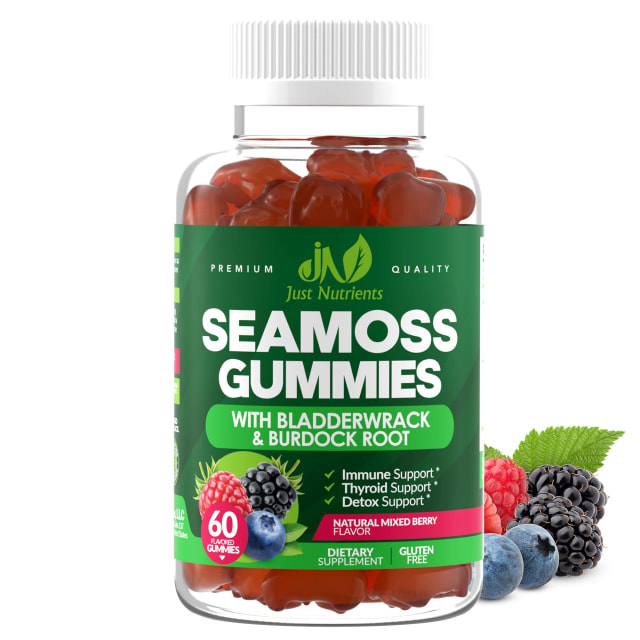
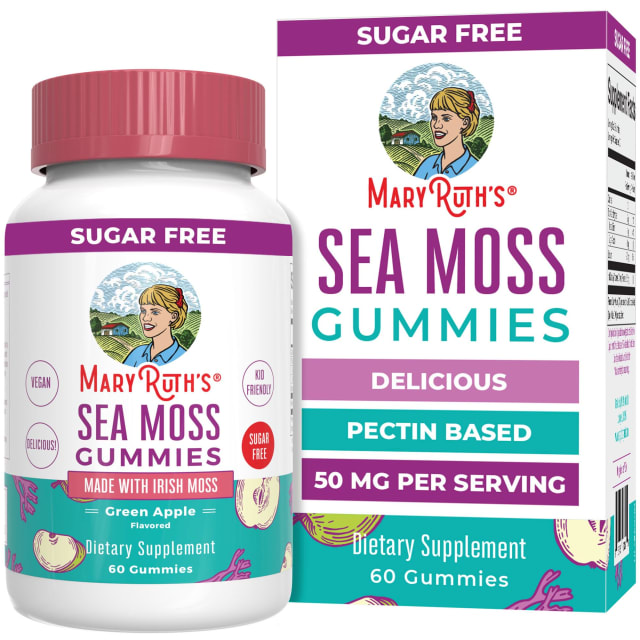
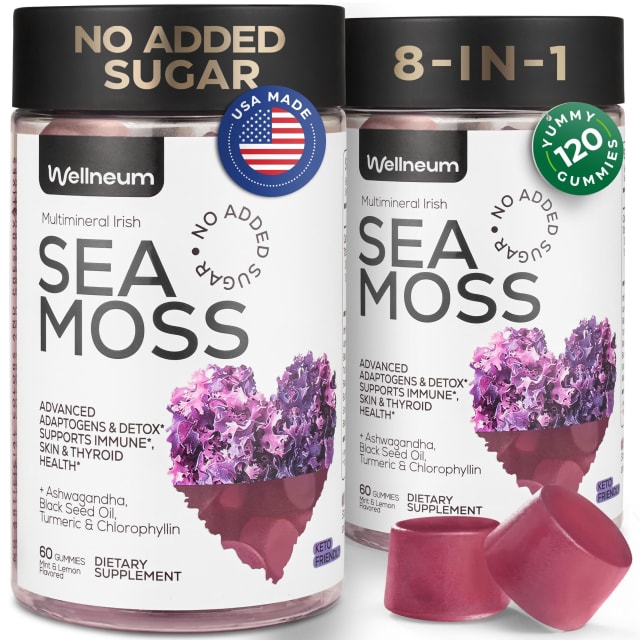
- Gummies — often lower dose and may contain added sugars
Bottom Line
What sea moss actually does:
- ✅ Provides iodine (may help thyroid function if deficient)
- ✅ Contains minerals and trace elements (broad but not unique)
- ✅ May support gut health via prebiotic fiber (modest evidence)
- ✅ Topical use may benefit skin (not oral use)
What it doesn't do:
- ❌ "Most nutrient-dense superfood" (marketing, not science)
- ❌ Fix gut issues definitively
- ❌ Boost immune function in any meaningful way
- ❌ Cause weight loss
- ❌ Provide dramatic energy boosts
Practical recommendation: Sea moss is a reasonable general-purpose supplement if you want broad mineral coverage and have no thyroid issues. But it's not the miracle some make it out to be. A serving of leafy greens, a daily multivitamin, and a balanced diet will give you similar or better coverage without the sourcing concerns.
Always consult a healthcare provider before starting a new supplement, especially if you have medical conditions or take medications.
Affiliate disclosure: This article contains affiliate links. We may earn a commission if you purchase through our links, at no additional cost to you.
Word count: ~2,600 | Reading time: 11 minutes
Affiliate Disclosure
Gummy.mom may earn a commission from purchases made through links on this page. This helps support our research and content creation. We only recommend products we genuinely believe in and have thoroughly researched.