Ashwagandha Gummies vs Capsules: Choosing the Right Adaptogen for You
In the bustling world of wellness supplements, ashwagandha has emerged as a star adaptogen, celebrated for its potential to help the body manage stress, support mood, and promote overall balance. As its popularity soars, consumers are presented with a crucial choice: the modern, palatable ashwagandha gummy or the traditional, straightforward capsule. This comprehensive guide delves into the nuances of ashwagandha gummies vs capsules, comparing their forms, efficacy, convenience, and suitability to help you make an informed decision tailored to your lifestyle and health goals.
Understanding Ashwagandha: The Ancient Adaptogen
Before comparing delivery methods, it’s essential to understand the substance at the heart of the discussion. Ashwagandha (Withania somnifera), also known as Indian ginseng or winter cherry, is a cornerstone herb in Ayurvedic medicine, used for over 3,000 years. Classified as an adaptogen, it is believed to help the body resist physical and mental stressors by modulating the stress-response system, particularly by supporting healthy cortisol levels.
Modern research has explored its potential benefits, which often include:
- Stress Relief & Cortisol Management: Supporting the body's natural ability to manage stress hormones.
- Mood Support: Promoting feelings of calm and emotional balance.
- Energy & Vitality: Combating fatigue by supporting adrenal function, often leading to a more sustained energy level.
- Focus & Cognitive Function: Enhancing mental clarity, concentration, and memory.
- Sleep Quality: Encouraging restful sleep by promoting relaxation.
The efficacy of any ashwagandha supplement, whether gummy or capsule, hinges on key factors: the quality of the root extract, the concentration of withanolides (active compounds), and the dosage.
Ashwagandha Gummies: A Tasty Modern Twist
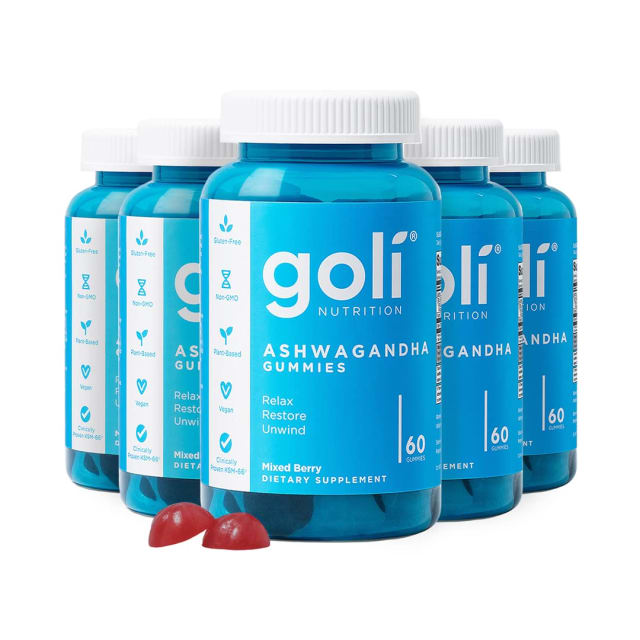
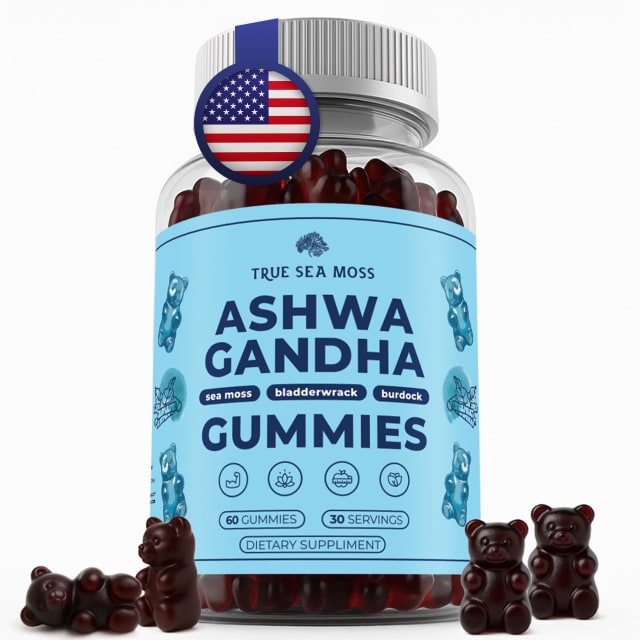
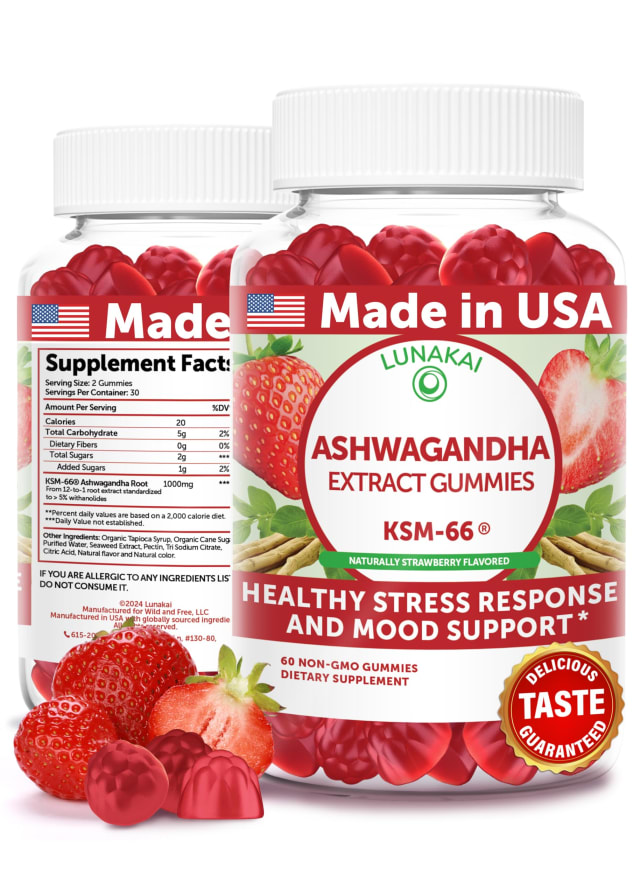
Ashwagandha gummies have revolutionized supplement intake by combining wellness with a pleasant, consumer-friendly experience. They are typically made by infusing a gummy base (often pectin or gelatin) with a standardized ashwagandha root extract.
Key Benefits of Ashwagandha Gummies
- Palatability: The primary advantage. They mask the earthy, bitter taste of ashwagandha with sweeteners and natural flavors, making them ideal for those with taste sensitivities.
- Convenience: No water is needed, making them perfect for on-the-go use—easily tossed in a bag or taken discreetly at work.
- Compliance: The enjoyable experience can significantly improve adherence to a daily supplement regimen, especially for individuals who dislike swallowing pills.
- Gentle on the Stomach: The gummy base can sometimes be easier to digest for those who find capsules irritating on an empty stomach.
Considerations for Gummies
- Added Ingredients: To achieve their taste and texture, gummies often contain added sugars, natural flavors, and colorings. It’s crucial to check labels for unwanted additives.
- Potency & Fillers: There is less physical space in a gummy, so some products may offer a lower dose per piece or require consuming multiple gummies to reach a clinical dose. The gummy matrix itself acts as a "filler."
- Precision: Dosing can be less precise than with capsules, as the active ingredient must be evenly distributed throughout the gummy mixture.
- Cost: Often, gummies can be more expensive per milligram of ashwagandha compared to capsules.
Ashwagandha Capsules: The Traditional Powerhouse
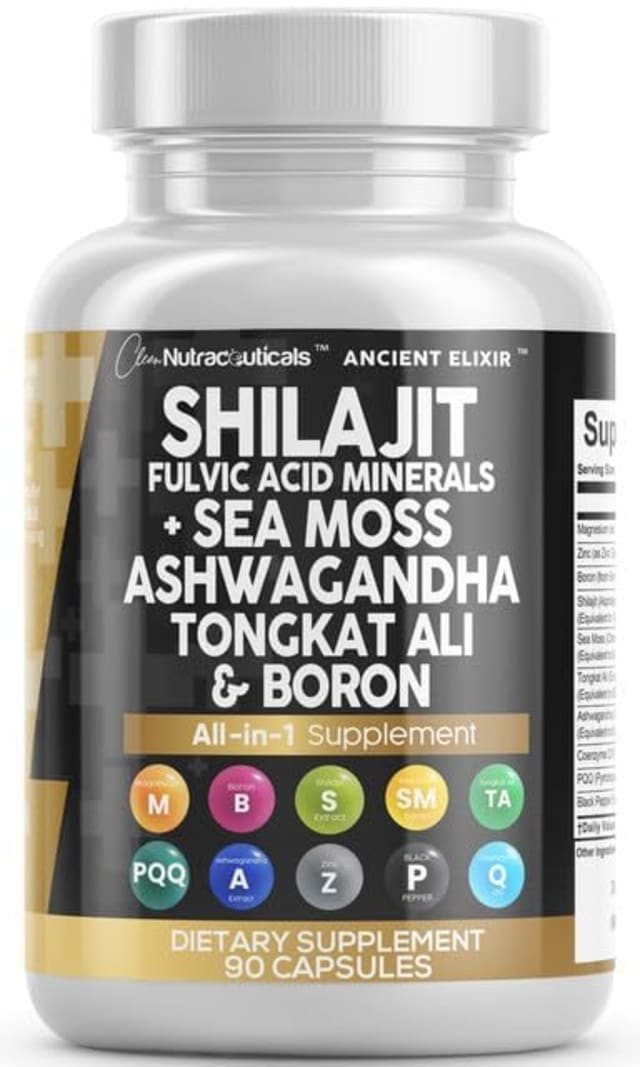
Capsules represent the classic and most common form of ashwagandha supplementation. They typically contain a powdered root extract, sometimes combined with a small amount of rice flour or other flow agents, enclosed in a vegetarian (cellulose) or gelatin shell.
Key Benefits of Ashwagandha Capsules
- Higher Potency & Concentration: Capsules can hold more pure extract, making it easier to deliver a clinically studied dose (often 300-600mg) in a single, small unit.
- Purity & Minimal Additives: High-quality capsules often contain fewer binders, sweeteners, and flavors than gummies. The ingredient list is usually very short.
- Cost-Effectiveness: Generally, capsules provide a more economical option, offering more ashwagandha per dollar spent.
- Dosing Precision: Each capsule contains a specific, pre-measured amount of extract, ensuring consistent dosing.
- Broader Variety: Capsules offer access to full-spectrum extracts, sensoril, and specific standardized extracts like KSM-66 more readily.
Considerations for Capsules
- Swallowing Difficulty: Some individuals, including children and those with pill aversion, find capsules challenging to swallow.
- Taste: If the capsule breaks or is opened, the bitter, earthy taste of ashwagandha is apparent.
- Portability: While still portable, they require access to water for easy swallowing.
- Digestion: For some, capsules can cause minor stomach discomfort if taken without food.
Head-to-Head Comparison: Ashwagandha Gummies vs Capsules
The following table summarizes the core differences to help visualize the choice.
| Feature | Ashwagandha Gummies | Ashwagandha Capsules |
|---|---|---|
| Taste & Palatability | Pleasant, flavored, sweet. Masks herb's bitterness. | Neutral, but bitter if opened. Requires swallowing. |
| Convenience | High. No water needed, highly portable and discreet. | Moderate. Requires water to swallow. |
| Typical Potency per Unit | Often lower (125-300mg). May require 2+ gummies. | Typically higher (300-600mg). Often one capsule suffices. |
| Additives & Fillers | Often contains sugars, flavors, colorings, gelling agents. | Usually minimal; may contain only extract and a capsule shell. |
| Cost Consideration | Often higher cost per mg of ashwagandha. | Generally more cost-effective per mg of ashwagandha. |
| Dosing Precision | Good, but relies on even mixture in production. | Excellent. Pre-measured, consistent dose per capsule. |
| Ideal For | Those with pill aversion, taste sensitivity, on-the-go lifestyles, beginners. | Those seeking high potency, minimal additives, cost-effectiveness, precise dosing. |
How to Choose: Which Form is Right for You?
The decision between ashwagandha gummies and capsules is personal and depends on individual priorities.
Choose Ashwagandha Gummies if:
- You or a family member has a strong aversion to swallowing pills.
- The bitter taste of herbs is a significant barrier to consistency.
- You value extreme convenience and want to supplement anywhere, anytime without water.
- You are introducing ashwagandha and want a more approachable entry point.
- You don't mind checking labels for added sugars and are comfortable with a potentially slightly higher cost for the experience.
Choose Ashwagandha Capsules if:
- Your primary goal is to get a specific, clinically-researched dose efficiently and potently.
- You prefer supplements with the shortest, cleanest ingredient list possible.
- Cost-effectiveness and getting the most ashwagandha for your budget is important.
- You have no issue swallowing capsules and already take other supplements in pill form.
- You are looking for specific, high-concentration extracts like KSM-66 or Sensoril.
What to Look For on the Label (Regardless of Form)
- Standardized Extract: Always opt for a product that specifies it contains a "standardized extract," typically for withanolides (the active compounds). Look for phrases like "standardized to 5% withanolides" or "containing KSM-66" (a specific, well-researched extract standardized to 5% withanolides).
- Dosage: The effective dose in studies often ranges from 300mg to 600mg of extract daily. Ensure the serving size (e.g., 2 gummies or 1 capsule) delivers within this range.
- Quality & Purity: Look for third-party testing certifications (like USP, NSF, or ConsumerLab.com) that verify purity, potency, and the absence of heavy metals or contaminants.
- Other Ingredients: Scan the list. For gummies, look for natural flavors and colors, and be mindful of sugar content. For capsules, a simple list is best.
- Reputable Brand: Choose companies with transparency about their sourcing, manufacturing processes (GMP-certified facilities), and customer service.
Dosing, Timing, and Safety Considerations
Dosing: Start with the lowest recommended dose on the product label, usually once daily. It can be taken with or without food, though taking it with a small amount of fat may enhance absorption. For stress and cortisol management, many find taking it in the morning or early afternoon beneficial. For sleep support, taking it 30-60 minutes before bed may be preferred.
Consistency is Key: Adaptogens like ashwagandha often work best when taken consistently over time. Effects may be subtle and noticed after several weeks of regular use.
Potential Side Effects & Interactions: Ashwagandha is generally well-tolerated but may cause mild digestive upset, drowsiness, or headaches in some individuals. Because it can support thyroid function and lower blood sugar and blood pressure, individuals with thyroid conditions, diabetes, hypertension, or those taking related medications should consult a healthcare provider before use. It is also not recommended for pregnant or breastfeeding women.
Cycle Consideration: Some long-term users choose to "cycle" ashwagandha—taking it for 6-8 weeks followed by a 1-2 week break—to prevent the body from becoming overly accustomed to it, though this practice is not universally mandated.
Frequently Asked Questions (FAQ)
Q1: Are ashwagandha gummies as effective as capsules? A: Yes, if they contain an equivalent dose of a high-quality, standardized extract. The effectiveness lies in the ashwagandha extract itself, not the delivery format, provided the gummy delivers a clinically meaningful dose (e.g., 300-600mg of extract).
Q2: What is KSM-66 ashwagandha, and should I look for it? A: KSM-66 is a specific, full-spectrum root extract of ashwagandha, standardized to contain 5% withanolides. It is one of the most clinically researched forms, used in numerous studies on stress and vitality. It is an excellent marker of quality, available in both capsule and gummy forms.
Q3: Can I take ashwagandha every day? A: For most adults, daily use is safe and recommended for consistent adaptogenic benefits. However, it is advisable to follow the dosage on the product label and consider discussing long-term use with a healthcare professional, especially if you have underlying health conditions.
Q4: When is the best time to take ashwagandha for anxiety and stress? A: Many people find taking ashwagandha in the morning or early afternoon helps modulate daytime stress and cortisol levels. However, because it promotes relaxation, some may feel too calm if taken in the morning; in that case, an evening dose might be better. Personal experimentation is key.
Q5: Are there any people who should avoid ashwagandha? A: Yes. Pregnant or breastfeeding women, individuals with autoimmune diseases, those scheduled for surgery, and people with hormone-sensitive prostate cancer should avoid ashwagandha unless directed by a doctor. Those on medication for thyroid, blood sugar, or blood pressure should consult a physician first.
Q6: How long does it take to feel the effects of ashwagandha? A: Effects can vary. Some notice subtle changes in stress reactivity or sleep within a few days, while more significant benefits for mood and energy often build gradually over 4-8 weeks of consistent use.
Final Verdict: It’s About Personal Fit
The debate between ashwagandha gummies vs capsules doesn't have a universal winner. Capsules often win on paper for potency, purity, and price. Gummies win in the real world for taste, convenience, and compliance.
The best choice is the one you will take consistently. If a pleasant-tasting gummy ensures you never miss a day of your adaptogen routine, it is the more effective option for you. If you prioritize a high-dose, no-frills approach and have no issue with pills, a capsule is an excellent and efficient choice.
By focusing on quality indicators—like a standardized extract, transparent dosing, and third-party testing—you can confidently select either format. Listen to your body's response, be patient for the adaptogenic benefits to unfold, and enjoy the journey toward greater balance and well-being.
Affiliate Disclosure
Gummy.mom may earn a commission from purchases made through links on this page. This helps support our research and content creation. We only recommend products we genuinely believe in and have thoroughly researched.