The Ultimate Guide to the Best Multivitamin Gummies for Every Age and Need
In today's fast-paced world, maintaining optimal nutrition can be a challenge. While a balanced diet is the cornerstone of good health, busy schedules and dietary restrictions can create nutritional gaps. Enter multivitamin gummies—a delicious, convenient, and often more enjoyable alternative to traditional pills and capsules. This comprehensive guide explores everything you need to know to find the best multivitamin gummies for you and your family, moving beyond marketing claims to focus on science, quality, and individual needs.
Why Choose Multivitamin Gummies?
The primary appeal of daily vitamin gummies is their palatability. The chewable, candy-like format eliminates the swallowing difficulties associated with pills, making them a favorite for children and adults alike. This sensory advantage significantly improves adherence; people are more likely to consistently take a supplement they enjoy.
Beyond taste, gummy vitamins often contain fewer additives needed for binding and coating pills. They provide a complete spectrum of essential vitamins and minerals in a single, easy-to-dose format. For individuals with specific dietary preferences, many gummies are available in vegan, gelatin-free, and allergen-friendly formulations. However, it’s crucial to approach them as supplements, not sweets, and to store them safely away from children to prevent overconsumption.
Key Evaluation Criteria: What Makes a Great Gummy Vitamin?
Not all multivitamin gummies are created equal. When comparing options, several critical factors should guide the decision-making process.
1. Comprehensive Nutrient Profile
A high-quality multivitamin should cover the foundational micronutrients. Look for gummies that include:
- Fat-Soluble Vitamins: A, D, E, and K.
- Water-Soluble Vitamins: The full B-complex (B1, B2, B3, B5, B6, B7, B9, B12) and Vitamin C.
- Essential Minerals: Such as Zinc, Selenium, Iodine, and sometimes Calcium or Magnesium. Note: minerals like iron and calcium are less common in gummy form due to taste and texture challenges.
2. Bioavailability
This refers to how well the body can absorb and use the nutrients. Some forms of vitamins are more bioavailable than others. For example, look for:
- Methylcobalamin instead of Cyanocobalamin for Vitamin B12.
- Methylfolate instead of Folic Acid for Vitamin B9, especially for those with the MTHFR gene variant.
- Vitamin D3 (cholecalciferol) instead of D2 (ergocalciferol).
3. Sugar Content and Sweeteners
This is a major consideration for gummy vitamins. While some sugar is necessary for the format, excessive amounts undermine health goals. Options include:
- Low-Sugar or Sugar-Free: Sweetened with alternatives like stevia, monk fruit, or sugar alcohols (e.g., xylitol, erythritol). Be mindful of potential digestive effects from sugar alcohols.
- Natural Sugars: Using organic cane sugar or tapioca syrup is preferable to high-fructose corn syrup.
- Added Fiber: Some brands add soluble fiber like inulin to offset sugar impact.
4. Purity and Quality Certifications
Third-party testing is a non-negotiable mark of quality. Certifications from organizations like USP (United States Pharmacopeia), NSF International, or ConsumerLab.com verify that the product contains what the label claims, in the stated amounts, and is free from harmful levels of contaminants like heavy metals.
5. Specialized Formulations
The best multivitamin gummies are tailored to demographic needs:
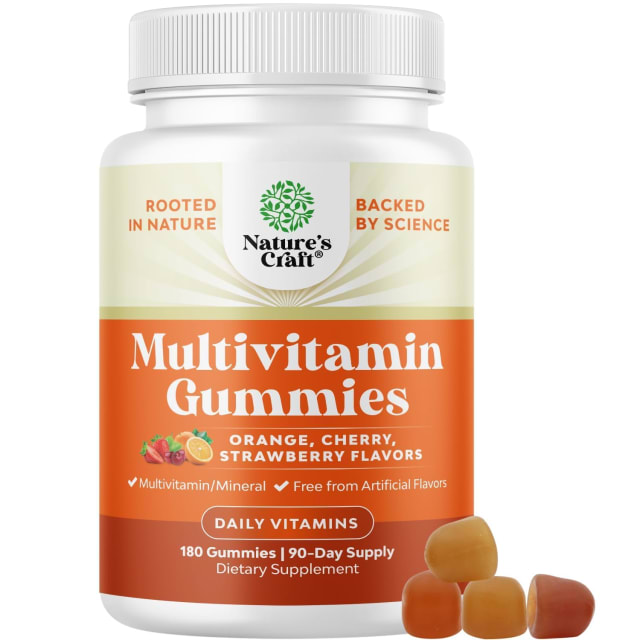
- Adult Gummy Vitamins: Often higher in B-vitamins for energy metabolism, Vitamin D for bone and immune health, and antioxidants like Vitamins C and E.
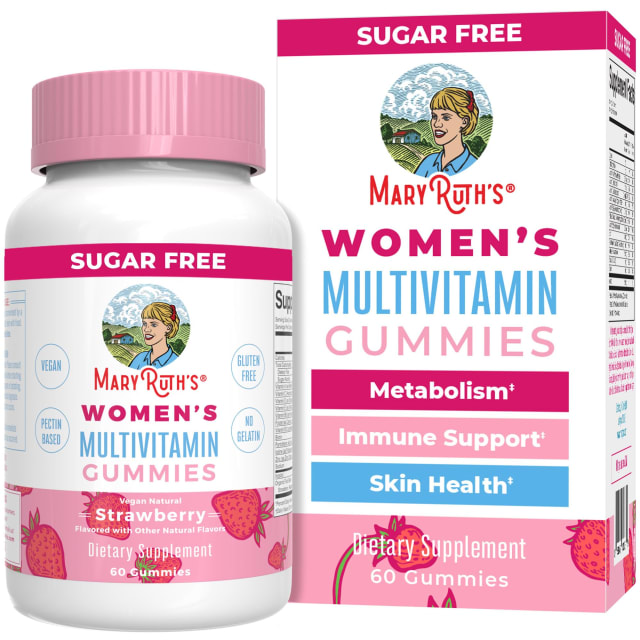
- Womens Gummy Vitamins: Frequently include higher iron (though less common in gummies) and folate, along with biotin and collagen for hair, skin, and nails.
- Mens Gummy Vitamins: May focus on nutrients like Zinc and Selenium for prostate and reproductive health, often omitting iron.
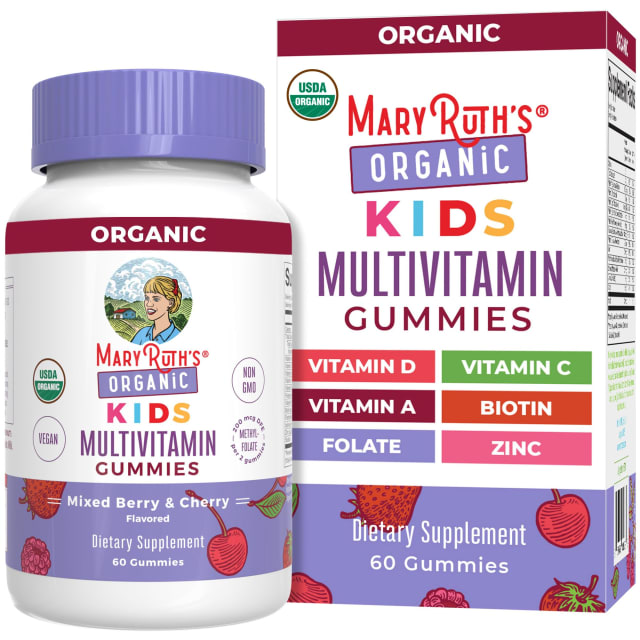
- Kids Gummy Vitamins: Formulated with age-appropriate dosages of crucial developmental nutrients like Vitamins A, C, D, and Zinc, with a strong emphasis on safety and appealing flavors.
A Comparative Look at Multivitamin Gummy Types
The table below outlines the general focus of different gummy vitamin categories to help narrow your search.
| Category | Primary Nutrient Focus | Common Special Ingredients | Key Considerations |
|---|---|---|---|
| General Adult | Broad-spectrum vitamins & minerals, B-complex, Vitamins C, D3, E | Sometimes includes CoQ10 or Ginseng for energy | Check sugar content; ensure it fills general dietary gaps. |
| Womens | Iron (in some), Folate/Methylfolate, Biotin, Calcium, Vitamin D | Collagen, Cranberry, sometimes Ashwagandha | Iron is rare in gummies; those who need it may require a separate supplement. |
| Mens | Zinc, Selenium, Lycopene, Vitamins D3 & B12 | Saw Palmetto, Omega-3s (from algae) | Often iron-free, which is appropriate for most adult men. |
| Kids | Vitamins A, C, D3, Zinc, B-vitamins | DHA (from algae), Choline | Flavor and shape are important for adherence; strict dosing is critical. |
| Prenatal | High Folate/Methylfolate, Choline, Iron (rare), DHA, Iodine | Ginger, sometimes Omega-3s | Must contain adequate folate (600 mcg); DHA is a major bonus. |
| Senior | Higher Vitamin D3, B12, Calcium | Lutein, Zeaxanthin for eye health | Bioavailable forms of B12 are essential; may exclude Vitamin K if on blood thinners. |
Practical Advice: Dosing, Timing, and What to Look For
Reading the Label: The Supplement Facts panel is your most important tool. Look beyond the front marketing claims. Check the "% Daily Value" (%DV) column. A good multivitamin typically provides 100% DV for most nutrients, though some like Calcium or Magnesium may be lower due to gummy format constraints.
Dosing: Always follow the manufacturer's instructions. Typically, this is 1-2 gummies per day for adults. For kids gummy vitamins, dosing is precise based on age and weight; never allow a child to self-serve. Consistency is more important than timing, but taking your gummy with a meal containing some fat can improve the absorption of fat-soluble vitamins (A, D, E, K).
What to Look For on the Ingredient List:
- The Good: Whole food bases, bioavailable nutrient forms, natural colors (from fruit and vegetable juices), and natural flavors.
- The Less Ideal: Artificial colors (Red 40, Blue 1), artificial flavors, high-fructose corn syrup, and excessive fillers.
Potential Side Effects and Considerations:
- Overconsumption Risk: Their candy-like taste is the biggest risk, especially for children. Always store them as you would medication.
- Nutrient Overload: Taking a multivitamin alongside other fortified foods or individual supplements can lead to exceeding safe upper limits for certain nutrients, like Vitamin A or Niacin.
- Digestive Sensitivity: Sugar alcohols used in sugar-free gummies can cause bloating or gas in some individuals.
- Dental Health: The sugar and acidic nature of some gummies can stick to teeth. It’s advisable to take them with a meal and maintain good oral hygiene.
Navigating the Market: How to Choose Your Best Fit
Choosing the best multivitamin gummies is a personal decision based on individual health goals, dietary restrictions, and taste preferences.
- Identify Your Primary Need: Is it general wellness, filling a specific dietary gap (e.g., vegetarian/vegan), energy support, or hair/skin/nail health? Start with a formulation designed for your demographic (e.g., womens gummy vitamins or mens gummy vitamins).
- Check for Third-Party Testing: This is the simplest filter for quality and safety. Prioritize brands that transparently share their certification.
- Analyze the Sugar Source and Content: If managing sugar intake is a priority, opt for a low-sugar or sugar-free version sweetened with plant-based alternatives.
- Consider Dietary Restrictions: Many gummies are now gelatin-free (using pectin), gluten-free, dairy-free, and vegan. Always verify the label.
- Taste and Texture Matter: If you don’t like the flavor, you won’t take it consistently. While subjective, reading user reviews can provide insight into taste and texture (e.g., too chewy, gritty, etc.).
Remember, the most expensive option is not always the best. Value is found in a product that meets the above quality criteria, fits your budget for long-term use, and is something you will take reliably.
Frequently Asked Questions (FAQ)
Q: Are gummy vitamins as effective as pill-form multivitamins? A: Yes, if they contain bioavailable forms of nutrients in sufficient doses. The effectiveness lies in the formulation, not the delivery format. However, gummies often cannot contain high doses of minerals like calcium or iron due to taste and texture, so they may be less comprehensive for those with specific deficiencies.
Q: Can I take multivitamin gummies on an empty stomach? A: Yes, one of the advantages of gummy vitamins is that they are typically gentle on the stomach and can be taken without food. However, taking them with a meal containing healthy fats can enhance the absorption of fat-soluble vitamins.
Q: How many gummy vitamins is too many? A: Never exceed the recommended dosage on the label. Fat-soluble vitamins (A, D, E, K) can accumulate in the body to toxic levels if taken in extreme excess. The sugar or sugar alcohols in multiple servings can also cause gastrointestinal distress. Treat them as supplements, not candy.
Q: Are there any adults who should avoid gummy multivitamins? A: Individuals who need high doses of specific minerals (like iron for anemia), those on very strict sugar-controlled diets, or people with certain dental issues may find pill or liquid forms more suitable. Always consult a healthcare provider before starting any new supplement.
Q: Do gummy vitamins expire? Do they lose potency? A: Yes, they have an expiration date for a reason. Vitamins can degrade over time, especially when exposed to heat, light, and humidity. Storing them in a cool, dry place and using them before the expiration date ensures maximum potency. Expired gummies may also change in texture and taste.
Q: Can I give my child an adult gummy vitamin if I cut it in half? A: This is not recommended. Kids gummy vitamins are specifically formulated with safe, age-appropriate doses for children. Adult formulas may contain nutrients at levels that are too high for a child, even in half a dose. Always use supplements designed for a child's age group.
Final Thoughts
Finding the best multivitamin gummies requires a blend of science-backed evaluation and personal preference. By prioritizing third-party tested products with comprehensive, bioavailable nutrient profiles, mindful sugar content, and formulations tailored to your life stage, you can turn a simple daily habit into a powerful tool for supporting overall health. The journey to wellness is built on consistent, informed choices, and the right multivitamin gummy can be a delightful and effective step on that path.
Disclaimer: This article is for informational purposes only and does not constitute medical advice. Dietary supplements are not intended to diagnose, treat, cure, or prevent any disease. Always consult with a qualified healthcare professional before making any changes to your supplement regimen, especially if you have pre-existing health conditions or are taking medication.
Affiliate Disclosure
Gummy.mom may earn a commission from purchases made through links on this page. This helps support our research and content creation. We only recommend products we genuinely believe in and have thoroughly researched.