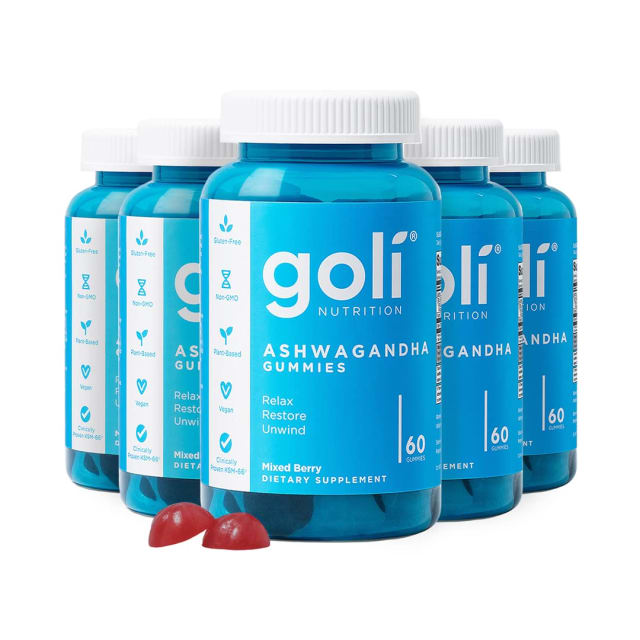
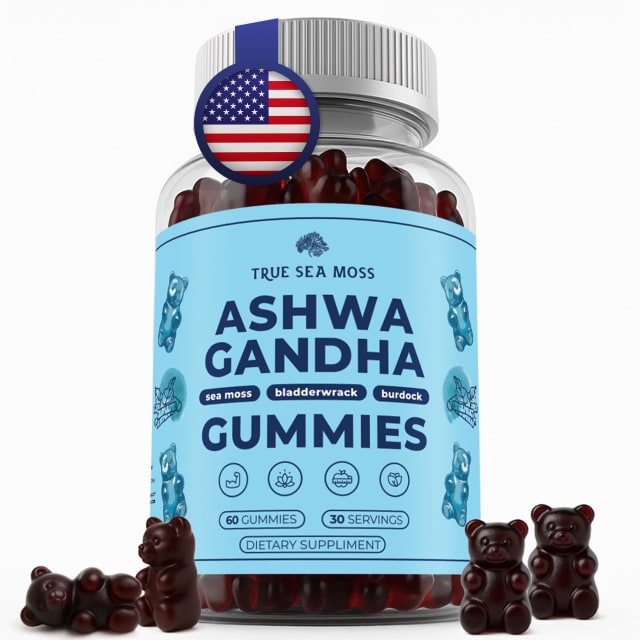
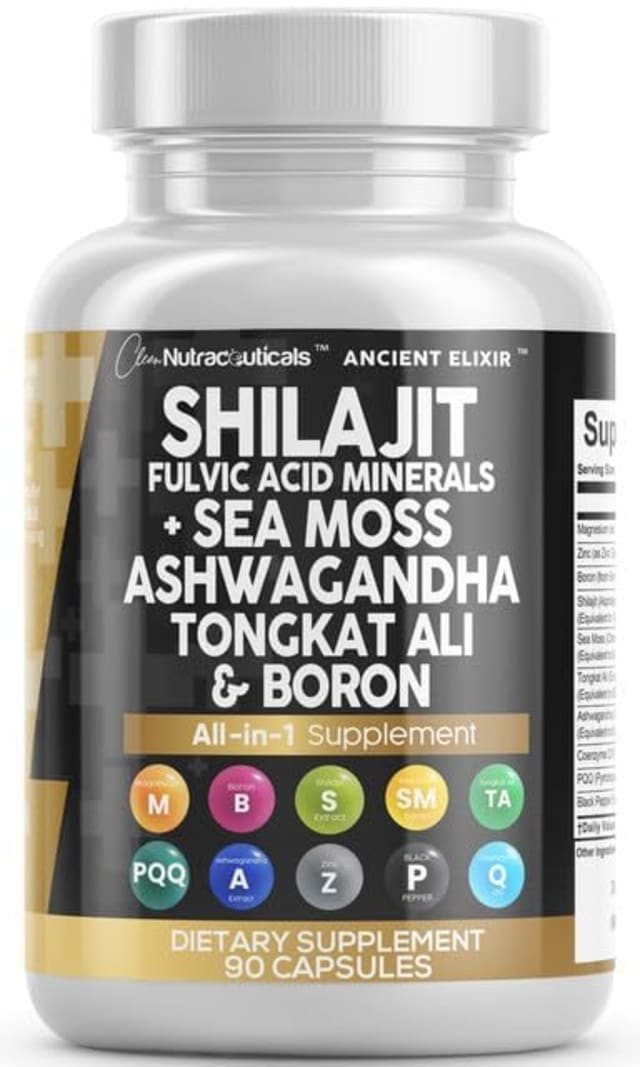
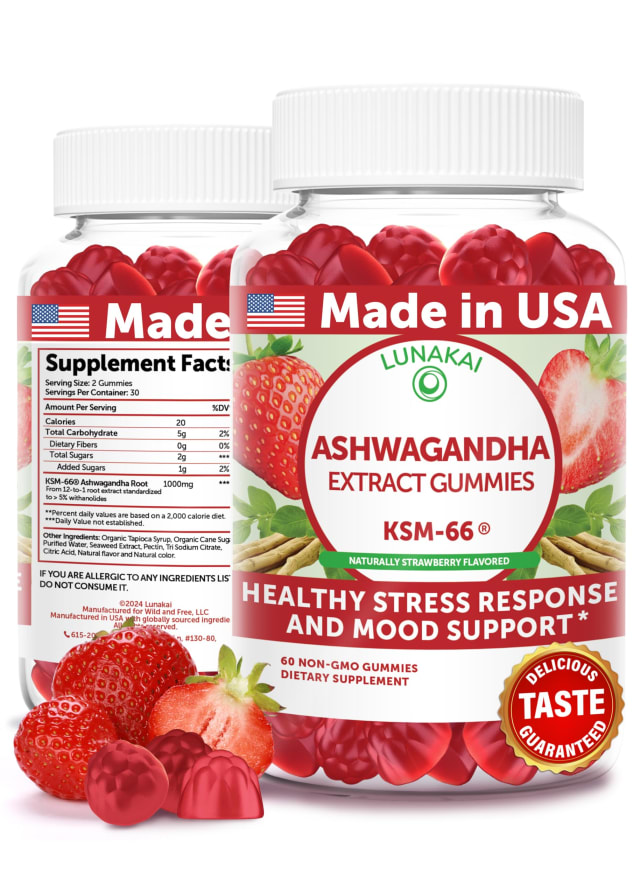
Where to Buy Ashwagandha Gummies: Your Complete Guide to Finding Quality and Value
Ashwagandha gummies have surged in popularity as a palatable and convenient way to harness the ancient power of this revered adaptogen. Known for supporting stress relief, mood, focus, and energy, these chewy supplements offer a modern twist on traditional wellness. However, with so many brands and retailers vying for attention, knowing where to buy ashwagandha gummies can be confusing. This comprehensive guide cuts through the noise, providing practical, step-by-step advice to help you find a high-quality product that fits your needs and budget.
Understanding Ashwagandha: The "Strength of the Stallion" in Gummy Form
Ashwagandha (Withania somnifera) is a cornerstone herb in Ayurvedic medicine, often called "Indian ginseng." It is classified as an adaptogen, meaning it helps the body adapt to and resist physical, chemical, and biological stressors. The primary benefits linked to ashwagandha supplementation include:
- Stress Relief & Cortisol Management: Numerous studies suggest ashwagandha can significantly reduce perceived stress and lower cortisol levels, the body's primary stress hormone.
- Mood Support: By modulating the body's stress response, it can promote a more balanced mood and feelings of well-being.
- Enhanced Energy & Focus: Unlike stimulants, ashwagandha may improve energy and cognitive function by reducing fatigue associated with chronic stress.
- Sleep Quality: Its species name, somnifera, hints at its sleep-promoting potential, often achieved through its calming, stress-reducing effects.
Gummies offer a distinct advantage: they are easy to take, pre-dosed, and often include complementary ingredients like vitamins or other botanicals. They bypass the earthy, sometimes bitter taste of powdered ashwagandha, making consistency—key for any supplement regimen—much easier to maintain.
What to Look for Before You Buy: A Quality Checklist
Before exploring where to purchase, it's crucial to know what to look for. Not all ashwagandha gummies are created equal. This checklist will empower you to evaluate any product like a pro.
1. Standardized Extract and Potency
The most important factor is the type and amount of ashwagandha extract.
- Look for Standardized Extracts: High-quality products use extracts standardized for withanolides, the active compounds. KSM-66 and Sensoril are two of the most researched, patented root extracts. KSM-66 is a full-spectrum root extract often associated with energy and stress relief, while Sensoril is a blend of root and leaf known for a more calming effect.
- Check the Dose: Clinical studies often use doses between 300-600 mg of root extract daily. Gummies should clearly state the amount of ashwagandha extract per serving (usually 1-2 gummies). Be wary of products that only list a "proprietary blend" without disclosing the specific ashwagandha amount.
2. Ingredient Transparency and Purity
- Full Ingredient List: The label should clearly list all ingredients, including the ashwagandha source, sweeteners, colors, and gelling agents.
- Third-Party Testing: This is the gold standard. Look for products tested by independent labs (like USP, NSF, or ConsumerLab) for purity, potency, and the absence of heavy metals, pesticides, and microbial contaminants. Certifications like "Non-GMO," "Gluten-Free," or "Vegan" can also be important depending on dietary needs.
- Sugar Content: Since gummies are a sweet format, check the sugar and carbohydrate content per serving. Options sweetened with organic cane sugar, tapioca syrup, or sugar alcohols are common.
3. Complementary Ingredients
Many gummies combine ashwagandha with other supportive nutrients:
- L-Theanine & Lemon Balm: For enhanced relaxation.
- B Vitamins: For energy metabolism and nervous system support.
- Black Pepper Extract (Piperine): Sometimes added to improve absorption, though more common in capsules.
Where to Buy Ashwagandha Gummies: A Retailer Comparison
Ashwagandha gummies are widely available across several types of retailers, each with its own pros and cons. The best choice depends on your priorities: convenience, price, selection, or the ability to examine a product firsthand.
Comparison of Retailer Types
| Retailer Type | Pros | Cons | Best For |
|---|---|---|---|
| Online Marketplaces (Amazon, Walmart.com, etc.) | Vast selection, competitive pricing, fast shipping, extensive customer reviews. | Risk of counterfeit products, overwhelming choice, quality can vary wildly. | Savvy shoppers who know how to verify sellers and read reviews critically. |
| Direct from Brand Websites | Access to full product line, subscription discounts, best source for detailed info and brand ethos, often highest quality assurance. | May be higher priced than marketplaces, shipping times can vary. | Those prioritizing brand trust, transparency, and potential subscription savings. |
| Health Food & Vitamin Stores (GNC, The Vitamin Shoppe, Whole Foods) | Ability to see product in person, knowledgeable staff, curated selection of reputable brands. | Limited selection compared to online, often higher prices, may not have the newest brands. | Shoppers who prefer in-person buying and expert advice. |
| Big-Box & Club Stores (Costco, Target, Walmart) | Competitive pricing, especially in bulk, convenience of one-stop shopping. | Limited brand and formulation variety, focus may be on value over specialized quality. | Budget-conscious buyers looking for established national brands in bulk. |
| Local Pharmacies (CVS, Walgreens, Rite Aid) | High convenience, often have sales or store-brand options. | Selection is often basic, less focus on specialized supplement brands. | Immediate need and convenience over specific brand selection. |
Step-by-Step Guide to Making Your Purchase
Step 1: Define Your Needs. Determine your primary goal (e.g., stress relief vs. energy), preferred dose, and any dietary restrictions (vegan, gluten-free, etc.). This will narrow your search.
Step 2: Research Specific Brands. Using your quality checklist, research 3-5 brands that meet your criteria. Read the "Supplement Facts" panel on their website. Look for scientific citations or explanations of their sourcing.
Step 3: Compare Retailers for Your Chosen Brands. Once you've identified 1-2 potential products, check their availability and price across different retailers. Check if buying directly from the brand offers a valuable subscription model.
Step 4: Verify Seller Authenticity (For Marketplaces). If buying from an online marketplace, ensure you are purchasing from the official brand store or an authorized retailer. Check seller ratings and read recent reviews specifically mentioning product authenticity and freshness.
Step 5: Check for Current Promotions and Return Policies. Look for first-time buyer discounts, bundle deals, or free shipping thresholds. Understand the return policy in case the product isn't a good fit.
How to Use Ashwagandha Gummies Effectively
To get the most benefit from your purchase, proper usage is key.
- Dosing: Always follow the manufacturer's recommended dosage on the label. A typical dose is 1-2 gummies providing 300-600 mg of ashwagandha extract daily. Do not exceed the recommended dose.
- Timing: Timing can be tailored to your goals. For general stress support and energy, taking them in the morning with food is common. For those using it to support wind-down and sleep, taking them 1-2 hours before bedtime may be preferable. Consistency is more important than the exact time of day.
- Duration: Adaptogens often work best with consistent, long-term use. It's common to take ashwagandha for several weeks to notice its full effects. Many choose to cycle it, such as taking it for 6-8 weeks followed by a 1-2 week break, though you should consult a healthcare provider for personalized advice.
Important Considerations and Potential Side Effects
While ashwagandha is generally well-tolerated by most adults, it is not without considerations.
- Potential Side Effects: Some may experience mild gastrointestinal upset, drowsiness (especially at higher doses), or headaches. Starting with a lower dose can help assess tolerance.
- Drug Interactions: Ashwagandha may interact with medications for thyroid, blood sugar, blood pressure, and sedatives. It may also have immune-modulating effects.
- Contraindications: It is not recommended for pregnant or breastfeeding women. Individuals with autoimmune diseases (like rheumatoid arthritis, lupus) or those scheduled for surgery should avoid it unless cleared by a doctor.
- "Withania Somnifera" vs. "Ashwagandha": Both terms refer to the same plant. The label should use the scientific name.
The most critical step before starting any new supplement, including ashwagandha gummies, is to consult with a qualified healthcare professional. This is especially important for individuals with pre-existing health conditions or those taking other medications.
Frequently Asked Questions (FAQ)
Q: How long does it take for ashwagandha gummies to work? A: Effects can vary. Some people report feeling calmer within a few days, but most clinical studies observe significant results over a period of 4-8 weeks of consistent use. Patience and consistency are key.
Q: Can I take ashwagandha gummies every day? A: Yes, daily use is standard for achieving the adaptogenic benefits. However, some practitioners recommend a cycling protocol (e.g., 6 weeks on, 1-2 weeks off) to prevent the body from becoming accustomed to it. Discuss long-term use with your healthcare provider.
Q: Are there any specific brands you recommend? A: While specific brand recommendations are not provided here, the guide offers a clear checklist for evaluation. Look for brands that are transparent about using a standardized extract (like KSM-66), provide clear dosing information, and have verifiable third-party testing for purity and potency.
Q: Can ashwagandha gummies make you sleepy? A: They can, particularly at higher doses or in formulations designed for relaxation. If you experience drowsiness, try taking them in the evening. If taken in the morning and causing drowsiness, it may be a sign the dose is too high for you.
Q: What's the difference between ashwagandha capsules and gummies? A: The primary difference is the delivery format and often, the additional ingredients. Capsules may contain a purer, more concentrated powder, while gummies include gelling agents and sweeteners. The active ashwagandha extract can be identical. Choose based on your preference for convenience, taste, and dietary needs.
Q: Are ashwagandha gummies safe for teenagers? A: Supplement use in children and teenagers should only be undertaken under the guidance of a pediatrician or qualified healthcare provider. The developing body may respond differently, and professional oversight is crucial.
Final Thoughts: Your Path to a Smart Purchase
Finding the right place to buy ashwagandha gummies is a blend of research and understanding your own preferences. By prioritizing a quality, transparent product from a reputable retailer—whether online or in-store—you invest in your wellness journey with confidence. Remember that supplements are just one part of a holistic approach to health, complementing a balanced diet, regular exercise, and proper sleep. Armed with this knowledge, you are now equipped to navigate the marketplace and select an ashwagandha gummy that truly supports your journey toward greater balance and resilience.
Affiliate Disclosure
Gummy.mom may earn a commission from purchases made through links on this page. This helps support our research and content creation. We only recommend products we genuinely believe in and have thoroughly researched.