The Ultimate Guide to the Best Kids Gummies of 2026: Yummy Nutrition They'll Love
Navigating the world of children's nutrition can be a challenge for any parent. Between picky eaters and busy schedules, ensuring kids get the essential vitamins and minerals they need for healthy growth and development is a top priority. This is where kids gummies shine, offering a delicious and fun solution that children actually look forward to taking. As we look ahead to 2026, the market for childrens vitamins in gummy form continues to evolve with better ingredients, cleaner labels, and targeted formulations. This comprehensive guide reviews the key considerations for choosing the best kids multivitamin gummies, providing practical advice to help parents make an informed, confident decision for their child's health.
Why Choose Kids Gummy Vitamins?
Gummy vitamins have revolutionized pediatric supplementation. They transform a daily chore into a treat, significantly increasing compliance. For toddler gummies and older children alike, the appeal is undeniable. Beyond taste, modern gummies are formulated to fill common nutritional gaps in children's diets, supporting critical areas like immune function, bone development, cognitive health, and overall energy.
Key benefits include:
- Improved Compliance: Children are far more likely to take a tasty gummy than a pill or liquid.
- Targeted Nutrition: They can provide a broad spectrum of vitamins (like A, C, D, E, and B-complex) and minerals (such as Zinc and Iodine) that might be missing from a selective diet.
- Immune Support: Nutrients like Vitamin C, Vitamin D, and Zinc are crucial for maintaining a robust immune system.
- Growth & Development: Vitamins D and K, along with Calcium, are vital for building strong bones and teeth.
However, it's crucial to remember that gummies are supplements, not replacements. They work best to complement a balanced diet, not substitute for whole foods like fruits, vegetables, and proteins.
Critical Evaluation Criteria for Choosing Kids Gummies in 2026
With countless options on the shelf, selecting the right product requires careful scrutiny. Here are the essential factors to evaluate.
1. Ingredient Quality and Purity
The source and quality of ingredients are paramount. In 2026, the trend is toward cleaner, more transparent labels.
- Natural vs. Artificial: Look for gummies made with natural flavors and colors derived from sources like fruit and vegetable juices (e.g., beet, carrot, turmeric) instead of synthetic dyes like Red 40 or Yellow 5.
- Sweeteners: Opt for gummies sweetened with organic cane sugar, tapioca syrup, or fruit juices rather than high-fructose corn syrup or artificial sweeteners. Note the sugar content per serving.
- Allergens: Check for common allergens like gelatin (often bovine or porcine), gluten, soy, dairy, nuts, and egg. Many top brands now offer gelatin-free, vegan options using pectin.
- Third-Party Testing: The most reputable brands have their products tested by independent labs (like USP, NSF, or ConsumerLab) to verify potency, purity, and the absence of contaminants like heavy metals.
2. Nutritional Profile and Completeness
A gummy's formula should align with your child's specific needs.
- Age-Appropriate Formulations: Nutrients and dosages differ for toddlers, school-aged children, and teens. Always choose a product designed for your child's age group.
- Key Nutrients to Look For:
- Vitamin D3: Essential for calcium absorption and bone health. Many children are deficient, especially in winter months.
- Vitamin C & Zinc: Cornerstones of immune support.
- B Vitamins (B6, B12, Folate): Important for energy metabolism and cognitive function.
- Omega-3s (DHA/EPA): Crucial for brain and eye development, often included in separate gummies.
- Avoid "Mega-Doses": More is not always better. Choose a product that provides around 100% of the Daily Value (DV) for most vitamins, avoiding excessively high doses that could lead to imbalances.
3. Safety, Dosing, and Potential Side Effects
- Dosing Instructions: Adhere strictly to the recommended dosage on the label—typically one or two gummies per day for children over a certain age (often 2 or 4). Gummies are not candy and should be stored out of a child's reach to prevent overconsumption.
- Iron Warning: Most kids gummies deliberately exclude iron because an overdose can be toxic. Children needing iron supplementation should only take it under a pediatrician's guidance.
- Potential Side Effects: Overconsumption can lead to stomach upset, diarrhea, or headaches due to the high vitamin concentration and sugar alcohols (like sorbitol) used in some formulas. The sticky texture can also pose a risk to dental enamel; giving gummies with a meal and encouraging brushing afterwards is advisable.
4. Taste, Texture, and Brand Reputation
If a child doesn't like the taste or texture, the bottle will sit unused. Read reviews and consider sample packs. Established brands with a long history in children's nutrition and positive consumer trust are often a reliable starting point.
Comparison of Leading Kids Gummy Categories for 2026
The table below outlines the primary types of kids gummies available, helping parents identify the right category for their child's needs.
| Gummy Category | Primary Focus | Best For | Key Considerations |
|---|---|---|---|
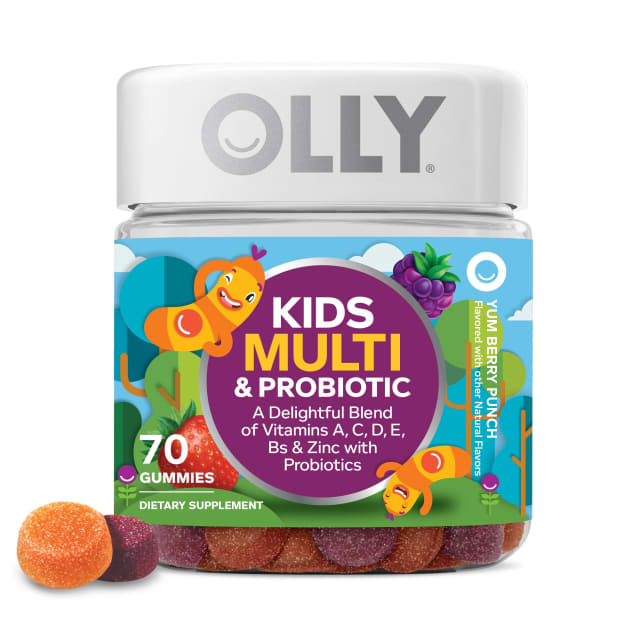
| Complete Multivitamin | Broad-spectrum daily support. | Children with general picky eating habits or inconsistent diets. | Check for balance; ensure it doesn't exceed 100% DV for fat-soluble vitamins (A, D, E, K). |
| Immune Support | High doses of Vitamin C, D, Zinc, and Elderberry. | Seasonal support or when starting a new school/activity. | Often used short-term. Can be taken alongside a multivitamin—check for nutrient overlap. |
| Omega-3 (DHA/EPA) | Brain, eye, and cognitive health. | All children, particularly important for early development. | Derived from algae (vegan) or fish oil. Check for purity and freshness to avoid "fishy" taste. |
| Probiotic | Gut health, digestion, and immune function. | Kids with digestive issues, after antibiotic use, or for general wellness. | Look for CFU count (Colony Forming Units) and strains like L. rhamnosus GG. Requires refrigeration for some brands. |
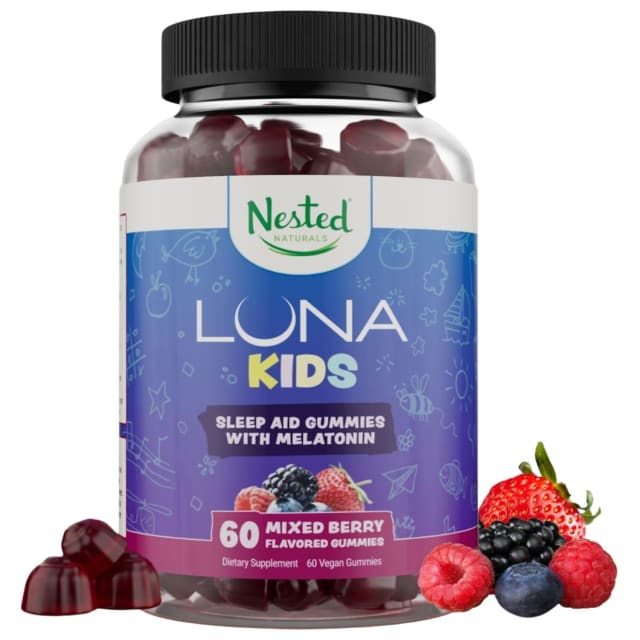
| Sleep Support | Melatonin, L-Theanine, Magnesium. | Children who have trouble falling or staying asleep. | Always consult a pediatrician first. Intended for occasional use, not a long-term daily multivitamin. |
| Vitamin-Specific | Single nutrients like Vitamin D3 or B12. | Addressing a specific, diagnosed deficiency. | Provides targeted support without other vitamins. Dosage should be guided by a healthcare provider. |
What to Look for on a 2026 Kids Gummy Label
Decoding the supplement facts panel is a key skill.
- Serving Size: Clearly states how many gummies constitute one dose.
- % Daily Value (%DV): Shows how much of each nutrient one serving contributes to a daily diet. Aim for around 100% DV for most vitamins.
- Ingredient List: Shorter is often better. Recognize the ingredients. The presence of "natural flavors" is preferable to "artificial flavors."
- Certifications: Look for seals indicating third-party testing, non-GMO verification, gluten-free certification, or vegan society approval.
- Storage Instructions: Some probiotics or certain formulas may require refrigeration.
Practical Advice for Giving Kids Gummies
- Timing: Gummies can be given at any time of day, but with a meal containing a small amount of fat can improve the absorption of fat-soluble vitamins (A, D, E, K).
- Consistency: Incorporate them into a daily routine, like after breakfast, to build a consistent habit.
- Safety Lock: Always use bottles with child-resistant caps and store them in a high, locked cabinet. Treat them with the same caution as medication.
- Dental Health: Encourage your child to chew thoroughly and drink water afterwards. Brushing teeth after taking a gummy can help prevent sugar from lingering on teeth.
- Open Dialogue: Even with young children, explain that these are "health vitamins," not candy, to help them understand their purpose.
Frequently Asked Questions (FAQ)
Q: At what age can my child start taking gummy vitamins? A: Most toddler gummies are formulated for children aged 2 years and older. For infants and toddlers under 2, nutritional needs are very specific, and any supplementation should be discussed directly with a pediatrician, who will likely recommend liquid drops.
Q: Can my child take a multivitamin gummy and an immune support gummy together? A: It depends on the formulas. There is a risk of "doubling up" on certain vitamins, like Vitamin D or Zinc, which can lead to exceeding safe upper limits. It is often safer to choose one comprehensive product or to consult with a healthcare provider before combining supplements.
Q: Are sugar-free kids gummies a better option? A: Sugar-free gummies use alternative sweeteners like sugar alcohols (sorbitol, xylitol) or stevia. While they reduce sugar intake, some sugar alcohols can cause digestive discomfort or a laxative effect in sensitive children. The small amount of sugar in a standard gummy (2-4 grams) is generally acceptable as part of a balanced diet, especially if dental hygiene is maintained.
Q: My child accidentally ate several gummies. What should I do? A: Stay calm. Immediately remove the bottle and assess how many were consumed. Contact your local poison control center (1-800-222-1222 in the US) or your pediatrician for specific guidance. Have the bottle on hand to report the ingredients and dosage. While a one-time overdose of most vitamins in gummies is unlikely to cause serious harm, professional guidance is crucial.
Q: How do vegan kids gummies differ from regular ones? A: Vegan gummies use pectin (from fruit) as a gelling agent instead of gelatin (derived from animal collagen). They are also free from other animal-derived ingredients like beeswax or vitamin D3 from lanolin (using lichen-sourced D3 instead). They offer an excellent plant-based alternative with similar efficacy.
Q: Do kids gummies expire, and how should I store them? A: Yes, gummies have an expiration date, after which the potency of the vitamins may degrade. They should be stored in a cool, dry place away from direct sunlight. Some, particularly probiotic gummies, may require refrigeration as indicated on the label. Always keep the lid tightly sealed to prevent the gummies from drying out or becoming sticky.
Conclusion
Choosing the best kids gummies in 2026 is about balancing nutritional science with practical reality. The ideal product is one that is made with high-quality, clean ingredients, provides age-appropriate and balanced nutrition, and—most importantly—is one your child will take consistently. By focusing on ingredient transparency, third-party testing, and aligning the supplement with your child's specific needs, parents can effectively use these tools to support their child's growth, immunity, and development. Always remember that a conversation with your child's pediatrician is the best first step to determine if and what kind of supplementation is necessary. With informed choices, kids multivitamin gummies can be a safe, effective, and enjoyable part of fostering lifelong healthy habits.
Affiliate Disclosure
Gummy.mom may earn a commission from purchases made through links on this page. This helps support our research and content creation. We only recommend products we genuinely believe in and have thoroughly researched.