Are Magnesium Gummies Effective? A Comprehensive Guide to Calm, Sleep, and Muscle Support
In the bustling world of dietary supplements, magnesium gummies have carved out a sweet and convenient niche. Promising essential mineral support in a palatable, chewable form, they’ve become a popular choice for those seeking to improve calm, enhance sleep, and support muscle relaxation. But a critical question remains for the discerning consumer: are magnesium gummies effective? The answer is nuanced. When formulated with high-quality, bioavailable ingredients and used correctly, magnesium gummies can be a highly effective and enjoyable way to address magnesium deficiency and its associated symptoms. This comprehensive guide delves into the science, benefits, and practical considerations to help you make an informed decision.
Understanding Magnesium: The Master Mineral
Before assessing the gummy format, it’s crucial to understand why magnesium itself is so vital. Often dubbed the "master mineral," magnesium is a cofactor in over 300 enzymatic reactions in the human body. It plays a fundamental role in:
- Energy Production: Converting food into ATP, the body's primary energy currency.
- Nervous System Regulation: Supporting neurotransmitter function, which governs stress response and calm.
- Muscle Function: Enabling muscle contraction and, critically, relaxation.
- Sleep Cycle Regulation: Influencing the production of melatonin, the sleep hormone, and calming the nervous system for restful sleep.
- Bone Health: Contributing to bone density and structure.
- Heart Health: Supporting a steady heartbeat and healthy blood pressure.
Despite its importance, studies suggest a significant portion of the population does not get enough magnesium from their diet alone, due to factors like soil depletion, processed foods, and certain health conditions. This is where supplementation, including through magnesium gummies, can play a key role.
The Science Behind Magnesium Gummies: Bioavailability and Form
The effectiveness of any magnesium supplement hinges on two primary factors: the bioavailability of the magnesium compound used and the integrity of the delivery format.
Key Magnesium Forms in Gummies
Not all magnesium is created equal. The type of magnesium salt used determines how well your body absorbs and utilizes the mineral. The most common forms found in high-quality gummies are:
- Magnesium Glycinate: This form is chelated to the amino acid glycine. It is renowned for its high bioavailability and gentle effect on the stomach. Glycine itself has calming properties, making magnesium glycinate gummies a premier choice for sleep support and reducing anxiety. It is less likely to have a laxative effect.
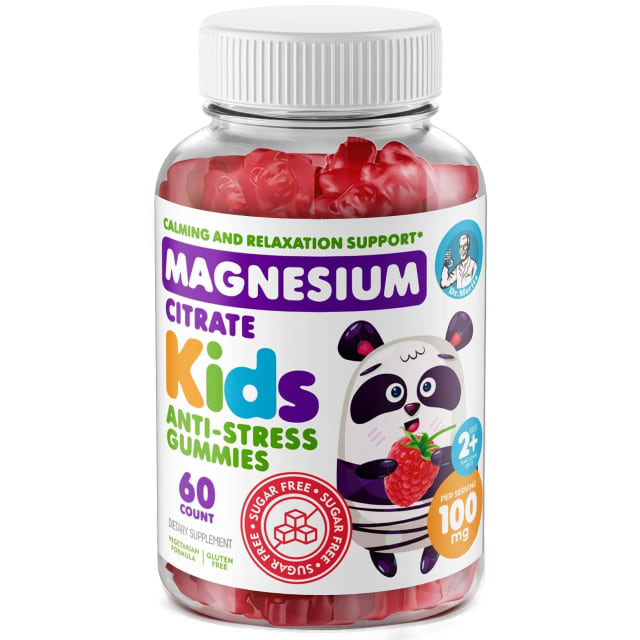
- Magnesium Citrate: This form is bound with citric acid. It has good bioavailability and is often used for both general supplementation and promoting bowel regularity. Magnesium citrate gummies are a common and effective option.
- Magnesium L-Threonate: A newer form that shows promise for crossing the blood-brain barrier, potentially offering targeted cognitive and mood support, though it is less common in gummy formats.
- Magnesium Oxide: A common but poorly absorbed form. It is often used in cheaper supplements and has a pronounced laxative effect. It is less ideal for systemic magnesium replenishment.
The Gummy Format: Pros and Cons
The gummy format transforms supplementation from a chore into a treat, but it comes with specific considerations.
Advantages:
- Palatability and Compliance: The pleasant taste and texture make it easier to stick to a supplement regimen, especially for those who dislike swallowing pills.
- Convenience: No water is strictly needed, making them easy to take on the go.
- Gentle on the Stomach: For many, gummies are easier to digest than some tablet forms.
Considerations:
- Added Ingredients: To achieve their texture and taste, gummies often contain sugars (like cane sugar, glucose syrup), gelatin or pectin, natural flavors, and colors. Those monitoring sugar intake or following specific diets (vegan, keto) should read labels carefully.
- Lower Dosage per Unit: Due to size constraints, each gummy typically contains a lower dose of magnesium (e.g., 50-100mg) compared to capsules, which may mean taking multiple gummies to reach an optimal dose.
- Potential for Overconsumption: Their candy-like appearance requires keeping them out of reach of children to prevent accidental overconsumption.
Are Magnesium Gummies Effective for Specific Benefits?
When formulated correctly, magnesium gummies can effectively deliver the mineral to address key areas of health.
1. For Calm and Stress Support
Magnesium acts as a gatekeeper for NMDA receptors in the brain, which are involved in neurological excitability. Adequate magnesium levels can help calm the nervous system and regulate the body's stress-response system (the HPA axis). Magnesium glycinate gummies, in particular, are excellent calm gummies, as the glycine component directly supports neurotransmitter balance for a relaxing effect.
2. For Sleep Support
Magnesium supports sleep through multiple pathways: by regulating melatonin, calming the nervous system, and relaxing muscles. Studies have shown magnesium supplementation can improve sleep quality, especially in those with deficiency. Taking sleep support gummies containing magnesium 30-60 minutes before bed can help signal to the body that it's time to wind down.
3. For Muscle Relaxation
Magnesium is a natural calcium blocker. When a muscle contracts, calcium flows in; to relax, magnesium must flow in to push the calcium out. A deficiency can lead to muscle cramps, twitches, and tension. Supplementing with muscle relaxation gummies can help restore this balance, aiding post-exercise recovery and reducing nighttime leg cramps.
4. For General Well-being
By supporting energy production, nerve function, and bone health, consistent magnesium supplementation can contribute to an overall sense of vitality and well-being, filling a potential nutritional gap in the modern diet.
How to Choose an Effective Magnesium Gummy: A Buyer's Guide
To ensure you select a product that is both effective and high-quality, consider this checklist:
1. Prioritize the Magnesium Form. Look for magnesium glycinate (bisglycinate) or magnesium citrate as the primary source. Avoid products that only list "magnesium" without specifying the form, or that rely heavily on magnesium oxide.
2. Check the Elemental Magnesium Dose. The label should clearly state the amount of elemental magnesium per serving. A typical serving for supplementation ranges from 100mg to 200mg. Compare the number of gummies required to reach a meaningful dose.
3. Scrutinize the Ingredient List.
- Sweeteners: Opt for gummies sweetened with natural sources like organic cane sugar, fruit juice, or stevia if you prefer to limit sugar.
- Gelling Agents: Gelatin (animal-based) or pectin (plant-based, suitable for vegans).
- Additives: Choose brands with minimal artificial flavors, colors, or preservatives.
4. Look for Third-Party Testing. Certifications from independent labs (like USP, NSF, or ConsumerLab) verify that the product contains what it claims and is free from contaminants like heavy metals. This is a hallmark of a reputable brand.
5. Consider Your Dietary Needs. Select vegan, gluten-free, or non-GMO gummies if these factors are important to you.
Comparison of Common Magnesium Forms in Supplements
| Magnesium Form | Bioavailability | Primary Best Use | Common Side Effect | Common in Gummies? |
|---|---|---|---|---|
| Magnesium Glycinate | High | Sleep, Calm, Anxiety, General Deficiency | Minimal (gentlest) | Yes, in higher-quality products |
| Magnesium Citrate | Moderate to High | General Deficiency, Occasional Constipation | Mild laxative effect in higher doses | Yes, very common |
| Magnesium L-Threonate | High (for brain) | Cognitive Function, Memory, Mood | Minimal | Less common |
| Magnesium Malate | Moderate | Fatigue, Muscle Pain, Energy | Mild digestive upset | Rare |
| Magnesium Oxide | Low | Occasional Constipation | Strong laxative effect, digestive upset | Sometimes (aim to avoid) |
| Magnesium Chloride | High | Topical application (oils, baths), General | Skin tingling (topical) | No |
Practical Advice for Taking Magnesium Gummies
Dosing: Always start with the manufacturer's recommended dose, typically 1-2 gummies. It is often advisable to begin with a lower dose to assess tolerance. The Recommended Dietary Allowance (RDA) for adults is 310-420 mg, but a supplement dose can vary based on individual needs and dietary intake. Consulting a healthcare provider for personalized advice is recommended.
Timing for Maximum Effect:
- For Sleep: Take your sleep support gummies 30-60 minutes before bedtime.
- For Calm/Stress: Take calm gummies with an evening meal or as needed during periods of high stress.
- For Muscle Recovery: Take muscle relaxation gummies after exercise or with dinner.
Consistency is Key: Magnesium levels build over time. For chronic issues like sleep quality or muscle tension, regular daily use for several weeks is often necessary to notice significant benefits.
What to Pair Them With: Magnesium works synergistically with other nutrients. Vitamin D enhances magnesium absorption, while magnesium is necessary to activate vitamin D. Many find taking them together beneficial. Potassium is another crucial partner for electrolyte balance.
Potential Side Effects and Considerations
While generally safe, magnesium gummies can cause side effects, especially if taken in excess.
- Digestive Issues: High doses can cause diarrhea, cramping, or nausea. This is more common with magnesium citrate and oxide.
- Interactions: Magnesium can interact with certain medications, including some antibiotics, bisphosphonates, and diuretics. It's essential to space magnesium supplementation at least 2 hours apart from these medications.
- Underlying Conditions: Individuals with kidney disease should not take magnesium supplements without direct medical supervision, as impaired kidneys may not excrete excess magnesium properly.
Always disclose all supplements to your healthcare provider.
Frequently Asked Questions (FAQ)
Q1: Can I get enough magnesium from food alone? A: It is possible, but many find it challenging. Magnesium-rich foods include leafy greens (spinach, kale), nuts and seeds (almonds, pumpkin seeds), legumes, avocados, and whole grains. However, modern farming and food processing can deplete magnesium content, making supplementation a practical option for many.
Q2: How long does it take for magnesium gummies to work for sleep? A: Effects can vary. Some people notice improved sleep within a few days, especially if deficiency was a contributing factor. For more established sleep issues, it may take 3-4 weeks of consistent use to observe substantial changes in sleep quality and duration.
Q3: Are magnesium gummies suitable for children? A: Some brands offer specific formulations for children. However, you should never give adult supplements to a child. Always consult a pediatrician before starting any child on a magnesium supplement to determine appropriateness and correct dosage.
Q4: Can I take magnesium gummies every day? A: Yes, for most healthy adults, daily use is safe and often recommended to maintain optimal levels. It is best to follow the dosage on the label and consider cycling (e.g., taking a break one week per month) if advised by a healthcare professional.
Q5: What’s the difference between magnesium gummies and other forms like powders or capsules? A: The core mineral is the same. The differences are in delivery, dosage, and added ingredients. Capsules and powders often contain higher doses per serving and fewer fillers but lack the taste and convenience of gummies. Gummies prioritize compliance and palatability.
Q6: Do magnesium gummies have a laxative effect? A: It depends on the form and dose. Magnesium citrate gummies are more likely to have a mild laxative effect, especially at higher doses. Magnesium glycinate gummies are typically less laxative and are considered gentler on the digestive system.
Conclusion: A Sweet Path to Wellness?
So, are magnesium gummies effective? The evidence indicates a resounding "yes"—with important caveats. Their effectiveness is directly tied to the quality of their ingredients, specifically the bioavailability of the magnesium compound used. For individuals seeking a tasty, convenient, and gentle way to support calm, sleep, and muscle relaxation, a well-chosen magnesium gummy can be an excellent tool.
The key is to be an informed consumer. Look beyond the appealing packaging and focus on the supplement facts panel: choose magnesium glycinate gummies or magnesium citrate gummies from transparent brands that prioritize purity and potency. By doing so, you can turn this simple daily habit into a genuinely effective strategy for supporting your overall health and well-being, one delicious gummy at a time. As with any supplement, pairing it with a balanced diet and healthy lifestyle will yield the best results.
Affiliate Disclosure
Gummy.mom may earn a commission from purchases made through links on this page. This helps support our research and content creation. We only recommend products we genuinely believe in and have thoroughly researched.