Magnesium Gummies for Sleep: Your Comprehensive Guide to Better Rest
Tossing and turning, watching the clock, and waking up feeling unrested—poor sleep is a common struggle that can impact every aspect of life. In the search for natural sleep support, magnesium has emerged as a star nutrient, and its most palatable form, magnesium gummies, has soared in popularity. But do these chewy supplements live up to the hype? This comprehensive guide delves into the science, benefits, and practical considerations of using magnesium gummies for sleep, providing the information needed to make an informed decision.
Understanding Magnesium: The Master Mineral
Magnesium is an essential mineral involved in over 300 biochemical reactions in the human body. It acts as a cofactor for enzymes regulating everything from energy production and DNA synthesis to nerve function and blood pressure. Despite its critical importance, modern diets—high in processed foods and low in whole foods like leafy greens, nuts, and legumes—often lead to suboptimal intake. This has made magnesium supplementation a focus for those seeking to support overall wellness, with sleep being a primary area of interest.
How Magnesium Influences Sleep: The Science of Relaxation
The connection between magnesium and sleep isn't just anecdotal; it's grounded in physiology. Magnesium supports sleep through several key mechanisms:
- Nervous System Regulation: Magnesium plays a crucial role in regulating neurotransmitters, which send signals throughout the brain and nervous system. It helps activate the parasympathetic nervous system, which is responsible for the "rest and digest" state, promoting calmness and relaxation.
- GABA Production: Magnesium binds to and activates GABA receptors in the brain. GABA (gamma-aminobutyric acid) is a neurotransmitter that slows down nerve activity. It acts as a natural tranquilizer, quieting the mind and making it easier to fall asleep. Low magnesium levels can impair GABA function.
- Melatonin Modulation: While not a direct precursor, magnesium supports the healthy regulation of the sleep-wake cycle and influences the production of melatonin, the hormone that signals to the body that it's time for sleep.
- Muscle Relaxation: Magnesium helps regulate calcium flow in nerve and muscle cells. Calcium stimulates muscle contraction, while magnesium counteracts it, allowing muscles to relax. This physical relaxation is often a key factor in achieving comfortable, uninterrupted sleep.
- Stress Hormone Regulation: Magnesium helps keep the body's stress-response system, the HPA axis, in check. It can moderate the release of stress hormones like cortisol, which, when elevated at night, can interfere with the ability to fall and stay asleep.
Why Choose Gummies? The Appeal of Magnesium Gummies
While magnesium comes in many forms—including capsules, powders, and topical oils—gummies offer distinct advantages that explain their popularity.
- Palatability: For those who dislike swallowing pills or find powdered supplements chalky, gummies provide a pleasant, often fruity, alternative that makes daily supplementation easy.
- Convenience: They are portable, require no water for swallowing, and are easy to incorporate into a nightly routine.
- Gentle on the Stomach: Certain forms of magnesium, like oxide, are known for their laxative effect. Gummies often use better-absorbed, gentler forms, which can minimize digestive upset for many users.
However, it's important to note that gummies also have limitations. They may contain added sugars, colors, or fillers, and the dosage per gummy can be lower than what’s available in capsule form, sometimes requiring multiple gummies to reach an effective dose.
Key Benefits of Magnesium Gummies for Sleep and Beyond
While sleep support is a leading reason people turn to magnesium gummies, the benefits of this mineral are wide-ranging.
1. Enhanced Sleep Quality and Onset
By supporting the pathways to relaxation outlined above, magnesium gummies can help individuals fall asleep more easily and experience deeper, less fragmented sleep. Users often report waking up feeling more refreshed.
2. Promotion of Relaxation and Stress Relief
The mineral's role in calming the nervous system and modulating stress hormones makes it a valuable tool for managing daily stress and anxiety, creating a mental state more conducive to sleep.
3. Support for Muscle Recovery and Relaxation
For active individuals or those with muscle tension, magnesium’s natural muscle-relaxing properties can ease soreness and reduce nighttime cramping or restless legs, removing physical barriers to sleep.
4. Contribution to Bone Health
Magnesium is vital for bone formation and influences the activity of osteoblasts and osteoclasts (bone-building and bone-resorbing cells). It also helps regulate calcium and vitamin D levels, two other critical nutrients for bone density.
5. General Wellness Support
From energy production and protein synthesis to normal heart rhythm and nerve function, adequate magnesium levels underpin numerous aspects of daily health and vitality.
Choosing the Right Magnesium Gummy: Forms and Ingredients
Not all magnesium is created equal. The "type" of magnesium, or its compound form, dictates how well it's absorbed (bioavailability) and its primary effects. When shopping for sleep-supportive gummies, two forms stand out.
Magnesium Glycinate: The Gold Standard for Sleep
This form is magnesium bound to the amino acid glycine. Glycine itself is a calming neurotransmitter that can promote sleepiness and lower core body temperature. The combination is exceptionally bioavailable and gentle on the stomach. Magnesium glycinate is widely regarded as the best form for sleep, anxiety relief, and overall relaxation with minimal laxative effect.
Magnesium Citrate: A Balanced Option
Magnesium citrate is magnesium bound to citric acid. It has good bioavailability and is often used for general supplementation. It has a more pronounced relaxing effect on the bowels than glycinate, which can be beneficial for some but may be less ideal for those solely seeking sleep support if taken too close to bedtime.
Other Forms You Might See:
- Magnesium Oxide: Often used in cheap supplements, it has very low bioavailability and is primarily used as a short-term laxative. It is not recommended for targeted sleep support.
- Magnesium L-Threonate: A newer form that may effectively cross the blood-brain barrier, with research focusing on cognitive and memory support.
Comparison of Common Magnesium Forms in Supplements
| Form | Bioavailability | Primary Best Use | Notes for Sleep |
|---|---|---|---|
| Magnesium Glycinate | High | Sleep, Anxiety, Relaxation | Excellent choice. Gentle, highly absorbable, and glycine adds calming benefits. |
| Magnesium Citrate | Moderate to High | General Supplementation, Occasional Constipation | A good general option. May have a mild laxative effect for some. |
| Magnesium Oxide | Very Low | Short-term laxative | Poor choice for sleep. Not well absorbed; mainly works in the gut. |
| Magnesium L-Threonate | High (in brain) | Cognitive Function, Memory | Emerging research on brain health. Less direct evidence for sleep than glycinate. |
What to Look for on the Label
- Type of Magnesium: Prioritize products featuring magnesium glycinate (sometimes listed as "magnesium bisglycinate" or "magnesium glycinate chelate").
- Elemental Magnesium: This is the actual amount of pure magnesium in the serving. A gummy might contain 1000mg of "magnesium glycinate" but only 150mg of "elemental magnesium." Check the Supplement Facts panel for this number.
- Sugar Content: Opt for gummies sweetened with natural sources like organic cane sugar, tapioca syrup, or stevia, and be mindful of the grams per serving.
- Third-Party Testing: Look for seals from independent labs (e.g., NSF, USP, Informed-Choice) that verify purity, potency, and the absence of contaminants.
- Other Sleep-Supportive Ingredients: Some formulas include complementary nutrients like L-Theanine, melatonin (in low doses), or herbal extracts (chamomile, lemon balm). Evaluate if these align with your needs.
Practical Advice: Dosing, Timing, and Safety
Recommended Dosage for Sleep
The Recommended Dietary Allowance (RDA) for magnesium is 310-420 mg per day for adults, depending on age and gender. Since diet provides some magnesium, a supplemental dose for sleep often ranges from 150 mg to 300 mg of elemental magnesium taken about 30-60 minutes before bedtime. It is always advisable to start at the lower end of this range to assess tolerance.
Optimal Timing for Maximum Benefit
For sleep purposes, taking magnesium gummies 30 to 60 minutes before bed allows time for the mineral to be absorbed and begin its calming work on the nervous system and muscles. Incorporating them into a consistent wind-down routine—alongside activities like reading or gentle stretching—can enhance their effect.
Important Considerations and Potential Side Effects
Magnesium is generally well-tolerated, especially in the glycinate form, but considerations exist.
- Digestive Effects: High doses, particularly from forms like citrate or oxide, can cause diarrhea, cramping, or nausea. Starting with a low dose mitigates this risk.
- Medication Interactions: Magnesium can interfere with the absorption of certain medications, including some antibiotics, bisphosphonates (for osteoporosis), and diuretics. A gap of 2-4 hours between the supplement and medication is often recommended.
- Kidney Function: Individuals with impaired kidney function should consult a doctor before taking magnesium supplements, as the kidneys regulate magnesium excretion.
- Underlying Deficiency: While helpful, a supplement may not resolve sleep issues caused by other underlying conditions like sleep apnea or chronic insomnia. Persistent sleep problems warrant a conversation with a healthcare provider.
Frequently Asked Questions (FAQ)
Q1: How long does it take for magnesium gummies to work for sleep? A: Effects can vary. Some people notice improved relaxation and sleep onset within a few days, while for others, it may take 2-4 weeks of consistent use to experience the full benefits, as the body corrects a mild deficiency.
Q2: Can I take magnesium gummies every night? A: Yes, magnesium gummies are designed for daily use. Consistency is key for maintaining optimal magnesium levels and supporting ongoing sleep quality. Always adhere to the recommended dosage on the product label.
Q3: Are there any side effects of taking magnesium gummies? A: When taken at recommended doses, especially in glycinate form, side effects are minimal. The most common issue, usually associated with higher doses or other forms like citrate, is digestive upset, including loose stools. Starting with a lower dose helps avoid this.
Q4: Can I take magnesium gummies with other sleep aids like melatonin? A: Many people combine them, as they work through different mechanisms. Magnesium promotes relaxation, while melatonin directly signals sleep timing. Some gummy products even combine them in one formula. However, it's prudent to start with one at a time or consult a healthcare provider, especially when introducing new supplements.
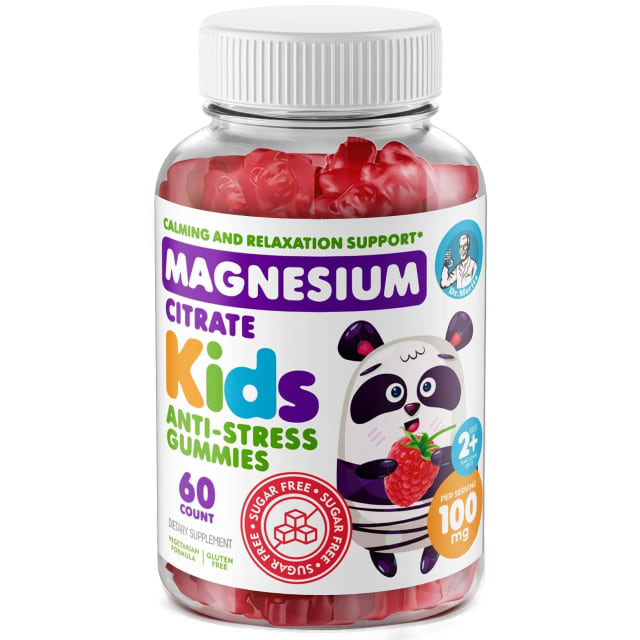
Q5: Are magnesium gummies suitable for children? A: Some magnesium gummies are formulated for children, but dosage is critical. A child's magnesium needs are significantly lower. Never give an adult-formulated supplement to a child. Always choose a product specifically designed for children and consult with a pediatrician first.
Q6: What's the difference between "magnesium" and "elemental magnesium" on the label? A: This is a crucial distinction. The compound name (e.g., magnesium glycinate) refers to the entire molecule. "Elemental magnesium" is the weight of the pure magnesium mineral within that compound. The Supplement Facts panel lists the elemental magnesium, which is the amount that contributes to your daily nutritional intake.
Conclusion: A Natural Path to Tranquil Nights
Magnesium gummies for sleep represent a convenient and effective tool for those seeking natural support for relaxation and rest. By understanding the science behind magnesium—particularly the superior sleep benefits of the glycinate form—and making informed choices about dosage, timing, and product quality, individuals can confidently incorporate these supplements into a holistic approach to sleep hygiene.
The journey to better sleep often involves multiple steps: creating a dark, cool sleep environment, establishing a regular schedule, managing stress, and addressing diet. For many, a high-quality magnesium gummy can be a valuable, gentle piece of that puzzle, helping to calm both the mind and body for a more peaceful and restorative night's sleep. As with any supplement, listening to your body and consulting with a healthcare professional for personalized advice is the best strategy for long-term wellness.
Affiliate Disclosure
Gummy.mom may earn a commission from purchases made through links on this page. This helps support our research and content creation. We only recommend products we genuinely believe in and have thoroughly researched.