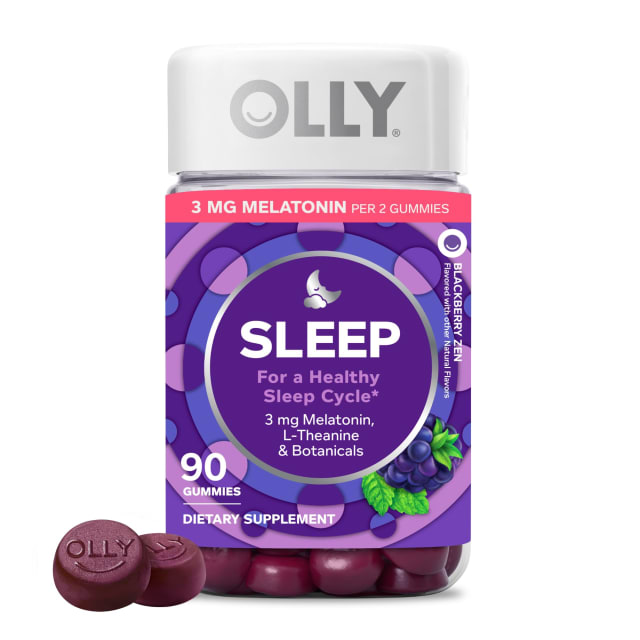
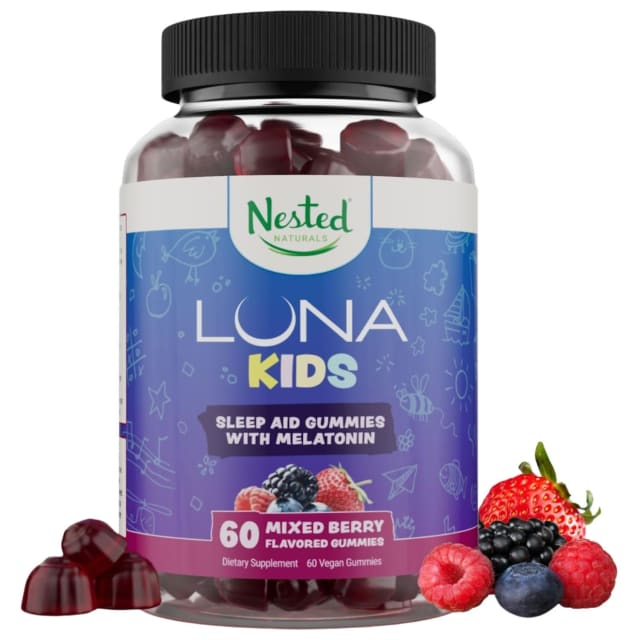
Are Melatonin Gummies Effective? A Comprehensive Guide to Natural Sleep Support
For millions struggling with occasional sleeplessness, the quest for a restful night often leads to the supplement aisle, where melatonin gummies have become a brightly colored, chewy phenomenon. Their popularity is undeniable, but it raises a critical question: are melatonin gummies effective? The answer is nuanced. When used correctly for the right reasons, melatonin gummies can be a highly effective tool for managing certain sleep issues. However, their effectiveness hinges on understanding what melatonin is, how it works, and the importance of responsible use. This comprehensive guide delves into the science, benefits, considerations, and practical advice for using these popular sleep aid gummies.
Understanding Melatonin: Your Body's Internal Sleep Signal
Before assessing the gummies, it's essential to understand the hormone they contain. Melatonin is naturally produced by the pineal gland in the brain. Its primary function is to regulate the body's circadian rhythm—the internal 24-hour clock that dictates sleep-wake cycles.
As evening approaches and light exposure decreases, melatonin production increases, signaling to the body that it's time to prepare for sleep. Levels typically peak in the middle of the night and then gradually fall by morning. This hormone doesn't "knock you out" like a sedative; instead, it promotes drowsiness and facilitates the onset of sleep by aligning your physiology with the nighttime.
Synthetic or plant-derived melatonin used in supplements is bioidentical to the body's own hormone. Melatonin gummies aim to supplement this natural process, providing an external source to help reinforce the body's sleep signal.
The Science Behind Melatonin Gummies: How They Work
The effectiveness of any melatonin supplement, including gummies, is supported by a substantial body of research for specific scenarios.
Jet Lag: This is one of the most well-evidenced uses for melatonin. Multiple studies confirm that taking melatonin close to the target bedtime at the destination can significantly reduce the time it takes to fall asleep and help realign the circadian rhythm after crossing time zones.
Delayed Sleep-Wake Phase Disorder (DSWPD): For individuals whose natural sleep cycle is significantly shifted later (e.g., falling asleep at 2 AM and waking at 10 AM), melatonin is a first-line treatment. Taking it 1-2 hours before a desired, earlier bedtime can help advance the sleep phase.
Occasional Sleeplessness: For adults with transient insomnia, particularly related to circadian rhythm disruptions, research shows melatonin can modestly reduce the time it takes to fall asleep (sleep latency).
Children with Neurodevelopmental Disorders: Under pediatrician guidance, melatonin is often used to help manage severe sleep disturbances in children with conditions like ADHD or autism spectrum disorder.
The gummy format itself doesn't change melatonin's pharmacological action. However, it can influence effectiveness through:
- Absorption: Gummies are absorbed through the digestive system. Taking them on an empty stomach may lead to faster absorption, while a full stomach can delay it.
- Compliance: The pleasant taste and format can improve adherence for those who dislike swallowing pills, which is a practical factor in effectiveness.
Key Benefits of Choosing Melatonin Gummies for Sleep
The shift toward sleep gummies isn't just a marketing trend; it offers several user-centric benefits that contribute to their perceived effectiveness.
- Natural Sleep Support: For those seeking a non-prescription, hormone-based approach to sleep, melatonin gummies offer natural sleep support. They work with the body's existing sleep-wake biology rather than suppressing the central nervous system.
- Ease of Use and Palatability: The chewable, often tasty format eliminates the need for water and is easier for individuals who have difficulty with pills. This makes the bedtime routine simpler and more pleasant.
- Precise Dosing: Most gummies come in set, low-dose increments (like 1mg, 2.5mg, or 5mg per gummy), allowing for easy and precise dosage management.
- Portability and Discretion: Gummy bottles are easy to pack for travel, helping maintain a sleep routine while away from home—a time when sleep is often most disrupted.
- Rapid Onset: When taken correctly, the effects of melatonin typically begin within 20-40 minutes, helping users time their sleep onset effectively.
Critical Factors That Determine Effectiveness
Not all melatonin gummies are used equally. Their success depends heavily on these actionable factors:
1. Dosage: Less is Often More
A major misconception is that a higher dose equals better sleep. The body typically produces the equivalent of about 0.1-0.5 mg per night. Many sleep aid gummies on the market contain 5mg or 10mg, which is substantially higher.
Practical Advice: It is generally recommended to start with the lowest effective dose, often between 0.5mg and 3mg. Starting low minimizes the risk of side effects like morning grogginess and allows the body to respond to a physiological, not pharmacological, level. If a low dose is ineffective after a few nights, a slight increase can be considered.
2. Timing: The Golden Rule
Timing is arguably more critical than dosage. Taking melatonin too early or too late can misalign your rhythm or cause grogginess.
Practical Advice: Take your melatonin for sleep 30 to 60 minutes before your desired bedtime. This mimics the natural rise of endogenous melatonin. For jet lag, take it at the target bedtime of your new time zone.
3. What to Look for in a Quality Product
The supplement market is varied. Seeking out reputable products increases the likelihood of effectiveness and safety.
- Third-Party Testing: Look for gummies certified by independent labs (like USP, NSF, or ConsumerLab). This verifies that the product contains the advertised amount of melatonin and is free from contaminants.
- Clean Ingredients: Opt for gummies with minimal artificial colors, flavors, and sweeteners. Some are made with natural fruit juices and colors.
- Additional Supportive Ingredients: Some natural sleep gummies include complementary ingredients like:
- L-Theanine: An amino acid that promotes relaxation.
- Magnesium: A mineral involved in muscle relaxation and nervous system regulation.
- Chamomile or Lemon Balm: Herbal extracts with traditional use for calming.
- Sugar Content: Be mindful of sugar or sugar alcohol content, especially if taking them nightly.
Comparison: Melatonin Gummies vs. Other Formats
| Feature | Melatonin Gummies | Melatonin Tablets/Capsules | Prescription Sleep Aids |
|---|---|---|---|
| Mechanism | Circadian rhythm regulator | Circadian rhythm regulator | Typically CNS depressants (sedatives) |
| Onset of Action | 20-40 minutes | 20-60 minutes | Varies; often rapid |
| Primary Use | Sleep onset, rhythm reset | Sleep onset, rhythm reset | Insomnia maintenance & onset |
| Risk of Dependency | Very Low | Very Low | Moderate to High |
| Morning Grogginess | Possible (dose-dependent) | Possible (dose-dependent) | Common |
| Ease of Use | High (no water, palatable) | Moderate | Moderate |
| Dosing Precision | High (pre-dosed) | High | High |
Important Considerations and Potential Side Effects
While melatonin is generally well-tolerated, it is not without considerations. Responsible use is key to effectiveness and safety.
Potential Side Effects:
- Daytime Drowsiness: Overdosing or taking it too late can cause grogginess the next day.
- Vivid Dreams or Nightmares: Some users report more intense dreams.
- Headaches or Dizziness: These are less common but possible.
- Mild Nausea: Taking with a small snack may mitigate this.
Who Should Exercise Caution or Avoid:
- Pregnant or Breastfeeding Individuals: Due to limited safety data.
- Individuals with Autoimmune Diseases: Theoretical concerns exist, as melatonin can stimulate the immune system.
- People on Certain Medications: Especially blood thinners (warfarin), immunosuppressants, or diabetes medications. Consultation with a healthcare provider is crucial.
- Children and Adolescents: Use should only occur under the supervision of a pediatrician. Sleep issues in young people often have behavioral roots that should be addressed first.
The "Hangover" Effect: This typically results from a dose that is too high for the individual's needs. Returning to a lower dose or ensuring a full 7-8 hour sleep window often resolves it.
Building a Holistic Sleep Routine
Melatonin gummies are a tool, not a cure-all. Their effectiveness is magnified when combined with good sleep hygiene practices:
- Consistent Schedule: Go to bed and wake up at the same time every day, even on weekends.
- Optimize Your Environment: Ensure your bedroom is dark, quiet, and cool. Consider blackout curtains and white noise machines.
- Limit Blue Light: Avoid screens (phones, TVs, tablets) for at least 60 minutes before bed. The blue light they emit suppresses natural melatonin production.
- Wind Down: Develop a pre-sleep ritual—reading a book, taking a warm bath, or practicing light stretching.
- Monitor Caffeine and Alcohol: Avoid caffeine in the afternoon and evening. While alcohol may induce sleep, it severely disrupts sleep quality later in the night.
Frequently Asked Questions (FAQ)
Q1: Can I become dependent on melatonin gummies? A: Melatonin is not addictive in the way prescription sedatives can be. The body does not develop a tolerance requiring higher doses. However, a behavioral dependency can form if one relies solely on the gummy and neglects underlying sleep hygiene. It's best used as a short-term aid or for specific events like jet lag.
Q2: How long can I safely take melatonin gummies every night? A: There is no definitive long-term safety data for nightly use over many years. Most experts recommend using them intermittently—for a few weeks to reset a sleep schedule—or for specific, short-term needs. For chronic insomnia, a healthcare provider should be consulted to address root causes.
Q3: Why didn't the melatonin gummies work for me? A: Several reasons are possible: the dose may be incorrect (too high or too low), the timing may be off, your sleep issue may not be circadian-related (e.g., it could be due to anxiety, pain, or sleep apnea), or the product quality may be poor. Reviewing dosing, timing, and sleep hygiene is the first step.
Q4: Are melatonin gummies safe for children? A: They should never be given to a child without explicit guidance from a pediatrician. While sometimes recommended by doctors for specific childhood conditions, sleep problems in healthy children are often behavioral. A doctor can determine if melatonin is appropriate and provide the correct, child-safe dosage.
Q5: What's the difference between 1mg and 10mg gummies? A: The difference is the potency. A 10mg dose is a pharmacological dose, far exceeding what the body produces naturally. It is not necessarily more effective for sleep onset and significantly increases the risk of side effects like grogginess. Starting with a 1mg or 2.5mg gummy is a more physiological approach.
Q6: Can I take melatonin gummies if I wake up in the middle of the night? A: It is not generally recommended. Melatonin is for sleep onset. Taking it in the middle of the night can disrupt your circadian rhythm and lead to significant grogginess in the morning. If nighttime awakenings are a persistent problem, it's important to investigate other potential causes.
Final Verdict: Are Melatonin Gummies Effective?
Yes, melatonin gummies can be effective, but with important caveats. They are a scientifically supported option for managing circadian rhythm sleep disorders like jet lag and delayed sleep phase syndrome, and for providing occasional support for sleep onset insomnia.
Their effectiveness is not automatic. It is maximized by:
- Using a low to moderate dose (starting at 1-3mg).
- Taking them 30-60 minutes before a targeted bedtime.
- Choosing a quality, third-party tested product.
- Combining them with impeccable sleep hygiene practices.
For those seeking natural sleep gummies to help navigate shift work, travel, or occasional restless nights, they represent a valuable and generally safe tool. However, they are not a substitute for treating underlying medical sleep disorders or for building a sustainable, healthy sleep routine. As with any supplement, consulting with a healthcare provider before starting, especially for long-term use or if you have other health conditions, is the wisest course of action.
Affiliate Disclosure
Gummy.mom may earn a commission from purchases made through links on this page. This helps support our research and content creation. We only recommend products we genuinely believe in and have thoroughly researched.