The Ultimate Guide to the Best Melatonin Gummies for Sleep Support in 2024
For millions struggling with occasional sleeplessness, the quest for a good night's rest often leads to the supplement aisle. Among the various options, melatonin gummies have surged in popularity, offering a palatable and convenient way to support the body's natural sleep-wake cycle. This comprehensive guide delves into the world of melatonin gummies, providing the information needed to make an informed choice. It will explore how they work, what to look for, and the key considerations for safe and effective use.
Understanding Melatonin: Your Body's Sleep Signal
Before evaluating gummies, it's crucial to understand the substance at their core. Melatonin is a hormone naturally produced by the pineal gland in the brain. Its primary function is to regulate the circadian rhythm—the internal 24-hour clock that dictates feelings of sleepiness and wakefulness.
Production is triggered by darkness, signaling to the body that it's time to wind down. Conversely, light exposure (especially blue light from screens) suppresses its release. Supplemental melatonin is used to:
- Reinforce this natural signal, helping individuals fall asleep faster.
- Reset the internal clock in cases of jet lag or shift work disorder.
- Provide support for those with delayed sleep phase syndrome or general sleep cycle disruptions.
It is not a sedative. Instead, it acts as a chronobiotic—a substance that adjusts the timing of the biological clock—making it a unique tool for sleep support.
Why Choose Gummies? Benefits and Format Considerations
The rise of gummy supplements is no accident. They offer distinct advantages, particularly in the realm of natural sleep aids.
- Palatability and Consistency: The enjoyable taste and texture encourage consistent use, which is key for supplements intended for regular routine support.
- Ease of Use: They require no water, are easy to chew, and are often preferred by those who have difficulty swallowing pills.
- Pre-Dosed Convenience: Each gummy contains a precise dose, eliminating the need for measuring.
- Rapid Absorption: The chewable form may allow for quicker absorption through the mucous membranes in the mouth, though this can vary.
However, it's important to treat them as the supplements they are. They should be stored safely away from children, as their candy-like appearance can be misleading.
Key Evaluation Criteria for the Best Melatonin Gummies
Not all melatonin gummies are created equal. When comparing options, several critical factors should be examined.
1. Melatonin Dosage and Source
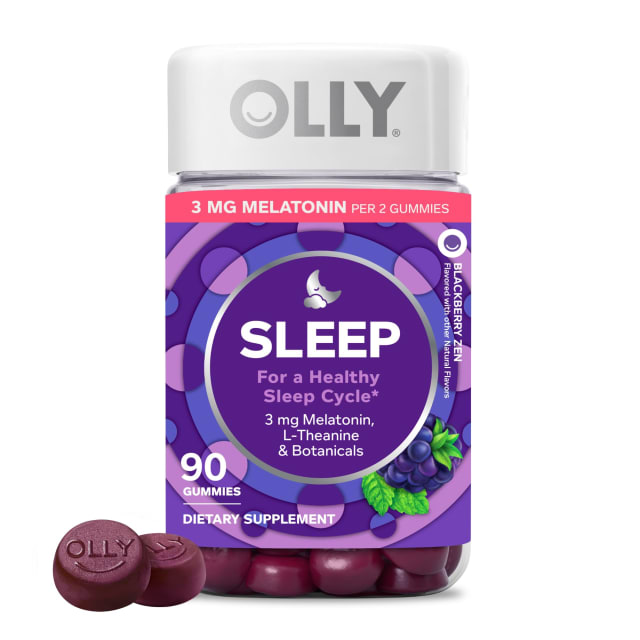
Dosage is the most important starting point. Gummies typically range from 1 mg to 10 mg per serving. A common misconception is that more is better. For circadian rhythm support, a lower dose (0.5 mg to 3 mg) is often just as effective, if not more so, than a higher one. Starting low and adjusting gradually is the recommended approach. The source of melatonin should be clearly stated, with many high-quality brands using USP-verified or pharmaceutical-grade melatonin for purity and accurate dosing.
2. Additional Sleep-Supporting Ingredients
Many of the best melatonin gummies are formulated with complementary botanicals and nutrients for a synergistic effect. Look for:
- L-Theanine: An amino acid found in green tea known to promote relaxation and reduce anxiety without drowsiness, creating a calm state conducive to sleep.
- Chamomile: A traditional herbal extract with mild sedative properties, often used in tea form to soothe nerves and support sleep onset.
- Lemon Balm & Passionflower: Herbs traditionally used to ease restlessness and mild anxiety.
- Magnesium: An essential mineral involved in hundreds of bodily processes, including muscle relaxation and nervous system regulation.
- GABA (Gamma-Aminobutyric Acid): A neurotransmitter that inhibits nerve activity, promoting calmness.
3. Sugar Content and Sweeteners
Since gummies are inherently a sweet format, examining the sugar content is essential. Some use significant amounts of cane sugar or corn syrup, while others utilize low-glycemic options like organic tapioca syrup, or sugar alcohols like xylitol. Sugar-free options are available but may contain artificial sweeteners. The goal is to find a balance where the gummy is palatable without undermining health goals or causing a potential blood sugar spike before bed.
4. Quality, Purity, and Third-Party Testing
This is non-negotiable. Reputable brands invest in third-party testing by independent labs (like NSF International, USP, or ConsumerLab.com). These tests verify:
- Potency: That the gummy contains the amount of melatonin and other ingredients listed on the label.
- Purity: That it is free from harmful levels of contaminants like heavy metals, pesticides, or microbes.
- Ingredient Integrity: Confirmation that no undeclared substances are present.
5. Brand Reputation and Transparency
Trustworthy companies are transparent about their sourcing, manufacturing processes (often following Good Manufacturing Practices, or GMP), and provide clear contact information. Customer reviews and a long-standing positive reputation in the wellness community are strong indicators of reliability.
Comparison of Common Melatonin Gummy Formulations
The table below outlines typical profiles to help identify which formulation might align with different sleep needs.
| Feature | Basic Melatonin Gummy | Relaxation-Blend Gummy | Jet Lag / Reset-Specific Gummy | Child-Friendly Gummy |
|---|---|---|---|---|
| Primary Goal | Simple sleep onset support | Relaxation & calming mind chatter | Rapid circadian rhythm reset | Gentle, low-dose support for kids |
| Typical Melatonin Dose | 3-5 mg | 2-3 mg | 3-5 mg (with clear timing instructions) | 1-2 mg (always consult a pediatrician) |
| Common Added Ingredients | None, or minor vitamins | L-Theanine, Chamomile, Lemon Balm | Often standalone or with B6 | May include calming herbs like chamomile |
| Sugar Profile | Varies widely | Often lower sugar, using natural sweeteners | Varies | Usually lower dose, careful sweetener selection |
| Best For | Those new to melatonin or who want a simple formula | Individuals with stress-related sleep issues or anxiety | Frequent travelers or shift workers | Children with occasional sleep difficulties (under doctor's guidance) |
How to Use Melatonin Gummies Effectively and Safely
Proper use is just as important as product selection.
- Timing is Critical: For help falling asleep faster, take the gummy 30 to 60 minutes before your desired bedtime. For jet lag relief, consult specific protocols—often involving taking melatonin at the destination's bedtime for several days before and after travel.
- Start with the Lowest Effective Dose: Begin with a 1 mg or 2.5 mg gummy. If after a few nights it's ineffective, a slight increase may be warranted. More is not always better and can increase the risk of side effects.
- Create a Sleep-Conducive Environment: Supplements are a tool, not a magic bullet. Pair them with good sleep hygiene: dim lights, disconnect from screens an hour before bed, ensure your room is cool and dark, and establish a consistent bedtime routine.
- Consistency for Reset: When using gummies to reset your cycle (for jet lag or irregular schedules), try to take them at the same time each night for several days to firmly signal the new bedtime to your brain.
Important Considerations and Potential Side Effects
While melatonin is generally well-tolerated for short-term use, it is not without considerations.
- Possible Side Effects: These can include daytime drowsiness, dizziness, headache, or mild nausea. These are often dose-related and subside with a lower dose or discontinued use.
- Interactions: Melatonin can interact with various medications, including blood thinners, immunosuppressants, diabetes medications, and contraceptives. A consultation with a healthcare provider is essential before starting, especially for those with underlying health conditions or who are pregnant/nursing.
- Not a Long-Term Solution: It is intended for occasional or short-term cycle support. Persistent insomnia should be evaluated by a doctor to rule out underlying causes like sleep apnea, anxiety, or other medical conditions.
- "Morning Hangover" Effect: This feeling of grogginess upon waking is usually a sign the dose is too high or was taken too late in the night.
Frequently Asked Questions (FAQ)
Q: Are melatonin gummies safe for daily use? A: While safe for many in the short-term (a few weeks to a few months), they are not typically intended for indefinite daily use. The body can adjust to external melatonin. It's best used situationally (for stress, travel) or in short cycles to re-establish a routine. Long-term use should be discussed with a healthcare provider.
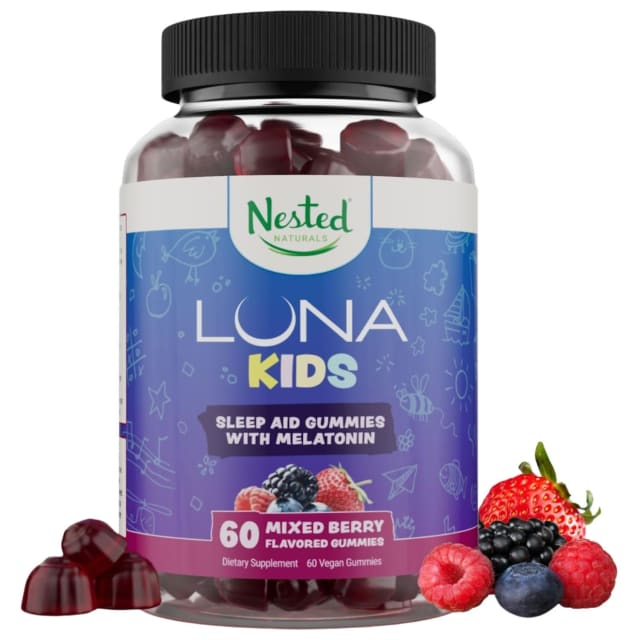
Q: Can I give melatonin gummies to my child? A: Melatonin can be used for children under specific circumstances, such as ADHD-related sleep issues or autism spectrum disorders, but only under the direct guidance and supervision of a pediatrician. Dosage is critical and based on weight. Never give an adult-formulated gummy to a child.
Q: Why didn't the gummies work for me? A: Several reasons are possible: the dose may be incorrect (too high or too low), timing may be off, an underlying sleep disorder may be present, or lifestyle factors (caffeine, screen time, stress) may be overpowering the supplement's effect. Review timing and dose first, and consider a healthcare consultation if sleep problems persist.
Q: What's the difference between melatonin and other sleep aids like diphenhydramine? A: They work via completely different mechanisms. Melatonin is a hormone that regulates timing. Diphenhydramine (found in many OTC sleep pills) is an antihistamine with sedative side effects. It can cause more significant next-day drowsiness, dry mouth, and has a higher risk of tolerance and "rebound insomnia."
Q: Can I become dependent on melatonin gummies? A: Melatonin is not considered addictive in the classic sense. However, some individuals may develop a psychological reliance on them for sleep. To avoid this, use them intermittently and focus on building strong, independent sleep habits through consistent routines and good sleep hygiene.
Q: Do "vegan" or "gelatin-free" gummies work as well? A: Yes, efficacy is based on the active ingredients (melatonin, L-Theanine, etc.), not the gelling agent. Vegan gummies use pectin from fruit instead of gelatin (derived from animals). They work identically in terms of absorption and effect.
Making Your Final Choice
Finding the best melatonin gummies is a personal journey that balances science with individual need. The ideal product is one that offers a sensible dose of high-quality melatonin, includes supportive ingredients like L-Theanine or chamomile if needed, is backed by rigorous third-party testing, and fits into a holistic approach to sleep quality.
By prioritizing quality and transparency over marketing hype, and by using the supplement wisely as part of a broader commitment to sleep health, these gummies can be an effective tool for achieving more restful nights and more energized days. Always remember that the foundation of good sleep is a healthy lifestyle; supplements are there to support, not replace, that foundation.
Affiliate Disclosure
Gummy.mom may earn a commission from purchases made through links on this page. This helps support our research and content creation. We only recommend products we genuinely believe in and have thoroughly researched.