Melatonin Gummies vs Tablets: A Complete Guide to Choosing Your Sleep Support
Struggling to decide between melatonin gummies and traditional tablets? You're not alone. As one of the most popular over-the-counter sleep aids, melatonin comes in various forms, each with its own set of advantages. This comprehensive guide breaks down the key differences between melatonin gummies and tablets, examining everything from absorption and convenience to taste and value. The goal is to provide clear, actionable information to help anyone researching their options make an informed choice that best suits their lifestyle and sleep needs.
Understanding Melatonin: Your Body's Sleep Signal
Before comparing forms, it's essential to understand what melatonin is and what it does. Melatonin is a hormone naturally produced by the pineal gland in the brain. Its primary role is to regulate the sleep-wake cycle, also known as the circadian rhythm. Production increases in response to darkness, signaling to the body that it's time to prepare for sleep.
Supplemental melatonin is used to support this natural process in specific situations. It's not a sedative but rather a chronobiotic—a substance that shifts the timing of the circadian clock. This makes it particularly useful for addressing issues related to timing, such as jet lag, shift work disorder, or delayed sleep phase syndrome. For general sleep support, it can help signal to the body that it's time to wind down, potentially helping individuals fall asleep faster.
The Rise of Melatonin Gummies
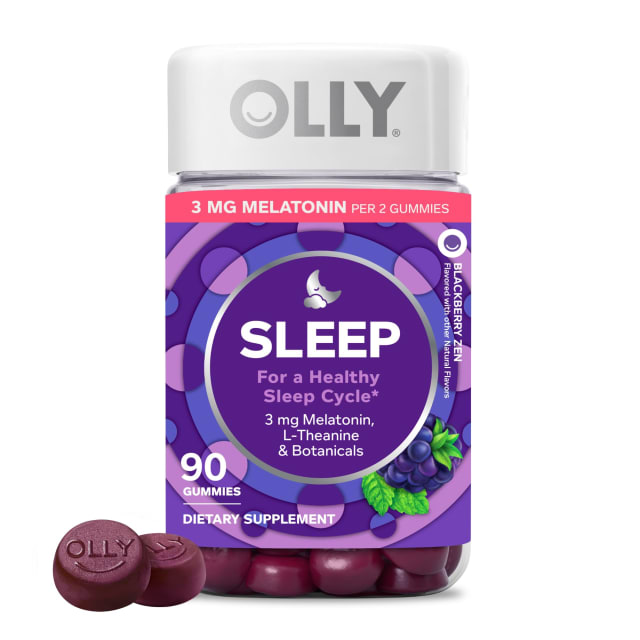
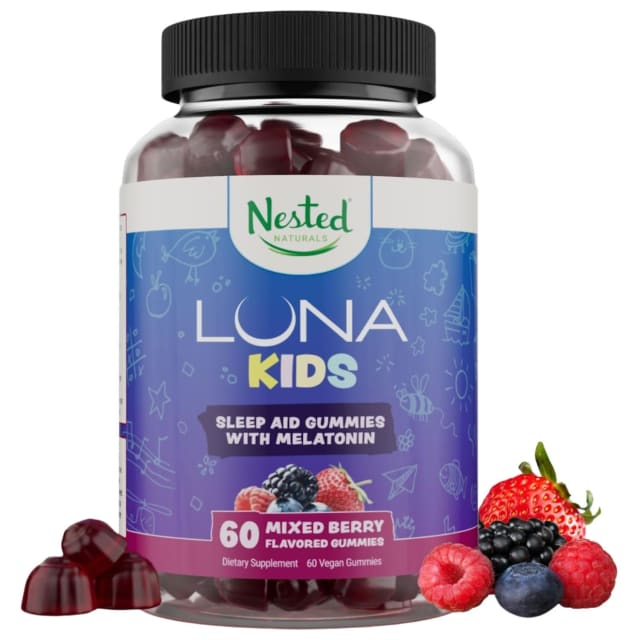
Melatonin gummies have surged in popularity, becoming a dominant form in the supplement aisle. Their appeal is multifaceted, combining ease of use with a more enjoyable consumption experience.
Key Benefits of Melatonin Gummies
- Sleep Support & Falling Asleep Faster: By providing exogenous melatonin, gummies help reinforce the body's natural sleep signal, which can be particularly helpful for those with irregular schedules or occasional sleeplessness.
- Taste and Enjoyability: Unlike many tablets, gummies come in a variety of appealing flavors like berry, citrus, or cherry, making them a more palatable option, especially for those who dislike swallowing pills.
- Ease of Use: They require no water and are easy to chew, which is a significant advantage for individuals who have difficulty swallowing tablets or capsules.
- Perceived Gentleness: The gummy format is often perceived as a softer, more approachable form of supplementation.
- Jet Lag Relief: Their portability and ease of use make gummies a convenient travel companion for quickly adapting to new time zones.
- Formulation Flexibility: Many gummy formulas combine melatonin with other natural sleep-promoting ingredients like L-theanine (an amino acid that promotes relaxation) or chamomile extract, offering a more comprehensive approach to relaxation and sleep quality.
Considerations for Melatonin Gummies
- Added Ingredients: To achieve their texture and taste, gummies often contain added sugars, gelatin or pectin, colorings, and flavorings. It's crucial to check the label if you have dietary restrictions or are monitoring sugar intake.
- Dosing Precision: Gummies can sometimes have slight variations in melatonin content per piece, though reputable manufacturers ensure consistency through rigorous testing.
- Potential for Overconsumption: Their candy-like appearance and taste require responsible storage, especially in households with children, to prevent accidental overconsumption.
- Stability: Gummies can be more susceptible to melting or sticking together if exposed to heat or humidity.
The Staple: Traditional Melatonin Tablets
Melatonin tablets (and capsules) are the traditional and often more clinical form of the supplement. They remain a reliable and widely used option.
Key Benefits of Melatonin Tablets
- Potency and Purity: Tablets often contain fewer fillers and additives than gummies, focusing primarily on delivering the active ingredient. This can be preferable for individuals with sensitivities.
- Cost-Effectiveness: Generally, tablets are less expensive per milligram of melatonin than gummies, making them a more economical choice for long-term use.
- Dosing Consistency: Tablets are manufactured to have very precise dosing in each unit, offering reliable consistency.
- Longer Shelf Life: They are typically less prone to degradation from environmental factors like humidity.
- Dietary Flexibility: Many tablets are free from common allergens like gluten, soy, and dairy, and sugar-free options are widely available.
- Rapid Dissolution: Some tablets are designed as fast-dissolve or sublingual (under-the-tongue) varieties, which may allow for quicker absorption into the bloodstream.
Considerations for Melatonin Tablets
- Swallowing Difficulty: For some adults and many children, swallowing pills can be challenging or unpleasant.
- Taste: While coated tablets mitigate this, some standard tablets can have a bitter aftertaste if they begin to dissolve in the mouth.
- Perception: They can feel more "medicinal" and less approachable than a gummy format.
Head-to-Head Comparison: Melatonin Gummies vs Tablets
The following table provides a clear, side-by-side look at the core differences to help guide the decision-making process.
| Feature | Melatonin Gummies | Melatonin Tablets |
|---|---|---|
| Primary Appeal | Taste, ease of use, no swallowing required | Potency, cost-effectiveness, minimal additives |
| Typical Ingredients | Melatonin, sugars/syrups, gelatin/pectin, flavors, colors, sometimes L-theanine or chamomile | Melatonin, binders, fillers, disintegrants (often simpler formulas) |
| Absorption Speed | Generally good; must be chewed and digested | Good; standard tablets must be digested. Fast-dissolve/sublingual may be faster. |
| Ease of Ingestion | Excellent; ideal for pill-averse individuals | Can be difficult for those with swallow challenges |
| Taste | Pleasant, flavored | Often neutral or bitter if not coated |
| Cost | Typically higher per dose | Typically lower per dose |
| Best For | Those who dislike pills, children (with pediatrician approval), travel, taste-sensitive users | Budget-conscious users, those preferring minimal ingredients, long-term use |
| Dietary Considerations | May contain sugar, gelatin; check for allergens | Often more sugar-free, vegan, and allergen-free options available |
How to Choose: Which Form is Right for You?
The best choice depends entirely on individual priorities, lifestyle, and health considerations.
Choose Melatonin Gummies if:
- You or your child (under a doctor's guidance) has difficulty swallowing pills.
- Taste is a significant factor in your ability to consistently take a supplement.
- You value portability and convenience (no water needed).
- You prefer a formula that includes complementary ingredients like L-theanine for relaxation or chamomile for a broader natural sleep approach.
- The experience of taking a supplement is important to you, making a nightly routine more pleasant.
Choose Melatonin Tablets if:
- You are looking for the most cost-effective option for regular use.
- You want to avoid added sugars, artificial flavors, or colors.
- You have specific dietary restrictions (vegan, gluten-free, etc.) that are easier to meet with a tablet formula.
- You prefer a no-frills, straightforward delivery of melatonin.
- You need a stable form with a long shelf life.
Essential Usage Tips for Both Forms
Regardless of the format you choose, proper use is critical for safety and effectiveness.
- Start Low, Go Slow: The effective dose of melatonin is often much lower than people assume. A common starting dose for sleep support is 0.5 mg to 1 mg, taken 30-60 minutes before bedtime. It is advisable to start at the lowest possible dose and increase only if necessary, under the guidance of a healthcare provider.
- Timing is Everything: Take melatonin 30 to 60 minutes before your desired bedtime. This mimics the body's natural rise in melatonin and helps signal that sleep time is approaching. For jet lag relief, specific protocols (taking it at the destination bedtime before and after travel) are recommended.
- Create a Sleep-Conducive Environment: Melatonin is a signal, not a knockout pill. For the best results, pair it with good sleep hygiene: dim the lights, avoid screens, and ensure your bedroom is dark, cool, and quiet.
- Consistency for Circadian Issues: If using melatonin to reset your circadian rhythm (e.g., for shift work or jet lag), consistent timing is more important than for occasional use.
- Look for Third-Party Testing: Choose brands that are verified by independent third-party organizations (like USP, NSF, or ConsumerLab). This ensures the product contains the amount of melatonin listed on the label and is free from contaminants.
- Understand Potential Side Effects: While generally well-tolerated, some people may experience drowsiness the next day, headaches, dizziness, or vivid dreams. It's important not to operate vehicles or machinery after taking melatonin until you know how it affects you.
Frequently Asked Questions (FAQ)
Q: Are melatonin gummies as effective as tablets? A: Yes, when sourced from a reputable manufacturer, the melatonin in gummies is bioavailable and effective. The primary differences lie in the delivery format, taste, and additional ingredients, not in the core efficacy of the melatonin itself.
Q: Can I take melatonin every night? A: Melatonin is intended for short-term use. While some studies have examined longer-term use, it is best used intermittently or for specific, time-limited situations like jet lag or temporary sleep disruption. For chronic insomnia, consulting a healthcare professional to address the root cause is essential.
Q: What's a safe melatonin dose for adults? A: A safe and effective starting dose for most adults is between 0.5 mg and 3 mg. More is not necessarily better and can increase the risk of side effects like morning grogginess. It is always prudent to consult with a doctor before starting any new supplement.
Q: Why do some gummies contain L-theanine or chamomile? A: These are complementary ingredients that support relaxation and sleep quality through different mechanisms. L-theanine promotes alpha brain waves associated with calm focus, while chamomile has mild sedative properties. They are combined with melatonin to offer a more holistic approach to winding down.
Q: How long does it take for melatonin to work? A: Most people will begin to feel drowsy or ready for sleep within 30 to 60 minutes after taking a dose. This is why timing the dose correctly before your desired bedtime is crucial for effectiveness.
Q: Can children take melatonin gummies? A: Melatonin use in children should only occur under the direct supervision and recommendation of a pediatrician. While gummies are a child-friendly form, a doctor can determine if it's appropriate, diagnose any underlying sleep issues, and prescribe a correct, child-safe dosage.
Final Thoughts
The debate between melatonin gummies and tablets doesn't have a single winner. The right choice is a personal one that balances effectiveness with practicality and preference.
- For the user who prioritizes a pleasant, easy routine and doesn't mind a few extra ingredients, melatonin gummies are an excellent choice that can make nightly sleep support feel less like a chore.
- For the user seeking a straightforward, economical, and pure supplement, traditional melatonin tablets offer proven effectiveness without the frills.
Ultimately, the most effective supplement is the one you will take consistently and correctly. By starting with a low dose, timing it properly, and pairing it with healthy sleep habits, either form can be a valuable tool in your journey toward better sleep quality and overall well-being. Always remember to discuss new supplements with a healthcare provider to ensure they are appropriate for your individual health profile.
Affiliate Disclosure
Gummy.mom may earn a commission from purchases made through links on this page. This helps support our research and content creation. We only recommend products we genuinely believe in and have thoroughly researched.