Are Multivitamin Gummies Effective? What Science Says in 2026
Shopping for a multivitamin gummy and wondering if it actually works? You're not alone. This is one of the most common questions we get from readers who want to make an informed purchase — and they deserve a straight answer backed by evidence, not marketing fluff.
This guide breaks down exactly how multivitamin gummies work, what the research says about their effectiveness versus pills, and how to choose one that actually delivers results.
For many, the daily ritual of swallowing large, chalky pills is a thing of the past. In their place, a colorful, chewy, and often delicious alternative has risen to prominence: multivitamin gummies. But beyond their appealing taste and texture, a critical question remains for health-conscious consumers: are multivitamin gummies effective? This article delves deep into the science, benefits, and considerations of gummy vitamins to help you make an informed decision about whether they are the right choice for your nutritional needs.
Understanding Multivitamin Gummies: More Than Just Candy
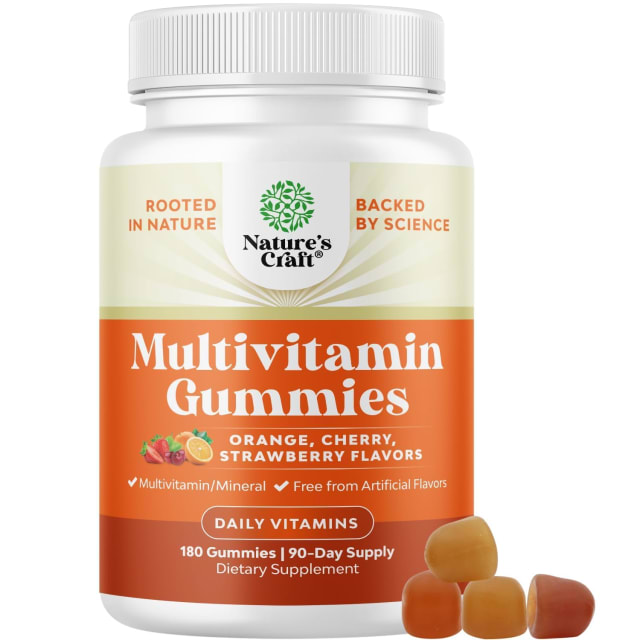
Multivitamin gummies are dietary supplements designed to deliver a spectrum of essential vitamins and minerals in a palatable, chewable format. They are typically made with gelatin, pectin (for vegan options), sugars, natural flavors, and colors, in addition to the micronutrients themselves. Their primary appeal is their ability to make daily supplementation easier and more enjoyable, which can significantly improve adherence, especially for children and adults who have difficulty swallowing pills.
The Core Promise: Complete Daily Vitamins and Minerals
The fundamental goal of any multivitamin, gummy or otherwise, is to fill nutritional gaps in a person's diet. Modern lifestyles, dietary restrictions, and soil depletion can sometimes make it challenging to get all necessary nutrients from food alone. Daily vitamin gummies aim to provide a safety net, offering a baseline of essential nutrients like Vitamin C, D, B-complex vitamins, and minerals such as Zinc.
Evaluating the Effectiveness: The Science Behind Gummy Vitamins
The effectiveness of multivitamin gummies is not a simple yes-or-no answer. It depends heavily on several key factors: formulation, quality, user compliance, and individual health needs.
1. Bioavailability: Can Your Body Use the Nutrients?
Bioavailability refers to the proportion of a nutrient that is absorbed and utilized by the body. The chemical forms of vitamins and minerals used in gummies are generally chosen for their stability and taste, which can sometimes differ from those in traditional capsules. For instance, some gummies may use certain forms of iron or calcium that are less bioavailable to avoid metallic tastes or texture issues. However, reputable manufacturers prioritize forms that are both palatable and effectively absorbed.
2. Nutrient Completeness and Potency
One common compromise in gummy vitamins is the omission or reduction of certain minerals. Minerals like calcium, magnesium, and iron are often challenging to incorporate in high doses into a gummy without affecting its texture, taste, or stability. As a result, some gummy multivitamins may not be "complete" compared to their pill counterparts. It is crucial to read the Supplement Facts label to see exactly which nutrients are included and at what potency.
3. The Adherence Advantage
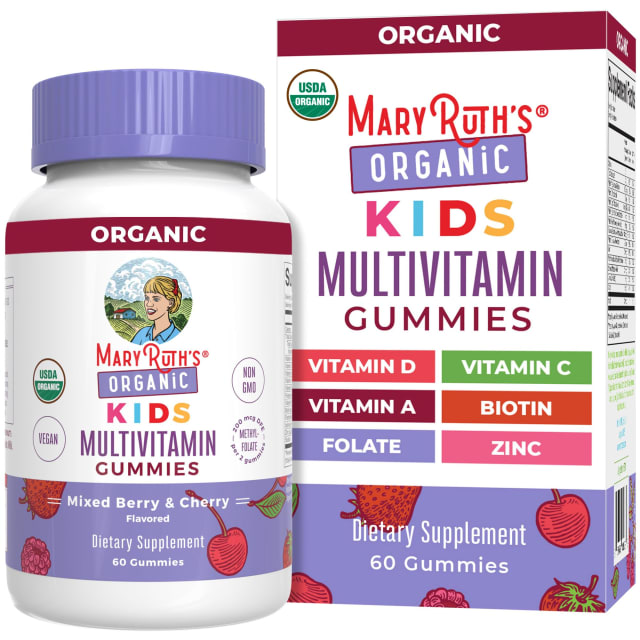
This is where gummies often shine. Studies consistently show that ease of use and palatability improve supplement adherence. If a person is more likely to take a tasty gummy every day than to forget or avoid a large pill, then the gummy is more effectively supporting their consistent nutritional intake. This is particularly impactful for kids gummy vitamins, turning a potential struggle into a pleasant routine.
Key Benefits of Multivitamin Gummies
- Superior Compliance: The enjoyable format makes it easier to establish and maintain a daily habit.
- No-Swallow Advantage: Ideal for children, older adults, or anyone with pill dysphagia (difficulty swallowing pills).
- Dietary Flexibility: Many gummies are formulated to be free of common allergens like gluten, dairy, and soy. Vegan options using pectin instead of gelatin are also widely available.
- Gentle on the Stomach: The chewable form and often lower mineral content can make them easier to digest for those with sensitive stomachs.
Important Considerations and Potential Drawbacks
While beneficial, gummy vitamins are not without their caveats. An informed consumer should be aware of the following:
- Sugar Content: To achieve their pleasant taste, gummies often contain added sugars, sugar alcohols, or alternative sweeteners. This can contribute to daily sugar intake and pose a risk to dental health, especially if taken after brushing teeth.
- Nutrient Gaps: As mentioned, they may lack adequate levels of key minerals. Someone with a significant deficiency may require a more targeted supplement.
- Overconsumption Risk: Their candy-like appearance can lead to accidental overconsumption, particularly by children. They must be stored securely, out of reach.
- Potency Stability: Some nutrients, like certain B vitamins, may be less stable in gummy form over time compared to coated tablets, though proper manufacturing and storage mitigate this.
What to Look For When Choosing a Quality Gummy Vitamin
Selecting an effective product requires careful label reading. Here’s a checklist:
- Third-Party Testing: Look for seals from independent labs (like USP, NSF, or ConsumerLab.com). This verifies that the product contains what it claims and is free from contaminants.
- Sugar Type & Amount: Opt for gummies sweetened with natural sources like fruit juices or low-sugar options. Be mindful of the grams of sugar per serving.
- Active Ingredients: Check that it provides meaningful amounts (aim for 100% of the Daily Value or more for most vitamins) of the nutrients you specifically need. Look for activated forms of nutrients like methylcobalamin (B12) and methylfolate.
- Free from Unnecessary Additives: Choose products with minimal artificial colors, flavors, and preservatives.
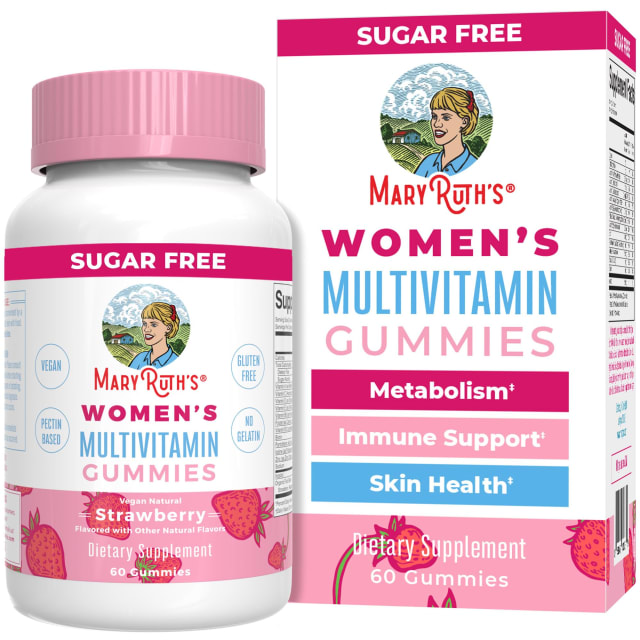
- Targeted Formulations: Consider adult gummy vitamins that are tailored for specific needs, such as womens gummy vitamins (often with added iron and folate) or mens gummy vitamins (which may focus on different nutrient ratios).
Gummy Vitamins vs. Traditional Multivitamins: A Side-by-Side Look
| Feature | Multivitamin Gummies | Traditional Tablet/Capsule Multivitamins |
|---|---|---|
| Ease of Ingestion | Excellent; no swallowing required. | Can be difficult for some. |
| Taste & Palatability | Pleasant, flavorful. | Often chalky or unpleasant. |
| Compliance Likelihood | Typically higher due to taste. | May be lower due to swallow difficulty. |
| Typical Nutrient Range | May exclude or have lower doses of certain minerals (Ca, Mg, Fe). | Often more "complete," including full mineral complexes. |
| Sugar Content | Usually contains some form of sweetener. | Typically sugar-free. |
| Cost | Often more expensive per serving. | Generally more cost-effective. |
| Best For | Kids, pill-averse adults, those seeking better adherence. | Those needing comprehensive mineral support, budget-conscious consumers. |
Practical Advice: Dosing, Timing, and Maximizing Effectiveness
- Dosing: Always follow the label instructions. Typically, this is 1-2 gummies per day for adults. Never exceed the recommended dose, thinking "more is better," as fat-soluble vitamins (A, D, E, K) can accumulate to toxic levels.
- Timing: Consistency is more important than timing. Take them with a meal containing some healthy fats (like avocado or nuts) to improve the absorption of fat-soluble vitamins. Avoid taking them right before bed, especially if they contain energizing B vitamins.
- Storage: Keep in a cool, dry place, tightly sealed. The gelatin or pectin base can cause them to melt or stick together in heat and humidity.
- Dental Health: To protect your teeth, consider taking gummies with meals rather than as a standalone snack, and don't let them linger in the mouth. Drinking water afterward can also help.
Frequently Asked Questions (FAQ)
Q1: Can multivitamin gummies replace a healthy diet? A: No. Gummy vitamins are designed to supplement a balanced diet, not replace it. Whole foods provide fiber, antioxidants, and phytonutrients that supplements cannot fully replicate. They are a safety net, not a substitute.
Q2: Are gummy vitamins as effective as pills for adults? A: They can be equally effective for providing the vitamins they contain in bioavailable forms. Their potential limitation is often in mineral content. For an adult who eats a mineral-rich diet and needs primarily vitamin support, gummies can be very effective. Those with specific mineral deficiencies may need additional supplementation.
Q3: What's the main downside of gummy vitamins for kids? A: The primary concerns are dental health due to sugar content and the risk of overconsumption because they taste like candy. Parents should treat them like medicine, control the dosage strictly, and encourage good dental hygiene.
Q4: Do I need a specific gummy for men or women? A: Mens gummy vitamins and womens gummy vitamins are formulated to address general differences in nutritional needs. For example, premenopausal women often require more iron, while men's formulas might omit iron and focus on nutrients like saw palmetto or lycopene. Choosing a gender-specific formula can be beneficial, but a high-quality general adult multivitamin gummy is also a solid choice.
Q5: How long do gummy vitamins last once opened? A: Most have a shelf life of 1-2 years. Once opened, the bottle should be consumed within the timeframe suggested on the label (often 6-12 months) and stored properly to maintain potency and texture.
Q6: Can diabetics take multivitamin gummies? A: Diabetics must be cautious. They should look for sugar-free gummies sweetened with sugar alcohols (like xylitol or erythritol) or stevia and always consult with their healthcare provider to ensure the product fits into their dietary management plan.
Final Verdict: Are They an Effective Choice?
Multivitamin gummies are an effective tool for improving daily nutrient intake when chosen wisely and used correctly. Their greatest strength is their ability to enhance compliance, making consistent supplementation more achievable for millions of people. For individuals who struggle with pills, have minor dietary gaps, or need a user-friendly option for children, a high-quality, third-party-tested gummy vitamin can be an excellent part of a health-conscious lifestyle.
However, they are not a one-size-fits-all solution. Individuals with known significant deficiencies, those requiring high doses of minerals, or people strictly monitoring their sugar intake should carefully evaluate the label and may find traditional capsules more suitable.
The key to effectiveness lies in being an informed consumer: read labels meticulously, prioritize quality over taste alone, and remember that supplements work best in concert with a nutrient-dense diet and healthy lifestyle. By understanding both the advantages and the limitations, you can confidently decide if multivitamin gummies are the effective supplement you're looking for.
Affiliate Disclosure
Gummy.mom may earn a commission from purchases made through links on this page. This helps support our research and content creation. We only recommend products we genuinely believe in and have thoroughly researched.