Gummy Vitamins vs Pills: Which Multivitamin Form Is Right for You in 2026?
Choosing between gummy vitamins and pills is a real purchasing decision — and the right choice depends on your age, lifestyle, dietary needs, and health goals. This side-by-side comparison gives you the evidence you need to buy with confidence.
Whether you're buying for yourself, an elderly parent, or your children, we break down effectiveness, safety, cost, and convenience so you can make the best decision.
For many people, the daily ritual of taking a vitamin is a cornerstone of their wellness routine. For decades, the standard choice was a simple pill or capsule. Today, a colorful, chewy challenger has entered the ring: the gummy vitamin. This comprehensive guide dives deep into the world of gummy vitamins vs pills, providing an objective, detailed comparison to help you decide which format is the right fit for your health goals, lifestyle, and taste buds. Whether you're considering multivitamin gummies for yourself, kids gummy vitamins, or specialized adult gummy vitamins, understanding the pros, cons, and science behind each form is the first step to making an informed choice.
Understanding the Basics: What Are Gummy and Pill Vitamins?
Before comparing, it's essential to understand what each form entails.
Pill Vitamins is a broad term that typically encompasses two main types:
- Tablets: Powders and active ingredients compressed into a solid form. They may include binders, fillers, and coatings to aid in manufacturing, swallowing, or timed release.
- Capsules: Gelatin or plant-based shells containing powdered or liquid ingredients. Capsules often have fewer binders and may be easier for some to digest and absorb.
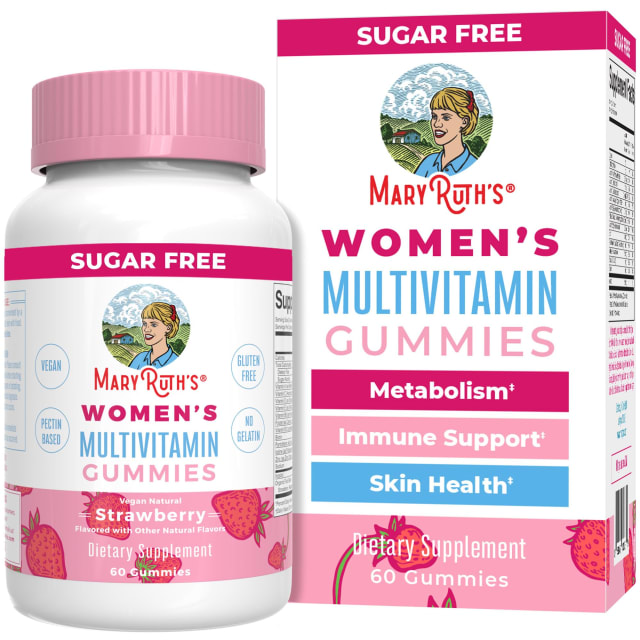
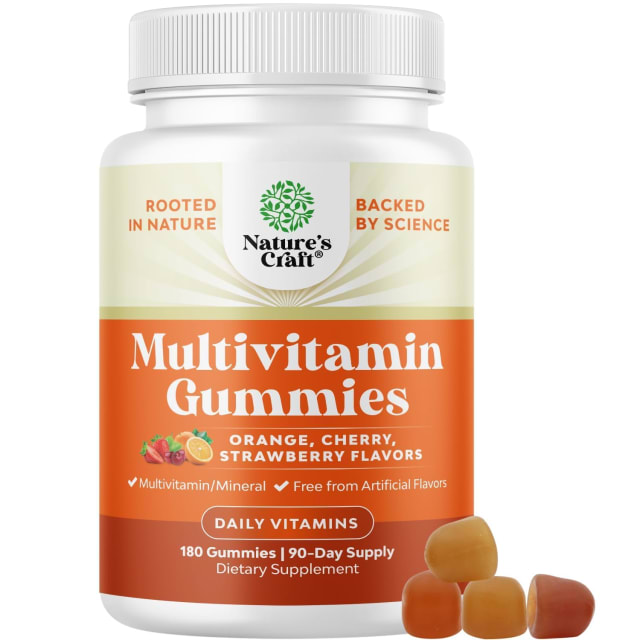
Gummy Vitamins are dietary supplements made with a gelatin or pectin base, sweeteners, flavors, and colors, infused with vitamins and minerals. They are designed to be chewed and swallowed, offering a candy-like experience. They are available as daily vitamin gummies for all demographics, including mens gummy vitamins and womens gummy vitamins formulated with gender-specific nutrient profiles.
Head-to-Head Comparison: Gummy Vitamins vs. Pills
The choice between gummies and pills isn't merely about taste; it involves considerations of composition, efficacy, convenience, and safety.
The Advantages of Gummy Vitamins
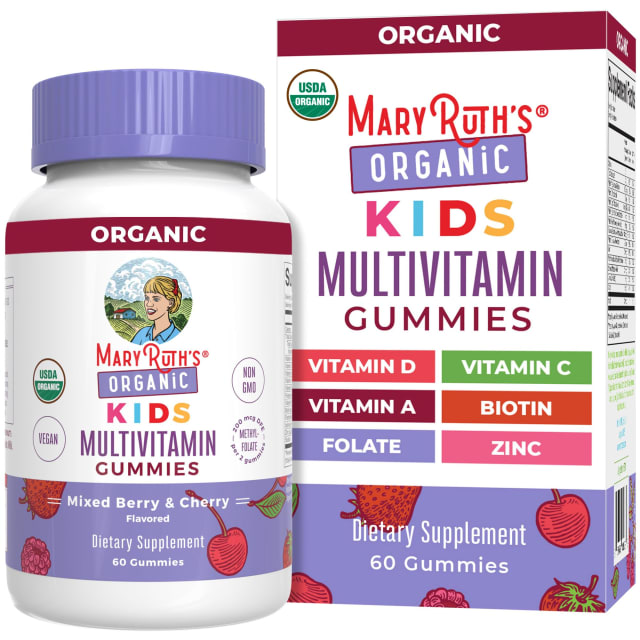
- Palatability and Compliance: This is the most significant advantage. The pleasant taste and texture of gummy vitamins make them far easier to take consistently, especially for children (with kids gummy vitamins), older adults, or anyone with pill aversion. Better compliance means you’re more likely to get the daily nutrients you intend to.
- Ease of Ingestion: No swallowing required. This is a major benefit for individuals who have difficulty swallowing pills (dysphagia) or a strong gag reflex.
- Digestive Ease: For some, gummies can be gentler on an empty stomach compared to certain pill formulations that may cause minor gastric discomfort.
- Flexible Formulations: Modern multivitamin gummies come in a wide array of targeted formulas, from prenatal blends to senior-focused mixes, all in a palatable format.
The Considerations for Gummy Vitamins
- Nutrient Limitations: Due to the gummy manufacturing process, certain essential nutrients are difficult or impractical to include in effective doses. These often include:
- Minerals: High doses of minerals like calcium, magnesium, and potassium are bulky and can affect texture and taste. They are often present in lower amounts or omitted.
- Iron: Rarely included in gummies, as it can catalyze oxidation of other nutrients and has a metallic taste.
- Added Sugars and Calories: To mask the bitter taste of vitamins, gummies contain sweeteners like sugar, glucose syrup, or sugar alcohols. A typical gummy may contain 2-4 grams of sugar per serving. Sugar-free options exist but often use sugar alcohols (like sorbitol) which can cause digestive upset in sensitive individuals.
- Potential for Overconsumption: Their candy-like appearance and taste can be tempting, especially to children. It is crucial to treat them as medication and store them out of reach to prevent accidental overdose, which can be dangerous with fat-soluble vitamins (A, D, E, K).
- Dental Health: The sugar and acidic components (from flavorings) can stick to teeth. It's recommended to take gummies with a meal and brush teeth afterwards to minimize cavity risk.
- Stability and Potency: Gummies can be more susceptible to degradation from heat, light, and moisture over time compared to coated pills. They may also have a shorter shelf life.
The Advantages of Pill Vitamins (Tablets & Capsules)
- Comprehensive Nutrient Profiles: Pills can pack a more complete and potent spectrum of vitamins and minerals, including the bulky minerals (calcium, magnesium) and iron, which are often missing from gummies.
- Higher Potency/Dosage: They can deliver higher doses of specific nutrients in a single, compact unit, which is essential for therapeutic supplementation or addressing diagnosed deficiencies.
- No Added Sugar: Most pills contain minimal to no sugar, making them preferable for those monitoring sugar intake, diabetics, or those focusing on dental health.
- Advanced Delivery Systems: Pills can utilize time-release coatings, enteric coatings (to survive stomach acid), and specialized formulations (like liposomal or chelated minerals) designed to enhance absorption and bioavailability.
- Cost-Effectiveness: Milligram for milligram, pill-form multivitamins are often less expensive than their gummy counterparts.
The Considerations for Pill Vitamins
- Swallowing Difficulty: This is the primary barrier for many. Large pills can be intimidating or physically difficult to swallow.
- Digestive Discomfort: Some individuals may experience nausea or stomach upset, especially when taking pills on an empty stomach. Tablets with certain binders or coatings can also be harder for some people to digest.
- Compliance Issues: The unpleasant experience of swallowing a pill can lead to skipped doses, negating the benefits of supplementation.
- Taste and Aftertaste: Some capsules or tablets can leave a bitter aftertaste or cause "pill burps."
Comparison Table: Gummy Vitamins vs. Pills at a Glance
| Feature | Gummy Vitamins | Pill Vitamins (Tablets/Capsules) |
|---|---|---|
| Taste & Texture | Pleasant, candy-like, chewy. | Typically bland, chalky, or gelatinous; requires swallowing. |
| Ease of Ingestion | Excellent; no swallowing needed. | Can be difficult for those with pill aversion or dysphagia. |
| Typical Nutrient Range | Often limited; may lack iron, calcium, magnesium, or have them in lower doses. | More comprehensive; can include full spectrum of vitamins & bulky minerals. |
| Added Sugars | Usually contains 2-8g sugar/serving. Sugar-free options use sugar alcohols. | Minimal to none. |
| Cost (Per Serving) | Generally higher. | Generally lower. |
| Best For | Compliance, children, pill-averse adults, those with swallowing issues. | Comprehensive nutrition, higher potency needs, sugar-conscious consumers. |
| Dental Considerations | Higher risk due to sugar/acid; brush after taking. | Negligible risk. |
| Risk of Overconsumption | Higher, especially for children. | Lower. |
| Shelf Life/Stability | Can be shorter; sensitive to heat/moisture. | Typically longer and more stable. |
How to Choose: Which Is Right for You?
The decision between gummy vitamins vs pills is personal and should be based on individual needs, health goals, and lifestyle.
Choose Gummy Vitamins If:
- You or your child has a strong aversion to swallowing pills.
- Consistency is a problem; you're more likely to take a tasty gummy daily.
- You are seeking a basic, broad-spectrum multivitamin and your diet already provides adequate minerals like calcium and iron.
- You have no dietary restrictions concerning the sugars or gelatin (though vegan pectin-based gummies exist).
- The supplement is for a child, and kids gummy vitamins are the only way to ensure compliance (with proper supervision).
Choose Pill Vitamins If:
- You require a specific, high-potency nutrient or a comprehensive formula that includes minerals like iron, calcium, or magnesium.
- You are managing blood sugar levels or strictly limiting added sugars.
- Cost-effectiveness is a primary concern.
- You prefer a supplement without artificial flavors, colors, or sweeteners.
- You need advanced delivery systems (e.g., timed-release, enteric-coated).
For Specialized Needs: Mens & Womens Gummy Vitamins
Targeted adult gummy vitamins have become popular. Mens gummy vitamins might focus on nutrients like saw palmetto, lycopene, and higher B-vitamins for energy metabolism. Womens gummy vitamins often include biotin for hair/nails, extra iron (though less common in gummies), and calcium. The same comparison principles apply: check if the gummy format provides the key nutrients you're looking for in adequate doses, or if a pill would be a more robust delivery system for those gender-specific needs.
What to Look For When Buying Multivitamin Gummies
If you decide gummies are the right format, being a discerning consumer is key.
- Third-Party Testing: Look for seals from independent labs like USP, NSF, or ConsumerLab.com. This verifies that the product contains what the label says and is free from contaminants.
- Sugar Content: Check the source and amount. Opt for brands with lower sugar (3-5g or less per serving) or those sweetened with monk fruit or stevia. Be mindful of sugar alcohols if you have a sensitive gut.
- Active Ingredients: Scrutinize the Supplement Facts panel. Ensure it provides meaningful amounts (close to 100% Daily Value) of the vitamins you need. Understand that minerals will likely be underrepresented.
- Gelatin vs. Pectin: Gelatin is animal-derived (usually bovine or porcine). Pectin, from fruit, is vegan. Choose according to your dietary preferences.
- Dosage Instructions: Never exceed the recommended serving size. More is not better and can be harmful.
Best Practices for Taking Your Multivitamin
- Timing: Take your multivitamin with a meal containing some healthy fats (like avocado, nuts, or olive oil). This enhances the absorption of fat-soluble vitamins (A, D, E, K) and can reduce the chance of stomach upset.
- Consistency: Take it at the same time each day, linking it to a daily habit (e.g., with breakfast or lunch).
- Storage: Keep gummies in a cool, dry place, tightly sealed to prevent degradation and melting. Always store all supplements out of reach of children.
- Consult a Professional: Before starting any new supplement regimen, especially if you have underlying health conditions or take prescription medications, consult with a healthcare provider or a registered dietitian.
Frequently Asked Questions (FAQ)
Q1: Are gummy vitamins as effective as pill vitamins? A: In terms of the bioavailability of the vitamins they contain, yes, high-quality gummies can be just as effective. The primary difference is in the completeness of the formula. Gummies often lack certain minerals or contain them in lower doses, so their overall nutritional profile may be less comprehensive than a pill.
Q2: Can I take gummy vitamins every day? A: Yes, daily vitamin gummies are formulated for daily use. It is critical, however, to adhere strictly to the recommended serving size on the label, as their appealing taste can lead to overconsumption.
Q3: Do gummy vitamins cause weight gain? A: The calories from sugar in a standard serving of gummy vitamins (usually 10-30 calories) are negligible and unlikely to cause weight gain. However, consistently exceeding the serving size can contribute extra calories and sugar to your diet.
Q4: What's the best time of day to take multivitamin gummies? A: The best time is with a meal. This aids in the absorption of fat-soluble vitamins and can help prevent any potential minor digestive discomfort. Consistency (taking it at the same time daily) is more important than the specific time.
Q5: Are there adult gummy vitamins without sugar? A: Yes. Many brands offer sugar-free adult gummy vitamins sweetened with sugar alcohols (like xylitol or sorbitol) or natural zero-calorie sweeteners like stevia or monk fruit extract. Be aware that sugar alcohols can cause bloating or diarrhea in some people.
Q6: Should I switch from pills to gummies? A: Consider switching if you struggle with pill-swallowing or find yourself skipping doses due to dislike of pills. However, if your current pill provides a complete nutrient profile (including minerals) that you need, and you take it consistently without issue, there may be no compelling reason to switch. Evaluate based on your compliance and nutritional needs.
Final Verdict
The debate between gummy vitamins vs pills doesn't have a single winner. The "best" multivitamin is the one you will take consistently and that meets your specific nutritional requirements.
- For maximum compliance, ease, and enjoyment: High-quality multivitamin gummies are an excellent choice, provided you vet their ingredient list and understand their potential nutritional gaps.
- For comprehensive, high-potency, and cost-effective supplementation: Traditional pill vitamins (tablets or capsules) remain the superior choice.
Ultimately, whether you choose a chewy gummy or a classic pill, the most important factor is selecting a reputable product from a trusted brand and making it a consistent part of a healthy lifestyle built on a foundation of balanced nutrition. Always prioritize whole foods first and use supplements to "supplement" the gaps in your diet, not replace it.
Affiliate Disclosure
Gummy.mom may earn a commission from purchases made through links on this page. This helps support our research and content creation. We only recommend products we genuinely believe in and have thoroughly researched.