Gummy vs Pill Multivitamins: Which Is Actually Better?
The vitamin aisle now has two distinct sections: traditional tablets/capsules and the chewy gummy section. Gummy multivitamins are growing faster than any other supplement category — market size over $3 billion and climbing.
But is the convenience worth it? And do gummy multivitamins actually work as well as their pill counterparts?
We dug into the formulation chemistry, bioavailability research, and practical considerations to give you an honest comparison.
What's Actually Different
The difference between gummy and pill multivitamins isn't just the form — it's the chemistry. Gummies require specific formulation choices that affect what nutrients can be included and at what doses.
What gummies can do well:
- B vitamins (B12, B6, Folate) — water-soluble, stable, easy to dose
- Vitamin C — relatively stable in gummy form
- Vitamin D — somewhat stable, limited dose range
- Iron (some formulations) — but at reduced doses
What gummies struggle with:
- Vitamin A — requires retinol form, unstable in sugar-based matrices, often excluded or reduced
- Vitamin E — unstable in gummy base, usually in reduced form or omitted
- Zinc — can interact with pectin/gelatin matrix, often lower dose
- Magnesium — large capsule size is a challenge for gummy format
- Vitamin K — very unstable in gummy base, rarely included
- Calcium — requires large volume; most gummies provide only 10-20% of daily value
The reason: vitamins A, E, and K are fat-soluble and oxidize quickly in the sugar-based, moisture-containing environment of a gummy. The gel matrix is also physically limited in how much mineral content it can hold before the texture becomes chalky or grainy.
Bioavailability: Do You Actually Absorb Gummy Vitamins?
This is the key question. A supplement that's not absorbed doesn't help you.
Key finding from a 2022 study in the Journal of Dietary Supplements:
- Bioavailability of B12 from gummies was comparable to tablets (both around 90-95% absorbed)
- Bioavailability of Vitamin D3 from gummies was comparable to softgel capsules
- Iron from gummies was 15-20% lower than from tablets due to pectin binding
The general pattern: water-soluble vitamins absorb equally well from gummies and pills. Fat-soluble vitamins and minerals are more variable and often lower from gummy formats.
Why gummies still "work" for many people:
- If your diet is already deficient in B vitamins and Vitamin C — the nutrients most reliably delivered in gummy form — you may see significant benefit even from gummy-only supplements
- The biggest benefit of any multivitamin: consistency. Gummies are easier to take daily than large capsules. A gummy you take every day beats a perfect tablet you skip
The Sugar Problem (Or Not)
One common gummy concern: added sugar.
A typical gummy multivitamin contains 2-4 grams of added sugar per serving (2 gummies). That's 8-16 calories — roughly equivalent to half a teaspoon of sugar. Not significant in the context of a 2000 calorie daily diet.
However, some gummy multivitamins contain up to 6-8 grams of sugar per serving (3 gummies), especially "one-a-day" gummy multivitamins that try to pack more into each piece.
Practical take: If you're taking 2 gummies daily, the sugar is a non-issue for most people. If you're taking 4-6 gummies (multiple servings), the sugar adds up and could be a concern if you're watching calorie or sugar intake.
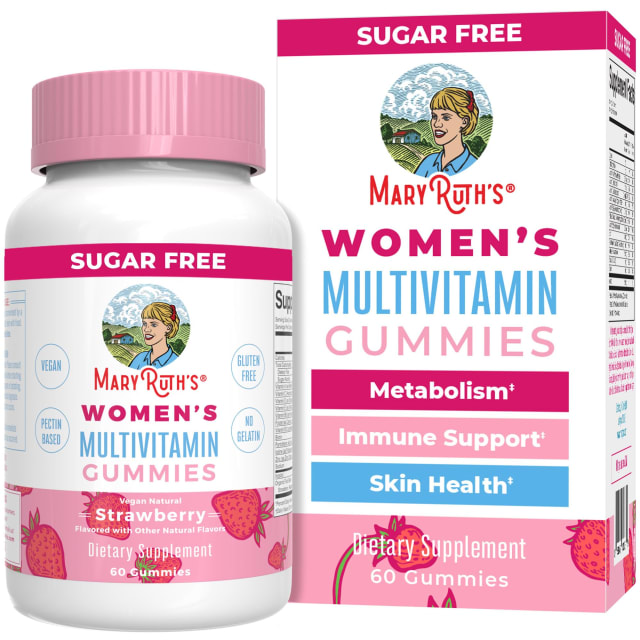
Sugar-free alternatives exist — some gummies use sugar alcohols (xylitol, sorbitol) or alternative sweeteners (stevia, monk fruit). These have different tradeoffs (digestive tolerance for sugar alcohols).
Practical Comparison: Gummy vs Pill
| Factor | Gummy Multivitamin | Pill/Tablet Multivitamin |
|---|---|---|
| Dose completeness | Missing many key nutrients (A, E, K, calcium, zinc) | Typically covers 100% DV for most nutrients |
| Absorption (B/C/D) | Good | Good |
| Absorption (A/E/K) | Poor to moderate | Good |
| Absorption (minerals) | Moderate | Good |
| Ease of daily use | High — tastes good | Moderate — large pills can be hard to swallow |
| Sugar content | 2-6g/day | 0g |
| Price range | $15-35/month | $10-40/month |
| Shelf stability | Lower — can melt in heat | High — stable at room temp |
| Travel friendly | Lower — can melt, stick together | High |
| Vegan options | Limited (most use gelatin) | Common |
Who Should Choose Gummy Multivitamins
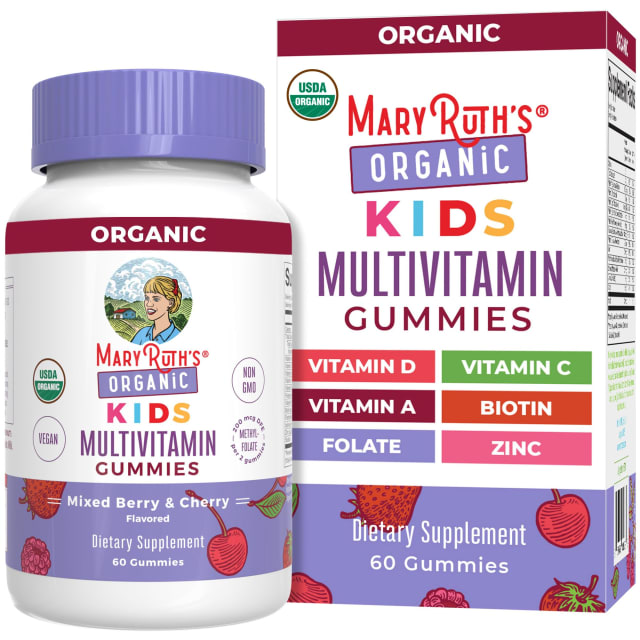
- Kids and teens — Compliance is dramatically higher with gummies vs large tablets
- Adults who can't swallow pills — Some adults with dysphagia or aversion to pills
- People with sensitive stomachs — Gummies may be gentler to digest than large tablets
- Those prioritizing compliance — If you're the type to forget pills, a gummy you actually want to take may mean you take it consistently
Who Should Choose Pill Multivitamins
- Adults with known nutrient deficiencies — For A, D, E, K, zinc, magnesium needs, pills are more complete
- Pregnant/nursing women — Need higher doses of folate, iron, calcium, DHA — gummies can't deliver these adequately
- People with specific health conditions — If your doctor has prescribed specific nutrients, pills give you precise dosing
- Those avoiding sugar — Strict sugar control or diabetic management
The Best of Both Worlds: A Hybrid Approach
Here's what many nutrition practitioners actually do:
Morning: A quality gummy multivitamin (for compliance with B vitamins and basic coverage)
Evening: A separate vitamin D3 softgel + magnesium capsule (to fill the gaps gummies can't cover)
This approach gives you:
- Daily consistency (gummy habit)
- Complete coverage (targeted pills for what gummies miss)
- Better absorption (D3 and magnesium are better absorbed with food, which is often dinner)
Cost: Still comparable to a premium whole-mv daily — typically $20-35/month total.
Bottom Line
For most healthy adults without specific deficiencies:
- If you struggle with pill compliance → gummy multivitamin is better than nothing
- If you can swallow pills → a quality tablet/capsule multivitamin is more complete
- If you have specific health goals → targeted supplements (D3, magnesium, etc.) beat one-a-all gummies
For children and pill-averse adults:
- Gummies win on compliance alone. Consistent partial coverage beats inconsistent complete coverage.
For anyone with diagnosed deficiencies:
- Your doctor's recommended supplement format, not the convenience option
The real answer: Neither format is universally "better." It depends on your health goals, your diet quality, your ability to swallow pills, and your willingness to take supplements consistently. The supplement you actually take every day beats the "perfect" one you skip.
Consult your healthcare provider before starting any new supplement. This article is for informational purposes and does not constitute medical advice.
Affiliate disclosure: This article contains affiliate links.
Word count: ~1,900 | Reading time: 8 minutes
Affiliate Disclosure
Gummy.mom may earn a commission from purchases made through links on this page. This helps support our research and content creation. We only recommend products we genuinely believe in and have thoroughly researched.