How to Choose Multivitamin Gummies: Your Complete Guide to the Best Daily Vitamins
Multivitamin gummies have transformed the daily supplement routine from a chore into a treat. These delicious, chewable alternatives to pills and capsules offer a complete spectrum of daily vitamins and minerals in a format that’s enjoyable for adults and children alike. However, with shelves and online stores overflowing with colorful options, selecting the right one can be surprisingly complex. This comprehensive guide provides step-by-step, actionable advice to navigate the world of gummy vitamins, ensuring an informed choice that aligns with individual health goals and needs.
Why Multivitamin Gummies Are a Popular Choice
The appeal of multivitamin gummies is multifaceted. For many, swallowing large pills or capsules can be difficult or unpleasant. Gummy vitamins eliminate this barrier, making consistency—the most critical factor in any supplement regimen—much easier to achieve. They often come in appealing fruity flavors, which is particularly beneficial for parents trying to encourage kids gummy vitamins into a daily routine.
Beyond convenience, they provide a foundational nutritional safety net. Even with a balanced diet, modern lifestyles, soil depletion, and food processing can lead to gaps in essential nutrient intake. A high-quality daily vitamin gummy can help fill these gaps, supporting energy levels, immune function, bone health, and overall well-being.
However, it’s crucial to approach them as supplements, not substitutes. They are designed to complement a healthy diet, not replace whole foods.
A Step-by-Step Guide to Choosing Your Multivitamin Gummies
Selecting the right product requires more than just picking a favorite flavor. The following steps break down the key decision-making factors.
Step 1: Identify Your Demographic & Specific Needs
The first filter is to find a formula tailored to your life stage and biology, as nutritional requirements vary significantly.
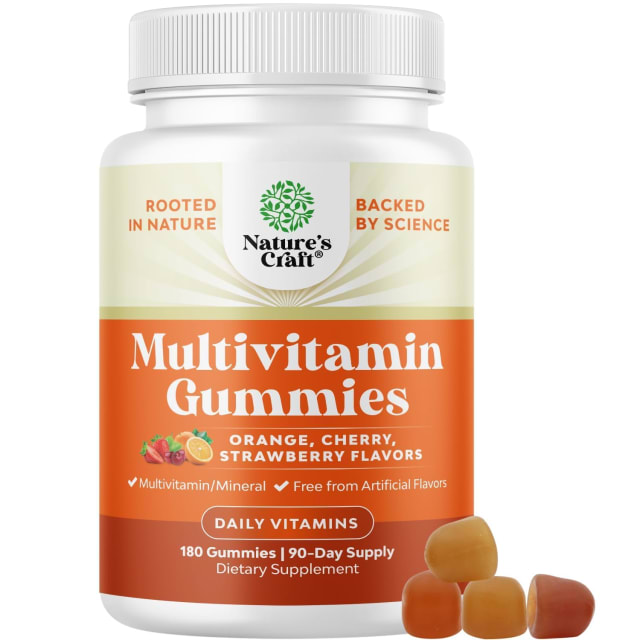
- Adult Gummy Vitamins: General formulas for adults typically focus on supporting energy metabolism, immune health, and filling common dietary gaps. Look for a balanced profile of B-vitamins, Vitamin D, and antioxidants.
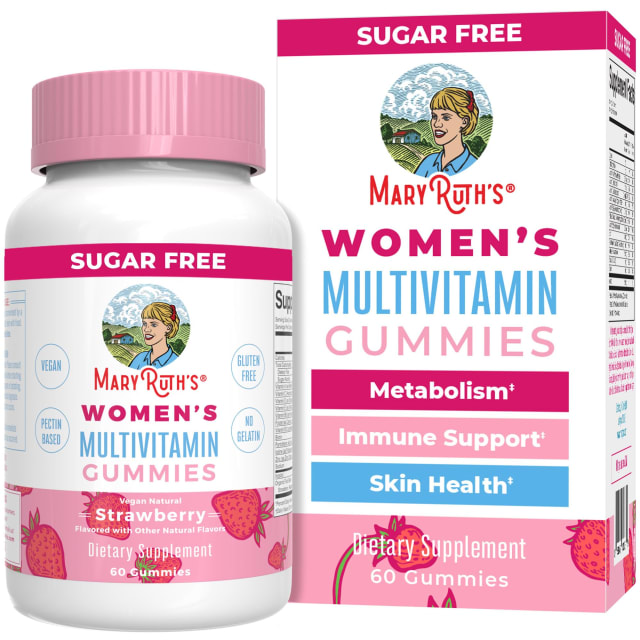
- Womens Gummy Vitamins: These often include higher amounts of iron (to compensate for menstrual losses), folate, and calcium. Some may also contain biotin and other nutrients targeted toward hair, skin, and nails.
- Mens Gummy Vitamins: Formulas for men might omit iron (as men generally require less and can risk iron overload) and instead focus on nutrients like Zinc, Selenium, and certain B-vitamins that support male metabolic and reproductive health.
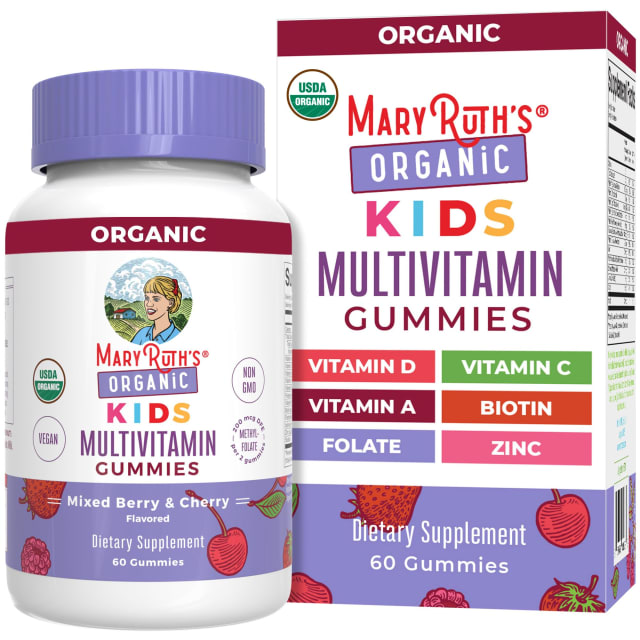
- Kids Gummy Vitamins: These are specifically dosed for children's lower body weights and needs, often with emphasis on Vitamins A, C, D, and Calcium for growth and development. They must be kept out of reach to prevent overconsumption, as their candy-like appearance can be tempting.
- Prenatal/Senior/Other Specialized: Some brands offer gummies for prenatal care, seniors (with nutrients like B12 and Vitamin D), or specific concerns like hair growth or stress support.
Step 2: Scrutinize the Nutrition Facts Label
This is the most critical step. Turn the bottle around and analyze the Supplement Facts panel in detail.
- Completeness: Does it cover the essentials? Look for:
- Fat-Soluble Vitamins: A, D, E, and K.
- Water-Soluble Vitamins: The full B-complex (B1, B2, B3, B5, B6, B7, B9, B12) and Vitamin C.
- Key Minerals: Calcium, Magnesium, Zinc, Selenium, and Iodine. Note: Many gummies lack sufficient calcium and magnesium, as these minerals are bulky and can affect texture.
- Potency (% Daily Value): Check the percentage of the Daily Value (%DV) provided for each nutrient. A good multivitamin should provide 100% DV for most vitamins. Some nutrients, like Vitamin D, may be purposefully higher (e.g., 125-250% DV) due to widespread deficiency. Be wary of formulas where most nutrients are at 10-50% DV, as they may be less effective.
- Bioavailable Forms: The form of the nutrient matters. For example:
- Folate: Look for "methylfolate" or "L-methylfolate" (the active form) rather than just "folic acid," especially for those with a common genetic mutation (MTHFR).
- Vitamin B12: "Methylcobalamin" is a preferred active form over "cyanocobalamin" for some.
- Vitamin D: "D3 (cholecalciferol)" is generally more effective at raising blood levels than "D2 (ergocalciferol)."
Step 3: Examine the Ingredient List (What's Beyond the Vitamins)
The "Other Ingredients" list reveals what holds the gummy together and gives it flavor, color, and shelf life.
- Sweeteners: Gummies need sweeteners. The key is the type and amount.
- Preferred: Cane sugar, organic tapioca syrup, or fruit juices in moderation.
- Common Alternatives: Glucose syrup, corn syrup.
- Sugar Alcohols: Used in "sugar-free" gummies (e.g., maltitol, sorbitol). These can cause digestive upset in sensitive individuals.
- Artificial Sweeteners: Such as sucralose or aspartame, which some prefer to avoid.
- Gelatin vs. Pectin:
- Gelatin: Derived from animal collagen (usually pork or beef). This gives a classic, chewy texture. Not suitable for vegetarians or vegans.
- Pectin: Derived from fruit. This is the base for vegan and vegetarian gummy vitamins. It has a slightly different, often fruitier texture.
- Colors and Flavors:
- Aim for natural colors and flavors derived from sources like black carrot juice, turmeric, or annatto, and natural fruit extracts.
- Be cautious of artificial colors (e.g., Red 40, Blue 1, Yellow 5) and artificial flavors, which some people choose to avoid, especially in kids gummy vitamins.
- Allergens: Check for common allergens like soy, gluten, or dairy, which can sometimes be present in fillers or coatings.
Step 4: Consider Quality, Certifications, and Brand Reputation
- Third-Party Testing: This is the gold standard. It means an independent lab (like USP, NSF, or ConsumerLab.com) has verified that the product contains what the label says it does, in the amounts listed, and is free from harmful levels of contaminants like heavy metals, pesticides, or microbes. Look for a seal or claim of third-party testing on the label or website.
- Certifications: Certifications like Non-GMO Project Verified, USDA Organic, Gluten-Free, or Vegan can help narrow choices based on personal values.
- Brand Transparency: Reputable brands are transparent about their sourcing, manufacturing processes (often following Good Manufacturing Practices - GMP), and provide easy access to certificates of analysis.
Step 5: Evaluate Practical Factors: Dosing, Timing, and Value
- Serving Size: How many gummies constitute one serving? It's often 1-2 gummies. Calculate the cost per serving, not just per bottle.
- Timing: Gummy vitamins can typically be taken at any time of day, with or without food. Some people prefer taking them with a meal containing a little fat to aid in the absorption of fat-soluble vitamins (A, D, E, K). Consistency is more important than timing.
- Taste and Texture: While subjective, if you don't enjoy the taste or texture, you're less likely to take them consistently. Reading reviews can offer insight here.
Key Comparison: Gelatin vs. Pectin Gummy Vitamins
| Feature | Gelatin-Based Gummies | Pectin-Based Gummies |
|---|---|---|
| Source | Animal collagen (usually pork or beef) | Fruit (citrus peels, apple pomace) |
| Dietary Suitability | Not vegetarian or vegan, may not be Halal/Kosher unless specified | Vegetarian and Vegan-friendly |
| Texture | Classic, dense, chewy texture | Softer, sometimes slightly crumbly, fruitier chew |
| Melting Point | Can melt at lower temperatures | More heat-stable, less prone to melting |
| Common Use | Traditional gummy vitamins, candies | Vegan supplements, gourmet jellies, fruit snacks |
Important Considerations and Potential Side Effects
While generally safe, multivitamin gummies are not without considerations.
- Sugar Content: This is the primary drawback. A serving can contain 2-8 grams of added sugar. While this is a small amount in the context of a daily diet, it's a factor for dental health and those monitoring sugar intake. Brushing teeth after taking a gummy is a good practice.
- Overconsumption Risk: Their candy-like appeal, especially for children, poses a risk of overeating, which can lead to vitamin toxicity. They must be stored securely out of reach of children.
- Nutrient Gaps: As mentioned, gummies often lack adequate amounts of minerals like calcium, magnesium, and iron due to formulation challenges. Separate supplementation may be necessary.
- Digestive Sensitivity: Sugar alcohols in sugar-free gummies can cause gas, bloating, or diarrhea in some people.
- Medication Interactions: Certain vitamins (like Vitamin K) can interact with medications (like blood thinners). It is always essential to consult with a healthcare provider before starting any new supplement, especially for those with pre-existing health conditions or who are pregnant/nursing.
Frequently Asked Questions (FAQ)
Q: Are gummy vitamins as effective as pill-form multivitamins? A: If they contain comparable types and amounts of bioavailable nutrients, they can be equally effective for filling nutritional gaps. The primary difference is the delivery format and potential omissions of certain bulky minerals. The key is the quality and completeness of the formula, not whether it's a gummy or pill.
Q: What's the best time of day to take multivitamin gummies? A: There's no universally "best" time. Taking them with a meal can aid in the absorption of fat-soluble vitamins and may minimize any potential slight stomach upset. The most important factor is to take them consistently at a time you'll remember, whether that's with breakfast, lunch, or dinner.
Q: Can I take more than the recommended serving to get extra benefits? A: No. More is not better with vitamins. Fat-soluble vitamins (A, D, E, K) can accumulate in the body to toxic levels, and even high doses of water-soluble vitamins can cause adverse effects like nerve tingling (from B6) or digestive distress. Always adhere to the labeled serving size unless specifically directed otherwise by a healthcare professional.
Q: Do I need a different multivitamin for men vs. women? A: It is often advisable. Men and women have different nutritional requirements, primarily due to hormonal differences and menstrual cycles. Mens gummy vitamins typically contain little to no iron, while womens gummy vitamins usually include iron and more folate. Using a gender-specific formula ensures you're not getting nutrients you don't need while covering those you do.
Q: How should I store my gummy vitamins? A: Store them in a cool, dry place, away from direct sunlight and moisture (not in the bathroom medicine cabinet). Ensure the lid is tightly sealed after each use to prevent the gummies from drying out or becoming sticky. Refrigeration is not usually necessary but can help preserve texture in warm climates.
Q: My gummy vitamins changed color/texture. Are they still safe to take? A: Minor color variation can be normal. However, if the gummies have become extremely hard, melted together, or show signs of mold (fuzzy spots), they should not be consumed. Proper storage is key to maintaining freshness and shelf life.
Final Checklist Before You Buy
Before adding a bottle of multivitamin gummies to your cart, quickly run through this list:
- Targeted Formula: Is it designed for my demographic (adult, women's, men's, kids)?
- Complete Profile: Does it provide 100% DV for most essential vitamins?
- Clean Ingredients: Does it use natural colors/flavors where possible, and a sweetener I'm comfortable with?
- Dietary Fit: Is it gelatin (animal-based) or pectin (plant-based) based according to my dietary preferences?
- Quality Assured: Is there evidence of third-party testing for purity and potency?
- Sugar Conscious: Am I aware of and comfortable with the sugar or sugar-alcohol content per serving?
- Healthcare Consultation: Have I discussed starting this supplement with my doctor or pharmacist, especially if I have health conditions or take medications?
Choosing the right multivitamin gummies is an investment in your daily health routine. By moving beyond marketing and flavor to carefully evaluate nutritional content, ingredient quality, and personal needs, you can select a product that truly supports your well-being in a delicious and sustainable way. Remember, the best supplement is the one you take consistently as part of a broader commitment to a healthy lifestyle.
Affiliate Disclosure
Gummy.mom may earn a commission from purchases made through links on this page. This helps support our research and content creation. We only recommend products we genuinely believe in and have thoroughly researched.