How to Choose Prenatal Vitamins: Your Complete Guide to Gummies and Beyond
Choosing the right prenatal vitamin is one of the most significant health decisions you can make when planning for pregnancy, expecting, or recovering postpartum. With shelves and websites overflowing with options—from traditional pills to chewables and the increasingly popular gummies—navigating this choice can feel overwhelming. This comprehensive guide breaks down the science, the key ingredients, and the practical considerations to empower you with the knowledge needed to select the best prenatal supplement for your unique journey, with a special focus on understanding the role of prenatal gummies.
Why Prenatal Vitamins Are Non-Negotiable
Even with a perfectly balanced diet, it’s challenging to meet the dramatically increased nutritional demands of pregnancy and breastfeeding. Prenatal vitamins act as a crucial nutritional safety net, filling gaps to support fetal development and maternal health. Key goals include preventing neural tube defects, supporting the baby’s brain and bone development, and helping the mother maintain her own nutrient stores.
Skipping this step is not advised, as critical nutrients like folic acid are most vital in the very early stages of pregnancy, often before a person even knows they are expecting.
The Critical Nutrients: What to Look For on the Label
Understanding the "ingredient deck" is the first step in choosing a quality prenatal vitamin. Here’s what to prioritize:
1. Folic Acid (Folate) – The Foundation
- Role: Essential for preventing neural tube defects (NTDs) like spina bifida. It also supports placental growth and red blood cell formation.
- Recommended Dose: At least 400-800 micrograms (mcg) daily. Many experts and obstetricians recommend 600-800 mcg for pregnancy.
- Form Note: Some premium vitamins use methylfolate (5-MTHF), the active form that is readily used by the body, which can be beneficial for those with a common genetic mutation (MTHFR) that affects folic acid metabolism.
2. Iron – For Oxygen and Energy
- Role: Supports the expansion of maternal blood volume and prevents iron-deficiency anemia, which can cause fatigue and increase the risk of preterm delivery.
- Recommended Dose: Around 27 milligrams (mg) daily during pregnancy.
- Important Consideration: Iron can cause constipation and nausea. Many prenatal gummies are iron-free because iron’s mineral taste and texture are difficult to incorporate into a gummy. If choosing gummies, an additional separate iron supplement may be necessary, as advised by a healthcare provider.
3. DHA (Docosahexaenoic Acid) – The Brain Booster
- Role: An omega-3 fatty acid critical for the development of the fetal brain, nervous system, and eyes. It also supports maternal mood and may help reduce the risk of postpartum depression.
- Recommended Dose: At least 200-300 mg daily. Many prenatals include this, but sometimes it's in a separate softgel included in the package.
- Source: Look for DHA derived from algae (vegetarian) or fish oil. DHA prenatal gummies are a popular way to get this nutrient without dealing with fishy burps.
4. Calcium & Vitamin D – The Bone Builders
- Role: Work synergistically to build the baby’s bones and teeth while protecting maternal bone density. Vitamin D also supports immune function.
- Recommended Dose: Calcium: ~1,000 mg daily (note: full dose is rarely in a prenatal due to bulk; dietary sources are key). Vitamin D: 600 IU (15 mcg) or more; many providers now recommend 1,000-2,000 IU.
- Gummy Note: Calcium can be included in gummies, but large doses make them chalky.
5. Iodine – For Thyroid and Neurodevelopment
- Role: Vital for healthy thyroid function and the baby’s cognitive development.
- Recommended Dose: 150 mcg daily, increasing to 220 mcg during pregnancy and 290 mcg while breastfeeding.
- Check For It: Not all prenatal vitamins contain iodine, so it’s a key item to verify on the label.
6. Other Supporting Cast Members:
- Vitamin B12: Works with folate and is crucial for vegetarians/vegans.
- Vitamin B6: Can help with nausea.
- Choline: Gaining recognition for its role in brain development. The recommended intake jumps to 450 mg during pregnancy.
- Vitamin C & E: Antioxidants that support tissue repair and immune health.
Prenatal Gummies: The Sweet Spot of Convenience?
Prenatal gummies have surged in popularity, and for good reason. They offer a palatable alternative for those who struggle with swallowing large pills or experience severe morning sickness. However, they come with specific trade-offs to understand.
Benefits of Prenatal Gummy Vitamins:
- Easier Tolerability: Their taste and texture are often easier to keep down during first-trimester nausea.
- No Pill-Swallowing: Ideal for individuals with aversions or difficulties.
- Convenience: Often perceived as a treat, which can improve consistency.
- Common Inclusions: They typically contain essential vitamins like folic acid, and many include DHA prenatal gummies formulations.
Key Considerations and Limitations of Gummies:
- Lack of Iron: This is the most significant drawback. Iron is difficult to formulate into a stable, good-tasting gummy. Users must be proactive about getting enough iron through diet and/or a separate supplement.
- Potential for Overconsumption: Their candy-like appearance requires keeping them safely away from children.
- Added Sugars & Calories: Gummies use sugar, sugar alcohols, or natural sweeteners for taste. While the amount is small, it’s a factor for those monitoring sugar intake.
- Lower Potency Limits: Some nutrients may be present in lower amounts due to gummy formulation constraints.
- Gelatin Source: Most gummies use gelatin (derived from animals). Vegans should seek out pectin-based gummies.
Comparison: Prenatal Pills vs. Gummies vs. Capsules
| Feature | Traditional Pill/Tablet | Gummy | Softgel/Liquid Capsule |
|---|---|---|---|
| Ease of Swallowing | Can be large, difficult for some | Very easy, no swallowing needed | Easy to swallow, smooth |
| Typical Iron Content | Almost always included (27 mg) | Rarely included | Often included |
| DHA Inclusion | Sometimes included separately | Often included as DHA gummy | Commonly integrated |
| Taste & Nausea | May have a vitamin taste/burp | Pleasant taste, better for nausea | Minimal taste, less burping |
| Key Nutrients | Most complete, high-potency | May lack iron, calcium, choline | Good for fat-soluble vitamins |
| Best For | Those seeking all-in-one, can tolerate pills | Those with severe nausea, pill aversion | Those who prefer easy swallow with full nutrient profile |
Actionable Steps: How to Choose Your Prenatal Vitamin
- Consult Your Healthcare Provider First: This is non-negotiable. Discuss your health history, dietary restrictions (vegetarian, vegan, allergies), and any specific needs (e.g., twins, pre-existing deficiencies).
- Define Your "Must-Have" Nutrients: Use the list above. For most, the non-negotiables are folic acid, iron, DHA, iodine, and vitamin D. Check that your chosen product meets or comes close to the recommended doses.
- Decide on Your Format (Pill vs. Gummy):
- If you struggle with pills or nausea, prenatal gummies are an excellent starting point. Immediately ask your provider: "How should I supplement iron separately?"
- If you want an all-in-one solution and can tolerate pills, a comprehensive tablet or capsule may be simpler.
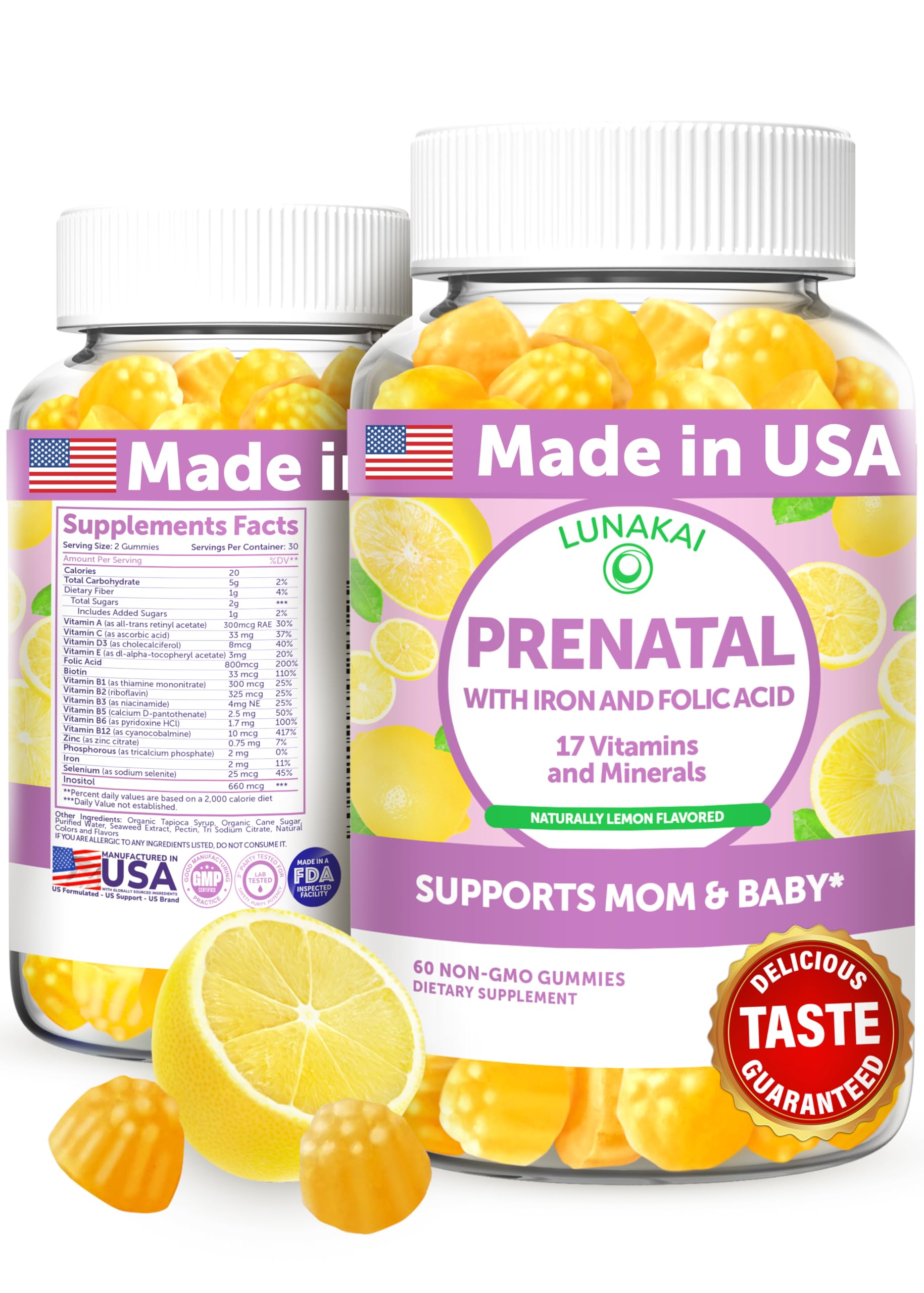
- Read the Label Meticulously: Look at the Supplement Facts panel. Check forms (e.g., methylfolate), doses, and what’s not there. Don’t just rely on marketing claims on the front of the bottle.
- Consider Your Diet: Are you vegetarian? You’ll need a vegan DHA (from algae) and a B12 source. Do you eat fortified dairy? Your calcium needs from the supplement may be lower.
- Think About Timing: Postnatal gummies are also crucial. The demands of breastfeeding are similar to pregnancy. A postnatal or continued prenatal vitamin helps replenish maternal stores and supports milk quality. Look for blends that may include more choline, vitamin D, and nutrients for postpartum recovery.
- Sample and Assess: Buy a small bottle first. How do you feel? Is it causing nausea or constipation? Are you able to take it consistently? Consistency is more important than a "perfect" pill you can’t stomach.
Potential Side Effects and How to Manage Them
Even the best prenatal vitamins can cause minor side effects.
- Nausea: Try taking them with food or just before bed. Gummies are often better tolerated.
- Constipation (usually from iron): Increase water, fiber, and physical activity. Your provider may recommend a stool softener or a different form of iron (like ferrous bisglycinate).
- "Vitamin Burps" or Aftertaste: This is common with fish-oil DHA. Try a refrigerated product, an algae-based DHA, or take it at night.
- Upset Stomach: Avoid taking on an empty stomach. Splitting the dose (half in AM, half in PM) can also help.
If side effects are severe, a different formulation (like switching to a prenatal gummy and separate iron) is often the solution.
Frequently Asked Questions (FAQ)
Q: When should I start taking prenatal vitamins? A: Ideally, at least one to three months before conception. Since neural tube development happens in the first month of pregnancy (often before you know you're pregnant), starting early ensures optimal folic acid levels.
Q: Can I just take regular women’s multivitamins instead? A: No. Prenatal vitamins are specifically formulated with higher amounts of key nutrients like folic acid and iron that are critical for pregnancy. A regular multivitamin does not meet these increased demands.
Q: Are prenatal gummies as effective as pills? A: For the nutrients they contain, yes. The primary concern is completeness. If a gummy lacks iron and you compensate correctly (through diet and/or a separate supplement as guided by your doctor), then they can be just as effective and are superior if they ensure you take them consistently.
Q: Do I need to switch to a postnatal vitamin after birth? A: Yes, it is highly recommended. Postnatal gummies or vitamins are tailored for recovery, energy, and lactation support. They often have different iron levels (since you’re no longer supporting as much blood volume for a baby) and may include more nutrients for hair, skin, and stress support. Continuing your prenatal is also a common option, but a dedicated postnatal may be more targeted.
Q: What makes some prenatal vitamins more expensive than others? A: Cost differences come from the forms of nutrients used (e.g., methylfolate vs. folic acid), third-party testing for purity and potency, sourcing of ingredients (like algae vs. fish DHA), and branding. A more expensive vitamin isn’t automatically better—check the label to see if the premium is justified for your needs.
Q: How do I know if a prenatal vitamin is high quality? A: Look for brands that use third-party testing (like USP, NSF, or ConsumerLab.com verification). This ensures the product contains what the label says, in the amounts listed, and is free from harmful contaminants. A certificate of analysis (COA) from the manufacturer is a good sign.
Conclusion: Your Personalized Path to a Healthy Pregnancy
Choosing the right prenatal vitamin is a personal decision that balances science, your body’s tolerances, and your lifestyle. Whether you opt for comprehensive pills, convenient prenatal gummies, or a hybrid approach, the most important factor is selecting a well-formulated product that you can take consistently.
Begin the conversation with your healthcare provider, arm yourself with label-reading knowledge, and don’t be afraid to switch if your first choice isn’t working. The goal is to confidently nourish yourself and your baby through every stage—from preconception and pregnancy into the postpartum period with postnatal gummies or vitamins. By making an informed choice, you’re laying a powerful foundation for health and well-being.
Affiliate Disclosure
Gummy.mom may earn a commission from purchases made through links on this page. This helps support our research and content creation. We only recommend products we genuinely believe in and have thoroughly researched.