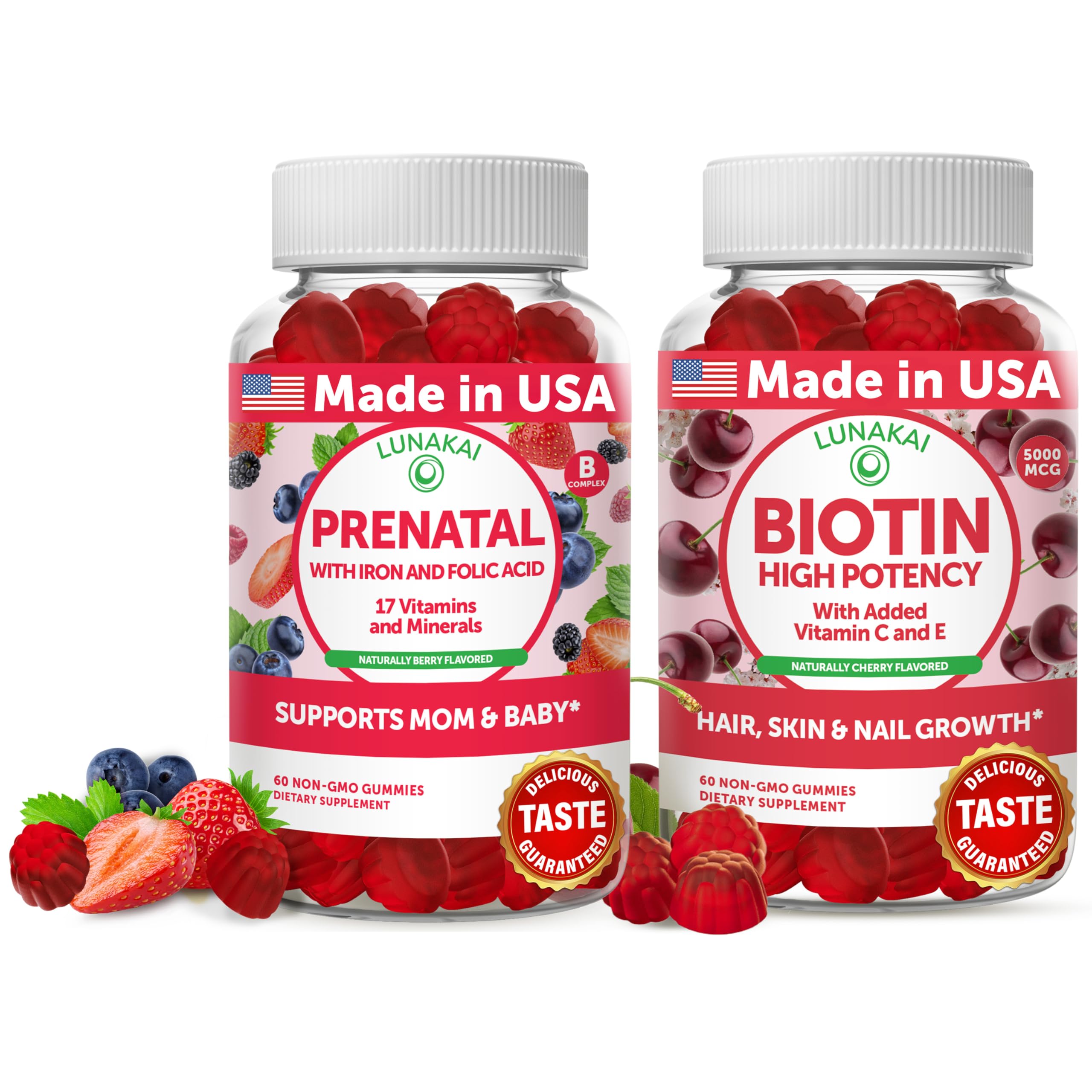
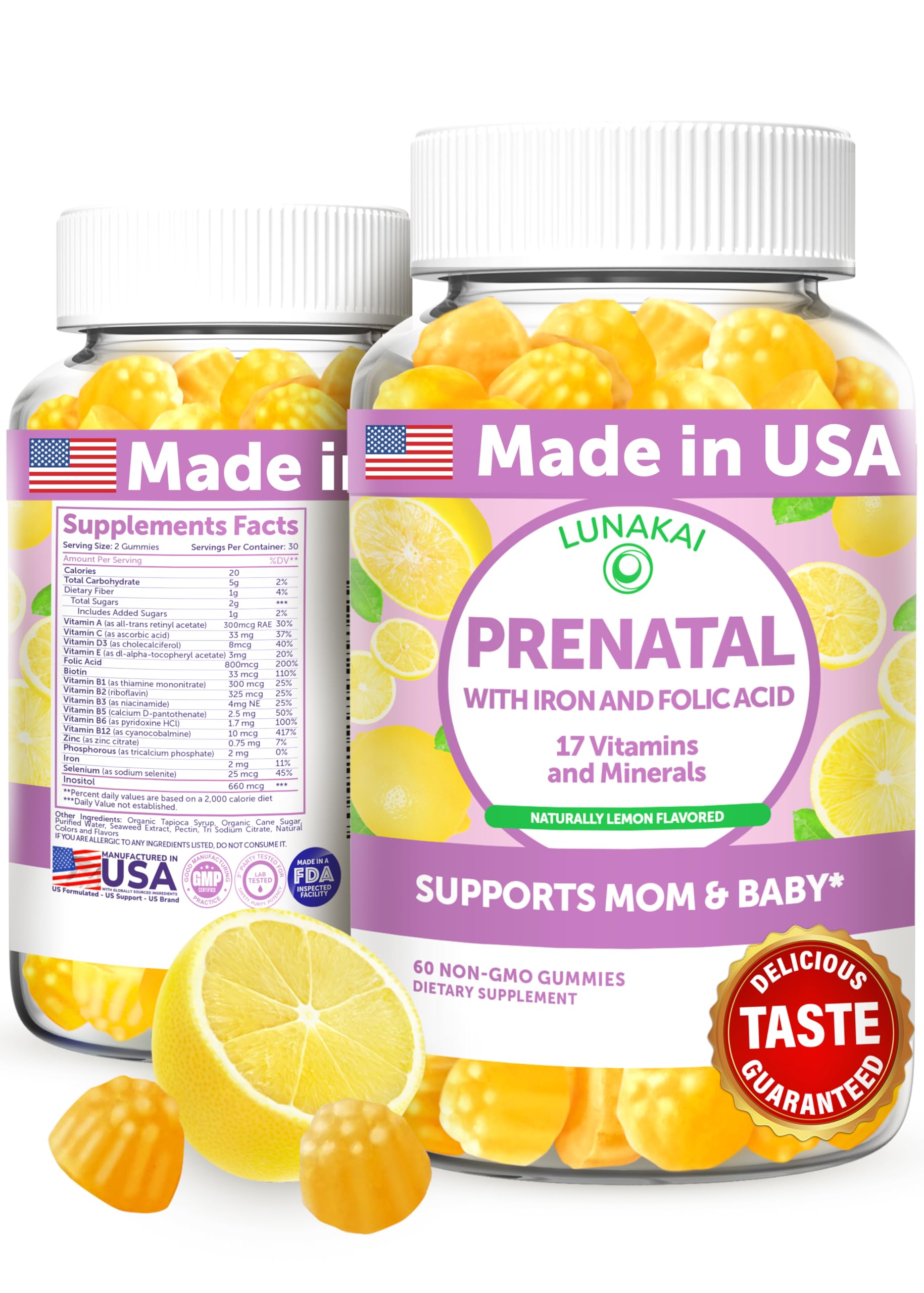
Prenatal Vitamins for Sensitive Stomach: Your Gentle Guide to Essential Pregnancy Nutrition
Navigating the world of prenatal vitamins can be challenging, especially when morning sickness, food aversions, and a sensitive stomach are part of the daily pregnancy experience. For many expecting and new moms, the very supplements meant to support a healthy pregnancy can become a source of discomfort. This comprehensive guide explores the world of prenatal vitamins for sensitive stomachs, with a special focus on the benefits and considerations of prenatal gummies. The goal is to provide the knowledge needed to make an informed, confident choice for both maternal and fetal well-being.
Why Stomach Sensitivity is Common During Pregnancy
Pregnancy brings profound hormonal changes that directly impact the digestive system. Elevated levels of progesterone relax smooth muscle tissue throughout the body, including in the gastrointestinal tract. This relaxation slows digestion, which can lead to nausea, heartburn, and a general feeling of fullness or discomfort. Furthermore, the physical pressure of a growing uterus and heightened senses of taste and smell can turn even the most benign supplement into a trigger for queasiness.
Traditional prenatal vitamins, often in large pill form and containing high doses of iron, are frequent culprits of stomach upset. This is where alternative formats, particularly prenatal gummies, have gained significant popularity as a gentler option for those with sensitive systems.
The Rise of Prenatal Gummies: A Gentler Alternative
Prenatal gummies have emerged as a palatable and often more tolerable solution for meeting nutritional needs during pregnancy and postpartum. Their appeal lies in their format: they are typically easier to chew and swallow, come in pleasant flavors that can mask vitamin tastes, and are often formulated without iron, which is a primary irritant for many. However, it is crucial to understand that "gentler" does not mean "less important." Selecting the right gummy requires careful attention to its nutritional profile to ensure it meets the heightened demands of pregnancy and lactation.
Key Benefits of Prenatal Gummies for Sensitive Stomachs
- Improved Tolerability: The chewable, often fruit-flavored nature of gummies makes them easier to take, especially during bouts of morning sickness. They bypass the "pill fear" or gag reflex that tablets can trigger.
- Easier Digestion: Gummies are generally digested more quickly and easily than large, dense tablets that can sometimes feel like they sit heavily in the stomach.
- Iron-Free Formulations: Many prenatal gummies omit iron, as it is a mineral notorious for causing constipation, nausea, and stomach cramping. This can be a major advantage for those with sensitivity, though it means iron needs must be assessed separately with a healthcare provider.
- Convenience and Consistency: A format that is easier and more pleasant to take promotes daily consistency, which is paramount for reaping the benefits of prenatal nutrition, particularly with nutrients like folic acid that require steady buildup.
Essential Nutrients to Look For in Prenatal Gummies
When evaluating prenatal vitamins for sensitive stomach, the ingredient list is the most critical factor. A quality prenatal gummy should contain a robust spectrum of vitamins and minerals, even in its gentle form.
1. Folic Acid (or Methylfolate) – The Non-Negotiable Foundation
This B vitamin is crucial for preventing neural tube defects in the developing baby. The CDC recommends at least 400 mcg daily before and during pregnancy. Many folic acid gummies provide this key nutrient in an easy-to-take form. Some formulas use methylfolate, the active form of folate, which may be easier for some individuals to absorb.
2. DHA – Building the Brain and Eyes
Docosahexaenoic acid (DHA) is an omega-3 fatty acid vital for fetal brain and visual development. While not always included in standard prenatal pills, many DHA prenatal gummies integrate this nutrient, often sourced from algae oil (a vegetarian-friendly option) or fish oil. Look for a product providing at least 200-300 mg of DHA.
3. Vitamin D3
Supports bone health for both mother and baby, immune function, and may play a role in preventing pregnancy complications. A dose of 600 IU (15 mcg) or more is common and beneficial.
4. Vitamin B12
Essential for red blood cell formation and neurological function. It is particularly important for vegetarian and vegan mothers. B12 also works synergistically with folate.
5. Iodine
Critical for the baby’s brain development and the mother’s thyroid function. The recommended intake increases significantly during pregnancy to 220 mcg daily.
6. Choline
An increasingly recognized important nutrient for fetal brain development and preventing neural tube defects. Many prenatal formulas are now including choline, though doses may vary.
7. Other Key Players:
Look for supporting nutrients like Vitamin C, Vitamin E, and B-complex vitamins (B6, which may help with nausea), as well as minerals like zinc.
Important Considerations and Potential Drawbacks
While prenatal gummies offer significant advantages for sensitive stomachs, they come with important considerations:
- Iron Omission: This is the most significant trade-off. Iron is vital for preventing maternal anemia and supporting the baby’s growth. If using an iron-free gummy, a separate iron supplement may be necessary, which should be discussed with a doctor or midwife. Iron is best taken on an empty stomach with vitamin C for absorption, but if it causes upset, taking it with a small amount of food is advised.
- Sugar Content: Gummies often contain added sugars, glucose syrup, or sugar alcohols for taste and texture. While the amount per serving is usually small, it’s a factor for those monitoring sugar intake or with gestational diabetes.
- Gelatin Source: Most gummies use gelatin, which is typically derived from animal sources (porcine or bovine). Vegetarians and vegans should seek out gummies made with pectin, a plant-based alternative.
- Precision of Dosing: Gummies can sometimes contain slightly variable amounts of nutrients compared to precisely measured tablets. Choosing reputable brands with strict manufacturing standards is key.
- Dental Health: The sticky, sugary nature of gummies means it’s important to practice good dental hygiene after taking them to protect against cavities.
How to Choose the Best Prenatal Gummies for You: Evaluation Criteria
Selecting the right product involves more than just picking a pleasant flavor. Here is a framework for evaluation:
- Nutrient Completeness: Does it cover the core essentials—especially folic acid, DHA, Vitamin D, iodine, and B12? Does it include emerging important nutrients like choline?
- Form of Nutrients: Are the nutrients in well-absorbed forms? For example, methylfolate instead of folic acid for some, or algae-based DHA for vegetarians.
- Allergen & Dietary Profile: Is it free from common allergens you need to avoid? Is the gelatin source acceptable for your diet? Is it non-GMO or organic if those are priorities?
- Sugar & Additive Content: What is the source and amount of sweetener? Are there artificial colors or flavors?
- Third-Party Testing: Does the brand have its products verified by independent labs (like USP, NSF, or ConsumerLab.com) for purity, potency, and absence of contaminants? This is a strong marker of quality.
- Healthcare Provider Approval: Always share your top choices with your obstetrician, midwife, or a registered dietitian. They can help you match a product to your specific health profile and needs.
Comparison of Prenatal Supplement Formats for Sensitive Stomachs
The table below compares common prenatal supplement formats to help illustrate where gummies fit within the landscape of options.
| Feature | Prenatal Gummies | Traditional Tablet/Capsule | Powdered Prenatals | Liquid Prenatals |
|---|---|---|---|---|
| Best For Stomach Sensitivity | Excellent – Often iron-free, easy to digest, palatable. | Variable – Can be harsh; some brands offer "gentle" formulas. | Good – Can be mixed with food/drink, often easier to digest. | Excellent – Very easy to digest and absorb. |
| Iron Inclusion | Rarely included. | Almost always included. | Sometimes included. | Sometimes included. |
| Ease of Taking | Very High – Pleasant taste, no swallowing required. | Low – Can be large and difficult to swallow. | Medium – Requires mixing. | High – Easy to swallow. |
| Typical Nutrient Absorption | Good | Good | Very Good | Excellent |
| Common Drawbacks | May contain sugar, often lacks iron, may use gelatin. | Can cause nausea, constipation, and are hard to swallow. | Can have a taste or texture, less convenient. | Can be perishable, often requires refrigeration, may have a taste. |
| Cost Consideration | Moderate to High | Moderate | Moderate to High | High |
Practical Tips for Taking Prenatal Vitamins with a Sensitive Stomach
- Timing is Everything: Take your prenatal gummy with a meal or a substantial snack. Having food in your stomach can significantly buffer any potential for nausea. A bedtime dose, taken with a small snack, can also work well if daytime nausea is severe.
- Start Slow: If you've had bad reactions before, consider starting with half a gummy for a few days to allow your system to adjust before taking the full dose.
- Stay Hydrated: Drink a full glass of water when you take your vitamin to aid in digestion and absorption.
- Listen to Your Body: If a particular flavor or brand consistently causes discomfort, don't force it. There are many formulations available, and another may be better tolerated.
- Address Iron Separately: If you need an iron supplement, work with your provider to find the gentlest form (e.g., iron bisglycinate) and take it at a different time of day than your gummy, perhaps with a source of vitamin C like orange juice.
The Postpartum Period: Don't Stop at Birth
The nutritional demands of a new mother remain high, especially if breastfeeding. Postnatal gummies can be a seamless continuation of support, aiding in recovery from birth, replenishing nutrient stores, and supporting milk production. Many of the same gentle benefits apply. Look for postnatal formulas that maintain key nutrients while potentially increasing focus on nutrients like Vitamin D, B vitamins, and choline for postpartum energy and well-being.
Frequently Asked Questions (FAQ)
Q1: Can prenatal gummies really be as effective as pills? A: Yes, provided they contain adequate doses of the essential nutrients. The effectiveness lies in the formulation, not the format. The key difference is usually the lack of iron in gummies, which must be addressed separately if needed. Always compare the Nutrition Facts label to recommended daily values for pregnancy.
Q2: I'm in my first trimester and very nauseous. Will gummies help? A: They often do. Many women find gummies far easier to tolerate during peak morning sickness due to their taste, smell, and ease of digestion. Starting with a small piece or taking one right before bed can be helpful strategies.
Q3: Are there any prenatal gummies that include iron? A: They are uncommon, as iron's taste and gastrointestinal effects are difficult to incorporate into a palatable gummy. A few brands may offer them, but they are the exception. Most healthcare providers recommend taking a separate, gentle iron supplement if blood tests indicate a need.
Q4: How do I know if I need a separate iron supplement? A: This should always be determined through a conversation with your healthcare provider, typically based on routine blood tests (like a hemoglobin or ferritin check) during pregnancy. Symptoms of iron deficiency anemia include extreme fatigue, pallor, shortness of breath, and dizziness.
Q5: Are prenatal gummies safe for long-term use postpartum? A: Absolutely. Continuing a prenatal or switching to a dedicated postnatal formula is recommended throughout breastfeeding and can be beneficial for general nutritional replenishment afterward. There is no time limit on taking a high-quality multivitamin designed for this life stage.
Q6: What should I do if even gummies upset my stomach? A: First, try the practical tips listed above (timing with food, etc.). If discomfort persists, consider other gentle formats like powders or liquids. Most importantly, consult your healthcare provider. They can help rule out other issues and may have specific brand recommendations or alternative plans to ensure you and your baby get necessary nutrition.
Choosing the right prenatal vitamins for sensitive stomach is a vital step toward a healthier, more comfortable pregnancy journey. Prenatal gummies represent a significant advancement in making essential nutrition accessible and tolerable. By focusing on a complete nutrient profile, understanding the trade-offs like iron omission, and selecting a high-quality, third-party-tested product, expecting and new moms can confidently support their health and their baby's development. Always make this decision in partnership with a prenatal care provider who knows your individual health history and needs. The best prenatal vitamin is the one you can take consistently, comfortably, and with confidence.
Affiliate Disclosure
Gummy.mom may earn a commission from purchases made through links on this page. This helps support our research and content creation. We only recommend products we genuinely believe in and have thoroughly researched.