Prenatal vs Regular Multivitamin: The Essential Guide for Expecting and New Moms
Choosing the right supplement is a cornerstone of a healthy pregnancy and postpartum journey. For many, the convenience and palatability of gummies make them an attractive option. But when standing in the supplement aisle, a critical question arises: What’s the real difference between a prenatal and a regular multivitamin? This isn't just a matter of marketing; it's about the specific, heightened nutritional demands of creating and nurturing new life. This comprehensive guide will break down the key distinctions, benefits, and considerations to help you make the most informed choice for this special chapter.
Understanding the Core Mission: Targeted Nutrition
At their heart, all multivitamins aim to fill nutritional gaps in the diet. However, their formulations are built for different primary objectives.
A regular multivitamin is designed for the general adult population. Its goal is to maintain baseline health, support immune function, energy metabolism, and overall well-being based on the Recommended Dietary Allowances (RDAs) for the average person.
A prenatal multivitamin, on the other hand, is a specialized tool. Its mission is singular: to support the immense physiological demands of pregnancy, fetal development, and postpartum recovery. It is formulated not just for one person, but to provide the essential building blocks for two, particularly during the critical early stages of neural tube development.
The Nutrient Breakdown: A Side-by-Side Comparison
The most significant differences lie in the dosage and inclusion of specific key nutrients. Here’s a detailed look at what sets prenatal vitamins apart.
The Non-Negotiables in Prenatal Formulas
-
Folic Acid (Folate): The Foundation
- Prenatal Dose: Typically 600-800 mcg (micrograms).
- Regular Multivitamin Dose: Often 400 mcg or less.
- Why It's Critical: Folic acid is crucial for preventing neural tube defects (NTDs) like spina bifida. This development occurs in the first 28 days of pregnancy—often before a person even knows they are pregnant. The higher dose in prenatal vitamins ensures adequate levels during this vital window and supports rapid cell growth throughout pregnancy.
-
Iron: For Blood and Oxygen
- Prenatal Dose: Usually 27 mg.
- Regular Multivitamin Dose: Often 18 mg or less; some "men's" or "senior" formulas omit it entirely.
- Why It's Critical: Pregnancy increases blood volume by nearly 50%. Iron is essential to make hemoglobin, the protein in red blood cells that carries oxygen to you and your baby. Deficiency can lead to maternal anemia, fatigue, and increase the risk of preterm delivery and low birth weight.
-
Calcium & Vitamin D: Building Strong Bones
- Prenatal Dose: Calcium around 200-300 mg per serving (often requires separate supplementation). Vitamin D typically 600 IU (International Units) or more.
- Regular Multivitamin Dose: Varies widely.
- Why It's Critical: The baby draws calcium from the mother's bones to build its own skeleton. Adequate intake preserves maternal bone density. Vitamin D is essential for calcium absorption and also plays a role in immune function and cell growth.
-
DHA (Docosahexaenoic Acid): The Brain Booster
- Prenatal: Frequently included, especially in premium or comprehensive formulas.
- Regular Multivitamin: Rarely included.
- Why It's Critical: DHA is an omega-3 fatty acid that is a primary structural component of the fetal brain and retina. Adequate DHA intake is associated with optimal brain development and visual acuity. It may also support maternal mood and help reduce the risk of preterm birth.
-
Choline: The Emerging Star
- Prenatal: Increasingly being added to advanced formulas.
- Regular Multivitamin: Often absent or in minimal amounts.
- Why It's Critical: Choline supports the baby's brain and spinal cord development and helps prevent neural tube defects. It works synergistically with folic acid. The demand for choline increases substantially during pregnancy.
Comparison Table: Prenatal vs. Regular Multivitamin
| Nutrient | Role in Pregnancy | Typical Prenatal Dose | Typical Regular Multi Dose | Key Consideration |
|---|---|---|---|---|
| Folic Acid | Prevents neural tube defects | 600-800 mcg | ~400 mcg | Most critical in first trimester |
| Iron | Prevents anemia, supports blood volume | 27 mg | 0-18 mg | Can cause constipation; often better absorbed apart from calcium |
| Calcium | Builds fetal bones/skeleton | 200-300 mg (often supplemental) | Varies | Baby will leach it from mom's bones if diet is insufficient |
| Vitamin D | Aids calcium absorption, immune function | 600 IU+ | 400-800 IU | Especially important with limited sun exposure |
| DHA | Fetal brain & eye development | 200-300 mg often added | Rarely included | Look for purity/sustainability sourcing |
| Iodine | Supports baby's brain & thyroid | 150 mcg | Often 150 mcg (but not always) | Critical for neurodevelopment |
| Vitamin A | Cell growth, vision, immune function | Often as Beta-Carotene (safer form) | May be as Retinol (pre-formed) | Excessive pre-formed Vitamin A (retinol) can be teratogenic |
| Zinc | DNA synthesis, cell growth | 11 mg | ~11 mg | Supports immune function for mom and baby |
Prenatal Gummies: A Special Consideration
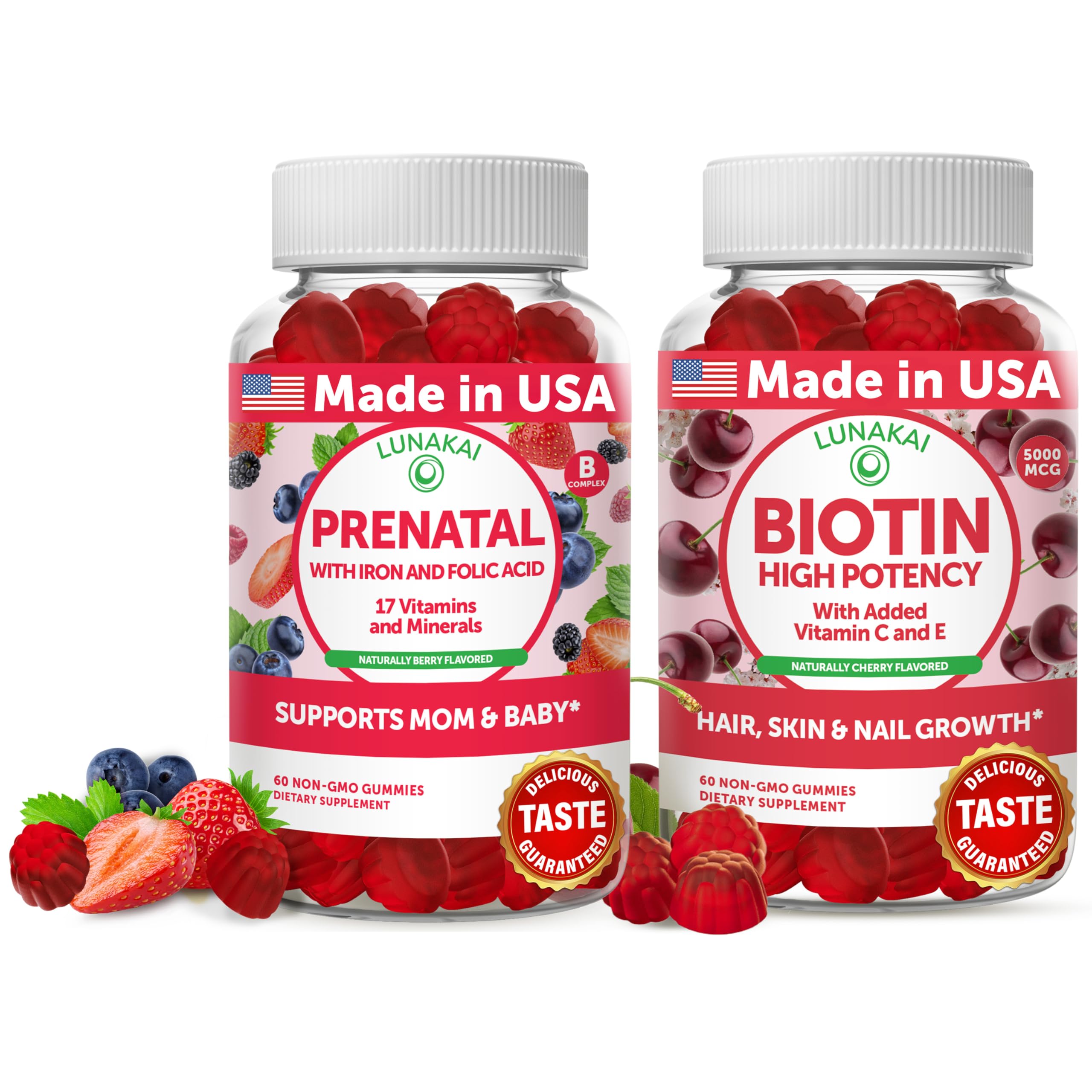
Prenatal vitamin gummies have surged in popularity, especially for those struggling with nausea ("morning sickness") or pill aversion. They offer a palatable, convenient alternative. However, there are important factors to weigh:
Benefits of Prenatal Gummies:
- Easier on a Sensitive Stomach: Often better tolerated than large pills, especially during first-trimester nausea.
- Improved Compliance: A pleasant taste can make it easier to remember daily intake.
- No Swallowing Issues: Ideal for individuals who have difficulty swallowing pills.
Considerations with Prenatal Gummies:
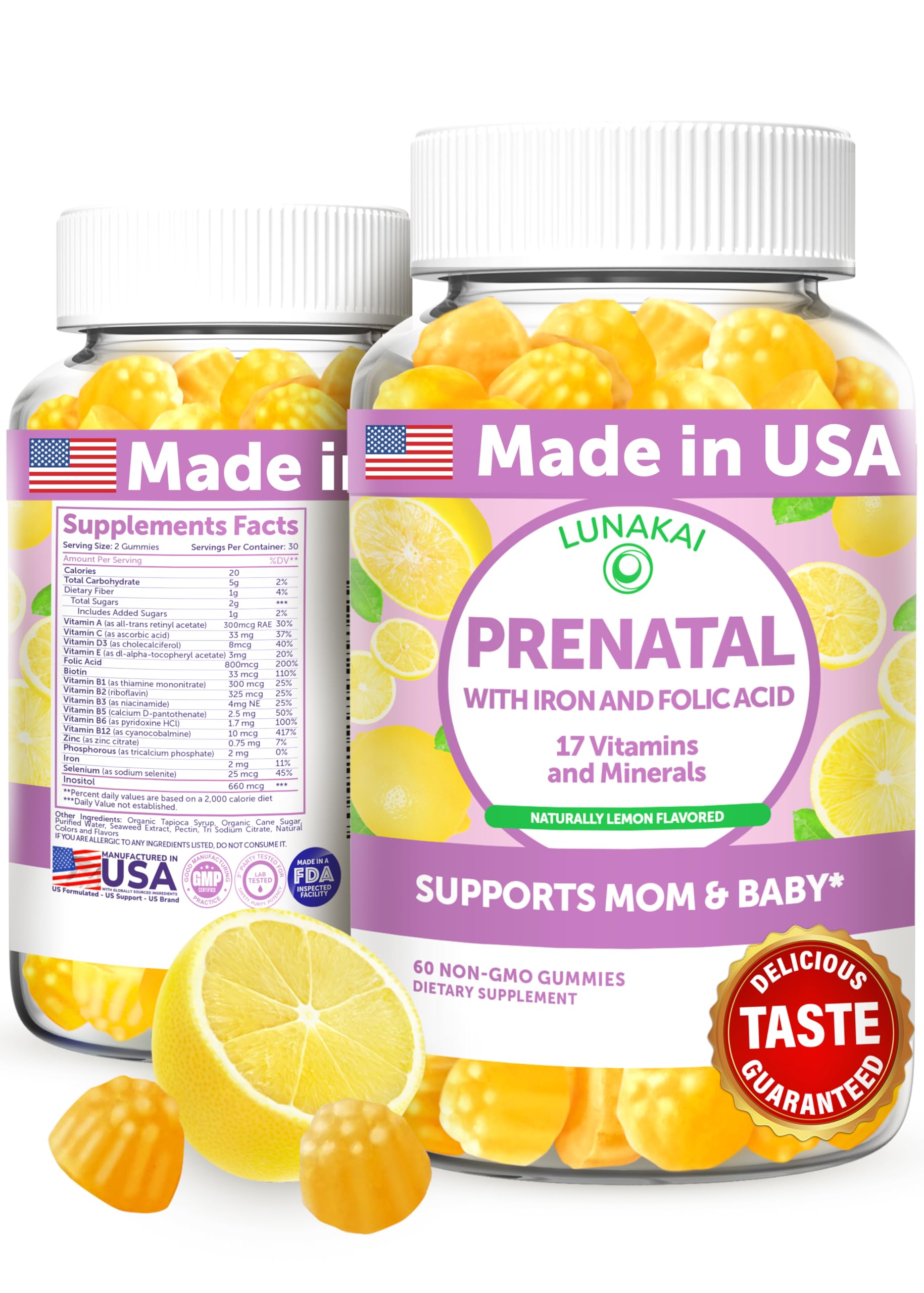
- Common Omissions: Due to formulation challenges, gummies often do not contain iron or calcium in significant amounts. These minerals are difficult to incorporate into a stable, good-tasting gummy. It is crucial to check the label and likely supplement these separately under a healthcare provider's guidance.
- Sugar Content: Gummies contain sugar or sugar alcohols for taste and texture. While the amount is usually small, it's a factor for those monitoring sugar intake or dealing with gestational diabetes.
- Potency & Fillers: The gummy format may contain more "other ingredients" (gelatin, pectin, colors, flavors) compared to a compact tablet or capsule.
- DHA Source: In DHA prenatal gummies, the DHA is typically derived from algae (vegetarian) or fish oil. Algae-based DHA is an excellent sustainable and allergen-free option.
Who Should Take Which Vitamin? Making the Right Choice
Choose a Prenatal Multivitamin If:
- You are pregnant or trying to conceive: This is the most crucial time. Start taking prenatal vitamins at least 3 months before conception if possible.
- You are breastfeeding (postnatal): Nutritional demands remain high postpartum to support recovery and milk production. Postnatal gummies or continuing prenatals are often recommended.
- Your healthcare provider advises it: For some individuals with heavy menstrual bleeding or specific deficiencies, a doctor may recommend a prenatal for its higher iron and folate content even outside of pregnancy.
A Regular Multivitamin May Suffice If:
- You are not pregnant, not planning to become pregnant, and not breastfeeding.
- You are looking for general nutritional support to complement a balanced diet.
- You have specific needs addressed by a specialized formula (e.g., a senior formula with more B12, an athletic formula, etc.).
Actionable Advice: Anyone capable of becoming pregnant should consider a prenatal vitamin during their childbearing years as a safeguard, given that nearly half of all pregnancies are unplanned. The neural tube closes very early on.
Timing, Dosing, and What to Look For
When to Start: The ideal time to start taking pregnancy vitamins is at least one to three months before conception. Since folic acid is most critical in the earliest weeks, being proactive is key.
When to Take Them: Prenatal vitamins are often best taken with a meal to enhance absorption and reduce the chance of nausea. If iron causes stomach upset, taking it at bedtime or with a small snack can help. Remember, calcium can inhibit iron absorption, so if you are taking separate supplements, take them at different times of the day.
What to Look for on a Label (The Checklist):
- ✅ Folic Acid/Folate: 600-800 mcg. Methylfolate is a bioavailable form for those with the MTHFR gene variant.
- ✅ Iron: Around 27 mg of a well-absorbed form like ferrous bisglycinate (gentler on the stomach).
- ✅ DHA: 200-300 mg from a pure, sustainable source.
- ✅ Iodine: 150 mcg.
- ✅ Vitamin D: 600 IU or more.
- ✅ Choline: 450 mg (increasing to 550 mg when breastfeeding) – a bonus if included.
- ⚠️ Vitamin A: Ensure it comes primarily from beta-carotene, not excessive retinol.
- ⚠️ For Gummies: Note the absence of iron/calcium and plan accordingly with your doctor.
Potential Side Effects and Considerations
Even the best prenatal vitamins can have side effects. Being aware helps manage them:
- Nausea: Taking with food or at night can mitigate this.
- Constipation: Primarily from iron. Increasing water, fiber intake, and physical activity helps. A stool softener may be recommended by your provider.
- Dark Stools: A harmless effect of iron supplementation.
- Metallic Taste: A common but temporary complaint.
- "Pill" Burden: If your prenatal gummy lacks iron/calcium, you may need 2-3 separate supplements daily.
Crucial Reminder: A prenatal vitamin is a supplement, not a replacement for a nutrient-dense diet. It is meant to "fill the gaps" in addition to eating a variety of whole foods like leafy greens, lean proteins, healthy fats, and whole grains.
Frequently Asked Questions (FAQ)
Q1: Can I just take a regular multivitamin during pregnancy? While better than nothing, a regular multivitamin is not optimized for pregnancy. It likely lacks sufficient folic acid and iron, which are critical for preventing birth defects and anemia. It is strongly recommended to switch to a dedicated prenatal formula.
Q2: How long should I take prenatal vitamins after giving birth? It is generally recommended to continue taking prenatal vitamins throughout the entire time you are breastfeeding. Postnatal depletion is real, and your body needs sustained nutritional support for recovery and milk production. Many continue with prenatals or switch to a specific postnatal gummy formulation.
Q3: Are prenatal gummies as effective as pills? They can be equally effective for the nutrients they contain. The primary caveat is that gummies frequently lack sufficient iron and calcium. If you choose a gummy, you must work with your healthcare provider to ensure you are getting adequate amounts of these key minerals from other sources (diet or separate supplements).
Q4: What makes the "best prenatal vitamins" for 2026? Trends point towards more comprehensive formulations that include emerging nutrients like choline and methylated B-vitamins (for better absorption), higher-quality, gentler forms of iron, sustainable sourcing of DHA (like algae oil), and cleaner ingredient lists with less sugar and artificial additives. Personalization and third-party testing for purity are also becoming key differentiators.
Q5: I'm experiencing severe nausea with my prenatal. What can I do? Try taking it at bedtime with a small snack. Switching to a prenatal gummy (which often lacks iron, a common nausea trigger) may help, but discuss iron supplementation with your doctor. Some find that taking just folic acid and DHA separately during the worst nausea phase is more tolerable. Always consult your provider before making changes.
Q6: Is it safe to take prenatal vitamins if I'm not pregnant and not planning to be? For most people, yes, it is safe in the short term. However, the high iron content may be unnecessary and could cause digestive issues or mask symptoms of other conditions. For long-term use without pregnancy, a regular multivitamin tailored to your age and sex is usually more appropriate.
Final Thoughts: An Informed Decision for a Healthy Journey
The choice between a prenatal and a regular multivitamin is defined by purpose. For the profound journey of pregnancy, preconception, and postpartum recovery, a prenatal multivitamin is the unequivocally specialized tool designed for the job. Its meticulously calibrated levels of folic acid, iron, DHA, and other nutrients provide targeted support that a general multivitamin cannot match.
When considering the format—be it tablet, capsule, or prenatal gummy—the most important step is to become a label detective. Understand what is and isn't in your chosen supplement. Partner with your healthcare provider to ensure your regimen meets your and your baby's unique needs. By making an informed choice, you are laying a powerful foundation of nutritional support for one of life's most incredible chapters.
Affiliate Disclosure
Gummy.mom may earn a commission from purchases made through links on this page. This helps support our research and content creation. We only recommend products we genuinely believe in and have thoroughly researched.