Probiotic Strains in Gummies: Your Guide to Strains, Benefits, and Choosing Wisely
For many, the word "probiotic" conjures images of yogurt and tangy fermented foods. Today, a sweeter, more convenient option has taken center stage: probiotic gummies. These chewable supplements promise to deliver the benefits of beneficial bacteria in a tasty, easy-to-take format. But beyond the flavor and convenience lies the most critical factor determining a probiotic's effectiveness: the specific strains it contains. Not all probiotics are created equal, and understanding probiotic strains in gummies is the key to unlocking their true potential for gut health, digestive balance, and immune support.
This comprehensive guide delves into the science of probiotic strains, explains what makes gummies unique, and provides actionable advice for selecting a high-quality supplement that aligns with your health goals.
What Are Probiotic Strains and Why Do They Matter?
At its core, a probiotic is a live microorganism that, when administered in adequate amounts, confers a health benefit on the host. Think of "probiotics" as the general category—like "dog." Within that category, you have different species (like Lactobacillus or Bifidobacterium), and within each species, you have specific strains (like Lactobacillus acidophilus LA-5 or Bifidobacterium lactis BB-12).
The strain is the precise genetic identity of the bacterium. This is paramount because health benefits are strain-specific. One strain of Lactobacillus acidophilus may be rigorously studied for its ability to support vaginal health, while another might be researched for its role in cholesterol metabolism. Simply seeing "L. acidophilus" on a label isn't enough; the specific strain designation indicates the particular bacterium with documented effects.
The "CFU" Count: More Isn't Always Better
CFU stands for Colony Forming Units, a measure of the viable, live bacteria in a dose. While a sufficient CFU count is crucial (typically ranging from 1 to 50 billion for adults), it's secondary to strain specificity. A gummy with 50 billion CFU of poorly-researched or non-viable strains is less effective than one with 5 billion CFU of clinically-studied, robust strains that survive stomach acid. The goal is delivery of the right strains, alive, to the intestines.
How Probiotic Gummies Work: The Journey to Your Gut
Taking a probiotic gummy is the start of a microscopic adventure. For the bacteria to provide benefits, they must survive a challenging journey:
- The Mouth: Chewing begins the process. The gummy's format may offer some initial protection.
- The Stomach: This is the biggest hurdle. Stomach acid (pH 1.5-3.5) is designed to kill pathogens. Many probiotic strains are inherently acid-sensitive.
- The Small Intestine: Bile salts present another challenge for bacterial survival.
- The Colon: The ultimate destination. Surviving bacteria can temporarily colonize the gut, interacting with the existing microbiome, supporting the gut lining, and modulating the immune system.
The Gummy Advantage (and Challenge): Gummies are popular due to their palatability, which improves adherence. They often don't require refrigeration, making them portable. However, the gummy format—with its sugars, gelatin or pectin, flavors, and colors—can pose stability challenges for delicate live bacteria. Furthermore, the heating processes used in gummy manufacturing can kill probiotics if not carefully controlled. This makes the manufacturing technology and quality assurance behind a probiotic gummy brand critically important.
Key Probiotic Strains Commonly Found in Gummies and Their Benefits
Here are some of the most well-researched probiotic strains you might encounter, along with their associated health benefits.
Lactobacillus Species
Often found in the small intestine, these are some of the most common probiotics.
- Lactobacillus acidophilus (e.g., strains LA-5, NCFM): One of the most recognized probiotics. It supports nutrient absorption (particularly lactose digestion), helps maintain a balanced gut environment, and contributes to overall digestive comfort.
- Lactobacillus rhamnosus (e.g., strain GG, or LGG®): Renowned for its resilience to stomach acid and bile. Extensive research links LGG® to immune support, digestive health, and its use in managing occasional diarrhea, especially in children.
- Lactobacillus plantarum (e.g., strain 299v): A particularly hardy strain that excels at surviving the GI tract. It is studied for its role in supporting gut barrier function, reducing occasional bloating and abdominal discomfort, and modulating the immune response.
- Lactobacillus reuteri (e.g., strain DSM 17938): Known for its ability to colonize multiple areas of the body. Research points to benefits for gut health, immune function, and even oral health.
Bifidobacterium Species
These bacteria primarily reside in the large intestine (colon) and are crucial for breaking down fiber, producing vitamins, and crowding out harmful bacteria.
- Bifidobacterium lactis (e.g., strains BB-12®, HN019): A workhorse for digestive balance. B. lactis is strongly associated with promoting regular bowel movements, reducing transit time, and enhancing immune defense. It's a staple in many high-quality supplements.
- Bifidobacterium longum (e.g., strains BB536, ES1): This strain helps maintain the integrity of the gut lining, supports the body's stress response, and aids in the metabolism of carbohydrates.
- Bifidobacterium breve (e.g., strain BR03): Often used to support a balanced microbiome, especially after disruptions. It competes with less desirable microbes for resources and space.
Streptococcus Species
- Streptococcus thermophilus: Frequently used in yogurt production, this strain can help break down lactose and produce lactase, the enzyme needed to digest dairy sugars. It often works synergistically with other strains.
The Role of Prebiotics
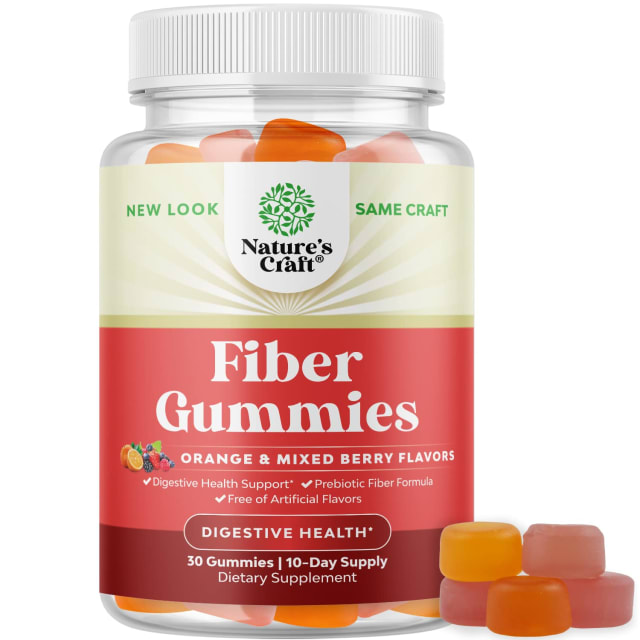
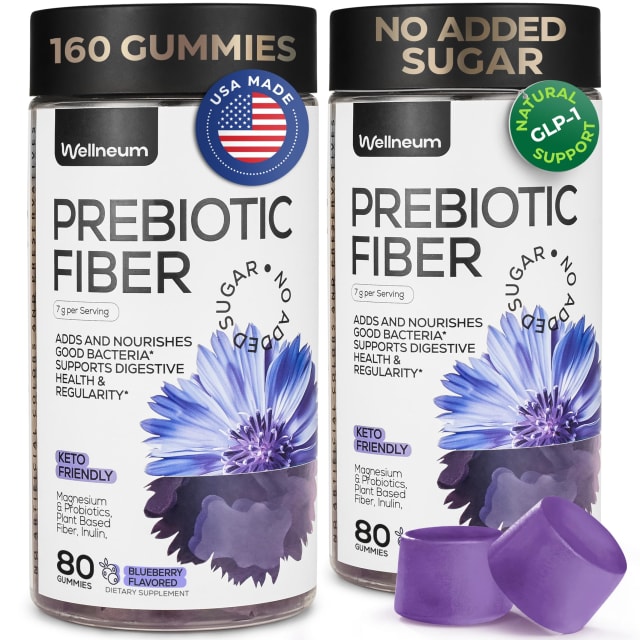
Many probiotic gummies also include prebiotics, such as inulin (from chicory root) or fructooligosaccharides (FOS). Prebiotics are non-digestible fibers that serve as food for probiotics, helping them thrive and multiply in the gut. A product containing both is often called a synbiotic.
Choosing the Right Probiotic Gummy: A Practical Checklist
Navigating the supplement aisle can be overwhelming. Use this checklist to evaluate options.
1. Look for Strain Specificity on the Label.
- Avoid: Labels that just say "Lactobacillus blend" or "5 billion CFU."
- Seek: Labels listing the full genus, species, and strain (e.g., Lactobacillus acidophilus LA-5). This transparency is a mark of a quality brand that uses researched ingredients.
2. Check the CFU Count at Time of Expiration, Not Manufacture.
- Probiotics are live and their numbers decline over time. A reputable brand will guarantee the CFU count through the end of shelf life, ensuring you get a potent dose until the expiration date.
3. Assess the "Other Ingredients" List.
- Gummies require binders, sweeteners, and flavors. Look for:
- Minimal added sugars: Some sugar is necessary for taste and texture, but avoid those where sugar is the first ingredient.
- Natural colors & flavors: When possible.
- Allergen info: Check for gelatin (animal-based) if you're vegan/vegetarian; pectin is a common plant-based alternative.
4. Consider Your Primary Health Goal.
- Match strains to your desired outcome. A general digestive health blend will differ from one targeted for immune support or women's health.
5. Research the Brand's Reputation.
- Look for brands that invest in third-party testing for purity, potency, and label accuracy. Do they use strains backed by clinical studies?
Comparison of Common Probiotic Strain Benefits
| Strain (Example) | Primary Benefits | Best For |
|---|---|---|
| Lactobacillus rhamnosus GG (LGG®) | Immune support, digestive balance, managing occasional diarrhea | General wellness, families, travelers |
| Bifidobacterium lactis BB-12® | Promoting regularity, digestive comfort, immune function | Those seeking digestive balance & regularity |
| Lactobacillus acidophilus NCFM | Nutrient absorption (lactose), supporting gut balance | Individuals with dairy sensitivity, general gut health |
| Lactobacillus plantarum 299v | Reducing bloating & discomfort, supporting gut barrier | Individuals with occasional bloating or IBS-type symptoms |
| Bifidobacterium longum BB536 | Gut lining support, stress response, carbohydrate metabolism | Overall microbiome support during stressful periods |
| Streptococcus thermophilus | Lactose digestion, synergistic support | Often paired with other strains for enhanced effect |
Dosing, Timing, and Important Considerations
Dosing: There is no universal "best" dose. Most adult probiotic gummies offer between 1 and 10 billion CFU per serving. For general maintenance, 1-5 billion CFU of well-selected strains is often sufficient. For specific concerns or after antibiotic use, a higher dose (10-50 billion CFU) may be beneficial, often found in capsules rather than gummies. Always follow the product's recommended dosage.
Timing: Consistency is more important than the exact time of day. Taking your gummy daily, ideally with or just before a meal, can help. The presence of food can buffer stomach acid, improving survival rates for the bacteria. Many find taking it with breakfast or dinner helps establish a routine.
Considerations and Potential Side Effects:
- Start Low and Go Slow: Introducing new bacteria can cause temporary gas or bloating as your microbiome adjusts. Starting with half a gummy for a few days can ease this transition.
- Not an Instant Fix: Probiotics work gradually over weeks and months as they influence the complex ecosystem of your gut.
- Immunocompromised Individuals: Those with serious immune system conditions should consult a doctor before starting any probiotic.
- They Are a Supplement, Not a Substitute: Probiotic gummies support health but are not a replacement for a balanced diet rich in fiber from fruits, vegetables, and whole grains, which feed your entire microbiome.
Frequently Asked Questions (FAQ)
Q: Are probiotic gummies as effective as capsules or powders? A: They can be, provided they contain clinically-studied strains, guarantee potency through expiration, and use technology to ensure bacterial survival. Capsules often have an edge in delivering higher CFU counts and may have more advanced delivery systems (like enteric coating), but gummies win on adherence—the best probiotic is the one you remember to take consistently.
Q: Do probiotic gummies need to be refrigerated? A: Check the label. Many shelf-stable gummies use strains that are stable at room temperature or employ drying technologies (like freeze-drying) that preserve the bacteria. If the label says "refrigerate," it's essential to do so to maintain potency.
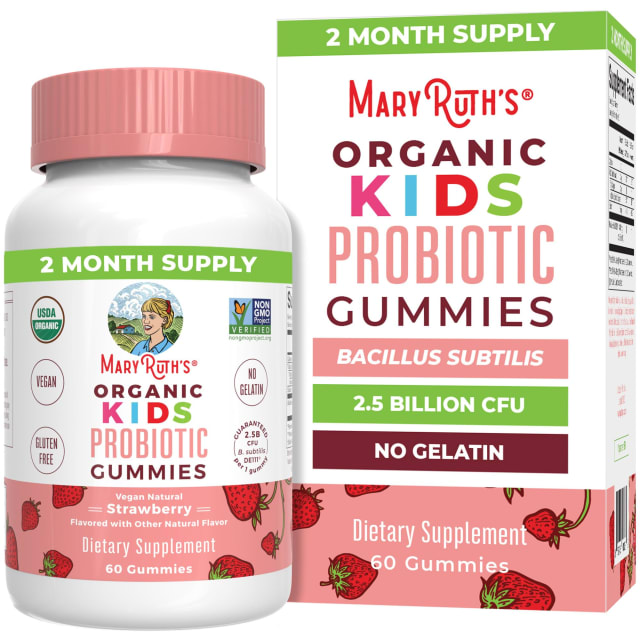
Q: Can children take probiotic gummies? A: Yes, many are formulated for children with age-appropriate strains and CFU counts. It is always prudent to choose a product specifically designed for children and consult with a pediatrician, especially for infants or children with underlying health conditions.
Q: How long does it take to feel the effects of a probiotic gummy? A: This varies widely. Some people notice subtle changes in digestion within a few days. For more systemic benefits like immune support or significant shifts in gut balance, it may take several weeks of consistent use.
Q: Can I take probiotics with antibiotics? A: It is a common and often recommended practice to help maintain gut balance during and after antibiotic treatment. However, to avoid the antibiotic killing the probiotic, it's best to space them apart by at least 2-3 hours. Always inform your prescribing doctor.
Q: What's the difference between probiotics and prebiotics? A: Probiotics are the live beneficial bacteria themselves. Prebiotics are the specialized plant fibers that act as food for these bacteria. Together, they work synergistically. Many high-quality gummies include both (making them synbiotics).
Conclusion: Making an Informed Choice for Your Gut Health
Probiotic gummies offer a delightful and convenient pathway to supporting the microbiome, a cornerstone of overall health. By moving beyond marketing claims and focusing on the science of probiotic strains, consumers can make empowered decisions. The key takeaways are to prioritize strain specificity, look for a guaranteed CFU count at expiration, choose a reputable brand, and pair supplementation with a fiber-rich diet.
Ultimately, the goal is to foster a diverse and resilient gut ecosystem. When selected wisely, probiotic gummies can be a valuable tool in that journey, contributing to digestive balance, immune function, and a foundation of well-being from the inside out.
Affiliate Disclosure
Gummy.mom may earn a commission from purchases made through links on this page. This helps support our research and content creation. We only recommend products we genuinely believe in and have thoroughly researched.