Where to Buy Probiotic Gummies: Your Complete Guide to Finding Quality Supplements
In the bustling world of dietary supplements, probiotic gummies have carved out a significant niche, offering a delicious and convenient path to better gut health. For those seeking digestive balance, immune support, and relief from bloating, these chewable supplements present an attractive alternative to capsules or powders. However, the sheer number of options and retailers can make the purchasing process overwhelming. This comprehensive guide is designed to navigate the landscape, providing clear, actionable advice on where to buy probiotic gummies, what to look for, and how to ensure you’re making a smart investment in your wellness.
Understanding Probiotic Gummies: More Than Just a Tasty Treat
Before embarking on the purchasing journey, it’s crucial to understand what probiotic gummies are and what they aim to do. At their core, these gummies are dietary supplements containing live beneficial bacteria (probiotics) and sometimes prebiotics—the fibers that feed these good bacteria. The primary goal is to support the microbiome, the community of trillions of microorganisms living in the digestive tract.
The key benefits driving their popularity include:
- Gut Health & Digestive Balance: Probiotics help maintain a healthy balance of gut flora, which is essential for smooth digestion.
- Immune Support: A significant portion of the immune system resides in the gut, making a balanced microbiome a cornerstone of immune function.
- Bloating Relief: By aiding digestion and reducing gas-producing bacteria, probiotics can alleviate uncomfortable bloating.
- Nutrient Absorption: A healthy gut environment improves the body’s ability to absorb vitamins and minerals from food.
What to Look for Before You Buy: The Essential Checklist
Not all probiotic gummies are created equal. Knowing what specifications to examine will empower you to choose a high-quality product, regardless of where you shop.
1. Strain Specificity and Diversity
Look for products that list the specific strains of bacteria (e.g., Lactobacillus acidophilus, Bifidobacterium lactis). Different strains offer different benefits. A product with multiple strains may offer broader support.
2. Colony Forming Units (CFU) Count
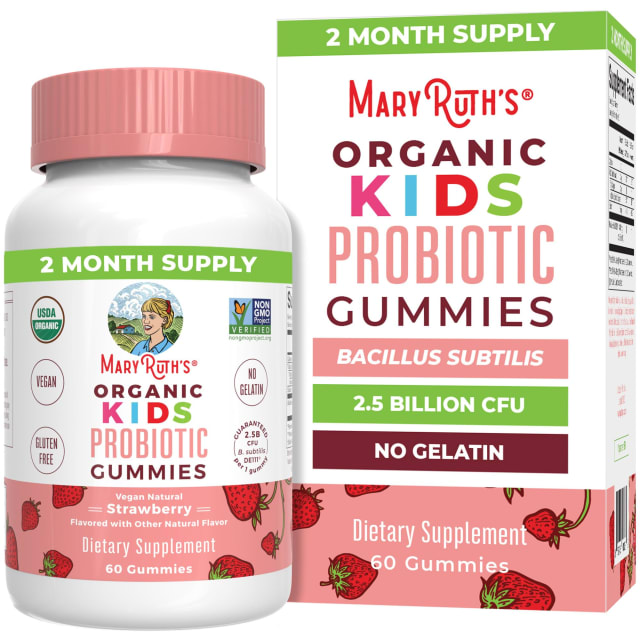
The CFU count indicates the number of live and active microorganisms in a dose. For gummies, a range between 1-10 billion CFU is common for daily maintenance. Higher isn’t always better; consistency and survivability are more important.
3. The Inclusion of Prebiotics
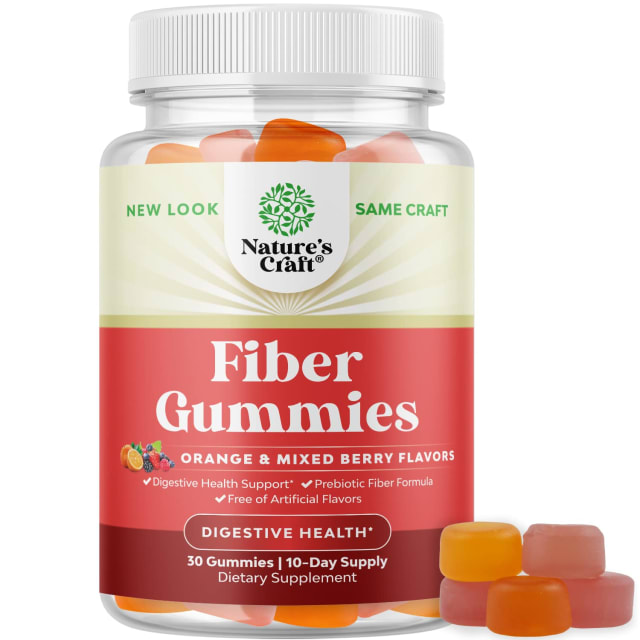
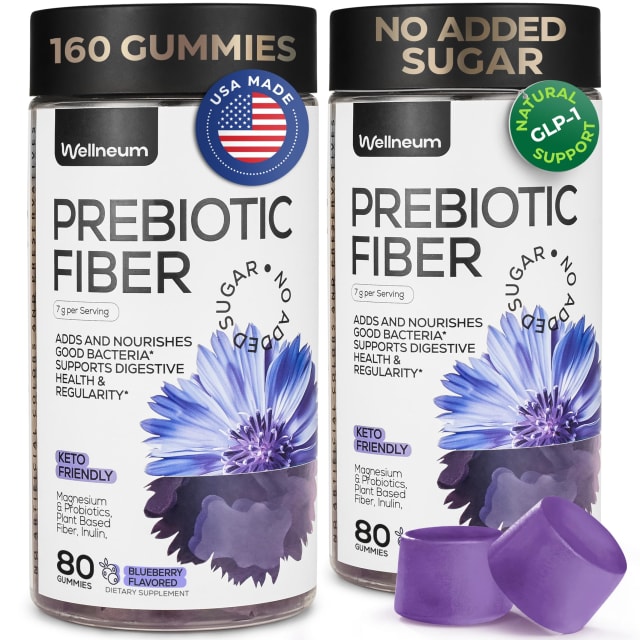
Some formulas add prebiotics like inulin or fructooligosaccharides (FOS). This combination, often called a synbiotic, helps nourish the probiotics, potentially making them more effective.
4. Sugar Content and Other Ingredients
Since gummies are inherently a sweet format, scrutinize the sugar source and amount. Options sweetened with organic cane sugar, tapioca syrup, or stevia are preferable to those with high-fructose corn syrup or excessive added sugars. Also, check for unnecessary artificial colors, flavors, or allergens.
5. Third-Party Testing and Quality Seals
Reputable brands invest in third-party testing for purity, potency, and label accuracy. Look for seals from organizations like NSF International, USP (United States Pharmacopeia), or Informed-Choice, which verify that what’s on the label is in the bottle.
6. Storage and Viability
Probiotics are live organisms. Check if the product requires refrigeration or is shelf-stable. Shelf-stable options often use specific packaging or strains to ensure viability, but they must still be stored in a cool, dry place.
Where to Buy Probiotic Gummies: A Comparison of Retailers
The ideal purchasing location depends on your priorities: convenience, price, selection, or expert advice. Below is a comparison of the primary retail avenues.
| Retail Channel | Pros | Cons | Best For |
|---|---|---|---|
| Online Marketplaces<br>(e.g., Amazon, Walmart.com) | Vast selection, competitive pricing, customer reviews, fast shipping, subscription discounts. | Risk of counterfeit products, overwhelming choice, limited personalized guidance. | Savvy shoppers who research brands, read reviews, and prioritize convenience and price. |
| Brand Direct Websites | Assurance of authenticity, access to full product line, potential for subscriber discounts/bundles, direct brand education. | Usually limited to one brand, may have higher shipping minimums. | Individuals loyal to a specific, trusted brand who want the freshest stock directly from the source. |
| Health Food & Vitamin Stores<br>(e.g., The Vitamin Shoppe, Whole Foods, local independents) | Expert staff, ability to see products physically, trusted curation, often carry niche brands. | Potentially higher prices, limited by physical inventory, less convenient than online. | Those who value in-person expert advice and want to support local or specialized businesses. |
| Major Retailers & Pharmacies<br>(e.g., CVS, Walgreens, Target, Costco) | Convenience, ability to purchase immediately, frequent sales and coupons, store brands can be cost-effective. | Selection may be limited to mainstream brands, less specialized knowledge from staff. | Shoppers wanting immediate access, combining with other groceries, or using existing store memberships. |
| Subscription Box Services<br>(e.g., Subscription-focused wellness boxes) | Discovery of new brands, curated selection, delivered regularly. | Lack of long-term consistency if brands rotate, can be more expensive per unit. | Individuals who enjoy trying new products and value the surprise and convenience of curation. |
Practical Tips for Each Buying Route
- When Buying Online: Always check the seller information on marketplaces. Opt for “Ships from and sold by [Brand Name or Reputable Retailer]” when possible. Read the most recent reviews to gauge current product quality.
- When Buying In-Store: Don’t hesitate to ask a staff member for recommendations, but come armed with your checklist (CFU count, strains, etc.). Check expiration dates on the packaging to ensure freshness.
- General Rule: Compare the price per serving, not just the total bottle cost. A slightly more expensive bottle with a higher serving count may be a better value.
How to Use Probiotic Gummies for Best Results
Purchasing is only the first step. Proper usage is key to experiencing the potential benefits.
Dosing: Always follow the manufacturer’s recommended dosage on the label. This is typically 1-2 gummies per day. Starting with one gummy daily allows your system to adjust.
Timing: Consistency is more critical than timing. Taking your gummy at roughly the same time each day, with or without food, helps maintain stable levels of probiotics in your gut. Some find taking them with a meal can help buffer stomach acid, aiding bacterial survival.
Considerations and Potential Side Effects: When first introducing probiotics, some individuals may experience mild, temporary side effects like gas or bloating as their gut flora adjusts. This usually subsides within a few days to a week. Those with severe immune deficiencies or critical illnesses should consult a doctor before use. Probiotics are supplements, not medications, and are intended to support, not treat or cure, any health condition.
Frequently Asked Questions (FAQ)
Q: Can children take probiotic gummies? A: Yes, but it is essential to choose a product specifically formulated for children, with strains and CFU counts appropriate for their age group. Always consult with a pediatrician before starting any new supplement for a child.
Q: Do probiotic gummies need to be refrigerated? A: It depends entirely on the product. Some do, and some are shelf-stable due to their manufacturing process. The label will provide clear storage instructions. Following these is crucial for maintaining the viability of the live cultures.
Q: How long does it take to feel the effects of probiotic gummies? A: This varies by individual and their gut health starting point. Some may notice subtle changes in digestion within a few days, while for others, it may take several weeks of consistent use. Patience and regularity are key.
Q: Are there enough live cultures (CFUs) in a gummy compared to a capsule? A: Modern gummy technology can effectively deliver potent CFU counts. While some high-potency capsules may offer higher counts (50-100 billion CFU), many gummies provide a sufficient daily dose (1-10 billion CFU) for general maintenance. The focus should be on quality strains and guaranteed viability through expiration.
Q: Can I take probiotic gummies with antibiotics? A: Taking probiotics during and after a course of antibiotics may help support gut flora, but timing is important. It is generally recommended to take the probiotic at least 2-3 hours apart from the antibiotic dose. Always discuss this with the prescribing healthcare provider.
Q: What’s the difference between probiotics and prebiotics, and do I need both? A: Probiotics are the live beneficial bacteria themselves. Prebiotics are the specialized plant fibers that act as food for these bacteria. Having both (a synbiotic) can be advantageous, as the prebiotic helps the probiotic thrive and colonize more effectively. Many gummy formulas now include both.
Making Your Final Decision
Finding where to buy probiotic gummies is a blend of logistics and science. By prioritizing a quality product with transparent labeling, appropriate strains, and a trustworthy CFU count, you lay the foundation. Then, choosing a retailer that aligns with your needs for convenience, price, or service completes the process. The journey to better gut health is a personal one, and starting with a well-informed, thoughtful purchase is the best first step. Remember, the most effective supplement is the one you take consistently, so choose a product and a purchasing path that fits seamlessly into your daily life.
Affiliate Disclosure
Gummy.mom may earn a commission from purchases made through links on this page. This helps support our research and content creation. We only recommend products we genuinely believe in and have thoroughly researched.