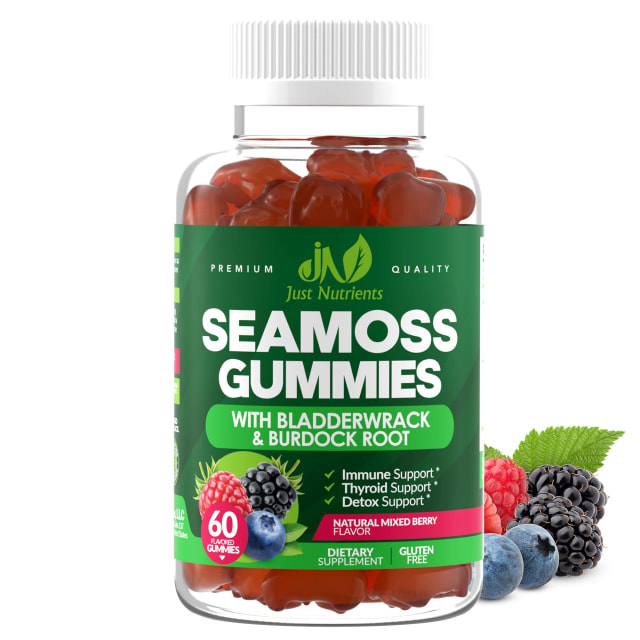
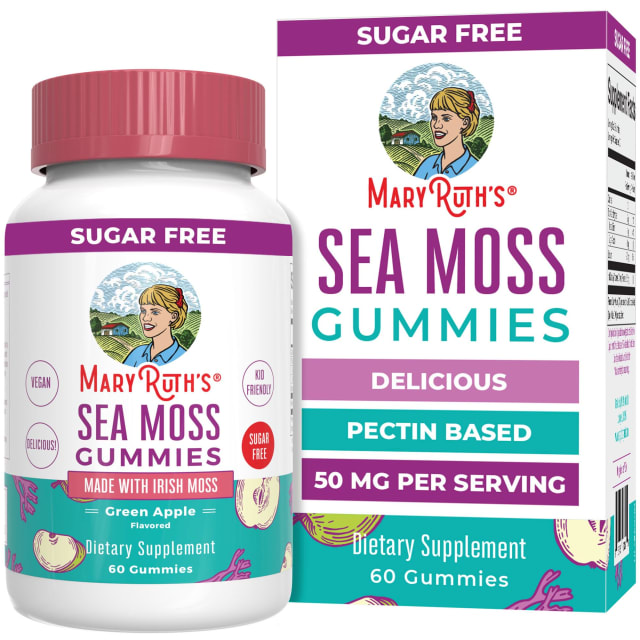
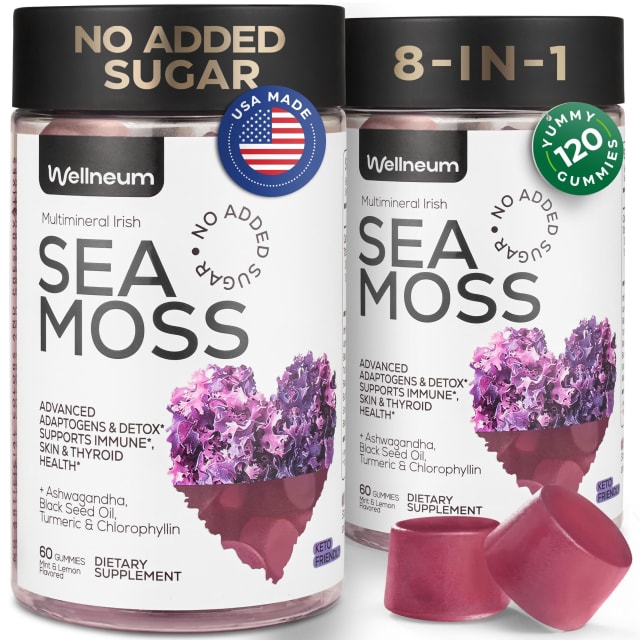
Sea Moss Gummies Iodine Content: Your Complete Guide to Thyroid Support and Ocean Minerals
Sea moss gummies have surged in popularity as a convenient and tasty way to harness the power of the ocean. At the heart of this trend is a critical question for health-conscious consumers: what about the iodine content? Iodine is a trace mineral essential for thyroid function, metabolism, and overall wellness, and sea moss is a renowned natural source. This comprehensive guide dives deep into the iodine content of sea moss gummies, exploring its benefits, considerations, and how to choose a product that supports your health goals safely and effectively.
What is Sea Moss and Why is Iodine Important?
Sea moss, scientifically known as Chondrus crispus and often called Irish moss, is a type of red algae harvested from the Atlantic coasts. For centuries, it has been valued in traditional cultures for its nutritional density. It’s celebrated for containing 92+ minerals and trace elements, including calcium, potassium, magnesium, and, most notably, iodine.
Iodine plays a non-negotiable role in human health. It is a fundamental building block for the thyroid hormones thyroxine (T4) and triiodothyronine (T3). These hormones regulate:
- Metabolic Rate: Controlling how the body uses energy.
- Growth and Development: Especially crucial for brain development in fetuses and infants.
- Body Temperature and Heart Rate.
- Cellular Repair and Protein Synthesis.
An iodine deficiency can lead to hypothyroidism, goiter (enlargement of the thyroid gland), fatigue, weight gain, and cognitive issues. Conversely, excessive iodine intake can also disrupt thyroid function, particularly in individuals with pre-existing thyroid conditions. This balance makes understanding the iodine content in supplements like sea moss gummies paramount.
The Iodine Content in Sea Moss Gummies: What to Expect
The iodine content in sea moss gummies is not standardized and can vary dramatically between brands. This variation depends on several key factors:
- Source of Sea Moss: Wild-harvested sea moss from pristine waters typically has a higher and more natural mineral profile, including iodine, compared to pool-farmed varieties.
- Processing Method: How the sea moss is cleaned, dried, and processed into a gel or powder for the gummies can affect mineral retention.
- Formulation and Dilution: Gummies contain other ingredients like pectin, flavors, and sugars. The concentration of actual sea moss per gummy determines its final iodine content.
- Additional Fortification: Some brands may add extra iodine (often from kelp) to standardize or boost levels, while others rely solely on the natural iodine from the sea moss.
Typical Iodine Range
As a general reference, a single serving of sea moss gummies (typically 2 gummies) may provide anywhere from 50 micrograms (mcg) to 300+ mcg of iodine. It is essential to check the Supplement Facts panel on the product label for the specific amount per serving.
How This Compares to Daily Needs: The Recommended Dietary Allowance (RDA) for iodine is:
- 150 mcg for most adults
- 220 mcg for pregnant women
- 290 mcg for breastfeeding women
- 90-120 mcg for children (varies by age)
A single serving of some sea moss gummies can meet or even exceed the entire daily RDA for an adult.
Key Benefits of Sea Moss Gummies Beyond Iodine
While iodine is a star component, the benefits of Irish sea moss gummies stem from their full spectrum of ocean minerals.
- Thyroid Support: The bioavailable iodine directly supports healthy thyroid hormone production. The selenium and zinc often present in sea moss also contribute to thyroid enzyme function.
- Immune System Boost: The mineral cocktail, along with antiviral and antimicrobial properties attributed to sea moss, can help fortify the body's natural defenses.
- Digestive Health: Sea moss contains a soluble fiber called carrageenan (in its whole-food form), which can act as a prebiotic and soothe the digestive tract.
- Skin, Hair, and Nail Health: Minerals like sulfur, magnesium, and calcium contribute to collagen production and cellular repair, promoting a healthy complexion and stronger keratin structures.
- Convenience and Taste: For those who dislike the texture or taste of raw sea moss gel, seamoss gummies offer a palatable, pre-portioned, and easy-to-take alternative.
Critical Considerations and Potential Side Effects
Informed usage is safe usage. Here are the primary considerations when taking sea moss gummies for their iodine content:
- Thyroid Conditions: Individuals with Hashimoto's thyroiditis, Graves' disease, or nodules should consult a healthcare provider before use. Iodine can be a trigger for autoimmune flare-ups in some cases.
- Medication Interactions: Iodine can interact with certain medications, including anti-thyroid drugs (like methimazole) and some diuretics.
- Exceeding Upper Limits: The Tolerable Upper Intake Level (UL) for iodine is 1,100 mcg per day for adults. Chronic intake above this can cause thyroid dysfunction. It's important to account for iodine from all sources (iodized salt, dairy, seafood, other supplements).
- Heavy Metal Contamination: Low-quality sea moss harvested from polluted waters can contain heavy metals like arsenic, lead, or mercury. Choosing brands that provide third-party lab testing for purity and heavy metals is crucial.
- Allergies: Those with allergies to seafood or iodine should avoid sea moss products.
How to Choose a High-Quality Sea Moss Gummy: A Buyer's Checklist
Navigating the market requires a discerning eye. Here’s a step-by-step guide to selecting a superior product.
Step 1: Scrutinize the Label for Iodine Content. Look for a clear listing of iodine in micrograms (mcg) per serving on the Supplement Facts panel. Transparency is key. Avoid brands that list only "sea moss" without quantifying iodine.
Step 2: Prioritize Third-Party Testing. The product should be tested by an independent lab for:
- Heavy Metals (arsenic, lead, cadmium, mercury)
- Microbial Contaminants (yeast, mold, E. coli)
- Potency/Purity Certificates of Analysis (CoAs) should be readily available on the company's website.
Step 3: Examine the Ingredient List.
- Sea Moss Source: Look for "wildcrafted" or "organic wild-harvested" Irish sea moss (Chondrus crispus).
- Minimal Additives: Choose gummies with clean ingredients. Organic sweeteners (like organic cane sugar or tapioca syrup) and natural flavors/colors are preferable.
- Gelling Agent: Many quality gummies use pectin (fruit-based) instead of gelatin.
Step 4: Assess Brand Reputation and Transparency. Research the brand. Do they disclose their harvesting location? Do they explain their manufacturing process? Responsive customer service and educational resources are good signs.
Comparison: Sea Moss Gummies vs. Other Iodine Sources
| Feature | Sea Moss Gummies | Kelp Supplements | Iodized Salt | Raw Sea Moss Gel |
|---|---|---|---|---|
| Iodine Content | Varies (50-300+ mcg/serving) | Often high & standardized | ~45 mcg per 1/4 tsp | Highly variable |
| Additional Nutrients | Broad spectrum of 92+ minerals | Good mineral profile, esp. iodine | Just iodine (and sodium) | Full spectrum of 92+ minerals |
| Convenience | Very high (pre-dosed, portable) | High (capsule/tablet) | High | Low (requires prep) |
| Taste/Texture | Pleasant, fruity, chewy | Neutral (capsule) | Salty | Bland, slight oceanic, gelatinous |
| Control Over Dosage | Moderate (set per gummy) | High (standardized) | Low (hard to measure) | Difficult to standardize |
| Risk of Contaminants | Moderate (choose 3rd-party tested) | Moderate (choose 3rd-party tested) | Very Low | High (if not properly sourced & cleaned) |
Practical Usage: Dosing, Timing, and Best Practices
- Start Low and Go Slow: If new to sea moss, begin with half the recommended serving (e.g., 1 gummy instead of 2) to assess tolerance.
- Follow Label Instructions: Adhere to the manufacturer's suggested serving size, which is typically 1-2 gummies daily. Do not exceed it.
- Timing: Consistency is more important than timing. Take them with or without food, at a time you'll remember. Some prefer taking them with a meal to minimize any potential stomach sensitivity.
- Hydration: Drink plenty of water throughout the day to support mineral absorption and kidney function.
- Cycling: Some practitioners suggest taking a break (e.g., 5 days on, 2 days off, or a month on/week off) to prevent mineral buildup, though this is not universally necessary. Listening to your body is key.
- Monitor Your Body: Pay attention to how you feel. Signs of excessive iodine can resemble deficiency: thyroid swelling, palpitations, anxiety, or acne. Discontinue use and consult a doctor if adverse effects occur.
Frequently Asked Questions (FAQ)
Q1: Can I take sea moss gummies if I have a thyroid condition? A: It depends on the condition and your individual health status. You must consult your doctor or endocrinologist first. Iodine can be problematic for autoimmune thyroid diseases like Hashimoto's. Medical supervision is essential.
Q2: Are sea moss gummies safe for children? A: They may be, but only with pediatrician approval. Children have lower iodine RDAs (90-120 mcg). A gummy could provide a significant portion of this. Dosage must be carefully adjusted, and the gummy format may pose a choking hazard for very young children.
Q3: How long does it take to feel the benefits of sea moss gummies? A: This varies by individual and the benefit sought. Some people report increased energy and improved digestion within a few days to a week. Benefits for skin, hair, and deeper thyroid support may take consistent use for 4-8 weeks to become noticeable.
Q4: Can I take sea moss gummies with my daily multivitamin? A: Caution is advised. Most multivitamins contain iodine (often 150 mcg). Combining them with sea moss gummies could easily push your intake beyond the recommended level. Review the iodine content in both supplements and consider your total dietary intake before combining.
Q5: Do sea moss gummies expire or lose potency? A: Yes, they have a shelf life, typically 1-2 years from manufacture. Store them in a cool, dry place away from direct sunlight. Over time, the gummies may dry out or the potency of sensitive nutrients may degrade slightly. Always check the "best by" date.
Q6: Are there any vegan sea moss gummies? A: Absolutely. Many brands use pectin (from fruit) instead of gelatin (animal-derived) as their gelling agent. Always check the label for "vegan" certification or scan the ingredient list for gelatin.
Conclusion: Making an Informed Choice on Iodine
Sea moss gummies offer a compelling package: the foundational thyroid support of iodine coupled with a vast array of supportive ocean minerals in a user-friendly form. Their true value and safety, however, hinge on informed selection and use.
The priority for any consumer should be transparency and quality. Seek out brands that clearly state the iodine content, source their sea moss responsibly, and verify purity through independent testing. Start with a low dose, be mindful of your total iodine intake from all sources, and always involve a healthcare professional if you have underlying health conditions.
By understanding the iodine content in sea moss gummies, you empower yourself to make a choice that genuinely supports your journey toward balanced wellness, harnessing the ancient power of the sea in a modern, mindful way.
Affiliate Disclosure
Gummy.mom may earn a commission from purchases made through links on this page. This helps support our research and content creation. We only recommend products we genuinely believe in and have thoroughly researched.