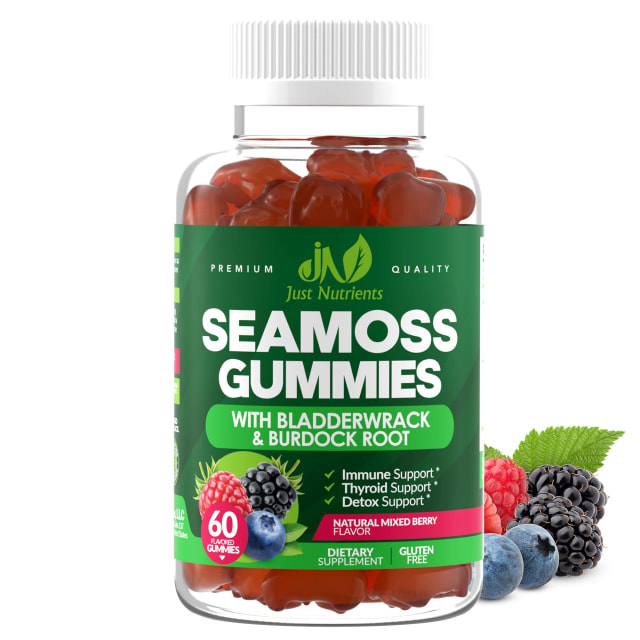
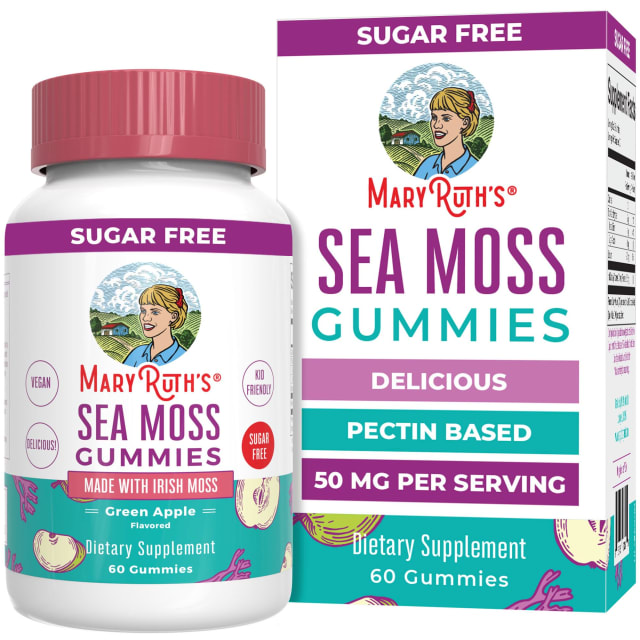
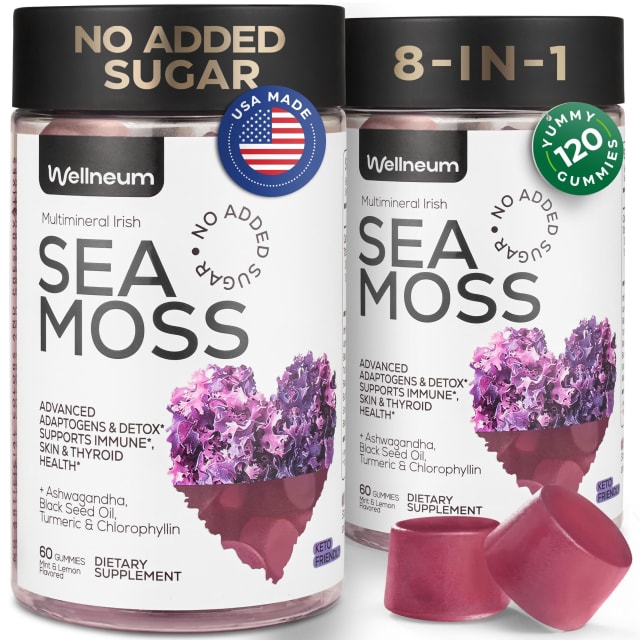
Sea Moss Gummies Side Effects: A Comprehensive Safety Guide
Sea moss gummies have surged in popularity as a convenient and tasty way to harness the purported benefits of Irish sea moss. Marketed as containing 92+ ocean minerals and offering support for thyroid function and immunity, these chewy supplements seem like an easy addition to any wellness routine. However, as with any supplement, it is crucial to look beyond the benefits and understand the potential side effects and considerations. This comprehensive guide delves into the safety profile of sea moss gummies, providing the actionable information needed to make an informed decision.
What Are Sea Moss Gummies?
Sea moss gummies are dietary supplements that encapsulate the nutrients of Chondrus crispus (Irish sea moss) or sometimes Gracilaria species into a palatable, chewy format. The core appeal lies in the translation of a traditionally consumed seaweed into a modern, convenient gummy, often flavored to mask any oceanic taste.
The primary ingredient is sea moss extract or powder, which is celebrated for its rich content of minerals like iodine, potassium, calcium, and magnesium, as well as vitamins and soluble fiber (carrageenan). Manufacturers combine this with gelling agents, natural flavors, colors, and sweeteners to create the final product. The key selling points—thyroid support gummies and immune support gummies—stem from the mineral density, particularly iodine for thyroid hormone production and various antioxidants for immune function.
Potential Benefits of Sea Moss Gummies
Before examining side effects, it’s important to acknowledge why people turn to ocean minerals gummies. Potential benefits, largely attributed to the nutrient profile of sea moss itself, may include:
- Mineral Supplementation: Provides a broad spectrum of trace minerals often lacking in modern diets.
- Thyroid Function Support: Iodine is essential for the production of thyroid hormones, which regulate metabolism.
- Digestive Health: The prebiotic fiber (carrageenan) can support gut microbiome health.
- Immune System Support: Contains antioxidants and vitamins that may contribute to immune defense.
- Convenience: Offers an easy, consistent, and tasteful alternative to raw sea moss gel or powders.
Understanding Potential Side Effects and Considerations
While many consume sea moss gummies without issue, potential side effects can occur, particularly with overconsumption, low-quality products, or pre-existing health conditions. Being informed is the first step toward safe usage.
1. Iodine Overload and Thyroid Dysfunction
This is the most significant consideration. Sea moss is naturally rich in iodine.
- The Risk: Excessive iodine intake can disrupt thyroid function. It can potentially trigger hyperthyroidism (overactive thyroid) in susceptible individuals or, paradoxically, worsen hypothyroidism (underactive thyroid) in certain cases like Hashimoto's thyroiditis.
- Symptoms to Watch For: Palpitations, anxiety, insomnia, unexplained weight loss, and increased sweating could indicate excessive iodine intake affecting the thyroid.
- Actionable Advice: Individuals with known thyroid disorders must consult a healthcare provider before starting any seamoss gummies. It is critical to know the iodine content per serving, though this is not always listed on labels.
2. Digestive Discomfort
The high fiber content, primarily in the form of carrageenan, can affect digestion.
- The Risk: Introducing a significant amount of soluble fiber suddenly can lead to bloating, gas, cramping, or loose stools as the gut microbiome adjusts.
- Actionable Advice: Start with a lower dose (e.g., half a gummy) for the first week to allow your digestive system to adapt. Taking gummies with food and plenty of water can also mitigate these effects.
3. Heavy Metal Contamination
Sea moss is a marine plant that absorbs minerals from its environment—this includes both beneficial nutrients and potential contaminants.
- The Risk: Sea moss harvested from polluted waters can contain unsafe levels of heavy metals like lead, arsenic, mercury, and cadmium. Consuming contaminated products regularly poses long-term health risks.
- Actionable Advice: Only choose sea moss gummies from reputable brands that provide transparent sourcing (e.g., wildcrafted from clean, sustainable waters) and conduct rigorous third-party lab testing for heavy metals and purity. Certificates of Analysis (CoA) should be available upon request.
4. Blood Thinning and Surgical Risk
Sea moss contains vitamin K and certain compounds that may have mild blood-thinning properties.
- The Risk: For individuals on anticoagulant (blood-thinning) medications like warfarin, the vitamin K content can interfere with the drug's efficacy. The potential blood-thinning effect also increases surgical risk.
- Actionable Advice: Anyone taking blood thinners or scheduled for surgery should discuss sea moss supplementation with their doctor. Discontinuation is typically advised at least two weeks prior to any surgical procedure.
5. Allergic Reactions
Although rare, allergies to seaweed or marine algae are possible.
- The Risk: Symptoms could include itching, hives, swelling, or digestive distress.
- Actionable Advice: Those with known seafood or iodine allergies should exercise extreme caution and likely avoid sea moss gummies. A first-time user should monitor for any adverse reactions after the initial dose.
6. Drug Interactions
Beyond blood thinners, sea moss may interact with other medications.
- The Risk: Due to its high mineral content (like potassium and calcium), it could theoretically interact with certain heart and blood pressure medications or diuretics. Its effect on thyroid function also makes it a concern for thyroid medication users.
- Actionable Advice: A fundamental rule is to consult a pharmacist or physician about potential interactions with any current medications or supplements.
7. Sugar Content and Dental Health
To improve taste, many sea moss gummies contain added sugars or sugar alcohols.
- The Risk: Regular consumption can contribute to excess sugar intake and, because gummies are sticky, they can adhere to teeth and promote cavities if oral hygiene is not meticulous.
- Actionable Advice: Look for gummies sweetened with low-glycemic options like organic cane sugar, fruit juice, or stevia in moderation. Always brush teeth after consuming gummies, or at minimum, rinse thoroughly with water.
Dosing, Timing, and What to Look For
Dosing: There is no standardized dose for sea moss gummies. Adherence to the manufacturer's recommended dosage on the label is paramount—typically 1-2 gummies daily. Never exceed this recommendation in the belief that "more is better," especially with iodine-rich products.
Timing: Consistency is more important than timing. Taking them with a meal can improve mineral absorption and reduce the chance of stomach upset. Avoid taking them right before bed if you are sensitive to potential energizing effects.
Choosing a Quality Product: A Comparison Guide
When selecting Irish sea moss gummies, not all products are created equal. Here is a comparison of what to look for versus what to avoid:
| Feature | What to Look For (Quality Indicators) | What to Avoid (Red Flags) |
|---|---|---|
| Sourcing | Wildcrafted, sustainably harvested from clean, pristine waters (e.g., North Atlantic). Traceable origin. | Vague sourcing like "harvested from the ocean" with no specific region. |
| Testing & Purity | Third-party tested for heavy metals, microbes, and potency. Certificate of Analysis (CoA) readily available. | No mention of third-party testing or unwillingness to provide CoA. |
| Iodine Content | Clearly stated iodine content per serving on the label or in supporting documentation. | No mention of iodine content whatsoever. |
| Ingredient List | Short, clean list. Sea moss (as extract or powder) as a primary ingredient. Natural flavors/colors. | Long list of artificial additives, fillers, excessive sweeteners, or "proprietary blends" that hide amounts. |
| Carrageenan Type | Use of "food-grade carrageenan" is standard. Some may use the whole moss, which contains it naturally. | Degraded carrageenan (not used in food products) is a concern, but it's rarely in supplements. |
| Sugar Content | Low or moderate sugar content, derived from natural sources. | Very high sugar content or use of high-fructose corn syrup and artificial sweeteners. |
Frequently Asked Questions (FAQ)
Q1: Can sea moss gummies cause weight gain? A: Directly, they are not likely to cause weight gain and are often low in calories. However, the sugar content in some gummies could contribute to excess calorie intake if not accounted for. More importantly, because iodine supports thyroid function—which regulates metabolism—a deficiency corrected by supplementation might normalize metabolism, but excess iodine could disrupt it.
Q2: How long does it take to see benefits or notice side effects? A: Benefits related to mineral replenishment, like improved energy or skin health, might be noticed after consistent use for several weeks. Digestive side effects, if they occur, typically appear within the first few days of starting. Effects related to iodine overload may take longer to manifest.
Q3: Are sea moss gummies safe for children or during pregnancy? A: Extreme caution is advised. The iodine content is a major concern for developing thyroid systems in fetuses and children. Pregnant or breastfeeding women and parents considering supplements for children must only do so under the direct guidance and supervision of a healthcare professional.
Q4: Can I take sea moss gummies if I have a shellfish allergy? A: Sea moss is an algae, not a shellfish. However, cross-contamination is possible during harvesting or processing, and some individuals may have separate marine allergies. It is safest to consult an allergist before trying if you have a severe shellfish allergy.
Q5: What's the difference between "wildcrafted" and "pool-grown" sea moss in gummies? A: Wildcrafted sea moss is harvested from its natural ocean habitat and is often considered more mineral-dense due to varied oceanic nutrients. Pool-grown (or farmed) sea moss is cultivated in controlled pools, which can reduce the risk of heavy metal contamination but may also alter the mineral profile. Quality can be found in both, but transparency about the source is key.
Q6: Should I stop taking my other supplements if I start sea moss gummies? A: Not necessarily, but it's important to evaluate duplication. If you are already taking a multivitamin, iodine supplement, or other mineral complexes, adding a sea moss gummy could lead to excessive intake. A review of all supplements with a healthcare provider can prevent nutrient stacking and potential toxicity.
Conclusion: A Balanced Approach to Sea Moss Gummies
Sea moss gummies offer a promising and convenient vehicle for delivering a spectrum of ocean minerals. Their potential benefits for thyroid and immune support are grounded in the nutritional science of sea moss. However, an informed approach is non-negotiable. The potential side effects—primarily centered on iodine sensitivity, digestive adjustment, and contamination risk—highlight the importance of choosing high-quality products, adhering to recommended dosages, and consulting with a healthcare professional, especially for those with pre-existing health conditions or on medications.
By prioritizing brands that emphasize purity, transparent sourcing, and independent testing, consumers can better mitigate risks. Ultimately, sea moss gummies can be a valuable part of a wellness regimen when used thoughtfully and knowledgeably, with a clear understanding that even natural, beneficial supplements carry the responsibility of informed consumption.
Affiliate Disclosure
Gummy.mom may earn a commission from purchases made through links on this page. This helps support our research and content creation. We only recommend products we genuinely believe in and have thoroughly researched.