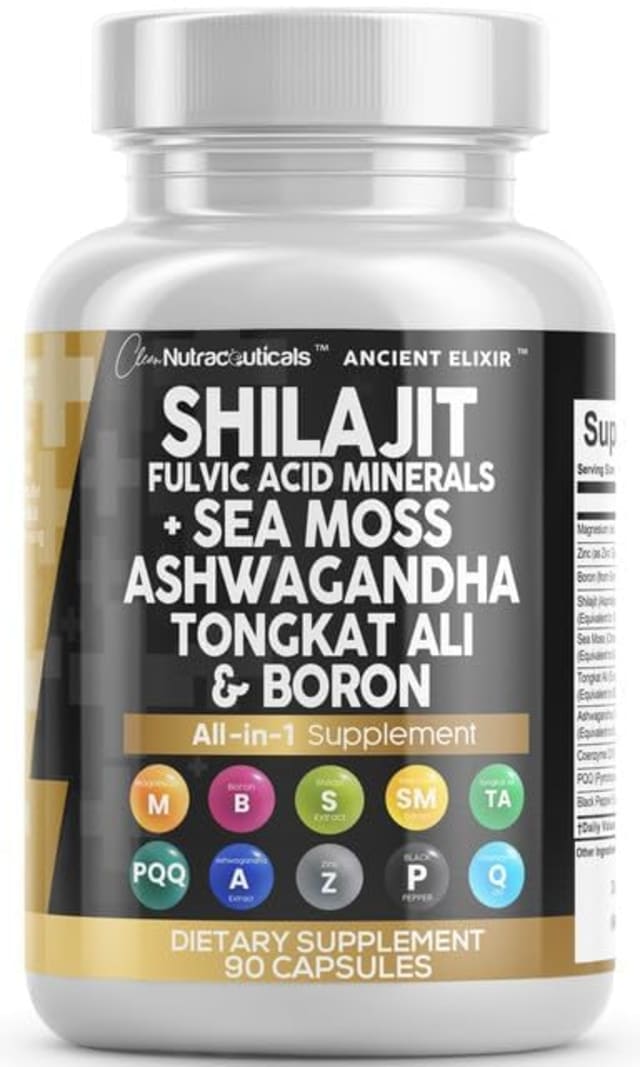
Shilajit Gummies vs Pills: A Modern Take on an Ancient Mineral Compound
For centuries, the ancient wellness traditions of Ayurveda have revered shilajit, a potent, tar-like substance that seeps from the rocks of the Himalayas. This "destroyer of weakness" is prized for its dense concentration of fulvic acid, humic acid, and over 84 trace minerals. Today, this ancient compound has entered the modern supplement aisle, presenting consumers with a choice: the traditional pill or the increasingly popular shilajit gummy.
This comprehensive guide delves into the key differences between shilajit gummies and pills, examining their formulation, absorption, convenience, and overall user experience. The goal is to provide the actionable information needed to decide which form aligns best with individual health goals and lifestyle preferences.
Understanding Shilajit: The Foundation
Before comparing delivery methods, it's crucial to understand what shilajit is. Shilajit is not a single herb or mineral but a complex, nutrient-dense exudate formed over centuries from the decomposition of plant matter and minerals within Himalayan rock strata. Its primary active components are:
- Fulvic Acid: A powerful organic acid that enhances nutrient transport across cell membranes, acting as a key carrier for minerals and antioxidants.
- Humic Acid: Supports gut health and nutrient absorption.
- Trace Minerals: Includes ionic forms of magnesium, zinc, iron, and selenium, which are essential for countless bodily functions.
- Dibenzo-Alpha-Pyrones: Antioxidant compounds that may support cellular energy (ATP) production.
The purported benefits linked to purified, high-quality shilajit include enhanced energy and stamina, cognitive support, adaptogenic stress response, immune system modulation, and support for male vitality. Whether in gummy or pill form, the efficacy of any supplement begins with the quality and purity of the shilajit resin used.
Shilajit Gummies: The Modern, Palatable Approach
Himalayan shilajit gummies represent a significant innovation in supplement delivery. They transform the traditionally pungent, earthy resin into a chewable, often fruit-flavored format.
Key Characteristics of Shilajit Gummies:
- Palatability: This is the most significant advantage. Gummies mask the strong, acquired taste of raw shilajit, making them an accessible entry point for those sensitive to flavors.
- Convenience: They are pre-dosed, portable, and require no water for immediate consumption, fitting seamlessly into on-the-go lifestyles.
- Additional Ingredients: Gummies often include complementary vitamins (like B12 or D3), other adaptogens, or fruit extracts. The base includes gelling agents (like pectin, a plant-based alternative to gelatin), sweeteners (cane sugar, tapioca syrup, or sugar alcohols), and natural flavors/colors.
- Perceived Enjoyment: The act of taking a supplement can feel more like a treat than a chore, potentially improving adherence to a daily regimen.
Considerations for Gummies:
- Added Ingredients: To achieve their texture and taste, gummies contain more auxiliary ingredients than pills. It's vital to check for added sugars, artificial flavors, or allergens.
- Potency Limitations: Due to the physical size of a gummy and the space taken up by the gelling matrix, the absolute amount of shilajit extract per serving may be lower than what can be concentrated into a pill. Dosage is a critical factor to compare.
- Heat Sensitivity: Gummies can melt or stick together if exposed to high temperatures during shipping or storage.
Shilajit Pills: The Traditional, Potent Delivery
Pills—typically capsules or tablets—have been the standard vehicle for shilajit supplementation outside of raw resin. They offer a direct, no-frills approach.
Key Characteristics of Shilajit Pills:
- Potency and Concentration: Capsules can often deliver a higher milligram dose of shilajit extract in a single serving, as they are not limited by a chewable, palatable format.
- Minimal Additives: A quality capsule often contains just the shilajit extract (sometimes bound to a rice flour or other neutral carrier) and the capsule shell (usually vegetarian cellulose or gelatin). There are typically no sweeteners, flavors, or colors.
- Shelf Stability: Pills are generally more stable and less susceptible to environmental factors like humidity and heat.
- Purity Focus: The formulation is straightforward, placing the sole focus on delivering the shilajit compound itself.
Considerations for Pills:
- Taste and Swallowing: While capsules bypass taste buds, some people have difficulty swallowing pills. If a capsule breaks, the strong, earthy taste of shilajit can be unpleasant.
- Absorption Rate: Standard capsules may take slightly longer to break down and begin the absorption process in the digestive tract compared to a gummy that starts dissolving immediately.
- Perceived "Medical" Feel: For some, taking a pill can feel more clinical than the enjoyable experience of a gummy.
Head-to-Head Comparison: Shilajit Gummies vs. Pills
The following table outlines the core differences to help visualize the choice.
| Feature | Shilajit Gummies | Shilajit Pills (Capsules/Tablets) |
|---|---|---|
| Taste & Palatability | Pleasant, flavored, easy to take. Ideal for taste sensitivity. | Neutral if swallowed whole; potent earthy taste if capsule opens. |
| Convenience | High; no water needed, portable, discrete. | Moderate; requires water to swallow. |
| Typical Dosage | May be slightly lower per piece due to gummy matrix. Often 1-2 gummies per serving. | Can often concentrate a higher dose into a single capsule. |
| Additional Ingredients | Includes gelling agents, sweeteners, flavors, and possibly added vitamins. | Minimal; usually just the extract and capsule shell. Fewer allergens. |
| Absorption Onset | May begin slightly faster as it dissolves in the mouth/stomach. | Standard digestion timeline; may take longer to break down. |
| Best For | Those new to shilajit, individuals who dislike pills, people seeking a enjoyable routine, those prioritizing taste. | Those seeking maximum potency per serving, purists wanting minimal additives, individuals comfortable swallowing pills. |
| Shelf Stability | Good, but can melt in high heat. | Generally very stable. |
| Cost Consideration | Often a premium price due to complex manufacturing and flavoring. | Can be more cost-effective per milligram of active shilajit. |
How to Choose: Which Form is Right for You?
The decision between fulvic acid gummies and traditional pills isn't about which is universally "better," but which is better for you. Consider the following questions:
1. What is your primary goal?
- For Potency & Purity: If the primary objective is to ingest the highest possible dose of shilajit with the fewest additional ingredients, a high-quality capsule is likely the superior choice. Scrutinize the label for the amount of fulvic acid and shilajit extract per serving.
- For Adherence & Enjoyment: If past experience shows that you struggle with the taste of supplements or forget to take them, the enjoyable format of ayurvedic gummies can significantly improve consistency, which is paramount for experiencing any benefits.
2. Do you have dietary restrictions? Examine the labels carefully. Gummies may contain common allergens like gelatin (animal-based), gluten, or specific artificial colors. Many brands now offer vegan, gluten-free, and naturally sweetened options. Pills, especially vegetarian capsules, often have a simpler, cleaner ingredient profile.
3. What is your lifestyle like? For those constantly traveling, working on-site, or with hectic schedules, the no-water, no-swallow convenience of mineral gummies can be a major practical advantage.
4. Are you combining with other supplements? If you are already taking a handful of pills daily, adding another capsule might be seamless. If you are trying to reduce your "pill burden," incorporating a gummy can provide a pleasant break.
What to Look For on a Label: Quality First
Regardless of the form you choose, quality is non-negotiable. Here’s what to prioritize:
- Purified & Tested: The label must state "purified" shilajit. Raw shilajit can contain heavy metals, mycotoxins, or other contaminants. Look for third-party testing certificates (like for heavy metals, microbes) from reputable labs (e.g., USP, NSF, or independent laboratories).
- Fulvic Acid Content: Since fulvic acid is a primary active, some brands disclose its percentage (e.g., "minimum 60% fulvic acid"). This is a strong indicator of potency.
- Source: "Himalayan shilajit" is the traditional and most sought-after source.
- Full Ingredient Disclosure: Avoid proprietary blends that hide the actual amount of shilajit. You should know exactly how many milligrams of shilajit extract you are getting per serving.
- Serving Size & Dosage: Follow the manufacturer's recommendation. A typical shilajit extract dose ranges from 300mg to 500mg daily. For gummies, this may mean taking 1-2 pieces. Consistency (taking it daily) is more important than timing, though many prefer taking it in the morning with food to leverage its potential as energy gummies.
Potential Considerations and Side Effects
Shilajit is generally well-tolerated when taken at recommended doses from a purified source. However, considerations include:
- Quality is Paramount: The biggest risk comes from impure, unprocessed shilajit, which may contain contaminants.
- Medication Interactions: Due to its potent mineral and bioactive profile, shilajit may interact with medications for diabetes, blood pressure, or blood thinners. Consultation with a healthcare provider is essential before starting, especially for those with pre-existing conditions or who are pregnant/nursing.
- Digestive Sensitivity: Some individuals might experience mild digestive upset when first introducing shilajit.
- Iron Content: Its natural iron content means individuals with hemochromatosis (iron overload disorder) should avoid it.
- "Detox" Effects: Some users report mild headaches or fatigue initially, which some attribute to a "detox" effect, though this is not scientifically validated. Starting with a half-dose for a week can help the body adjust.
Frequently Asked Questions (FAQ)
Q1: Are shilajit gummies as effective as pills? A: Efficacy depends more on the quality, purity, and dosage of the shilajit extract used than the delivery format itself. If a gummy and a pill contain the same amount of bioavailable, purified shilajit extract, they can be equally effective. The gummy must be evaluated for its actual shilajit content, not just its taste.
Q2: Can I take shilajit gummies every day? A: Yes, shilajit is typically intended for daily, consistent use to build up its supportive benefits in the body. Always adhere to the dosage on the product label.
Q3: When is the best time to take shilajit? A: There's no universally perfect time. Many people prefer taking it in the morning with breakfast to support energy levels throughout the day. Others may take it pre-workout. Avoid taking it too late in the evening if you find it to be stimulating. Consistency in daily timing is beneficial.
Q4: Do shilajit gummies have a lot of sugar? A: It varies by brand. Many modern brands use low-glycemic sweeteners like organic tapioca syrup, cane sugar in modest amounts, or sugar alcohols like xylitol. Always check the nutrition label and ingredient list to align with your dietary preferences.
Q5: How long does it take to feel the effects of shilajit? A: Experiences vary. Some individuals report noticing subtle changes in energy or focus within a few days to a week. For more systemic benefits related to vitality or adaptogenic support, it may take consistent use for 4-8 weeks. Supplementation is a marathon, not a sprint.
Q6: Can I take shilajit with other supplements? A: Shilajit is often combined with other supplements like ashwagandha, maca, or multivitamins. Its fulvic acid content may theoretically enhance the absorption of other minerals. However, to avoid overloading any particular nutrient or causing unexpected interactions, it's wise to space out supplements by a few hours or consult a healthcare professional.
Final Verdict
The journey between shilajit gummies vs pills ultimately leads to a personal crossroads. Shilajit pills (capsules) appeal to the purist and the potency-seeker—offering a direct, high-dose, and minimalist approach to this ancient compound. Himalayan shilajit gummies, on the other hand, represent a successful modernization, breaking down the barrier of taste and transforming supplementation into a palatable, convenient, and even enjoyable daily habit.
The most effective form is the one you will take consistently from a brand you trust. Prioritize a purified, third-party tested product from a reputable company, clearly understand the dosage you are consuming, and let your lifestyle, taste preferences, and health objectives guide your final choice. By making an informed decision, you can harness the ancient wisdom of shilajit in a format that seamlessly integrates into your modern life.
Affiliate Disclosure
Gummy.mom may earn a commission from purchases made through links on this page. This helps support our research and content creation. We only recommend products we genuinely believe in and have thoroughly researched.