Are Sleep Gummies Effective? A Comprehensive Guide to Natural Sleep Support
In a world where screens glow late into the night and stress levels run high, a good night's sleep can feel like a distant dream. Millions of people turn to sleep aids for help, and in recent years, sleep gummies have surged in popularity. Their appealing taste, convenient form, and promise of natural ingredients make them an attractive alternative to traditional pills. But the central question remains: are sleep gummies effective? This comprehensive guide dives deep into the science, ingredients, and practical use of sleep gummies to help you make an informed decision about your path to restful slumber.
Understanding Sleep Gummies: More Than Just a Sweet Treat
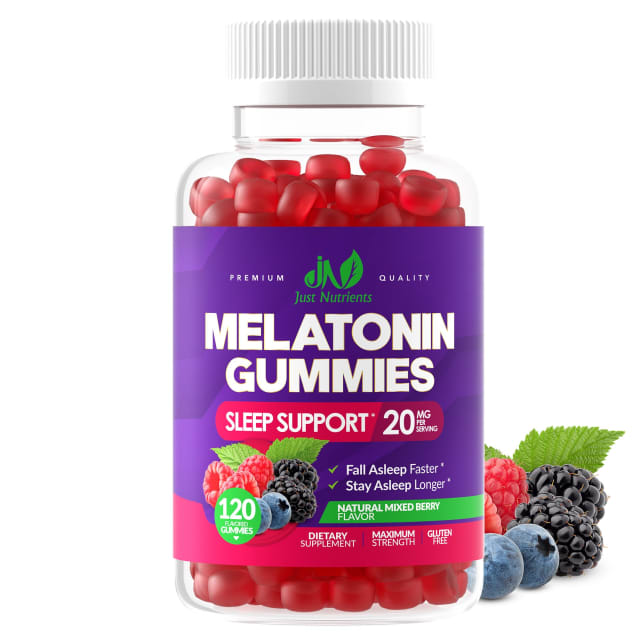
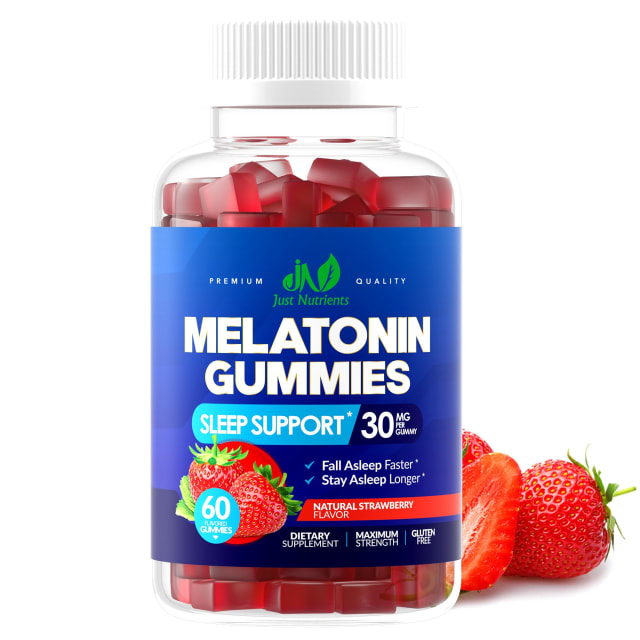
Sleep gummies are dietary supplements formulated with vitamins, minerals, and herbal extracts intended to support the body’s natural sleep-wake cycle and promote relaxation. Unlike prescription sleep medications, which are strictly regulated drugs, sleep gummies are sold as supplements. This distinction is crucial, as it means their efficacy and safety are not evaluated by the FDA in the same rigorous way.
Their effectiveness hinges entirely on their active ingredients and their ability to address the underlying causes of sleep disturbances, whether it's difficulty falling asleep, staying asleep, or achieving restorative sleep cycles.
The Science of Sleep: Why We Struggle
To understand if sleep gummies work, it's helpful to know what they're targeting. Sleep is regulated by a complex interplay of processes:
- Circadian Rhythm: The body's internal 24-hour clock, largely influenced by light exposure.
- Sleep Drive: The increasing pressure to sleep the longer one is awake.
- Arousal System: The network of brain circuits that keep us alert; stress and anxiety can over-activate this system.
Effective sleep support ingredients typically work by modulating these systems—calming the arousal system, supporting the natural production of sleep hormones, or gently encouraging relaxation.
Key Ingredients in Sleep Gummies and Their Evidence
The efficacy of a sleep gummy is directly tied to its formulation. Here’s a breakdown of the most common ingredients and the science behind them.
1. Melatonin: The Hormone Regulator
Melatonin is a hormone naturally produced by the pineal gland in response to darkness, signaling to the body that it's time to sleep.
- How It Works: Supplemental melatonin is most effective for circadian rhythm disruptions, such as jet lag, shift work disorder, or delayed sleep phase syndrome. It helps "reset" the internal clock.
- Evidence: Numerous studies support melatonin's effectiveness for reducing the time it takes to fall asleep, particularly for those with circadian rhythm issues. It is generally less effective for chronic insomnia not linked to circadian misalignment.
- Typical Dose in Gummies: 1 mg to 10 mg. Lower doses (1-3 mg) are often sufficient and recommended to start.
2. L-Theanine: The Relaxation Amino Acid
Found naturally in tea leaves, L-Theanine is an amino acid known for promoting relaxation without drowsiness.
- How It Works: It is believed to increase levels of GABA, serotonin, and dopamine in the brain—neurotransmitters that play a role in relaxation, mood, and sleep. It may also reduce heart rate and immune responses to stress.
- Evidence: Research indicates L-Theanine can improve sleep quality and reduce anxiety, making it easier to unwind before bed. It is often prized for creating a state of "calm alertness."
- Typical Dose in Gummies: 100 mg to 400 mg.
3. Chamomile: The Traditional Herb
Often consumed as a tea, chamomile is one of the oldest medicinal herbs used for its calming properties.
- How It Works: Chamomile contains the antioxidant apigenin, which may bind to specific receptors in the brain that promote sleepiness and reduce anxiety.
- Evidence: While more large-scale human trials are needed, several studies suggest chamomile extract can improve subjective sleep quality and reduce symptoms of generalized anxiety disorder.
- Typical Dose in Gummies: Often standardized to contain a percentage of apigenin, but doses can vary.
4. Other Common Supporting Ingredients
- Magnesium: An essential mineral that plays a role in muscle relaxation and nervous system regulation. Deficiency has been linked to poor sleep.
- GABA (Gamma-Aminobutyric Acid): A neurotransmitter that blocks impulses between nerve cells, having a calming effect. Its effectiveness as an oral supplement is debated due to questions about blood-brain barrier penetration.
- Lemon Balm & Valerian Root: Herbs with historical use for anxiety and sleep. Some studies show valerian may help improve sleep quality, though results are mixed.
- 5-HTP (5-Hydroxytryptophan): A precursor to serotonin, which is then converted to melatonin. It may support mood and sleep regulation.
Comparing Sleep Aid Options
When evaluating effectiveness, it's useful to see how sleep gummies stack up against other common sleep aids.
| Feature | Sleep Gummies (Supplement) | Prescription Sleep Aids | Over-the-Counter (OTC) Sleep Aids | Traditional Herbal Tea |
|---|---|---|---|---|
| Primary Goal | Support natural sleep processes, relaxation | Treat clinical insomnia | Short-term relief of occasional sleeplessness | Relaxation, mild sleep support |
| Key Ingredients | Melatonin, L-Theanine, Chamomile, Herbs | Zolpidem, Eszopiclone, Benzodiazepines | Diphenhydramine, Doxylamine (antihistamines) | Chamomile, valerian, lavender |
| Onset of Action | 30 mins - 2 hours (varies by ingredient) | 15-60 minutes | 30-60 minutes | 30-45 minutes |
| Risk of Dependence | Very Low | Moderate to High | Low to Moderate (tolerance can develop) | Very Low |
| Common Side Effects | Morning grogginess, vivid dreams, headache | Dizziness, dependency, complex sleep behaviors | Next-day drowsiness, dry mouth, confusion | Rare; possible allergy |
| Best For | Circadian rhythm issues, mild anxiety-related sleep loss, establishing a routine | Diagnosed chronic insomnia under doctor supervision | Very occasional, situational sleeplessness | A calming bedtime ritual, very mild sleep issues |
Are Sleep Gummies Effective? The Verdict Based on Use Case
The answer is not a simple yes or no. Their effectiveness is highly situational and ingredient-dependent.
Sleep gummies are likely to be effective for:
- Jet Lag and Shift Work: Melatonin-based gummies are well-supported for this use.
- Mild, Occasional Sleeplessness: For nights when stress or a racing mind keeps you up, a gummy with L-Theanine and chamomile may promote sufficient relaxation.
- Establishing a Bedtime Routine: The act of taking a gummy can serve as a psychological signal that it's time to wind down, enhancing sleep hygiene.
- Individuals who dislike pills or teas: The palatable form improves consistency.
Sleep gummies may be less effective for:
- Chronic, Severe Insomnia: This often requires a multifaceted approach under medical guidance.
- Sleep Apnea or Restless Leg Syndrome: These are medical conditions requiring specific treatments. Gummies do not address them.
- Individuals expecting a "knock-out" effect: They are generally subtler than prescription medications.
How to Use Sleep Gummies for Maximum Effectiveness
If you decide to try sleep gummies, proper use is key to evaluating their effectiveness for you.
1. Timing is Everything
- Melatonin-based gummies: Take 30-60 minutes before bedtime. Taking them too early can cause drowsiness at the wrong time; too late may not help you fall asleep.
- Relaxation-focused gummies (L-Theanine, Chamomile): These can be taken 60-90 minutes before bed to allow time for relaxation to set in.
- Consistency is crucial. Take your gummy at roughly the same time each night as part of a broader bedtime routine.
2. Start with a Low Dose
Always begin with the lowest suggested dose on the label, especially with melatonin. More is not always better and can increase the risk of side effects like morning grogginess or vivid dreams.
3. Combine with Impeccable Sleep Hygiene
Sleep gummies are not magic. They work best as a complement to good sleep practices, not a replacement. For optimal results, pair them with:
- A consistent sleep schedule (even on weekends).
- A cool, dark, and quiet sleep environment.
- A "wind-down" hour free from blue light (phones, TVs, laptops).
- Avoidance of caffeine and large meals late in the day.
4. What to Look for When Choosing a Product
- Transparent Labeling: The label should clearly list the amount of each active ingredient per gummy.
- Third-Party Testing: Look for seals from independent labs (e.g., USP, NSF, ConsumerLab.com). This verifies that the product contains what it claims and is free from contaminants.
- Sugar Content: Be mindful of added sugars or sugar alcohols, which can vary widely between brands.
- Reputable Brand: Choose companies with a strong reputation for quality and transparency.
Important Considerations and Potential Side Effects
While generally considered safe for short-term use by most adults, sleep gummies are not without considerations.
- Next-Day Drowsiness: Especially with melatonin or higher doses, some people may feel groggy the next morning.
- Vivid Dreams or Nightmares: A reported side effect of melatonin for some individuals.
- Hormonal Interactions: Melatonin can potentially interact with immunosuppressants, diabetes medications, and blood pressure drugs.
- Pregnancy/Breastfeeding: Not typically recommended without consulting a healthcare provider.
- Long-Term Use: The long-term effects of regular melatonin supplementation are not fully known. They are best used intermittently or for specific, short-term goals.
- Underlying Health Conditions: Individuals with autoimmune diseases, seizure disorders, or depression should consult a doctor before use.
Crucial Advice: It is always recommended to consult with a healthcare professional before starting any new supplement, particularly if you have underlying health conditions or are taking other medications.
Frequently Asked Questions (FAQ)
Q1: Can I become dependent on sleep gummies?
Dependence in the classical, addictive sense is very rare with supplement-based sleep gummies, especially those without antihistamines. However, a psychological dependence can develop where one feels they cannot sleep without the gummy. To prevent this, use them intermittently (e.g., 3-4 nights a week) rather than every single night.
Q2: How long does it take for sleep gummies to start working?
This depends on the formulation. Melatonin-centric gummies typically begin to work within 30-60 minutes. Gummies focused on herbal relaxation (chamomile, L-theanine) may take 60-90 minutes to promote a sense of calm conducive to sleep.
Q3: Are there any natural food sources of these sleep ingredients?
Yes. Tart cherries contain small amounts of melatonin. Green tea is a source of L-Theanine (though it also contains caffeine). Chamomile is commonly consumed as tea. While foods can provide support, the concentrated doses in gummies are designed to have a more pronounced effect.
Q4: Can I take a sleep gummy every night?
While likely safe for most adults in the short to medium term, it is not generally advised to take any sleep aid, natural or otherwise, every night indefinitely. The goal should be to use them as a tool to re-establish healthy sleep patterns, after which you may be able to taper off. Continuous use should be discussed with a doctor.
Q5: Why didn't sleep gummies work for me?
Several reasons are possible: the dosage may be incorrect for your body, the formulation may not target your primary sleep issue (e.g., using melatonin for anxiety-induced insomnia), you may have an underlying sleep disorder, or your sleep hygiene habits may be counteracting the gummy's effects. An inconsistent schedule can also hinder results.
Q6: Are sleep gummies safe for children or teenagers?
Melatonin use in children and adolescents should only be undertaken under the guidance of a pediatrician. Sleep issues in young people are often behavioral and best addressed through routine and environment. Self-treatment with supplements is not recommended.
Final Thoughts: A Tool, Not a Cure-All
So, are sleep gummies effective? The evidence suggests that for the right person and the right situation, they can be a helpful and effective tool for managing occasional sleep difficulties and supporting the body's natural sleep mechanisms. Their strength lies in their convenience and their use of ingredients with some scientific backing for relaxation and circadian rhythm regulation.
However, they are not a substitute for diagnosing and treating underlying sleep disorders, nor are they a replacement for foundational good sleep hygiene. The most effective approach to sleep is holistic: a consistent routine, a sleep-conducive environment, stress management, and the strategic, informed use of supplements like sleep gummies when needed.
By understanding what's in them, how to use them properly, and what to realistically expect, you can determine if sleep gummies are an effective piece of your personal puzzle for achieving restful, rejuvenating sleep.
Affiliate Disclosure
Gummy.mom may earn a commission from purchases made through links on this page. This helps support our research and content creation. We only recommend products we genuinely believe in and have thoroughly researched.