Vitamin C Gummies vs Tablets: The Complete Guide to Choosing Your Supplement
In the quest for better health, Vitamin C stands as one of the most popular and essential nutrients. From bolstering the immune system to promoting radiant skin, its benefits are well-documented. But once you decide to supplement, a new question arises: which form should you choose? The market offers traditional tablets, capsules, powders, and the increasingly popular gummy format. This comprehensive guide dives deep into the world of vitamin C gummies vs tablets, providing the objective information needed to make an informed decision that aligns with personal health goals, lifestyle, and preferences.
Understanding Vitamin C: More Than Just an Immune Booster
Before comparing delivery methods, it’s crucial to understand why vitamin C, or ascorbic acid, is so vital. It is a water-soluble vitamin that the human body cannot produce or store, making daily intake—through diet or supplements—essential.
Its key roles include:
- Immune Support: It supports various cellular functions of both the innate and adaptive immune system.
- Antioxidant Protection: It neutralizes free radicals, protecting cells from oxidative stress.
- Collagen Production: It is a necessary cofactor for enzymes involved in synthesizing collagen, the protein crucial for skin, tendons, ligaments, and blood vessels.
- Skin Health: By supporting collagen and fighting oxidative damage, it helps maintain skin elasticity and may reduce signs of aging.
- Iron Absorption: Consuming vitamin C with plant-based (non-heme) iron significantly enhances the body's ability to absorb this critical mineral.
With such important functions, ensuring adequate intake is key. While citrus fruits, bell peppers, and broccoli are excellent dietary sources, supplements offer a reliable way to fill nutritional gaps.
Vitamin C Tablets: The Traditional Standard
Tablets are the classic, often economical, form of supplementation. They are created by compressing powdered active and inactive ingredients under high pressure.
Benefits of Vitamin C Tablets:
- Higher Potency: Tablets can easily accommodate higher doses of ascorbic acid, often ranging from 500mg to 1000mg per serving, making them suitable for those with specific, high-dose requirements.
- Cost-Effective: Generally, tablets offer a lower cost per milligram of vitamin C, especially in bulk quantities.
- Stability and Shelf-Life: The compressed, dry form is highly stable and less prone to degradation from heat or moisture, leading to a longer shelf-life.
- Minimal Additives: Basic tablet formulations can contain fewer additional ingredients like sugars, colors, and gelatin compared to gummies.
- Variety of Formulations: Tablets are available in timed-release, buffered (gentler on the stomach), or combined with other nutrients like zinc and bioflavonoids.
Considerations for Vitamin C Tablets:
- Swallowing Difficulty: For some adults and many children, swallowing pills can be challenging or unpleasant.
- Potential for GI Discomfort: High doses of acidic ascorbic acid in tablet form can cause stomach upset, nausea, or diarrhea in sensitive individuals, especially when taken on an empty stomach.
- Absorption Speed: Standard tablets must disintegrate in the digestive tract before absorption can begin, which may slightly delay the process compared to other forms.
- Taste: There is no flavor, which can be a pro or a con depending on personal preference.
Vitamin C Gummies: The Palatable Contender
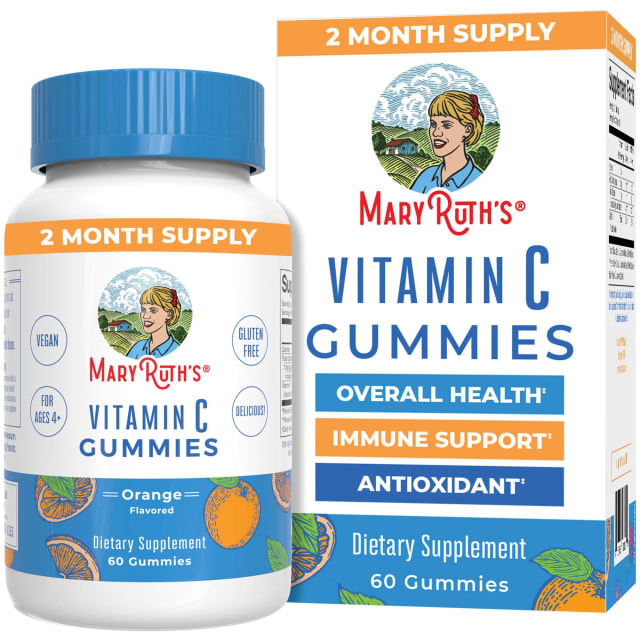
Vitamin C gummies have surged in popularity, transforming supplementation from a chore into a treat. They are made by blending ascorbic acid (or other forms like sodium ascorbate) with a gelling agent (like gelatin or pectin), sweeteners, flavors, and colors.
Benefits of Vitamin C Gummies:
- Palatability and Enjoyment: The pleasant taste and chewy texture make adherence to a daily regimen easier, particularly for those who dislike pills or for children.
- Ease of Consumption: No swallowing required, removing a significant barrier for many people.
- Gentler on the Stomach: The vitamin C in gummies is often mixed with other ingredients and consumed with food, which can reduce the likelihood of the gastric irritation sometimes associated with high-dose tablets.
- Combination Potential: They are frequently combined with other supportive ingredients, such as elderberry (known for its own immune properties) or zinc, for a synergistic health boost.
- Portability and Convenience: They are easy to take on-the-go without water.
Considerations for Vitamin C Gummies:
- Lower Potency: Due to size and formulation constraints, gummies typically contain a lower dose of vitamin C, often between 50mg to 250mg per gummy. Reaching a 1000mg dose might require consuming multiple gummies.
- Added Ingredients: To achieve their appealing taste and texture, gummies almost always contain added sugars (like glucose syrup or cane sugar), natural flavors, and food colorings. Sugar-free options use sugar alcohols, which can cause bloating in some people.
- Cost: They are often more expensive per milligram of vitamin C compared to tablets.
- Stability and Form: Gummies can be sensitive to heat and humidity, potentially causing them to melt or degrade. They have a shorter shelf-life than tablets.
- Dental Health: The sugary content and sticky texture mean it’s important to practice good dental hygiene after consumption.
- Overconsumption Risk: Their candy-like appearance and taste can lead to temptation, especially for children, to consume more than the recommended dose.
Head-to-Head Comparison: Vitamin C Gummies vs Tablets
The following table summarizes the key differences to help visualize the choice:
| Feature | Vitamin C Gummies | Vitamin C Tablets |
|---|---|---|
| Primary Appeal | Taste, ease of chewing, no swallowing required | High potency, cost-effectiveness, purity |
| Typical Dose Range | Lower (50mg - 250mg per gummy) | Higher (250mg - 1000mg+ per tablet) |
| Cost | Higher cost per mg of Vitamin C | Lower cost per mg of Vitamin C |
| Palatability | Excellent; flavored and sweetened | None; must be swallowed whole |
| Stomach Sensitivity | Often gentler; slower digestion with food | Can cause upset in some, especially on empty stomach |
| Added Ingredients | Often includes sugars, colors, flavors | Fewer additives; simpler formulations available |
| Shelf-Life/Stability | Shorter; sensitive to heat/moisture | Longer; very stable |
| Best For | Those who dislike pills, children, low-dose maintenance | Those needing high doses, budget-conscious consumers |
How to Choose: Which Form is Right for You?
The decision between vitamin C gummies vs tablets isn't about which is universally "better," but which is better for you.
Choose Vitamin C Gummies If:
- You or your child has difficulty swallowing pills.
- You consistently forget or avoid taking supplements because you dislike them; the enjoyable experience of a gummy improves adherence.
- You are seeking a lower maintenance dose for general health and antioxidant protection.
- You prefer a supplement that is gentle on your stomach.
- You value the convenience of taking a supplement without water.
Choose Vitamin C Tablets If:
- You require a specific, higher dose of vitamin C (as might be recommended by a healthcare provider).
- You are managing your sugar intake and want to avoid the added sweeteners in most gummies.
- Cost is a primary factor, and you want the most vitamin C for your money.
- You prefer a minimalist supplement with few extra ingredients.
- You need a stable supplement for travel or long-term storage.
- You want options like timed-release or buffered formulations.
Key Factors to Look For in Any Vitamin C Supplement
Regardless of the form you choose, quality matters. Here’s what to scrutinize on the label:
- Type of Vitamin C: Most supplements use ascorbic acid. Look for "L-ascorbic acid," which is the bioidentical, active form. Some gummies may use sodium ascorbate, which is less acidic.
- Dosage: Match the dose to your needs. The Recommended Dietary Allowance (RDA) for adults is 75-90mg, but supplemental doses for general immune support often range from 250-1000mg. Higher doses are not necessarily better and can lead to side effects.
- Additional Nutrients: Some supplements are enhanced for greater benefit. Look for:
- Bioflavonoids: Plant compounds that may enhance the absorption and effectiveness of vitamin C.
- Zinc: A mineral that works synergistically with vitamin C for immune support.
- Elderberry: A popular herbal addition often found in gummies for its potential immune-boosting properties.
- Third-Party Testing: Opt for brands that are verified by independent labs (like USP, NSF, or ConsumerLab). This ensures the product contains what it claims and is free from harmful contaminants.
- Other Ingredients: Check the list. In gummies, look at the type of sweetener used. In tablets, see if there are unnecessary fillers or binders.
Practical Advice for Taking Vitamin C
- Timing: Vitamin C is best taken with a meal. This improves absorption and significantly reduces the risk of gastrointestinal discomfort. It can be taken at any time of day.
- Dosing: More is not always better. The upper tolerable limit for adults is 2000mg per day. Exceeding this can lead to side effects like diarrhea, nausea, and stomach cramps. It’s wise to start with a lower dose and assess tolerance.
- Consistency: Regular, daily intake is more beneficial than sporadic high doses, as the body excretes excess water-soluble vitamins.
- Storage: Store tablets in a cool, dry place. Gummies should be stored as directed, often in a cool place away from direct sunlight to prevent melting or sticking. Always keep out of reach of children.
Frequently Asked Questions (FAQ)
Q1: Are vitamin C gummies as effective as tablets? A: Yes, if they contain a comparable and bioavailable form of ascorbic acid, the body can absorb and utilize it effectively. The primary difference is not efficacy at the cellular level, but rather the dosage per serving, added ingredients, and user compliance.
Q2: Can you get too much vitamin C from gummies? A: Absolutely. While the dose per gummy is often lower, it’s easy to overconsume due to their candy-like taste. Adhering to the recommended dosage on the label is crucial to avoid side effects like digestive distress. This is especially important to monitor in households with children.
Q3: Do vitamin C gummies with elderberry and zinc offer extra benefits? A: They can. Zinc is a crucial mineral for immune function, and elderberry is rich in antioxidants. This combination aims to provide broader immune support. However, it's important to check the actual amounts of these added ingredients to ensure they are at meaningful levels.
Q4: Are there sugar-free vitamin C gummy options? A: Yes, many brands offer sugar-free gummies sweetened with sugar alcohols like maltitol or xylitol, or with plant-based sweeteners like stevia. Be aware that sugar alcohols can cause digestive bloating or gas in some individuals.
Q5: Should I take vitamin C every day, or only when I feel sick? A: For general health and antioxidant protection, a consistent daily dose is recommended to maintain steady levels in the body. Some people choose to increase their dose temporarily during periods of heightened immune challenge, but a daily maintenance dose is the foundation of its benefits for collagen production and overall health.
Q6: Can vitamin C supplements interact with medications? A: Yes. High doses of vitamin C can potentially interact with certain medications, including some chemotherapy drugs, statins (like atorvastatin), and blood thinners (like warfarin). It is always advisable to consult with a healthcare provider or pharmacist before starting any new supplement regimen.
Final Verdict: A Matter of Personal Fit
The debate between vitamin C gummies vs tablets concludes without a single winner. Tablets win on potency, purity, and price. Gummies win on taste, compliance, and accessibility.
The optimal choice hinges on individual priorities. For the budget-conscious adult seeking a high dose with minimal extras, a vitamin C tablet is an excellent, efficient choice. For someone who struggles with pill-swallowing, has a sensitive stomach, or needs to encourage a child to take a supplement, a well-formulated vitamin C gummy can be a game-changer for maintaining consistent intake.
Ultimately, the best supplement is the one you will take reliably. By weighing the benefits and considerations of each form, you can select the vitamin C that best fits your health journey and seamlessly integrates into your daily life.
Affiliate Disclosure
Gummy.mom may earn a commission from purchases made through links on this page. This helps support our research and content creation. We only recommend products we genuinely believe in and have thoroughly researched.