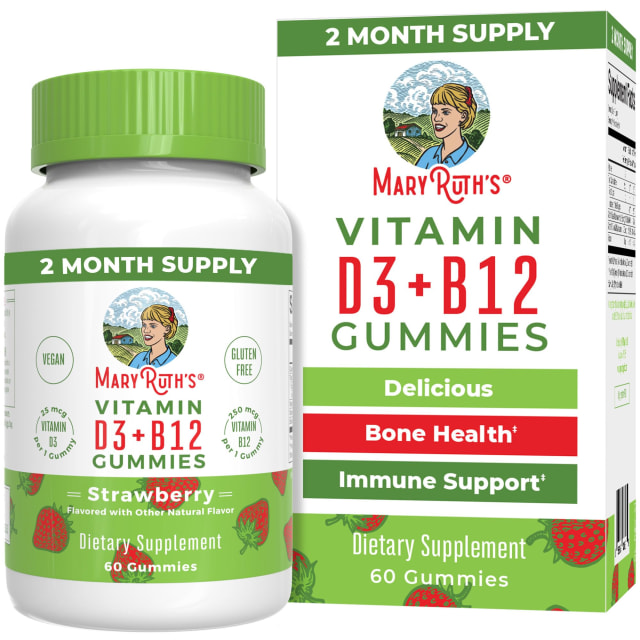
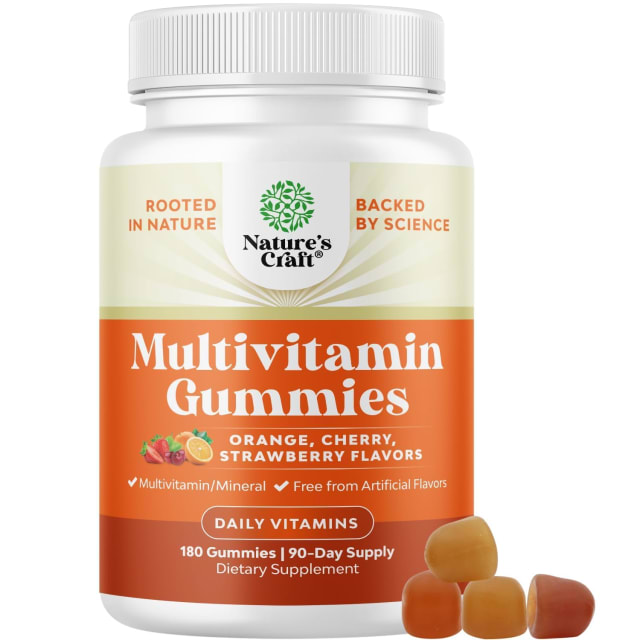
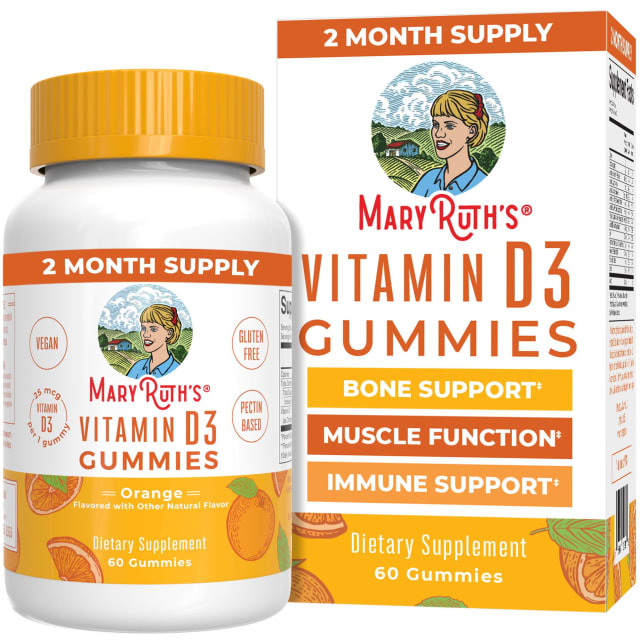
Organic Vitamin D Gummies: A Comprehensive Guide to the Sunshine Vitamin in a Delicious Form
For many, maintaining optimal vitamin D levels is a year-round challenge. While the "sunshine vitamin" is crucial for health, modern lifestyles often lead to deficiencies. Enter organic vitamin D gummies: a palatable, convenient, and increasingly popular way to bridge this nutritional gap. This comprehensive guide delves into everything you need to know about these supplements, from their core benefits to how to choose the best option for your wellness journey.
What Are Organic Vitamin D Gummies?
Organic vitamin D gummies are dietary supplements designed to deliver vitamin D in a chewable, gummy candy format, made with ingredients certified to organic standards. Unlike traditional pills or capsules, they offer a tasty alternative that can improve supplement adherence, especially for those who have difficulty swallowing tablets.
The "organic" label specifically refers to the source of the supplemental ingredients and the gummy base itself. This often means the vitamin D is derived from organic lichen (a vegan source of D3) or organic lanolin (from sheep's wool), and the gummy is made with organic tapioca syrup, organic cane sugar, and natural colors and flavors from fruit and vegetable extracts. This focus on organic ingredients appeals to consumers seeking to minimize exposure to synthetic pesticides, artificial additives, and GMOs.
The primary form of vitamin D used in high-quality supplements is vitamin D3 (cholecalciferol). This is the same form the body synthesizes from sunlight and is generally considered more effective at raising and maintaining blood levels of vitamin D than vitamin D2.
The Critical Role of Vitamin D: More Than Just Bones
Vitamin D functions more like a hormone than a traditional vitamin. Its receptors are found throughout the body, influencing a wide array of physiological processes. Understanding these benefits underscores why maintaining adequate levels is so important.
1. Bone Health and Calcium Absorption
This is vitamin D's most classic role. The body cannot absorb calcium efficiently without sufficient vitamin D. It regulates calcium and phosphorus levels in the blood, directing them to be deposited into bones and teeth, making them strong and dense. This is vital for preventing conditions like rickets in children and osteomalacia or osteoporosis in adults.
2. Immune System Support
Vitamin D is a powerful modulator of the immune system. It enhances the pathogen-fighting effects of monocytes and macrophages—white blood cells critical to your defense—and decreases inflammation. Adequate levels are associated with a lower risk of infections and may help modulate autoimmune activity.
3. Mood Regulation and Brain Health
Receptors for vitamin D are present in areas of the brain linked to depression. Research suggests a correlation between low vitamin D levels and mood disorders, particularly seasonal affective disorder (SAD). Supporting healthy vitamin D levels may contribute to a more balanced mood and cognitive function.
4. Energy and Muscle Function
Persistent, unexplained fatigue can sometimes be linked to low vitamin D. The vitamin is involved in mitochondrial function, the powerhouses of our cells. Furthermore, it supports muscle strength and function, reducing the risk of falls, particularly in older adults.
5. Additional Areas of Support
Ongoing research continues to explore vitamin D's role in cardiovascular health, metabolic processes, and cellular growth regulation, highlighting its foundational importance to overall wellness.
Who Should Consider Organic Vitamin D Gummies?
While anyone can benefit from ensuring adequate vitamin D intake, certain groups are at a higher risk for deficiency and may find gummies particularly helpful:
- Individuals with Limited Sun Exposure: People who work indoors, live in northern latitudes, consistently wear sunscreen, or have darker skin tones (which has more melanin that reduces vitamin D synthesis).
- Older Adults: The skin's ability to synthesize vitamin D decreases with age.
- Those with Dietary Restrictions: People following vegan or vegetarian diets, unless they consume fortified foods, may lack dietary vitamin D, which is naturally found in fatty fish, egg yolks, and liver.
- People with Malabsorption Issues: Conditions like Crohn's, celiac, or ulcerative colitis can hinder fat absorption, crucial for taking in vitamin D.
- Anyone Who Dislikes Pills: Gummies can improve consistency for those with pill fatigue or swallowing difficulties.
How to Choose the Best Organic Vitamin D Gummies: An Evaluation Checklist
Not all gummies are created equal. When shopping for a high-quality organic vitamin D gummy, consider the following criteria:
1. Type and Source of Vitamin D
Look for vitamin D3 (cholecalciferol) over D2. For organic certification, D3 is typically sourced from organic lichen (vegan) or from wool lanolin. The source should be clearly stated.
2. Potency and Dosage
Most gummies provide between 1,000 IU (25 mcg) and 5,000 IU (125 mcg) per serving. The appropriate dose depends on current blood levels, age, and health goals. A common maintenance dose for deficient adults is 1,000-2,000 IU daily, but higher doses may be recommended by a healthcare provider. It's crucial not to exceed the upper limit of 4,000 IU daily without medical supervision.
3. Organic and Ingredient Transparency
Seek certifications from reputable third parties like USDA Organic or NSF. Scrutinize the full ingredient list. The best products use:
- Organic sweeteners: Like organic tapioca syrup or cane sugar.
- Natural colors & flavors: Derived from fruits and vegetables (e.g., black carrot juice, turmeric, citrus extracts).
- Clean gelling agents: Such as pectin (often from citrus) instead of gelatin if vegan.
- No unwanted additives: Avoid artificial colors (Red 40, Blue 1), artificial flavors, and high-fructose corn syrup.
4. Third-Party Testing & Certifications
This is non-negotiable for quality and safety. Independent labs test for:
- Potency Accuracy: Ensuring the gummy contains the amount of vitamin D listed on the label.
- Purity: Screening for heavy metals, pesticides, and microbial contaminants.
- Ingredient Verification: Confirming the absence of undeclared allergens or synthetic additives. Look for seals from NSF International, USP (United States Pharmacopeia), or ConsumerLab.com.
5. Complementary Nutrients
Some gummies combine vitamin D with other synergistic nutrients:
- Vitamin K2 (MK-7): Helps direct calcium to bones and away from arteries.
- Calcium: The primary mineral vitamin D helps utilize.
- Magnesium: Essential for activating vitamin D in the body.
6. Dietary Compatibility
Check if the product is suitable for your dietary needs: vegan, gluten-free, non-GMO, and allergen-free (soy, dairy, nuts).
Comparison of Common Organic Vitamin D Gummy Features
| Feature | What to Look For | Why It Matters |
|---|---|---|
| Vitamin D Form | Vitamin D3 (Cholecalciferol) | More effective than D2 at raising and sustaining blood levels. |
| Source | Organic Lichen (Vegan) or Organic Lanolin | Aligns with organic standards and dietary preferences. |
| Potency | Clear labeling (e.g., 2,000 IU/50 mcg per gummy) | Allows for precise dosing to meet individual needs. |
| Sweeteners | Organic tapioca/cane sugar, fruit juices | Avoids high-fructose corn syrup and artificial sweeteners. |
| Gelling Agent | Pectin (for vegan) or Organic Gelatin | Defines texture and dietary suitability. |
| 3rd-Party Testing | Seal from NSF, USP, or ConsumerLab | Verifies safety, purity, and label accuracy. |
| Additives | NO artificial colors, flavors, or preservatives | Reduces exposure to unnecessary synthetic chemicals. |
Practical Advice: Dosing, Timing, and Maximizing Benefits
Determining Your Dose: The ideal dose is personal. If possible, a blood test (measuring 25-hydroxyvitamin D) can guide you. A level of 30 ng/mL to 50 ng/mL is generally considered sufficient for most people.
When to Take Them: Vitamin D is fat-soluble, meaning it is best absorbed when taken with a meal containing healthy fats (avocado, nuts, olive oil). Consistency is more important than time of day, but taking them with your largest meal can enhance absorption.
Storage: Keep gummies in a cool, dry place, tightly sealed. Heat and moisture can degrade the gummies and the nutrient potency.
Pairing for Enhanced Effect: For bone health specifically, consider pairing your vitamin D gummy with a magnesium supplement and ensuring adequate dietary calcium and vitamin K2 intake.
Important Considerations and Potential Side Effects
While organic vitamin D gummies are safe for most people when taken as directed, responsible use is key.
- Vitamin D Toxicity: Excessive intake over time can lead to hypercalcemia (too much calcium in the blood), causing nausea, weakness, frequent urination, and kidney problems. This is rare from supplementation alone and typically only occurs with extremely high, chronic doses.
- Sugar Content: Even with organic sweeteners, gummies contain sugar. Typically, it's 1-3 grams per gummy. This is minimal for most, but should be considered for those strictly monitoring sugar intake.
- Medication Interactions: Vitamin D can interact with certain medications, including steroids, weight-loss drugs (Orlistat), and some cholesterol-lowering and seizure medications. Consultation with a doctor or pharmacist is advised.
- Underlying Health Conditions: Individuals with hyperparathyroidism, kidney disease, or sarcoidosis should not supplement with vitamin D without medical supervision.
- Not a Candy: They should be stored out of reach of children to prevent overconsumption.
Frequently Asked Questions (FAQ)
Q1: Are organic vitamin D gummies as effective as pills or drops? A: Yes, if they are from a reputable brand that uses high-quality ingredients and undergoes third-party testing for potency. The body can absorb vitamin D effectively from a gummy format. The key advantage of gummies is improved adherence due to their taste and texture.
Q2: How long does it take to feel the effects of taking vitamin D gummies? A: This varies based on your starting deficiency level. It can take several weeks to a few months of consistent supplementation to raise blood levels significantly and notice related benefits, such as improved energy or mood. Bone health benefits occur over a longer, sustained period.
Q3: Can I take vitamin D gummies at night? A: Yes, you can take them at any time of day. Since they are best taken with food, taking them with dinner or a nighttime snack is fine. There is no evidence that vitamin D interferes with sleep when taken at night.
Q4: What’s the difference between vitamin D2 and D3 in gummies? A: Vitamin D3 (cholecalciferol) is the form naturally made by your skin from sunlight and is more effective at raising and maintaining your vitamin D blood levels. Vitamin D2 (ergocalciferol) is derived from plant fungi. For supplementation, D3 is generally the preferred and more potent choice.
Q5: Do I need to take vitamin K2 with my vitamin D gummy? A: It is not strictly necessary, but it can be beneficial, especially for bone and cardiovascular health. Vitamin K2 acts as a partner, helping to ensure the calcium mobilized by vitamin D is deposited into bones and not soft tissues like arteries. Some high-quality gummies include K2 for this reason.
Q6: Can children take organic vitamin D gummies made for adults? A: No. Adult gummies are dosed for adult bodies. It is essential to choose a product specifically formulated for children, with an appropriate potency (typically 400-600 IU). Always follow pediatric dosing guidelines and consult with a pediatrician before starting any supplement for a child.
Making an Informed Choice for Your Health
Choosing the right organic vitamin D gummy is an investment in your long-term well-being. By prioritizing third-party tested products with transparent, clean ingredients and the bioeffective form of vitamin D3, you can confidently add this supplement to your daily routine. Remember, while gummies offer a delightful and convenient path to better nutrition, they are part of a holistic approach to health that includes a balanced diet, sensible sun exposure, and regular healthcare consultations. Use this guide as a roadmap to navigate your options and find the organic vitamin D gummy that best supports your journey toward optimal health.
Affiliate Disclosure
Gummy.mom may earn a commission from purchases made through links on this page. This helps support our research and content creation. We only recommend products we genuinely believe in and have thoroughly researched.