Ashwagandha Gummies Benefits: A Complete Guide to Stress Relief, Focus, and More
In today's fast-paced world, the quest for natural solutions to manage stress, boost energy, and improve overall well-being has led many to explore ancient herbal remedies. Among these, ashwagandha stands out as a time-tested adaptogen, now available in a modern, convenient, and tasty form: gummies. This comprehensive guide delves into the science-backed benefits of ashwagandha gummies, offering practical advice on how to incorporate them into your wellness routine effectively and safely.
What is Ashwagandha? The Ancient Root of Modern Wellness
Ashwagandha (Withania somnifera) is a small shrub native to India, the Middle East, and parts of Africa. Its name, derived from Sanskrit, translates to "smell of the horse," alluding to its unique aroma and the traditional belief that it imparts the strength and vitality of a stallion. For over 3,000 years, it has been a cornerstone of Ayurvedic medicine, one of the world's oldest holistic healing systems.
Ashwagandha is classified as an adaptogen. Adaptogens are a unique class of herbs that help the body resist and adapt to physical, chemical, and biological stressors. They work by modulating the body's stress-response system, primarily the hypothalamic-pituitary-adrenal (HPA) axis, promoting a state of balance or homeostasis.
The move from traditional powders and capsules to ashwagandha gummies represents a significant shift in dietary supplement delivery. Gummies offer a palatable, pre-dosed, and portable option, eliminating the earthy, sometimes bitter taste of the raw herb and making consistent supplementation more accessible for a wider audience.
The Science Behind the Benefits: How Ashwagandha Works
The therapeutic properties of ashwagandha are attributed to a group of naturally occurring compounds called withanolides. These bioactive steroidal lactones are believed to be responsible for most of the herb's adaptogenic effects. Modern research has begun to validate traditional uses, exploring how ashwagandha interacts with neurotransmitters, hormones, and inflammation pathways.
A key mechanism is its influence on cortisol, the body's primary stress hormone. Chronically elevated cortisol levels, often a result of prolonged stress, can disrupt sleep, impair cognitive function, weaken the immune system, and contribute to weight gain. Ashwagandha appears to help regulate the HPA axis, thereby helping to normalize cortisol secretion.
Furthermore, ashwagandha may support the function of GABA (gamma-aminobutyric acid), a neurotransmitter that has a calming effect on the brain, similar to how some anti-anxiety medications work. It also exhibits antioxidant and anti-inflammatory properties, contributing to its wide range of potential benefits.
Key Benefits of Ashwagandha Gummies
The benefits of ashwagandha, delivered in the convenient form of a gummy, span mental, physical, and cognitive wellness. Here is a detailed look at the most prominent advantages supported by clinical research.
1. Stress Relief and Cortisol Management
This is the most celebrated and well-researched benefit of ashwagandha. Multiple randomized, controlled trials have demonstrated its efficacy.
- The Evidence: A significant 2012 study published in the Indian Journal of Psychological Medicine found that adults under chronic stress who supplemented with ashwagandha root extract reported dramatically lower stress assessment scores compared to the placebo group. Crucially, their serum cortisol levels were also significantly reduced.
- How Gummies Help: By providing a consistent, easy-to-take dose, ashwagandha gummies can help modulate the body's physiological response to daily stressors, promoting a greater sense of calm and resilience.
2. Mood Support and Reduction of Anxiety
Closely linked to stress relief, ashwagandha shows promise in supporting a balanced mood and mitigating symptoms of anxiety.
- The Evidence: Research, including a 2019 review in Cureus, concluded that ashwagandha supplementation significantly improves scores on anxiety and stress scales. Its action on GABA pathways and cortisol reduction are thought to be primary contributors.
- How Gummies Help: Regular intake can support emotional equilibrium, helping to take the edge off everyday worries and promoting a more positive outlook.
3. Enhanced Energy and Reduced Fatigue
Contrary to sedative substances, ashwagandha's calming effect often leads to improved energy levels by addressing the root cause of fatigue: stress.
- The Evidence: A study in the Journal of the American Nutraceutical Association noted that participants taking ashwagandha reported improved energy, reduced fatigue, and better sleep. By mitigating the energy-draining effects of high cortisol, the body's natural vitality can be restored.
- How Gummies Help: Users often report feeling less "wired but tired" and experience a more sustainable, balanced energy throughout the day.
4. Improved Focus and Cognitive Function
Stress and brain fog often go hand-in-hand. Ashwagandha may help clear the mental clutter.
- The Evidence: Studies have indicated improvements in reaction time, task performance, and cognitive skills in adults taking ashwagandha. Its neuroprotective antioxidants may also support overall brain health.
- How Gummies Help: By fostering a calmer mental state, ashwagandha gummies can help enhance concentration, memory, and the ability to process information.
5. Support for Sleep Quality
While not a direct sedative, ashwagandha can promote better sleep by calming an overactive mind and regulating the stress-sleep cycle.
- The Evidence: Research suggests that by reducing cortisol levels, especially in the evening, ashwagandha can help the body transition more smoothly into a restful state, leading to improved sleep quality and duration.
- How Gummies Help: Taking a gummy as part of an evening wind-down routine can signal to the body that it's time to relax and prepare for sleep.
6. Additional Potential Benefits
Ongoing research explores other areas where ashwagandha may be supportive, including:
- Physical Performance: Some studies show it may support strength, endurance, and muscle recovery.
- Reproductive Health: It has a traditional use for supporting vitality and may influence certain hormone levels.
- Immune Function: Its antioxidant properties contribute to overall resilience.
What to Look for in a Quality Ashwagandha Gummy
Not all ashwagandha gummies are created equal. Being an informed consumer ensures you get a safe and effective product.
| Feature | What to Look For | Why It Matters |
|---|---|---|
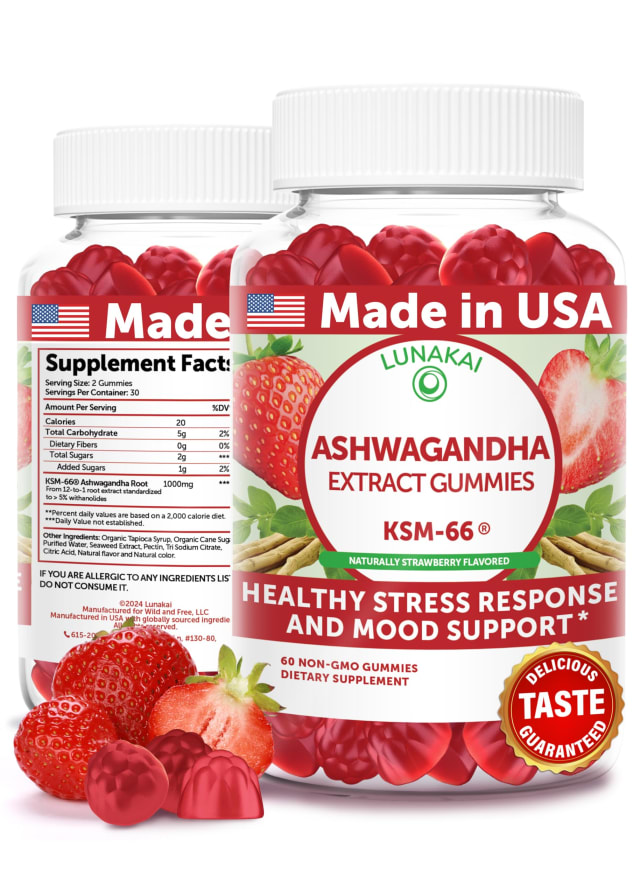
| Standardized Extract | A label specifying "standardized to X% withanolides" (often 2.5%-5%). KSM-66® or Sensoril® are renowned, clinically-studied extracts. | Standardization guarantees a consistent, potent dose of the active compounds, ensuring efficacy. KSM-66 is a full-spectrum root extract. |
| Ashwagandha Dosage | Typically 300-600 mg of root extract per serving. Check the Supplement Facts panel for the amount of "Ashwagandha Root Extract." | This is the clinically effective dosage range for most benefits. Avoid products with minuscule amounts listed in a "proprietary blend." |
| Sugar & Additives | Low added sugar, natural sweeteners (organic cane sugar, tapioca syrup), and natural flavors/colors. | Keeps the gummy a health-positive choice. Excessive sugar can counteract the calming benefits. |
| Other Ingredients | Complementary ingredients like L-Theanine, Lemon Balm, or vitamins. Avoid unnecessary fillers and artificial preservatives. | Some combinations can enhance benefits (e.g., L-Theanine for focus). Clean ingredients lists are preferable. |
| Third-Party Testing | Look for certifications like USP, NSF, or mention of independent lab testing for purity and potency. | Verifies that the product contains what it claims and is free from contaminants like heavy metals. |
Practical Guide: Dosing, Timing, and Safety
Recommended Dosage
For ashwagandha gummies, follow the manufacturer's serving suggestion, which is typically 1-2 gummies daily, providing a total of 300-600 mg of standardized root extract. It is advisable to start at the lower end of the range to assess tolerance.
Optimal Timing
- For General Stress & Daytime Calm: A gummy taken with breakfast or lunch can help build resilience against daily stressors.
- For Sleep Support: Taking a gummy 30-60 minutes before bedtime can leverage its cortisol-regulating effects to promote relaxation.
- Consistency is Key: Adaptogens work best when taken regularly over time. Effects are often noticed after 2-4 weeks of consistent use.
Important Considerations and Potential Side Effects
Ashwagandha is generally well-tolerated by most adults when used appropriately. However, considerations include:
- Mild Side Effects: Some may experience mild digestive upset, drowsiness, or headache, especially when starting.
- Contraindications: It is not recommended for pregnant or breastfeeding women. Individuals with autoimmune diseases (e.g., rheumatoid arthritis, lupus), thyroid disorders (especially hyperthyroidism), or those scheduled for surgery should consult a healthcare provider.
- Drug Interactions: It may interact with sedatives, thyroid hormone medication, and drugs that suppress the immune system. A discussion with a doctor or pharmacist is crucial.
- "Adaptogen Fatigue": Some practitioners recommend cycling adaptogens—taking them for 8-12 weeks followed by a 1-2 week break—to prevent the body from becoming overly accustomed.
Frequently Asked Questions (FAQ)
Q1: Are ashwagandha gummies as effective as capsules or powders? A: Yes, if they contain an equivalent dose of a standardized, high-quality extract (like KSM-66). The efficacy lies in the bioactive withanolide content, not the delivery form. Gummies offer convenience and taste, which can improve adherence.
Q2: Can I take ashwagandha gummies every day? A: Yes, daily use is common and recommended for building the adaptogenic effect. However, as noted above, some people choose to cycle their usage. It's always best to follow the product's instructions and listen to your body.
Q3: How long does it take to feel the benefits of ashwagandha gummies? A: While some may notice subtle changes in stress levels within a week or two, most of the clinically-studied benefits, such as significant cortisol reduction or improved sleep, are observed after consistent supplementation for 4-8 weeks.
Q4: Can ashwagandha gummies make you sleepy? A: They are not a sedative, but their calming effect can promote relaxation. For some, this may lead to drowsiness, which is why taking them in the evening is popular. If you are sensitive, start by taking them at night or with a meal.
Q5: Are there any people who should avoid ashwagandha gummies? A: Yes. Pregnant or nursing women, individuals with hyperthyroidism or autoimmune conditions, and those taking specific medications (like sedatives, immunosuppressants, or thyroid drugs) should avoid use unless under direct medical supervision.
Q6: What's the difference between KSM-66 and other ashwagandha extracts? A: KSM-66 is a specific, patented, full-spectrum root extract standardized to a high percentage of withanolides. It is one of the most extensively researched forms, used in numerous clinical trials. Its production process aims to preserve the full profile of the herb's active compounds.
Ashwagandha gummies represent a palatable and practical gateway to the profound benefits of this ancient adaptogen. By offering a natural path to managing stress, supporting cognitive function, and promoting overall balance, they can be a valuable tool in a modern wellness toolkit. Success with any supplement hinges on choosing a high-quality product, using it consistently, and integrating it into a holistic approach to health that includes proper nutrition, exercise, and sleep. As with any new supplement regimen, consulting with a healthcare professional is a wise first step to ensure it aligns with your individual health needs and goals.
Affiliate Disclosure
Gummy.mom may earn a commission from purchases made through links on this page. This helps support our research and content creation. We only recommend products we genuinely believe in and have thoroughly researched.