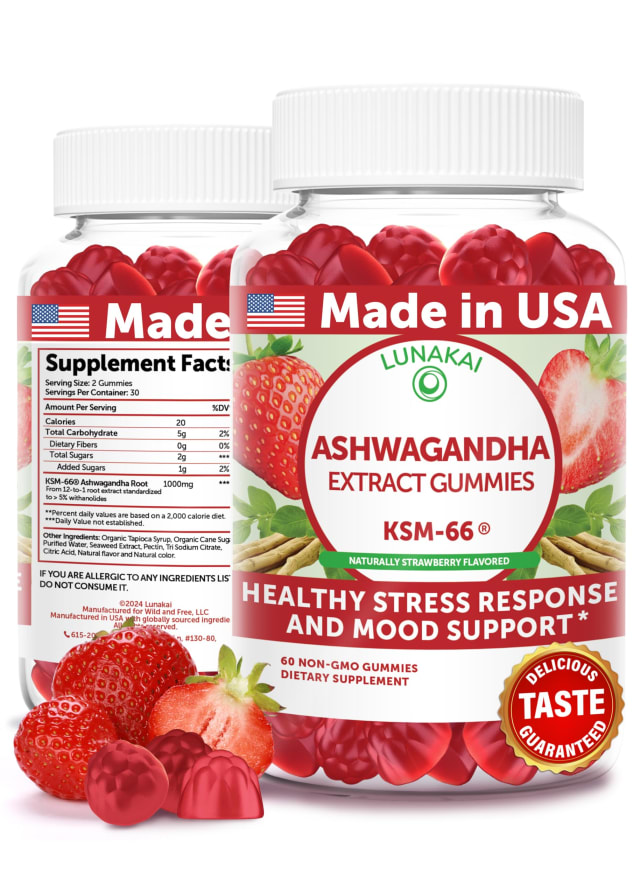
Ashwagandha Gummies for Focus: A Comprehensive Guide to Sharpening Your Mind Naturally
In today’s fast-paced world, maintaining mental clarity and concentration can feel like a constant battle. Distractions are everywhere, and the cumulative effects of stress can leave the mind feeling foggy and fatigued. Among the many natural solutions gaining popularity, ashwagandha gummies for focus have emerged as a convenient and palatable option for those seeking cognitive support. This ancient adaptogenic herb, now available in a modern gummy format, promises not just to calm the nervous system but to enhance mental performance. This guide delves deep into the science, benefits, and practical considerations of using ashwagandha gummies to support focus, providing the information needed to make an informed decision.
What is Ashwagandha? The Ancient Root of Modern Wellness
Ashwagandha (Withania somnifera), also known as Indian ginseng or winter cherry, is a cornerstone herb in Ayurvedic medicine, a traditional healing system from India that dates back over 3,000 years. Its name translates to "smell of the horse," which refers to both its unique aroma and the traditional belief that it imparts the strength and vitality of a stallion.
Classified as an adaptogen, ashwagandha helps the body and mind adapt to and resist physical, chemical, and biological stressors. Unlike stimulants that provide a temporary jolt, adaptogens work by modulating the body's stress response systems, promoting a state of balance known as homeostasis.
Key Bioactive Compounds
The primary active components responsible for ashwagandha's effects are withanolides, a group of steroidal lactones. The concentration and standardization of withanolides are often used to measure the potency and quality of ashwagandha supplements. One of the most researched and trusted standardized extracts is KSM-66, a full-spectrum root extract known for its high concentration of withanolides and rigorous production process.
The Science of Focus: How Ashwagandha Gummies May Help
Focus and concentration are complex cognitive functions influenced by numerous factors, including neurotransmitter balance, stress hormone levels, sleep quality, and overall brain energy metabolism. Ashwagandha is believed to support focus through several interconnected mechanisms.
1. Cortisol Management and Stress Relief
Chronic stress elevates levels of the hormone cortisol. While useful in acute "fight-or-flight" situations, persistently high cortisol can be detrimental to cognitive function. It can impair memory, reduce synaptic connectivity in the prefrontal cortex (the brain's executive function center), and promote brain fog. By helping to regulate the hypothalamic-pituitary-adrenal (HPA) axis—the body's central stress response system—ashwagandha can lower elevated cortisol levels. A calmer, less stressed physiological state is inherently more conducive to sustained concentration.
2. Neuroprotective and Cognitive-Enhancing Effects
Research suggests ashwagandha has neuroprotective properties. It may support the growth of nerve cells and protect existing neurons from oxidative stress. Some studies indicate it can enhance cholinergic signaling, which involves neurotransmitters like acetylcholine that are critical for learning, memory, and attention. By supporting overall brain health, ashwagandha creates a better foundation for sharp cognitive function.
3. Mood and Anxiety Support
Anxiety and low mood are significant distractors. Ruminative thoughts and worry can monopolize mental bandwidth, leaving little capacity for the task at hand. Ashwagandha's anxiolytic (anti-anxiety) effects are well-documented. By promoting a sense of calm and emotional balance, it can help quiet the mental "noise," allowing cognitive resources to be directed toward productive focus.
4. Energy and Reduction of Mental Fatigue
The "energy" from adaptogens like ashwagandha is not a stimulant-like surge but rather a reduction in fatigue caused by chronic stress. By improving the body's resilience to stress, it can help prevent the draining effect that stress has on both physical and mental energy reserves. Better energy levels naturally support longer periods of mental engagement.
Key Benefits of Ashwagandha Gummies: Beyond Just Focus
While the target is often enhanced focus, ashwagandha gummies offer a spectrum of interrelated benefits that contribute to overall well-being.
- Stress Relief: Acts as a buffer against daily stressors, promoting relaxation.
- Mood Support: Can help alleviate symptoms of mild anxiety and support a more positive outlook.
- Sustained Energy: Fights stress-related fatigue without jitters or crashes.
- Cortisol Management: Helps normalize cortisol rhythms, supporting better sleep and metabolic health.
- Sleep Quality: By reducing stress and anxiety, it can indirectly support deeper, more restorative sleep, which is fundamental for cognitive function the next day.
Why Choose Gummies? Format Advantages and Considerations
The rise of ashwagandha gummies speaks to their user-friendly nature. Here’s how they compare to other forms:
| Feature | Ashwagandha Gummies | Capsules/Tablets | Powders/Tinctures |
|---|---|---|---|
| Taste & Palatability | Excellent; often flavored to mask the herb's bitter taste. | Neutral; taste is contained. | Can be very bitter; often needs mixing. |
| Convenience | Very high; pre-dosed, portable, no water needed. | High; portable but requires water. | Lower; requires measuring and mixing. |
| Absorption Speed | Moderate; must be chewed and digested. | Moderate; must dissolve. | Potentially faster for liquids (tinctures). |
| Dosing Precision | Fixed per gummy; easy to track. | Fixed per capsule; easy to track. | Can be less precise with powders. |
| Added Ingredients | Often contain sugars, fillers, and flavors. | Typically minimal excipients. | Minimal (especially tinctures). |
| Best For | Those who dislike pills/swallowing, seeking a tasty routine. | Those wanting pure, high-potency supplementation. | Those who want flexibility in dosing or fast absorption. |
Important Note: The convenience of gummies comes with a caveat. They often contain added sugars, gelatin or pectin, colorings, and flavorings. It’s crucial to read the label to understand the full ingredient profile.
What to Look for When Choosing Ashwagandha Gummies for Focus
Not all ashwagandha gummies are created equal. Here are the key factors to evaluate:
- Standardized Extract & Potency: Look for products that specify the withanolide content (e.g., "standardized to 5% withanolides") and mention a clinically studied extract like KSM-66. The label should clearly state the amount of ashwagandha root extract per serving (e.g., 300mg or 600mg).
- Dosage: Clinical studies on cognitive and stress benefits often use doses in the range of 300mg to 600mg of a standardized extract daily. Ensure the gummy dosage aligns with this. Be wary of products with very low amounts that may be ineffective.
- Sugar Content: Since gummies require sweeteners, check the type and amount of sugar used. Options like organic cane sugar, tapioca syrup, or sugar alcohols are common. Aim for the lowest sugar content that still fits your dietary preferences.
- Additional Supporting Ingredients: Some gummies combine ashwagandha with other nootropics or adaptogens for a synergistic effect. Common pairings include:
- L-Theanine: Promotes relaxed focus.
- Bacopa Monnieri: Another Ayurvedic herb for memory.
- Rhodiola Rosea: An adaptogen for mental fatigue.
- B-Vitamins: Essential for energy metabolism in the brain.
- Third-Party Testing: Reputable brands will have their products tested by independent labs for purity, potency, and contaminants (like heavy metals). Look for seals or mentions of "third-party tested" on the label or website.
- Dietary Compatibility: Check if the gummies are vegan (using pectin instead of gelatin), non-GMO, gluten-free, or organic if these factors are important to you.
Practical Advice: Dosing, Timing, and Maximizing Benefits
For optimal results, a strategic approach is recommended.
- Typical Dosage: Most adults find benefits with 300-600mg of ashwagandha extract daily. This is often delivered as 1-2 gummies, depending on the product's formulation. Always start with the lower end of the dosage range to assess tolerance.
- Optimal Timing: Timing can be tailored to your goals:
- For Daytime Focus & Stress Support: Take your gummy(s) with breakfast or lunch. Taking it with food may enhance absorption and is gentler on the stomach for some individuals.
- For Sleep Support: If your primary goal is to improve sleep quality by managing evening stress, taking a gummy with dinner or 1-2 hours before bed may be beneficial.
- Consistency is Key: Adaptogens work best with consistent, daily use over time. It’s not an "as-needed" supplement like a pain reliever. Most studies show noticeable effects after 4-8 weeks of consistent supplementation.
- Cycling: Some practitioners recommend taking a break after 8-12 weeks of continuous use—such as one week off—to prevent the body from becoming overly accustomed to it. This is not universally necessary but can be a prudent approach.
Important Considerations and Potential Side Effects
Ashwagandha is generally well-tolerated by most adults when used at recommended doses, but it is not without considerations.
- Common Side Effects: At very high doses, some people may experience mild digestive upset, drowsiness, or headaches.
- Drug Interactions: Ashwagandha may potentially interact with medications for thyroid disorders (as it may increase thyroid hormone levels), diabetes and blood sugar (it can lower blood sugar), blood pressure (it can lower blood pressure), sedatives, and immunosuppressants. Consultation with a healthcare provider is essential before starting if you have a medical condition or are taking any prescription medications.
- Pregnancy and Breastfeeding: It is typically not recommended for pregnant or breastfeeding women due to a lack of comprehensive safety data.
- Autoimmune Conditions: Because ashwagandha may stimulate the immune system, individuals with autoimmune diseases (like rheumatoid arthritis, lupus, Hashimoto's thyroiditis) should use it only under medical supervision.
- "Adaptogen Fatigue": While rare, a small subset of individuals might feel overly relaxed or lethargic when taking ashwagandha. Adjusting the dose or timing (e.g., taking it at night) can often mitigate this.
Frequently Asked Questions (FAQ)
Q1: How long does it take for ashwagandha gummies to work for focus? A: While some may feel a subtle sense of calm within a few days, the more pronounced effects on focus, stress resilience, and cognitive function typically build over time. Most clinical studies observe significant results after 6 to 8 weeks of consistent daily use.
Q2: Can I take ashwagandha gummies with coffee? A: Yes, many people combine them. Ashwagandha's calming properties may help smooth out the jittery edges of caffeine, potentially creating a state of "alert calm." However, if you are sensitive, it's best to try them separately first to see how your body reacts.
Q3: Are ashwagandha gummies safe for long-term use? A: While considered safe for medium-term use (several months), the long-term safety data beyond a year is limited. A common and prudent practice is to "cycle" the supplement—for example, taking it for 8-12 weeks followed by a 1-2 week break. Always discuss long-term supplementation plans with a healthcare professional.
Q4: Will ashwagandha gummies make me sleepy during the day? A: At standard doses, ashwagandha should not cause drowsiness but rather promote a state of relaxed alertness. If you feel sleepy, it could be a sign of a high dose for your body, an underlying sleep deficit being unmasked, or simply your body's initial reaction. Trying a lower dose or taking the gummy in the evening may help.
Q5: Can children or teenagers take ashwagandha gummies for focus? A: There is insufficient research on the safety and efficacy of ashwagandha in children and adolescents. Its effects on developing hormonal and neurological systems are not fully understood. It is strongly recommended to avoid giving ashwagandha to individuals under 18 without explicit guidance from a pediatrician or qualified healthcare provider.
Q6: What's the difference between ashwagandha gummies and a prescription for focus like ADHD medication? A: They work through fundamentally different mechanisms. Prescription stimulants (e.g., Adderall, Ritalin) directly and powerfully increase neurotransmitters like dopamine and norepinephrine in the brain. Ashwagandha is a gentle adaptogen that works indirectly by modulating stress responses and supporting overall brain health. It is not a treatment for ADHD but may be a complementary support for general stress-related focus issues. It should never replace prescribed medication without a doctor's supervision.
Conclusion: A Natural Tool for a Sharper Mind
Ashwagandha gummies for focus represent a compelling fusion of ancient wisdom and modern convenience. By targeting the root cause of much modern cognitive struggle—chronic stress—they offer a holistic path to improved concentration, mental clarity, and emotional balance. While not a magic bullet, when chosen carefully for their potency and purity, and used consistently as part of a healthy lifestyle that includes good nutrition, exercise, and sleep, they can be a valuable tool in your wellness arsenal.
The journey to better focus is personal. Starting with a high-quality product, paying attention to dosage and timing, and maintaining realistic expectations are the keys to discovering if ashwagandha gummies are the right natural support for your cognitive goals. As with any supplement, prioritizing safety by consulting a healthcare professional ensures that this ancient adaptogen can be harnessed effectively and responsibly for your modern life.
Affiliate Disclosure
Gummy.mom may earn a commission from purchases made through links on this page. This helps support our research and content creation. We only recommend products we genuinely believe in and have thoroughly researched.