Ashwagandha Gummies for Stress: A Comprehensive Guide to Natural Relief
In today's fast-paced world, stress has become a common, yet unwelcome, companion for many. The search for natural, effective ways to manage daily pressures has led to a surge in the popularity of adaptogenic herbs, with ashwagandha leading the charge. Now available in a convenient and tasty gummy format, this ancient root is more accessible than ever. This guide delves deep into the world of ashwagandha gummies for stress, exploring the science behind their benefits, what to look for when choosing a product, and how to incorporate them into a wellness routine effectively.
What is Ashwagandha? The Ancient Adaptogen
Ashwagandha (Withania somnifera) is a cornerstone herb in Ayurvedic medicine, a traditional healing system from India that dates back over 3,000 years. Its name translates to "smell of the horse," which refers to both its unique aroma and the traditional belief that it imparts the strength and vitality of a stallion.
Classified as an adaptogen, ashwagandha helps the body resist and adapt to physical, chemical, and biological stressors. Adaptogens work by modulating the body's stress response system, the hypothalamic-pituitary-adrenal (HPA) axis, promoting a state of balance or homeostasis.
The Science of Stress and Cortisol
To understand how ashwagandha works, it's essential to understand the body's primary stress hormone: cortisol. Produced by the adrenal glands, cortisol is crucial for the "fight-or-flight" response. In short bursts, it is beneficial. However, chronic stress leads to consistently elevated cortisol levels, which is linked to a host of issues including anxiety, weight gain, sleep disturbances, brain fog, and a weakened immune system.
Ashwagandha's primary mechanism for stress relief and cortisol management is its ability to regulate this HPA axis, effectively signaling to the body that it can "stand down" from a heightened state of alert.
Why Choose Ashwagandha in Gummy Form?
While ashwagandha is traditionally consumed as a powder mixed into warm milk or in capsule form, gummies offer several distinct advantages:
- Palatability: The earthy, sometimes bitter taste of ashwagandha root is masked, making it an enjoyable daily habit.
- Convenience: They are pre-dosed, portable, and require no water, making them easy to take consistently.
- Compliance: The enjoyable format can improve adherence to a supplement regimen, which is crucial for experiencing the cumulative benefits of adaptogens.
- Additional Nutrients: Many gummy formulas are combined with other supportive vitamins, like B-vitamins or Vitamin D, for enhanced mood support and energy.
Key Benefits of Ashwagandha Gummies for Stress
The benefits of ashwagandha are wide-ranging, but they all stem from its fundamental role in modulating the body's stress response.
1. Stress Relief and Anxiety Reduction
Multiple clinical studies have demonstrated ashwagandha's efficacy in significantly reducing perceived stress and anxiety scores. By lowering cortisol levels, it helps calm the nervous system, leading to a greater sense of calm and resilience in the face of daily challenges.
2. Improved Mood and Emotional Well-being
Closely tied to stress relief, ashwagandha has been shown to support a more positive mood. Research suggests it may influence neurotransmitters like GABA, which has calming, anti-anxiety effects, and serotonin, which contributes to feelings of well-being.
3. Enhanced Energy and Reduced Fatigue
Contrary to stimulants that provide a jittery energy spike, ashwagandha promotes sustainable energy by addressing the root cause of stress-related fatigue. Lowering chronic cortisol levels allows the body's energy systems to function more efficiently, combating the feeling of being "wired but tired."
4. Better Focus and Cognitive Function
Chronic stress can impair memory, concentration, and reaction time. Studies indicate that ashwagandha may improve cognitive function, including memory, executive function, and the ability to maintain focus, by protecting neurons from stress-induced damage and supporting overall brain health.
5. Support for Sleep Quality
While not a sedative, ashwagandha's stress-reducing properties can indirectly promote better sleep. By calming an overactive mind and regulating the circadian rhythm through cortisol management, it can help individuals fall asleep more easily and experience more restful sleep.
What to Look for in a Quality Ashwagandha Gummy
Not all ashwagandha gummies are created equal. To ensure efficacy and safety, consider these critical factors:
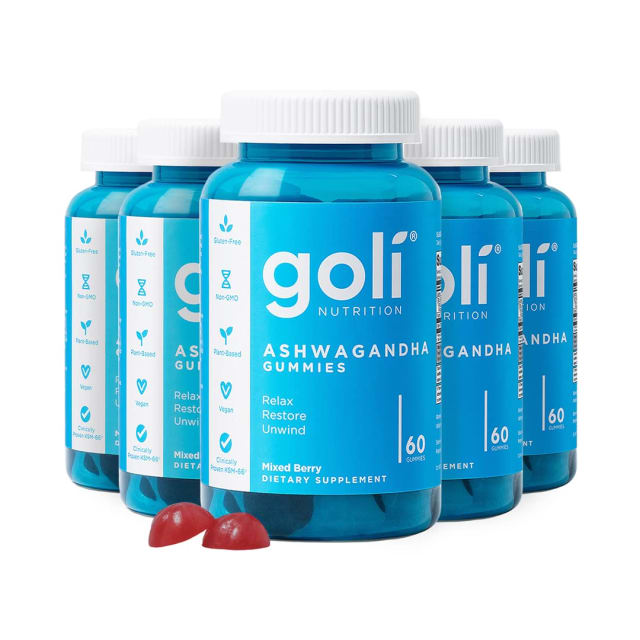
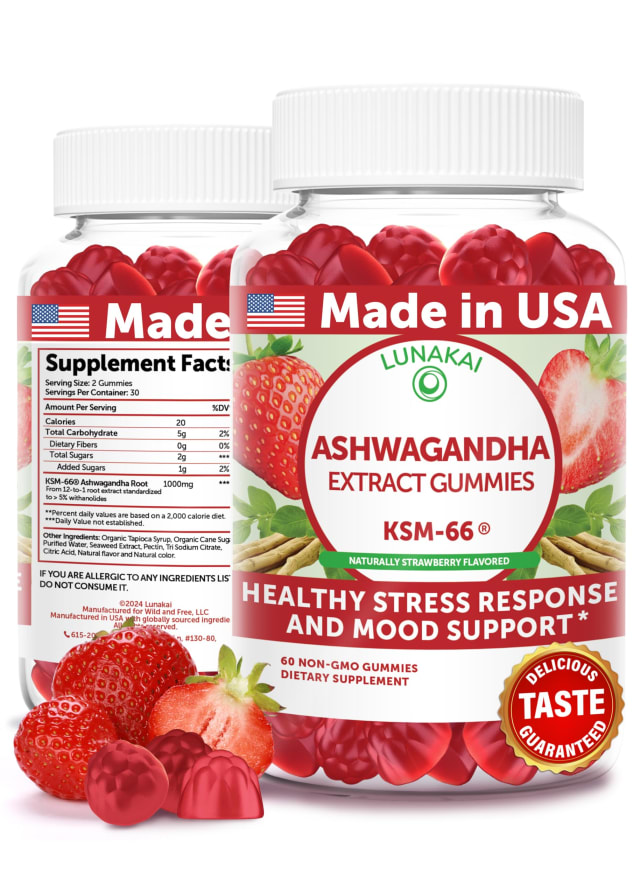
- Standardized Extract: Look for products that specify a standardized extract, such as KSM-66 or Sensoril. These are clinically studied, high-concentration extracts that guarantee a consistent level of key active compounds called withanolides. KSM-66, in particular, is a full-spectrum root extract renowned for its research on stress and vitality.
- Withanolide Content: Potency is measured by withanolide concentration. A quality supplement will clearly state the amount of withanolides per serving (e.g., "standardized to contain 5% withanolides"). A typical effective dose ranges from 250mg to 600mg of extract daily.
- Sugar Content: Since gummies are a sweetened format, examine the sugar source and amount. Options sweetened with organic cane sugar, tapioca syrup, or low-glycemic options like monk fruit are preferable to those with high-fructose corn syrup or excessive added sugars.
- Additional Ingredients: Check for complementary ingredients that support the goal of stress relief, such as L-Theanine, Rhodiola Rosea, or B-Vitamins. Also, review the ingredient list for unnecessary artificial colors, flavors, or preservatives.
- Third-Party Testing: Certifications from independent labs (like USP, NSF, or ConsumerLab) verify that the product contains what the label claims and is free from contaminants like heavy metals.
Comparison of Common Ashwagandha Forms
| Feature | Ashwagandha Gummies | Ashwagandha Capsules/Powder |
|---|---|---|
| Taste | Pleasant, fruity, sweet | Earthy, bitter, often requires masking |
| Convenience | High; no water needed, pre-dosed | Moderate; requires water to swallow |
| Absorption | Good (with proper formulation) | Typically good |
| Dosing Precision | Fixed per gummy | Easily adjustable with powder |
| Additional Ingredients | Often includes vitamins, other herbs | Usually just ashwagandha, sometimes a capsule |
| Ideal For | Those who dislike pills/taste, seeking a routine | Those wanting precise dosing, minimal additives |
How to Take Ashwagandha Gummies for Best Results
To maximize the benefits of ashwagandha gummies for stress, consider the following practical advice:
- Dosing: Always follow the manufacturer's recommended dosage on the label, typically 1-2 gummies per day. This usually provides 250-600mg of ashwagandha extract. Consistency is more important than a single large dose.
- Timing: For stress relief and energy throughout the day, taking gummies in the morning with breakfast is common. For those primarily interested in its calming effects to support sleep, taking them in the early evening (with dinner) may be preferable. It's often recommended to take them with a meal containing fats to enhance absorption of the withanolides.
- Duration: Adaptogens work best over time. A minimum commitment of 4-8 weeks of consistent use is typically needed to observe significant changes in stress resilience and mood. Cycling (e.g., taking for 8-12 weeks followed by a 1-2 week break) is a practice some follow to maintain sensitivity to the herb.
- Synergy with Lifestyle: Ashwagandha gummies are a supplement, not a substitute for a healthy lifestyle. They work most effectively when combined with other stress-management practices like regular exercise, a balanced diet, mindfulness meditation, and adequate sleep.
Important Considerations and Potential Side Effects
Ashwagandha is generally well-tolerated by most adults when taken at recommended doses. However, being informed is crucial.
- Common Side Effects: These are typically mild and may include digestive upset, drowsiness (especially at higher doses), or headaches. Starting with a lower dose can help assess tolerance.
- Contraindications: Ashwagandha may not be suitable for everyone. It is traditionally not recommended for:
- Pregnant or breastfeeding women.
- Individuals with autoimmune diseases (e.g., rheumatoid arthritis, lupus, Hashimoto's thyroiditis) unless under medical supervision, as it may stimulate the immune system.
- Those about to undergo surgery, due to potential sedative effects.
- Medication Interactions: Ashwagandha may interact with certain medications, including:
- Sedatives, anti-anxiety drugs, or thyroid hormone medications (it may enhance their effects).
- Medications for diabetes or high blood pressure (it may lower blood sugar and blood pressure further).
- Consult a Healthcare Professional: It is always advisable to consult with a doctor or a qualified healthcare provider before starting any new supplement regimen, especially for individuals with pre-existing health conditions or those taking prescription medications.
Frequently Asked Questions (FAQ)
How long does it take for ashwagandha gummies to work for stress?
Most people begin to notice a subjective feeling of reduced stress and improved calm within 2-3 weeks of consistent use. However, for measurable changes in cortisol levels and full adaptogenic benefits, 4-8 weeks of daily use is typically recommended.
Can I take ashwagandha gummies every day?
Yes, daily use is standard and necessary to build up the adaptogenic effects in the body. For long-term use, some practitioners suggest cycling—taking it daily for 8-12 weeks, then taking a break for 1-2 weeks.
Are ashwagandha gummies safe?
For the majority of healthy adults, ashwagandha gummies are safe when consumed at the recommended dosage from a reputable brand. Safety depends on factors like product quality, individual health conditions, and potential medication interactions. Reviewing the "Considerations" section above and consulting a healthcare provider is key.
What's the difference between ashwagandha and KSM-66?
Ashwagandha is the plant itself. KSM-66 is a specific, patented, full-spectrum extract of the ashwagandha root. It is one of the most clinically researched forms, standardized to contain a high concentration of withanolides, and is often associated with studies on stress reduction and physical performance.
Can ashwagandha gummies make you sleepy?
Ashwagandha is not a sedative, but its calming effect can promote relaxation. For some individuals, especially when taken in higher doses or in the evening, this may lead to drowsiness. Most people taking standard doses during the day experience a reduction in stress without significant drowsiness.
Are there any specific brands or ingredients I should look for?
While this article does not recommend specific brands, look for gummies that clearly state they use a standardized extract (like KSM-66 or Sensoril), disclose the withanolide content, have minimal added sugars and artificial ingredients, and provide transparency through third-party testing.
Conclusion
Ashwagandha gummies for stress represent a modern, user-friendly delivery method for an ancient and powerful adaptogen. By offering a natural path to cortisol management, mood support, and enhanced energy and focus, they can be a valuable tool in a holistic stress-management toolkit. The key to success lies in choosing a high-quality product with a clinically-backed extract, using it consistently as part of a healthy lifestyle, and being mindful of individual health circumstances. By making an informed choice, individuals can harness the balancing power of ashwagandha to navigate life's pressures with greater ease and resilience.
Affiliate Disclosure
Gummy.mom may earn a commission from purchases made through links on this page. This helps support our research and content creation. We only recommend products we genuinely believe in and have thoroughly researched.