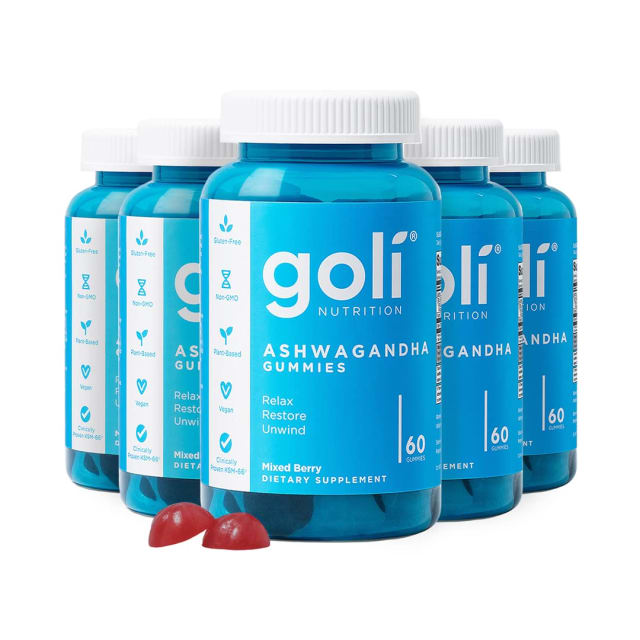
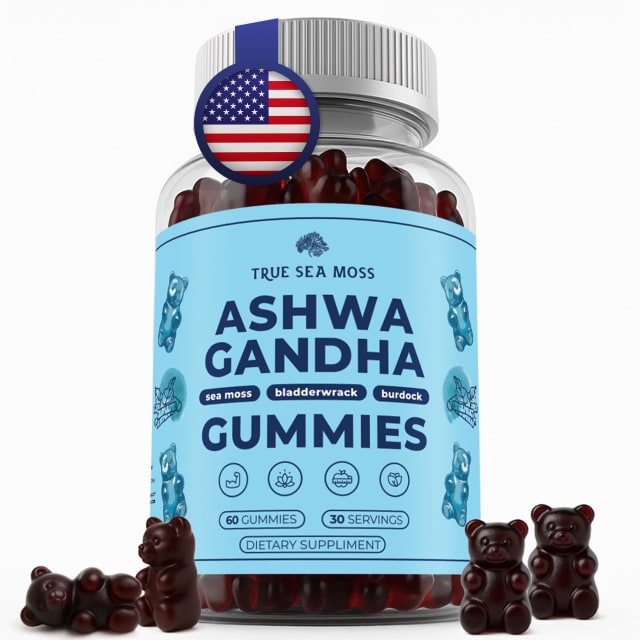
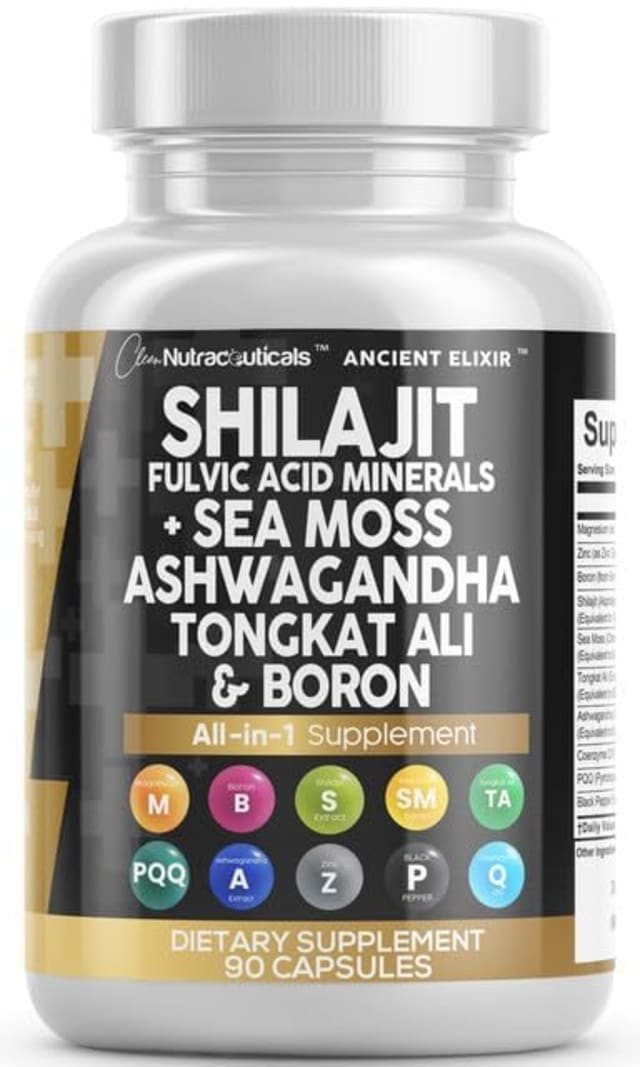
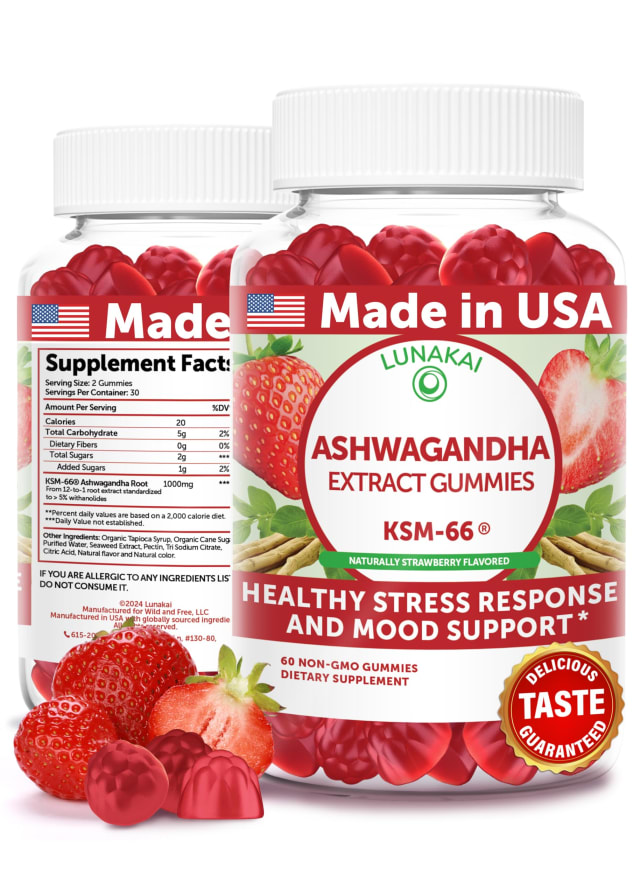
Ashwagandha Gummies vs Pills: A Comprehensive Comparison for Stress Relief and Mood Support
In the bustling world of wellness supplements, ashwagandha has emerged as a star adaptogen, celebrated for its potential to help the body manage stress, support mood, and promote overall balance. As its popularity soars, consumers are presented with a choice: the traditional pill or the newer, often tastier, gummy format. This comprehensive guide dives deep into the comparison between ashwagandha gummies and pills, examining everything from efficacy and absorption to convenience and taste. The goal is to provide clear, actionable information to help anyone decide which form might best suit their lifestyle and wellness goals.
Understanding Ashwagandha: The Ancient Adaptogen
Before comparing delivery methods, it’s crucial to understand the substance at the heart of the discussion. Ashwagandha (Withania somnifera), also known as Indian ginseng or winter cherry, is a cornerstone of Ayurvedic medicine. Its name translates to "smell of the horse," alluding to its unique aroma and traditional belief that it imparts the strength and vitality of a stallion.
Modern science has focused on its adaptogenic properties. Adaptogens are natural substances believed to help the body adapt to physical, chemical, and biological stressors. The primary bioactive compounds in ashwagandha are withanolides, which are thought to be responsible for many of its reported benefits, including supporting cortisol regulation, promoting a calm mood, and enhancing energy and focus.
The Core Comparison: Gummies vs. Pills
The fundamental difference lies in the delivery system. Pills (which include capsules and tablets) are the traditional, standardized method for delivering powdered ashwagandha root or extract. Ashwagandha gummies, on the other hand, are a newer innovation where the herb is infused into a chewable, often flavored, gelatin or pectin-based candy.
Key Factors in the Ashwagandha Gummies vs. Pills Debate
1. Absorption and Bioavailability
Bioavailability refers to the proportion of a nutrient that enters the bloodstream and is available for use by the body.
- Pills: Capsules, especially those containing extracts, often have high bioavailability. Many are designed for quick dissolution in the stomach. Some brands use black pepper extract (piperine) to enhance absorption.
- Gummies: Absorption can be variable. The gummy matrix (gelatin, pectin, sugars) must break down before the ashwagandha is released. This might slightly delay absorption compared to some capsules. The bioavailability largely depends on the quality and form of ashwagandha used within the gummy.
Verdict: High-quality pills, particularly full-spectrum extracts in capsules, may have a slight edge in predictable, rapid absorption. However, well-formulated ashwagandha gummies using a potent extract can still offer excellent bioavailability.
2. Dosage Accuracy and Standardization
This is one of the most critical aspects for efficacy.
- Pills: Typically allow for precise, higher dosages. It’s common to find capsules with 300mg, 500mg, or even 600mg of ashwagandha extract, often standardized to a specific percentage of withanolides (e.g., 5% or 10%). This standardization is key for consistent effects.
- Gummies: Dosage per gummy is usually lower, often ranging from 50mg to 300mg. Due to the gummy format, achieving very high concentrations is challenging. It is absolutely vital to check the label for standardization (e.g., "KSM-66" or "Sensoril" which are patented, clinically-studied extracts, or a stated withanolide percentage).
Verdict: Pills generally offer more potent and easily adjustable doses. For those seeking a specific clinical dose, pills are often the straightforward choice. Gummies provide a simpler, pre-measured dose that may be ideal for maintenance or those new to adaptogens.
3. Convenience and Palatability
- Pills: Swallowing pills can be difficult for some, and they often have an earthy, bitter taste if the capsule breaks. They are, however, highly portable and require no refrigeration.
- Gummies: The primary advantage of stress relief gummies is their taste. They mask the herb's natural bitterness with pleasant flavors like berry, citrus, or mango. This makes them an enjoyable, easy-to-take option, especially for those with pill aversion. They are also convenient for on-the-go use without water.
Verdict: Gummies win decisively in taste and ease of consumption, which can significantly improve adherence to a supplement regimen.
4. Ingredients and Additives
- Pills: Capsules can be very clean, containing just the ashwagandha extract and sometimes a rice flour or magnesium stearate flow agent. Vegan capsules (cellulose) are widely available. Tablets may include more binders and fillers.
- Gummies: Require additional ingredients: sweeteners (cane sugar, tapioca syrup, or sugar alcohols like monk fruit), colorings (natural or artificial), gelling agents (gelatin or pectin for vegan options), and flavors. This is important for those monitoring sugar intake, following specific diets, or with food sensitivities.
Verdict: Pills often have a simpler, cleaner ingredient profile. Consumers of adaptogen gummies must read labels carefully to avoid unwanted additives or excess sugar.
5. Cost and Value
- Pills: Usually offer a lower cost per milligram of ashwagandha. A bottle of capsules often provides a higher total dose for a similar price point to gummies.
- Gummies: Tend to be more expensive per dose due to the complex manufacturing process and additional flavoring ingredients.
Verdict: Pills typically provide better economic value for the pure ashwagandha content.
Ashwagandha Gummies vs Pills: Comparison Table
| Feature | Ashwagandha Gummies | Ashwagandha Pills (Capsules/Tablets) |
|---|---|---|
| Taste & Ease of Use | Pleasant, flavored, easy to chew. No water needed. Ideal for pill aversion. | Can be difficult to swallow; potential earthy taste if capsule breaks. Requires water. |
| Typical Dosage per Unit | Lower (50mg - 300mg) | Higher (300mg - 600mg+) |
| Dosage Precision & Standardization | Must check label carefully. Look for KSM-66, Sensoril, or withanolide %. | Generally high and clearly stated. Easy to find standardized extracts. |
| Absorption Speed | Slightly delayed due to gummy matrix breakdown. | Typically fast, especially for capsules. |
| Ingredient Profile | More complex. Includes sweeteners, flavors, gelling agents. | Cleaner, often just ashwagandha and a minimal flow agent. |
| Dietary Restrictions | Check for gelatin (non-vegan) vs. pectin (vegan), sugar types, allergens. | Many vegan (cellulose capsule) and gluten/dairy-free options available. |
| Cost | Higher cost per milligram of ashwagandha. | Lower cost per milligram; better value for high doses. |
| Portability | Excellent, but may melt in heat. | Excellent, stable in various temperatures. |
| Best For | Those new to ashwagandha, individuals with pill aversion, seeking a tasty routine. | Those seeking precise, higher doses, clean ingredients, and maximum value. |
What to Look for When Choosing an Ashwagandha Supplement
Regardless of the format, quality is paramount. Here are specific details to scrutinize on any label:
-
Standardized Extract: This is non-negotiable for reliable effects. Look for:
- KSM-66: A full-spectrum root extract, clinically studied for stress relief, energy, and endurance. Often standardized to 5% withanolides.
- Sensoril: A root and leaf extract known for high concentration (often 10% withanolides or more), heavily researched for stress and anxiety relief.
- A clearly stated withanolide percentage (e.g., "standardized to contain 2.5% withanolides").
-
Dosage: Clinical studies on ashwagandha often use doses between 300mg and 600mg daily of a standardized extract. Ensure your chosen product's serving size aligns with this. With KSM-66 gummies, for instance, you may need 2 gummies to reach an effective 300mg dose.
-
Third-Party Testing: Opt for brands that use independent labs to verify purity, potency, and the absence of heavy metals, pesticides, and microbial contaminants. Certificates of Analysis (CoAs) should be available upon request.
-
Other Ingredients: For gummies, seek natural flavors and colors, and a sweetener profile you're comfortable with. For pills, look for minimal, recognizable fillers.
Practical Advice: Dosing, Timing, and Considerations
Dosing: Start with the lowest effective dose recommended on the product label. For anxiety relief gummies, this might mean one gummy (e.g., 150mg) daily. For pills, starting with 300mg daily is common. Consistency is more important than a single large dose.
Timing: Ashwagandha can be taken at any time of day. Some prefer it in the morning for sustained energy and focus, while others take it in the evening to leverage its potential calming effects on sleep. Taking it with a small amount of fat (like a handful of nuts) may enhance the absorption of its active compounds.
Considerations and Potential Side Effects: While generally well-tolerated, ashwagandha is a potent herb. Considerations include:
- Sedative Interaction: It may enhance the effects of sedative medications.
- Thyroid Hormones: It may increase thyroid hormone levels. Those with thyroid conditions should consult a doctor.
- Blood Sugar and Pressure: It can lower blood sugar and blood pressure. Those on related medications should use caution.
- Pregnancy/Breastfeeding: Not recommended due to a lack of safety data.
- "Adaptogen Fatigue": Some practitioners recommend cycling the supplement (e.g., 5 days on, 2 days off, or taking it for 8-12 weeks followed by a break) to prevent the body from becoming accustomed to it.
Which One Is Right For You?
The choice between ashwagandha gummies and pills ultimately depends on individual priorities.
Choose Ashwagandha Gummies if:
- You or a family member has difficulty swallowing pills.
- You prioritize taste and look forward to your supplement routine.
- You are new to adaptogens and want to start with a lower, manageable dose.
- Convenience and portability without water are key.
- You are seeking mood support gummies as part of a gentle, daily wellness habit.
Choose Ashwagandha Pills if:
- You require a specific, higher clinical dose for targeted support.
- You want the most cost-effective option per milligram.
- You prefer a clean, minimal ingredient list without added sugars or flavors.
- You are an experienced supplement user comfortable with capsules.
- Dose precision and guaranteed potency from a standardized extract are your top concerns.
Frequently Asked Questions (FAQ)
Q1: Are ashwagandha gummies as effective as pills? A: Yes, if they contain a comparable dose of a high-quality, standardized ashwagandha extract (like KSM-66 or Sensoril). The effectiveness depends on the potency and bioavailability of the ashwagandha inside, not solely the format. A 300mg KSM-66 gummy can be just as effective as a 300mg KSM-66 capsule, assuming similar bioavailability.
Q2: How many ashwagandha gummies should I take per day? A: Always follow the dosage on the product label. Typically, it ranges from 1 to 2 gummies daily, providing between 150mg and 300mg of extract. Do not exceed the recommended dose unless advised by a healthcare professional.
Q3: Can I take ashwagandha gummies for anxiety? A: Ashwagandha is widely used and researched for its potential to promote calm and support stress response, which can be beneficial for occasional anxiety. Anxiety relief gummies containing ashwagandha may help as part of a broader wellness strategy. However, for diagnosed anxiety disorders, they should not replace professional medical advice or treatment.
Q4: Do ashwagandha gummies have side effects? A: They share the same potential side effects as ashwagandha in any form, though these are uncommon at recommended doses. They can include mild digestive upset, drowsiness, or headaches. The added ingredients in gummies (like sugar alcohols) may cause bloating in sensitive individuals.
Q5: When is the best time to take ashwagandha gummies? A: There's no universally "best" time. For daytime stress support and focus, take them in the morning with breakfast. If the goal is to support relaxation and sleep, taking them 1-2 hours before bedtime may be beneficial. Experiment to see what works best for your body.
Q6: How long does it take for ashwagandha gummies to work? A: Ashwagandha is not an instant fix. As an adaptogen, it works by supporting the body's systems over time. Most people report noticing subtle effects, like feeling more balanced in stressful situations, within 2-4 weeks of consistent use. Full effects may take 8-12 weeks of daily supplementation.
Final Thoughts
The journey between ashwagandha gummies vs pills is not about which is objectively better, but which is better for you. Pills offer potency, purity, and value, making them a powerful tool for targeted support. Ashwagandha gummies offer a palatable, convenient, and enjoyable gateway to the world of adaptogens, potentially improving long-term adherence.
The most effective supplement is the one you will take consistently. By prioritizing a quality extract, a clear understanding of dosage, and an honest assessment of your personal preferences and lifestyle, you can confidently choose the ashwagandha format that will best help you navigate stress and support your mood on your path to greater well-being.
Affiliate Disclosure
Gummy.mom may earn a commission from purchases made through links on this page. This helps support our research and content creation. We only recommend products we genuinely believe in and have thoroughly researched.