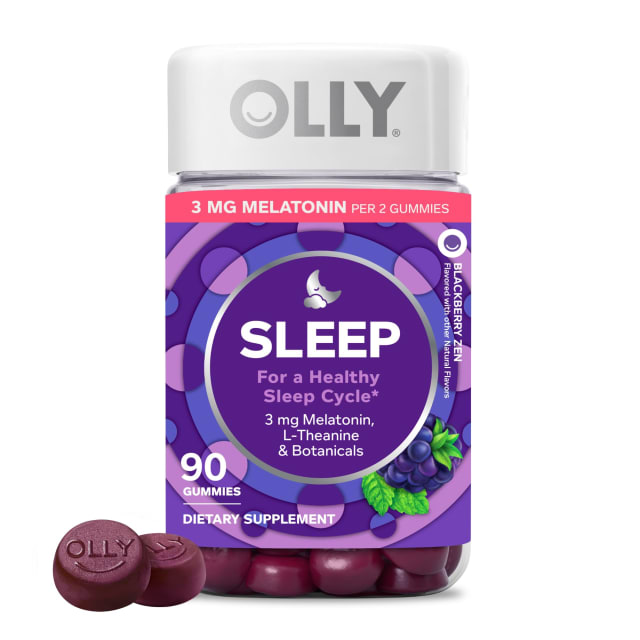
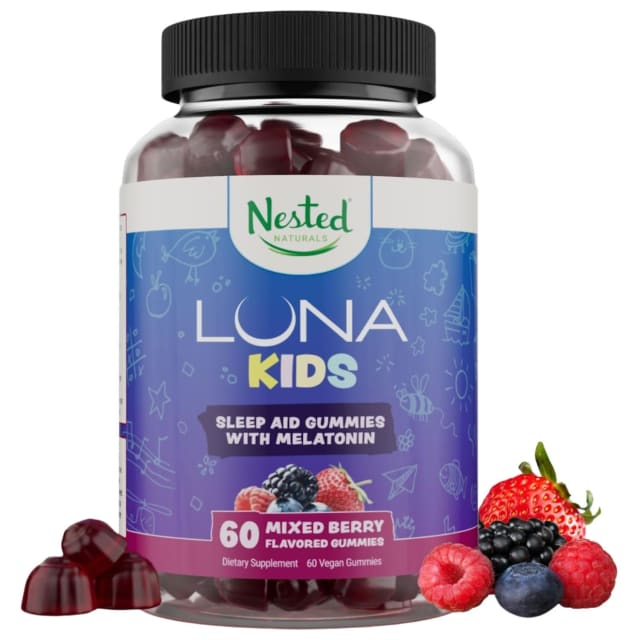
Low Dose Melatonin Gummies: A Comprehensive Guide to Gentle Sleep Support
For many, the quest for a good night's sleep feels endless. Tossing and turning, watching the clock, and facing the next day fatigued is a frustrating cycle. In the search for natural sleep aids, melatonin gummies have surged in popularity, offering a palatable and convenient option. Among these, low dose melatonin gummies have carved out a significant niche, appealing to those seeking a subtle, non-habit-forming nudge toward rest rather than a powerful sedative effect. This guide delves deep into the world of low dose melatonin, providing the insights needed to make an informed choice.
What Are Low Dose Melatonin Gummies?
Melatonin is a hormone naturally produced by the pineal gland in the brain, primarily in response to darkness. It signals to the body that it's time to prepare for sleep, regulating the circadian rhythm—our internal 24-hour clock.
Low dose melatonin gummies are dietary supplements that deliver a small, measured amount of synthetic or plant-derived melatonin in a chewable, gummy format. While standard melatonin supplements can range from 3 mg to 10 mg or even higher per serving, "low dose" typically refers to products containing between 0.5 mg (500 micrograms) and 2 mg of melatonin per gummy.
The philosophy behind a lower dose is "less is more." The goal is to supplement the body's own natural production gently, aligning with the circadian rhythm without overwhelming it. This approach is often recommended by sleep specialists as a starting point, especially for individuals new to melatonin or those with mild, occasional sleep disturbances.
The Science of Melatonin and Sleep
Understanding how melatonin works is key to using it effectively. Melatonin doesn't knock you out like a prescription sleep aid. Instead, it acts as a chronobiotic—a substance that shifts the timing of the sleep-wake cycle. It essentially tells the brain, "It's getting dark, time to start winding down."
Research indicates that melatonin is most effective for specific sleep issues:
- Circadian Rhythm Disorders: Such as jet lag, shift work sleep disorder, or delayed sleep-wake phase disorder (night owls).
- Sleep Onset Insomnia: Difficulty falling asleep at the beginning of the night.
- Regulating Sleep Schedules: Helping to establish a consistent bedtime, particularly in children with neurodevelopmental disorders (under pediatric guidance).
For general sleep maintenance (staying asleep), the evidence is less robust, though some individuals find it helpful. The gummy format offers no pharmacological advantage over pills or liquids but can improve compliance due to its taste and ease of use, making it a preferred choice for many adults and children (with a doctor's advice).
Key Benefits of Low Dose Melatonin Gummies
Choosing a low dose formulation offers several distinct advantages:
- Minimizes Side Effects: Higher doses of melatonin are more frequently associated with next-day drowsiness, headaches, dizziness, or vivid dreams. A low dose reduces this risk significantly.
- Mimics Natural Physiology: A typical endogenous (internally produced) melatonin peak at night is roughly equivalent to 0.1 mg to 0.3 mg. A low dose supplement (0.5-2 mg) is closer to this natural level, providing a more physiological signal.
- Reduces Risk of Tolerance: There is ongoing debate about melatonin tolerance, but using the lowest effective dose is a prudent strategy to avoid potential habituation or diminished effect over time.
- Ideal for Sensitivity: Some people are very sensitive to supplements and medications. A low dose option allows them to test their response gently.
- Versatile for Timing: Lower doses can sometimes be used for more than just bedtime. For instance, a very low dose (0.5 mg) taken in the early evening might help advance the circadian rhythm for an earlier bedtime without causing immediate sleepiness.
How to Choose the Best Low Dose Melatonin Gummies: Evaluation Criteria
Not all melatonin gummies are created equal. When evaluating options, consider these critical factors:
1. Melatonin Dose and Serving Size
This is the most crucial factor. Look for products that clearly state the amount of melatonin per gummy. A product labeled "1 mg per serving" might require two gummies for that serving, so always check. Decide on your target dose (starting at 0.5 mg or 1 mg is often recommended) and choose a product that makes it easy to take that amount.
2. Ingredient Quality and Purity
- Third-Party Testing: This is non-negotiable. Look for gummies certified by independent labs like USP, NSF International, or ConsumerLab.com. This verifies that the product contains the advertised amount of melatonin and is free from contaminants like heavy metals or microbes.
- Melatonin Source: Whether synthetic or derived from plants (like Montmorency tart cherry), ensure the source is disclosed. Synthetic melatonin is identical to the human hormone and is typically very pure.
- Additional Sleep-Support Ingredients: Some gummies include complementary nutrients like:
- L-Theanine: An amino acid from tea that promotes relaxation.
- Magnesium: A mineral involved in muscle relaxation and nervous system regulation.
- Chamomile or Lemon Balm: Herbal extracts with traditional use for calming.
- GABA: A neurotransmitter that may support calmness. Consider if you want melatonin alone or a blend.
3. Sugar and Additive Content
Gummies often contain sugar for taste and texture. Examine the:
- Sugar Type & Amount: Look for options with lower added sugar (e.g., 1-3 grams per gummy). Some use organic cane sugar, while others may use sugar alcohols (like maltitol) or zero-calorie sweeteners (like stevia or monk fruit).
- Gelatin vs. Pectin: Gelatin is animal-based, while pectin is plant-based, making pectin gummies suitable for vegetarians and vegans.
- Artificial Colors/Flavors: Many brands now use natural colors (from fruits and vegetables) and flavors.
4. Brand Reputation and Transparency
Research the brand. Do they provide detailed information about their sourcing and manufacturing processes? Do they have a history of quality and good customer service? Transparent brands are generally more trustworthy.
Comparison of Low Dose Melatonin Gummy Profiles
The table below outlines common profiles to help guide your choice. (Note: Specific brand names are omitted as per instructions).
| Feature Profile | Ideal For | Typical Dose Range (per gummy) | Common Additional Ingredients | Key Considerations |
|---|---|---|---|---|
| The Pure & Simple | First-time users, highly sensitive individuals, those wanting only melatonin. | 0.5 mg - 1 mg | None, or minimal ingredients for gummy base. | Easiest to assess your reaction to melatonin alone. Often has a very short ingredient list. |
| The Relaxation Blend | Those whose sleep trouble is linked to anxiety, stress, or an overactive mind at bedtime. | 1 mg - 2 mg | L-Theanine, Magnesium, GABA, herbal extracts (chamomile, lemon balm). | Check for interactions if you are on medications. The combined effect may be more pronounced. |
| The Child-Friendly | Parents seeking a sleep aid for children under pediatric guidance. | 0.5 mg - 1 mg | Often simpler formulas, natural fruit flavors and colors. | Crucial: Only use with a doctor's recommendation. Ensure the dose is appropriate and the bottle is child-proof. |
| The Sugar-Conscious | Diabetics, those on low-sugar diets, or anyone wanting to minimize sugar intake. | 1 mg - 2 mg | Sweeteners like stevia, monk fruit, or sugar alcohols. May include fiber. | Some sugar alcohols (like maltitol) can cause digestive upset in sensitive people. |
| The Vegan/Vegetarian | Individuals following a plant-based lifestyle. | 1 mg - 2 mg | Pectin-based, natural colors/flavors, plant-derived melatonin. | Confirm all ingredients are non-GMO and plant-sourced if this is a priority. |
Practical Advice: How to Use Low Dose Melatonin Gummies Effectively
Timing is Everything: Take your gummy 30 to 60 minutes before your desired bedtime. This allows time for absorption and for the signal to reach your brain. Do not take it and then continue looking at bright screens, as blue light can counteract its effect.
Start Low, Go Slow: Begin with the lowest dose (e.g., 0.5 mg or 1 mg). If after a few nights you don't notice an effect, you can gradually increase by 0.5 mg increments. Do not exceed 5-10 mg without consulting a healthcare provider, though most people will not need doses this high.
Create a Sleep Ritual: Use the gummy as one part of a consistent wind-down routine. Dim the lights, put away electronics, read a book, or practice gentle stretching. The gummy supports the routine; it doesn't replace it.
Consistency for Rhythm Reset: If using for jet lag or shifting your schedule, take the gummy at the target bedtime of your new time zone for several days to help reset your internal clock.
Know When to Stop: These gummies are intended for short-term or intermittent use (e.g., a few weeks). They are not a permanent solution for chronic insomnia. If sleep problems persist for more than a month, consult a healthcare professional to address potential root causes like sleep apnea, anxiety, or other medical conditions.
Important Considerations and Potential Side Effects
While low dose melatonin is generally well-tolerated and considered safe for short-term use by most adults, awareness is key.
Potential Side Effects: Even at low doses, some individuals may experience:
- Daytime drowsiness or grogginess
- Vivid dreams or nightmares
- Mild headaches
- Dizziness
- Nausea These effects are usually dose-dependent and often subside with continued use or a reduced dose.
Drug Interactions: Melatonin can interact with various medications, including:
- Blood thinners (e.g., warfarin)
- Immunosuppressants
- Diabetes medications
- Blood pressure medications
- Contraceptive drugs
- Certain antidepressants (SSRIs, MAOIs) It is imperative to consult a doctor or pharmacist before starting melatonin if you are on any prescription medications.
Special Populations:
- Pregnancy/Breastfeeding: Not recommended due to insufficient safety data.
- Autoimmune Disorders: Use with caution, as melatonin can stimulate the immune system.
- Children: Should only be used under the direct supervision and recommendation of a pediatrician.
Frequently Asked Questions (FAQ)
Q: What is the best time to take a low dose melatonin gummy? A: The optimal time is typically 30 to 60 minutes before you want to fall asleep. This window allows it to be absorbed and start signaling to your body that it's time for bed. Consistency in timing is more important than the exact minute.
Q: Can I become dependent on melatonin gummies? A: Current research suggests melatonin is not addictive in the traditional sense and does not cause physical dependence. However, some individuals may develop a psychological reliance on it for sleep. Using the lowest effective dose intermittently (e.g., a few nights a week) rather than every single night can help mitigate this.
Q: Are low dose melatonin gummies safe for long-term use? A: The long-term safety of melatonin supplementation is not fully established. Most health professionals recommend it for short-term or intermittent use. Chronic insomnia should be evaluated by a doctor to identify and treat underlying causes.
Q: Can I give a low dose melatonin gummy to my child? A: You should only do this with the explicit guidance of your child's pediatrician. While melatonin is used in children, especially those with ADHD or autism spectrum disorder, the appropriate dose and necessity must be determined by a professional. Never use an adult product for a child.
Q: Why didn't the gummies work for me? A: Several reasons are possible: 1) The dose may be too low for your individual physiology. 2) Your sleep issues may not be related to circadian rhythm timing (e.g., they could be due to anxiety, pain, or sleep apnea). 3) You may be taking it too early or too late. 4) Exposure to bright light after taking it may be blunting its effect. If sleep problems continue, a medical consultation is advised.
Q: What's the difference between 1 mg and 5 mg? Isn't more better? A: With melatonin, more is not necessarily better. The goal is to provide a subtle signal, not a strong sedative effect. Higher doses (like 5 mg) are more likely to cause side effects like next-day grogginess and may not be more effective for falling asleep. Starting with a low dose (0.5-2 mg) is the recommended and often more effective strategy.
Making Your Final Decision
Choosing the right low dose melatonin gummy is a personal decision based on individual needs, sensitivity, and health context. The most effective approach is to prioritize a product from a reputable brand that uses third-party testing, start with the lowest possible dose, and integrate it into a comprehensive sleep hygiene practice.
Remember, these gummies are a tool to support your body's natural processes, not a substitute for a healthy sleep environment and routine. By being an informed consumer and focusing on low, physiological doses, you can harness the benefits of melatonin for more restful nights while minimizing potential drawbacks. Always listen to your body and seek professional guidance when in doubt, paving the way for sustainable, natural sleep health.
Affiliate Disclosure
Gummy.mom may earn a commission from purchases made through links on this page. This helps support our research and content creation. We only recommend products we genuinely believe in and have thoroughly researched.