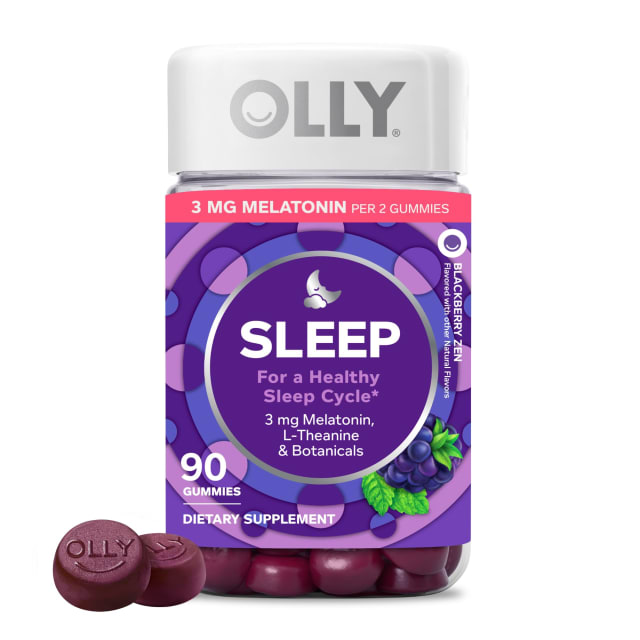
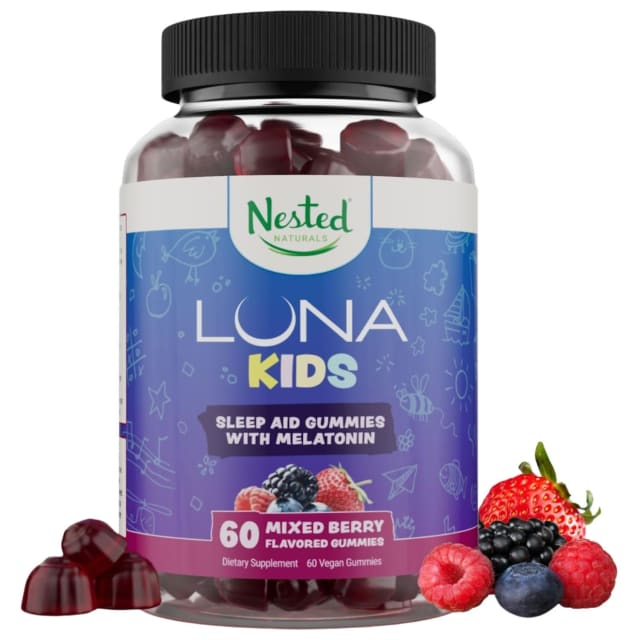
Natural Melatonin Gummies: Your Guide to a More Restful Night's Sleep
For many, the quest for a good night's sleep can feel endless. Tossing and turning, watching the clock, and facing the next day fatigued is a cycle all too familiar. In the search for natural sleep support, natural melatonin gummies have surged in popularity, offering a palatable and convenient alternative to pills and capsules. But what exactly are they, how do they work, and how can one choose a high-quality product? This comprehensive guide delves into the science, benefits, considerations, and key factors to evaluate when considering melatonin gummies for sleep.
Understanding Melatonin: The Body's Sleep Signal
Before exploring the gummies themselves, it's crucial to understand the hormone at the heart of the product: melatonin.
Melatonin is a natural hormone produced by the pineal gland in the brain. Its primary role is to regulate the body's circadian rhythm—the internal 24-hour clock that dictates sleep-wake cycles. Production is triggered by darkness, signaling to the body that it's time to wind down and prepare for sleep. Conversely, light exposure, especially blue light from screens, can suppress melatonin production.
Supplemental melatonin, therefore, is not a sedative. It is a chronobiotic—a substance that helps adjust the timing of the sleep-wake cycle. It essentially reinforces the body's own signal, making it easier to fall asleep when taken at the appropriate time.
What Are Natural Melatonin Gummies?
The term "natural" in natural melatonin gummies can be interpreted in two key ways:
- The Source of Melatonin: While melatonin itself is a molecule (N-acetyl-5-methoxytryptamine), it can be synthesized from various sources. Many high-quality supplements use melatonin synthesized from plant sources like Montmorency tart cherries or chlorella algae, or through a fermentation process. This is often marketed as "plant-based" or "vegan" melatonin. Other forms may be synthetically produced in a lab, which is identical in structure but may not align with some consumers' preferences. Truly "natural" gummies will be transparent about sourcing.
- The Overall Formulation: More broadly, "natural" refers to gummies made with clean, recognizable ingredients. This means avoiding artificial colors (like Red 40, Blue 1), artificial flavors, and high-fructose corn syrup. Instead, they use fruit juices for color, natural flavors, and sweeteners like organic cane sugar or tapioca syrup.
In essence, natural sleep gummies aim to provide sleep support with a focus on clean, purposeful ingredients beyond just the active melatonin.
Key Benefits of Natural Melatonin Gummies
- Convenience and Palatability: The chewable, often tasty format makes them easy to take and a preferred option for those who dislike swallowing pills.
- Sleep Cycle Support: They can help gently nudge the body's internal clock, making it easier to fall asleep, particularly useful for jet lag or adjusting to a new shift-work schedule.
- Reduced Sleep Latency: This refers to the time it takes to fall asleep. Melatonin can help shorten this duration.
- Potential for Fewer Additives: By choosing a natural formulation, consumers often avoid unnecessary artificial ingredients.
- Ease of Dosing: Most gummies come in a pre-measured dose (e.g., 1-3 mg per gummy), simplifying the process.
What to Look For: Evaluation Criteria for Quality Gummies
Not all sleep aid gummies are created equal. When researching options, consider these critical factors:
1. Melatonin Dosage and Source
Dosage is paramount. More is not always better with melatonin.
- Typical Range: Gummies typically offer 1 mg to 10 mg per serving. A lower dose (1-3 mg) is often sufficient for general sleep support and is recommended as a starting point.
- Source Transparency: Look for brands that specify if their melatonin is plant-based, fermented, or synthetic. Certifications like "Non-GMO" or "Vegan" can provide additional insight.
2. Complementary Ingredients
Many natural sleep gummies include other botanicals and nutrients for synergistic support.
- L-Theanine: An amino acid found in green tea that promotes relaxation without drowsiness.
- Magnesium (Glycinate or Bisglycinate): A mineral that supports muscle relaxation and nervous system calm.
- Chamomile Extract: A traditional herb known for its mild calming properties.
- Lemon Balm: An herb that may help reduce anxiety and promote restfulness.
- GABA (Gamma-Aminobutyric Acid): A neurotransmitter that can have a calming effect on the brain.
- Valerian Root: An herb with a long history of use for sleep, though its efficacy can vary.
3. "Free-From" List & Sweeteners
A clean label is a hallmark of a natural product.
- Avoid: Artificial colors, artificial flavors, artificial sweeteners (like sucralose, aspartame), and high-fructose corn syrup.
- Look For: Natural colors (from fruit/vegetable juice), natural flavors, and sweeteners like organic cane sugar, tapioca syrup, or stevia. Be mindful of sugar content per serving.
4. Third-Party Testing & Certifications
This is the gold standard for verifying quality and safety.
- Third-Party Tested: This means an independent lab has verified the product contains the ingredients and amounts listed on the label and is free from contaminants like heavy metals, pesticides, or microbes.
- Certifications: Look for seals from organizations like NSF International, USP (United States Pharmacopeia), or Informed-Choice. A "GMP" (Good Manufacturing Practices) certification indicates the product was made in a facility adhering to strict quality standards.
5. Brand Reputation and Transparency
Research the brand. Do they provide clear information about ingredient sourcing? Do they have a responsive customer service team? Positive reviews and a commitment to transparency are good indicators of reliability.
Comparison of Common Melatonin Gummy Formulations
The table below outlines common types of melatonin for sleep gummies to help illustrate different formulation focuses.
| Feature | Basic Melatonin Gummy | Natural/Botanical Blend Gummy | Extra-Strength or Time-Release Gummy | Kid-Specific Formula |
|---|---|---|---|---|
| Primary Goal | Simple sleep onset support | Relaxation & holistic sleep support | For staying asleep or higher dose needs | Safe, low-dose support for children |
| Typical Melatonin Dose | 3-5 mg | 1-3 mg | 5-10 mg (or time-release) | 0.5-1 mg |
| Key Added Ingredients | Often minimal; may have basic vitamins | L-Theanine, Magnesium, Chamomile, Lemon Balm | May include sustained-release melatonin | Often includes calming herbs like chamomile |
| Sugar & Coloring | May use artificial colors/sweeteners | Typically uses natural colors & sweeteners | Varies widely | Usually natural, parent-preferred ingredients |
| Best For | Those who want melatonin alone | Those seeking a gentle, multi-ingredient approach | Individuals with more persistent sleep challenges | Parents seeking a child-friendly option (under pediatrician guidance) |
Practical Advice: Dosing, Timing, and Safety
Finding the Right Dose
The effective dose of melatonin varies significantly from person to person. The general advice is to start low and go slow.
- Begin with the Lowest Dose: Start with 1 mg, taken 30-60 minutes before your desired bedtime.
- Assess and Adjust: Give this dose 2-3 nights. If ineffective, gradually increase to 2 mg or 3 mg. Many people find doses under 3 mg are perfectly effective. Doses above 5-10 mg are rarely necessary and may increase the risk of side effects.
Optimal Timing is Crucial
Timing is as important as dosage. Taking melatonin too early or too late can misalign your circadian rhythm further.
- For General Sleep Onset: Take 30 to 60 minutes before bedtime.
- For Jet Lag: Taking melatonin close to the target timezone's bedtime after arrival can help accelerate adjustment. Calculators and apps can provide specific guidance based on flight details.
Important Considerations and Potential Side Effects
While melatonin is generally well-tolerated, it is not without considerations.
- Daytime Drowsiness: Taking too high a dose or taking it too late can cause grogginess the next morning.
- Vivid Dreams or Nightmares: Some users report more intense dreams.
- Headaches or Dizziness: These are less common but possible side effects.
- Hormonal Interactions: Melatonin can interact with immunosuppressants, diabetes medications, blood pressure drugs, and contraceptives. It is essential to consult a healthcare provider before starting any new supplement, especially for individuals with autoimmune conditions, those who are pregnant or breastfeeding, or anyone on medication.
- Not a Long-Term Solution: Melatonin is best used for situational sleep issues (travel, stress) or short-term support. Chronic insomnia should be evaluated by a doctor to address root causes.
How to Integrate Melatonin Gummies into a Healthy Sleep Routine
Supplements are most effective when paired with good "sleep hygiene." Natural melatonin gummies are a tool, not a magic bullet.
- Create a Consistent Schedule: Go to bed and wake up at the same time every day, even on weekends.
- Craft a Relaxing Bedtime Ritual: Read a book, take a warm bath, or practice gentle stretching or meditation.
- Optimize Your Environment: Ensure your bedroom is dark, quiet, and cool. Consider blackout curtains and a white noise machine.
- Limit Screen Time: Avoid phones, tablets, and computers for at least an hour before bed. The blue light they emit suppresses natural melatonin production.
- Monitor Caffeine and Alcohol: Avoid caffeine in the afternoon and evening. While alcohol may induce sleep, it often disrupts sleep quality later in the night.
Frequently Asked Questions (FAQ)
Q: Are natural melatonin gummies safe to take every night? A: While generally safe for short-term use, it is not typically recommended for daily long-term use without medical supervision. The body can develop a tolerance, and it's preferable to address underlying causes of sleep disturbance. They are best used periodically for specific needs like jet lag or periods of high stress.
Q: Can children take melatonin gummies? A: Some products are formulated specifically for children at much lower doses (typically 0.5-1 mg). However, it is critically important to consult with a pediatrician before giving any melatonin supplement to a child. Sleep issues in children should first be addressed with behavioral and routine-based strategies.
Q: How long does it take for melatonin gummies to work? A: Most people begin to feel the sleep-promoting effects within 30 to 60 minutes after taking a gummy. This is why timing the dose correctly is so important.
Q: Can I become dependent on melatonin gummies? A: Melatonin is not considered addictive in the way prescription sleep medications can be. It does not create a chemical dependency. However, some individuals may develop a psychological reliance on taking something to sleep. Cycling off the supplement and relying on sleep hygiene practices is a good practice.
Q: What's the difference between a 1 mg and a 10 mg gummy? A: The 10 mg gummy delivers a much higher dose of melatonin. For most people with general sleep onset issues, a 1-3 mg dose is adequate and recommended as a starting point. Higher doses are sometimes used for specific circadian rhythm disorders but should be approached cautiously due to a higher risk of next-day grogginess and other side effects.
Q: Do "natural" melatonin gummies still have side effects? A: Yes. The term "natural" refers to the ingredient profile, but the active molecule—melatonin—is the same. Therefore, the potential side effects (drowsiness, headaches, vivid dreams) are related to the melatonin itself, not whether it's derived from a plant or synthesized. The "natural" formulation simply means you are less likely to experience reactions to artificial additives.
Making an Informed Choice
Choosing the right natural melatonin gummies requires careful consideration. By prioritizing a clear, clean ingredient list, an appropriate dosage, third-party testing, and a reputable brand, consumers can find a product that aligns with their health goals. Remember, these gummies are a supplement to, not a replacement for, a holistic approach to sleep health that includes a consistent routine, a sleep-conducive environment, and management of daily stressors. For persistent sleep problems, a consultation with a healthcare professional is always the wisest first step to ensure any supplement is appropriate and safe for your individual health profile.
Affiliate Disclosure
Gummy.mom may earn a commission from purchases made through links on this page. This helps support our research and content creation. We only recommend products we genuinely believe in and have thoroughly researched.