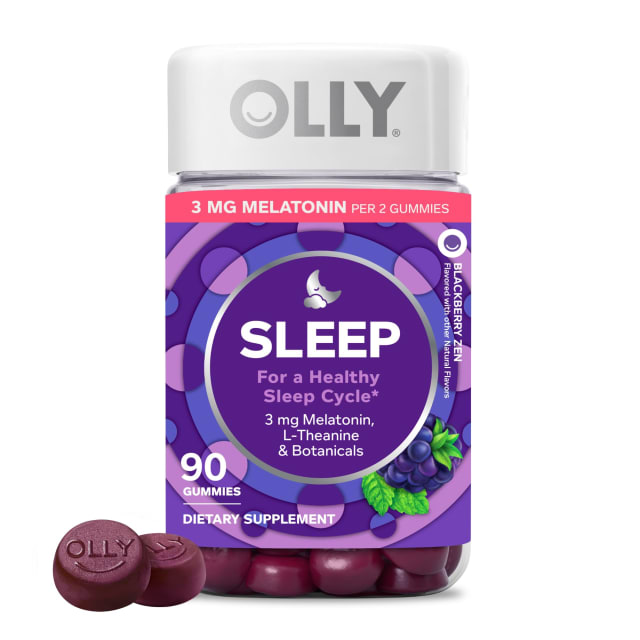
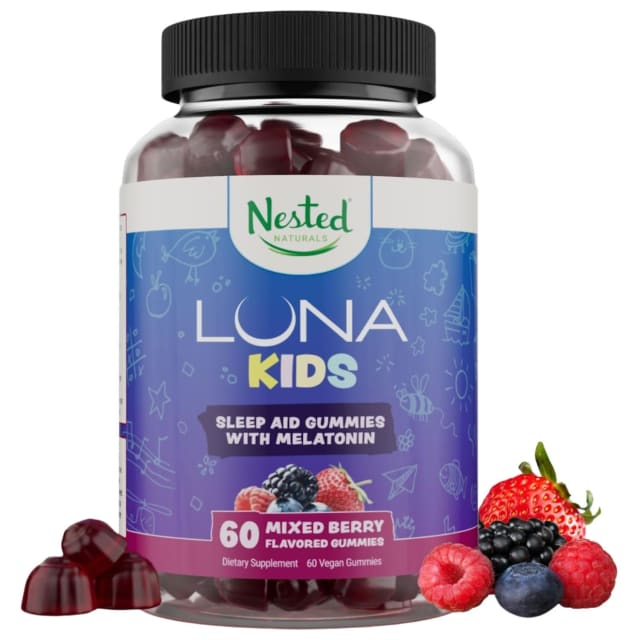
Melatonin Gummies vs Pills: A Comprehensive Guide to Choosing Your Sleep Aid
For millions seeking a natural way to improve their sleep, melatonin has become a go-to supplement. As its popularity has soared, so have the available formats, leaving many to wonder: are melatonin gummies or pills the better choice? This in-depth comparison breaks down the key differences in effectiveness, convenience, ingredients, and suitability to help you decide which form aligns best with your health goals and lifestyle. Understanding the nuances between melatonin gummies and traditional pills is the first step toward achieving more consistent, restful nights.
Understanding Melatonin: The Sleep-Wake Regulator
Before comparing formats, it’s essential to understand what melatonin is and how it works. Melatonin is a hormone naturally produced by the pineal gland in the brain. Its primary function is to regulate the body’s circadian rhythm—the internal 24-hour clock that dictates sleep and wake cycles. Production increases in response to darkness, signaling to the body that it’s time to prepare for sleep.
Supplemental melatonin is used to address deficiencies, reset disrupted sleep cycles (like jet lag or shift work), or provide general support for occasional sleeplessness. It’s not a sedative but rather a chronobiotic—a substance that adjusts the timing of biological rhythms.
Head-to-Head: Melatonin Gummies vs. Pills
The core active ingredient, melatonin, is the same in both gummies and pills. The critical differences lie in the delivery system, additional ingredients, user experience, and absorption.
Melatonin Gummies: The Modern, Palatable Choice
What They Are: Melatonin gummies are chewable dietary supplements that deliver melatonin in a candy-like form. They often come in appealing flavors like berry, citrus, or cherry and have a soft, palatable texture.
Key Characteristics:
- Form: Chewable, gelatin- or pectin-based gummy.
- Absorption: Begins in the mouth during chewing and continues in the digestive tract.
- User Experience: Pleasant taste, no need for water, often perceived as more enjoyable.
- Common Additions: May contain sugars, natural flavors, colors, and other supportive ingredients like L-Theanine, magnesium, or chamomile extract.
Melatonin Pills: The Traditional Standard
What They Are: Melatonin pills typically refer to tablets or capsules. Tablets are compressed powders, while capsules contain powder or liquid within a gelatin or vegetarian shell.
Key Characteristics:
- Form: Swallowable tablet, caplet, or capsule.
- Absorption: Begins in the stomach after the pill coating dissolves.
- User Experience: Often tasteless or slightly bitter if chewed, requires water to swallow.
- Common Additions: Generally have fewer fillers than gummies but contain inactive ingredients for binding and stability. Some use time-release technology.
Detailed Comparison Table: Gummies vs. Pills
| Feature | Melatonin Gummies | Melatonin Pills (Tablets/Capsules) |
|---|---|---|
| Ease of Use | Excellent; no water needed, easy to chew. Ideal for those with pill aversion. | Good; requires water to swallow. Can be difficult for some. |
| Taste & Palatability | Very good; flavored to mask melatonin’s natural bitter taste. | Neutral; designed to be swallowed whole, so taste is not a factor. |
| Absorption Speed | Potentially Faster. Chewing initiates breakdown in the mouth, which may lead to slightly quicker onset. | Standard. Must dissolve in the stomach first, which can take 20-30 minutes. |
| Dosing Precision | Can vary. Gummy composition might lead to slight inconsistencies in melatonin distribution per gummy. | Typically very precise due to controlled manufacturing of powders. |
| Ingredient Transparency | Requires scrutiny. Often contain added sugars, colors, and flavors to improve taste. | Often simpler. May have fewer non-essential additives, though fillers are still present. |
| Portability & Stability | Good, but can melt or stick together in heat. Best kept in a cool, dry place. | Excellent. Generally more stable in various temperatures and less prone to damage. |
| Cost | Often more expensive per dose due to added ingredients and production process. | Often more economical, offering a lower cost per milligram of melatonin. |
| Best For | Adults and children with pill aversion, those who prefer a pleasant routine, and users seeking faster absorption. | Purists seeking minimal additives, budget-conscious consumers, travelers, and those requiring very precise dosing. |
Key Factors to Consider When Choosing
1. Absorption and Onset of Action
The question of which form works faster is common. Gummies, because they are chewed, begin dissolving in the mouth, allowing sublingual (under-the-tongue) absorption to start immediately. This can theoretically lead to a slightly quicker effect, though the difference may be marginal for most users. Pills must travel to the stomach and dissolve before the melatonin is released, which can add a short delay. Some pill formulas are designed as fast-dissolve tablets or time-release capsules, which alter this dynamic.
2. Ingredients and Additives
This is a major differentiator.
- Gummies: To achieve their texture and taste, sleep gummies often contain sugars (like glucose syrup or cane sugar), gelatin or pectin, artificial or natural flavors and colors, and citric acid. For health-conscious consumers, it’s vital to seek out natural sleep gummies made with minimal added sugar, natural colors (like fruit and vegetable juices), and no artificial sweeteners.
- Pills: Tablets and capsules use fillers (like cellulose, magnesium stearate) and binders to hold their shape. They typically contain far fewer "extra" ingredients than gummies, making them a cleaner choice for those wanting melatonin and nothing else.
3. Dosing Accuracy and Flexibility
Pharmaceutical-grade pill manufacturing is highly controlled, ensuring each tablet contains a precise amount of melatonin. The process of making gummies can sometimes lead to minor inconsistencies in how the active ingredient is distributed throughout the batch. Reputable brands test their products to ensure potency, but pills have a slight edge in guaranteed precision. In terms of flexibility, gummies are easier to cut in half for micro-dosing than a hard tablet.
4. Suitability and Convenience
- For Children: Melatonin gummies are almost universally the preferred choice for pediatric use due to their palatability. Always consult a pediatrician for appropriate dosing.
- For Pill Aversion: Individuals who struggle with swallowing pills will find gummies to be a game-changer, turning a chore into a treat.
- For Travel: Pills are generally more robust in a suitcase or bag. Gummies can melt or fuse together in high heat.
- For Daily Routine: The pleasant ritual of taking a tasty sleep aid gummy can reinforce positive bedtime habits, which in itself can be beneficial for sleep hygiene.
Practical Advice: Dosing, Timing, and What to Look For
Regardless of the format you choose, proper use is critical for effectiveness and safety.
Standard Dosing: Less is often more with melatonin. A common starting dose for adults is 0.5 mg to 3 mg, taken 30-60 minutes before bedtime. It’s advisable to start at the lowest possible dose and increase only if necessary. Doses for children should be determined exclusively by a healthcare provider.
Optimal Timing: Timing is crucial. Taking melatonin too early or too late can disrupt your rhythm further. For resetting a sleep schedule (e.g., jet lag), careful timing based on your destination is key. For general sleep support, 30-60 minutes before your desired bedtime is standard.
What to Look for on a Label:
- USP Verified or Third-Party Tested: This ensures the product contains what it claims and is free from harmful contaminants.
- Melatonin Source: Look for information on whether it’s synthetic (most common and suitable for most) or derived from natural sources.
- Serving Size: Clearly states how much melatonin (in mg) is in each gummy or pill.
- Full Ingredient List: Check for allergens, sugar content (especially for gummies), and unnecessary artificial additives.
- Additional Sleep-Promoting Ingredients: Some formulas include herbs like chamomile, valerian root, or nutrients like magnesium and L-theanine for a synergistic effect.
Benefits and Considerations
Benefits of Both Forms:
- Natural Sleep Support: Both provide a non-prescription, natural way to support the body’s own sleep-wake cycle.
- Jet Lag & Shift Work: Effective for temporarily resetting circadian rhythms.
- Occasional Sleeplessness: Can help shorten the time to fall asleep.
Potential Side Effects & Considerations:
Melatonin is generally well-tolerated, but side effects can occur and are similar for both gummies and pills:
- Daytime drowsiness (if dose is too high or timing is off)
- Headaches, dizziness, or nausea
- Vivid dreams or nightmares
- Potential interactions with blood pressure medications, blood thinners, immunosuppressants, and diabetes medications.
Specific Gummy Consideration: The sugar and calorie content, while small per serving, can add up if taken regularly and may be unsuitable for diabetics or those on strict sugar-free diets. Sticky gummies also pose a slight risk to dental health.
Conclusion: Which Is Right for You?
The choice between melatonin gummies and pills ultimately comes down to personal preference, lifestyle, and health priorities.
Choose Melatonin Gummies if:
- You or your child has difficulty swallowing pills.
- You prefer a pleasant, tasty routine that feels less like taking medicine.
- You are seeking potentially faster absorption.
- You can find a high-quality brand with minimal added sugar and artificial ingredients.
Choose Melatonin Pills if:
- You want the most cost-effective option per dose.
- You prefer a supplement with the fewest additional ingredients and additives.
- You require precise, consistent dosing.
- You travel frequently or need a stable, non-perishable format.
- You are monitoring your sugar intake closely.
Both formats are effective vehicles for delivering melatonin for sleep. The most important factors are selecting a reputable brand, starting with a low dose, and using the supplement as part of a comprehensive approach to sleep health that includes a consistent bedtime, a dark/cool sleep environment, and limited screen time before bed. For chronic insomnia or persistent sleep issues, consulting a healthcare professional is always the recommended first step.
Frequently Asked Questions (FAQ)
Q1: Are melatonin gummies as effective as pills? Yes, when from a reputable brand, the melatonin in gummies is just as effective as in pills. The active ingredient is identical. Any difference in effect would be minimal and related to individual absorption rates, not the inherent efficacy of melatonin itself.
Q2: How many melatonin gummies can I take? Always follow the dosage on the product label. Never exceed the recommended serving. A standard starting dose is often one gummy (typically containing 1mg to 5mg) taken 30-60 minutes before bed. More is not better with melatonin.
Q3: Can I become dependent on melatonin gummies? Melatonin is not considered addictive in the way prescription sleep medications can be. The body does not develop a tolerance requiring higher doses. However, some people may experience psychological reliance on the routine. It is intended for short-term or occasional use to reset sleep cycles, not as a permanent nightly solution.
Q4: What’s the main downside of choosing gummies over pills? The primary trade-off is the additional ingredients. Gummies often contain sugars, sweeteners, and flavors that pills do not. For those seeking a "clean" supplement with only melatonin and necessary fillers, or for individuals managing blood sugar, pills are often the preferable choice.
Q5: Can I give melatonin gummies to my child? While melatonin gummies are a popular format for children, it is imperative to consult with your child’s pediatrician before starting any supplement. They can advise on appropriateness, correct dosing based on weight and age, and rule out other sleep disorders.
Q6: Should I take melatonin every night? Long-term nightly use is not typically recommended without medical supervision. Melatonin is most effective for situational sleep issues like jet lag, shift work adjustment, or occasional sleeplessness. For chronic insomnia, a doctor can help identify and address the root cause.
Affiliate Disclosure
Gummy.mom may earn a commission from purchases made through links on this page. This helps support our research and content creation. We only recommend products we genuinely believe in and have thoroughly researched.