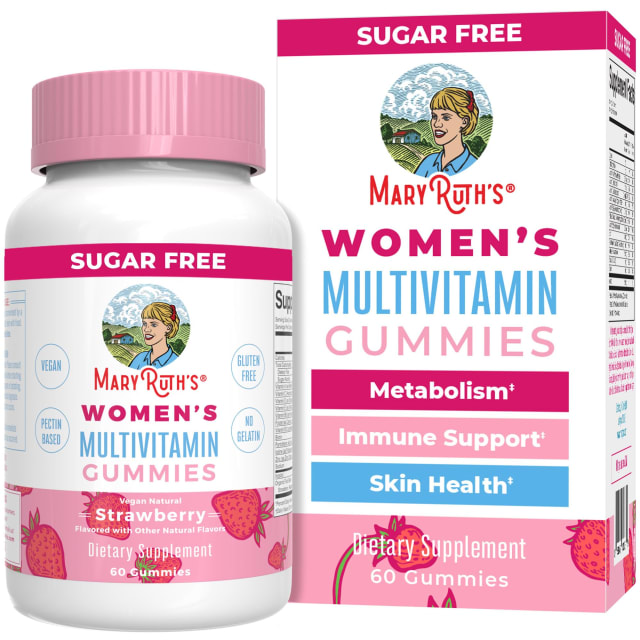
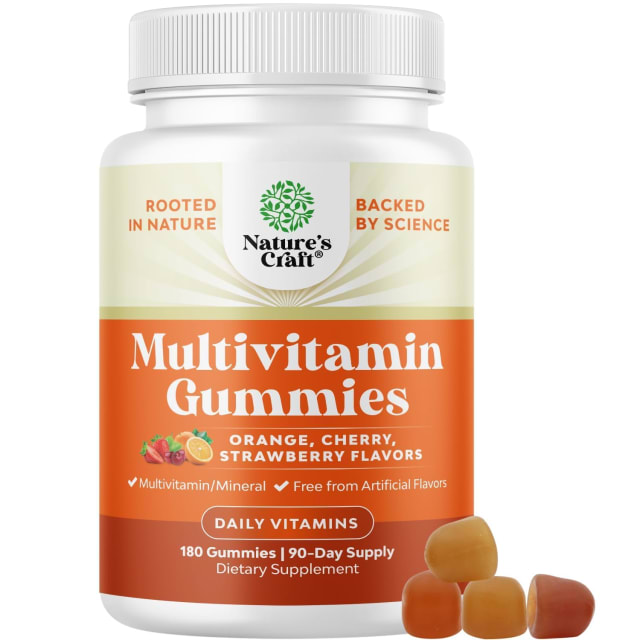
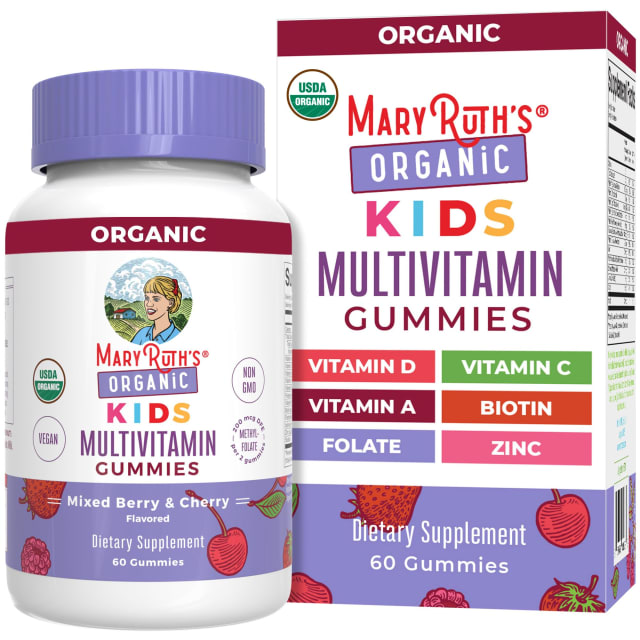
The Complete Guide to Multivitamin Gummies Ingredients: What's Really Inside?
Multivitamin gummies have revolutionized the way people think about daily supplements. Moving beyond hard-to-swallow pills, these chewy, flavorful options promise a complete spectrum of daily vitamins and minerals in a format that feels more like a treat than a chore. But what exactly goes into making these colorful, tasty supplements? This comprehensive guide dives deep into the world of multivitamin gummies ingredients, breaking down each component, explaining its purpose, and offering practical advice for choosing the right product. Understanding the label is the first step to making an informed decision for personal or family health.
What Are Multivitamin Gummies?
At their core, multivitamin gummies are dietary supplements designed to deliver essential vitamins and minerals. They are crafted using a gummy candy base—typically consisting of gelatin or a plant-based gelling agent like pectin—which is then infused with a precise blend of micronutrients. Their primary benefit is palatability and convenience, which can significantly improve adherence to a daily supplement regimen, especially for children or adults who dislike swallowing pills.
However, it's crucial to remember that they are supplements, not substitutes. They are intended to fill nutritional gaps in a diet, not replace the broad spectrum of nutrients, fiber, and phytochemicals found in whole foods.
Decoding the Ingredient List: A Breakdown of Common Components
A typical multivitamin gummies label can be divided into several key sections: the active ingredients (vitamins and minerals), the gummy base, sweeteners and flavors, and other functional additives.
1. Active Ingredients: The Vitamins and Minerals
This is the nutritional powerhouse of the gummy. A comprehensive daily vitamin gummy will often include a mix of the following:
-
Fat-Soluble Vitamins: These are stored in the body's fatty tissues and liver.
- Vitamin A: Important for vision, immune function, and skin health. Often listed as retinyl palmitate or beta-carotene (a provitamin that the body converts to Vitamin A).
- Vitamin D (D2 or D3): Critical for bone health, calcium absorption, and immune support. D3 (cholecalciferol) is generally considered more effective at raising blood levels.
- Vitamin E: Acts as an antioxidant, protecting cells from damage. Usually appears as d-alpha-tocopherol.
- Vitamin K: Essential for blood clotting and bone metabolism. K1 (phylloquinone) or K2 (menaquinone) may be used.
-
Water-Soluble Vitamins: These are not stored in large amounts and need daily replenishment.
- B-Complex Vitamins: A group crucial for energy metabolism and nervous system health. This includes:
- B1 (Thiamine), B2 (Riboflavin), B3 (Niacin), B5 (Pantothenic Acid), B6 (Pyridoxine), B7 (Biotin), B9 (Folate or Folic Acid), B12 (Cobalamin). In gummy vitamins, B12 is particularly important for vegetarians and vegans.
- Vitamin C (Ascorbic Acid): A well-known antioxidant vital for immune function, collagen synthesis, and iron absorption.
- B-Complex Vitamins: A group crucial for energy metabolism and nervous system health. This includes:
-
Essential Minerals: These can be trickier to incorporate into a stable gummy format.
- Calcium & Magnesium: Often included in smaller amounts due to their bulk and taste. They are crucial for bone health and muscle function.
- Zinc: Supports immune function and wound healing.
- Iodine: Necessary for thyroid hormone production.
- Selenium: An important antioxidant mineral.
- Note: Iron is rarely found in adult gummy vitamins or kids gummy vitamins because it can cause gastrointestinal upset, has a metallic taste, and poses a significant overdose risk for children. Its absence is a key safety feature but means individuals with iron deficiency need to seek a separate supplement.
2. The Gummy Base: What Holds It All Together?
This gives the supplement its signature texture.
- Gelatin: Derived from animal collagen (usually pork or beef). It creates a classic, chewy texture. Not suitable for vegetarians, vegans, or those following certain religious diets.
- Pectin: A plant-based polysaccharide extracted from fruits. It's the standard base for vegan gummy vitamins and provides a slightly different, often fruitier, chew.
- Agar: Another plant-based gelling agent, derived from seaweed.
3. Sweeteners, Flavors, and Colors
This is where multivitamin gummies get their appeal—and where scrutiny is important.
- Sweeteners:
- Sugar (Sucrose, Glucose Syrup): Common but adds empty calories and can stick to teeth. Dosages typically range from 2-5 grams per gummy.
- Organic Cane Sugar: A less processed alternative.
- Sugar Alcohols (Sorbitol, Maltitol, Xylitol): Provide sweetness with fewer calories and less impact on blood sugar. Xylitol is also beneficial for dental health. Can cause digestive bloating or gas in sensitive individuals if consumed in excess.
- Non-Nutritive Sweeteners (Stevia, Sucralose): Used in "sugar-free" options. Provide sweetness without calories or carbs.
- Flavors: Natural flavors (from fruit extracts) or artificial flavors are used to mask the often bitter or metallic taste of vitamins.
- Colors: Can be derived from natural sources (like carrot juice for orange, turmeric for yellow, spirulina for blue/green) or be artificial (FD&C dyes). Many brands now emphasize naturally colored products.
4. Other Functional Additives
- Citric Acid: Provides tartness and acts as a preservative.
- Carnauba Wax or Beeswax: Used for coating to prevent gummies from sticking together.
- Coconut Oil or Sunflower Oil: Another anti-sticking agent.
What to Look For: A Buyer's Checklist
Navigating the aisle of men's gummy vitamins, women's gummy vitamins, and kids gummy vitamins can be overwhelming. This checklist helps identify a quality product.
- Third-Party Certification: Look for seals from USP (United States Pharmacopeia), NSF International, or ConsumerLab.com. This independent verification ensures the product contains what the label says, in the amounts listed, and is free from harmful levels of contaminants.
- Appropriate Dosage: The % Daily Value (%DV) should be close to 100% for most vitamins. Be wary of extremely high doses (e.g., 1000% DV of certain B vitamins) unless specifically advised by a healthcare provider.
- Bioavailable Forms: Some nutrient forms are better absorbed than others. For example, look for:
- Vitamin D as D3 (cholecalciferol).
- Folate as methylfolate (especially important for those with the MTHFR gene variant), not just folic acid.
- Vitamin B12 as methylcobalamin or adenosylcobalamin.
- Sugar Content: Aim for less than 3 grams of sugar per serving. Consider sugar alcohols or stevia-sweetened options if sugar intake is a concern.
- Allergen Information: Check for common allergens like gelatin (for vegetarians/vegans), soy, gluten, or dairy if you have sensitivities.
- Targeted Formulations: Men's gummy vitamins may include more zinc and saw palmetto, while women's gummy vitamins might have higher iron (though rare in gummies) or added biotin and folate. Prenatal gummies will emphasize folic acid, iron, and DHA. Choose based on demographic needs.
Comparison of Common Gummy Base Ingredients
| Feature | Gelatin-Based Gummies | Pectin-Based (Vegan) Gummies |
|---|---|---|
| Source | Animal collagen (usually pork or beef) | Plant polysaccharide (from fruits) |
| Texture | Firm, classic "gummy bear" chew | Softer, often more tender chew |
| Suitability | Not for vegetarians/vegans | Vegetarian and vegan-friendly |
| Melting Point | Melts at higher temperature | Can melt more easily in heat |
| Common Use | Widely used in standard supplements | Standard for vegan gummy vitamins |
Practical Tips for Taking Multivitamin Gummies
- Timing: While they can be taken any time of day, taking them with a meal containing some healthy fats can improve the absorption of fat-soluble vitamins (A, D, E, K).
- Dosing: Never exceed the recommended dosage on the label. Their candy-like appearance can lead to overconsumption, especially by children. Always store them out of reach.
- Dental Health: The sugar and citric acid can stick to teeth. It's advisable to take them with a meal, drink water afterward, and maintain good oral hygiene. Brushing teeth 30-60 minutes after consumption is best, as citric acid can temporarily soften enamel.
- Consistency: For water-soluble vitamins, daily intake is key as they are not stored. Make them part of a routine, like with breakfast.
Potential Benefits and Important Considerations
Benefits
- Improved Compliance: The enjoyable format makes it easier to remember and stick to a daily regimen.
- Nutritional Gap Insurance: Helps ensure adequate intake of essential micronutrients, especially for picky eaters, those with dietary restrictions, or individuals with increased needs.
- Easier to Digest: For those who experience stomach upset from traditional pills, gummies can be a gentler alternative.
- No-Swallow Advantage: Ideal for children, older adults, or anyone with difficulty swallowing pills.
Considerations and Side Effects
- Sugar and Calorie Content: Can be a hidden source of added sugar and empty calories.
- Incomplete Formulas: They often lack adequate amounts of key minerals like calcium, magnesium, and iron due to formulation challenges.
- Overconsumption Risk: The "candy" factor poses a temptation and a serious risk of vitamin overdose, particularly with fat-soluble vitamins (A, D, E, K) which can accumulate to toxic levels.
- Potential for Digestive Discomfort: Sugar alcohols (like sorbitol) and high doses of certain vitamins can cause bloating, gas, or diarrhea in some people.
- Not a Magic Bullet: They cannot replicate the complex benefits of a diet rich in whole fruits, vegetables, lean proteins, and whole grains.
Frequently Asked Questions (FAQ)
Q: Are multivitamin gummies as effective as pill-form vitamins? A: If they contain the same types and amounts of bioavailable nutrients and are properly manufactured, they can be equally effective. The key difference is absorption can be slightly less predictable due to the gummy matrix and the potential for nutrient degradation over time, especially in hot or humid conditions. Third-party testing is a strong indicator of efficacy.
Q: Can I give my child an adult gummy vitamin if I cut it in half? A: This is not recommended. Kids gummy vitamins are specifically formulated with lower doses appropriate for a child's smaller body size and nutritional needs. Adult formulas may contain nutrients in amounts that could be excessive or even harmful for a child. Always use supplements designed for the intended age group.
Q: Do I need to take a multivitamin gummy every single day? A: For water-soluble vitamins (B-complex and C), daily intake is ideal as excess is excreted. Fat-soluble vitamins (A, D, E, K) are stored, so occasional missed days are less critical, but consistency helps maintain steady nutrient levels to fill dietary gaps.
Q: Why don't most gummy vitamins contain iron? A: Iron has a strong metallic taste that is difficult to mask in a pleasant-tasting gummy. More importantly, iron overdose is a leading cause of fatal pediatric poisoning. Manufacturers generally omit it from gummy formats as a critical safety precaution. Individuals needing iron supplementation should use a separate, carefully dosed product.
Q: Are "natural" flavors and colors in gummies better? A: "Natural" flavors and colors are derived from plant, animal, or mineral sources, whereas artificial ones are synthetically created. While consumer preference often leans toward "natural," both are rigorously tested for safety. The primary advantage of natural colors is they avoid synthetic dyes, which some individuals may wish to avoid.
Q: Can taking a multivitamin gummy replace eating fruits and vegetables? A: Absolutely not. While gummies provide isolated vitamins and minerals, they lack the fiber, antioxidants, phytochemicals, and the complex synergistic nutrient matrix found in whole plant foods. A multivitamin is a supplement to a healthy diet, not a replacement for one.
Final Thoughts
Multivitamin gummies ingredients tell a story of balance—between nutritional science, palatability, and safety. By understanding what each component does, from the active vitamins to the gelling agents and sweeteners, consumers can move beyond the appealing taste and make empowered choices. The ideal product is one that fits your dietary needs, lifestyle, and health goals, is backed by third-party testing, and is treated with the respect any dietary supplement deserves. Always consult with a healthcare provider or a registered dietitian before starting any new supplement regimen, especially if you have underlying health conditions or are taking medications.
Affiliate Disclosure
Gummy.mom may earn a commission from purchases made through links on this page. This helps support our research and content creation. We only recommend products we genuinely believe in and have thoroughly researched.