Multivitamin Gummies vs Pills: A Complete Guide to Choosing Your Daily Supplement
For many, the daily ritual of taking a vitamin is a cornerstone of their wellness routine. But the age-old question persists: should you reach for a traditional pill or the increasingly popular gummy? This comprehensive guide dives deep into the world of multivitamin gummies vs pills, comparing everything from absorption and efficacy to taste and convenience. Whether you're considering daily vitamin gummies for yourself or your family, understanding the key differences is essential for making an informed choice that aligns with your health goals and lifestyle.
The Rise of the Gummy Vitamin
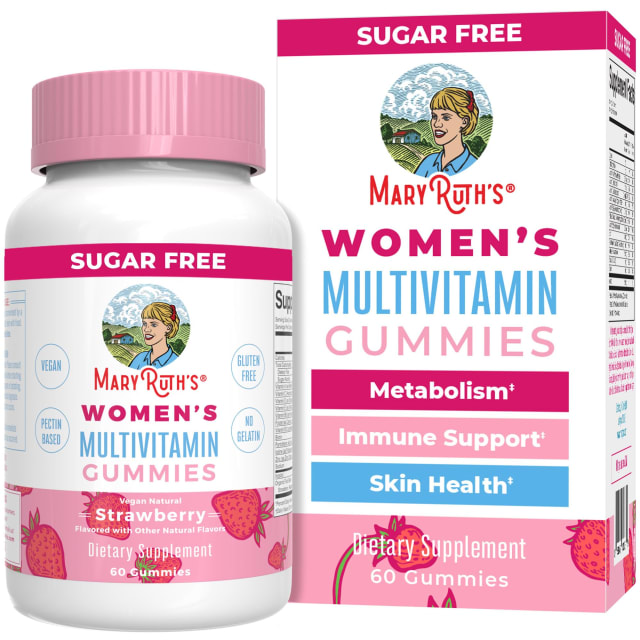
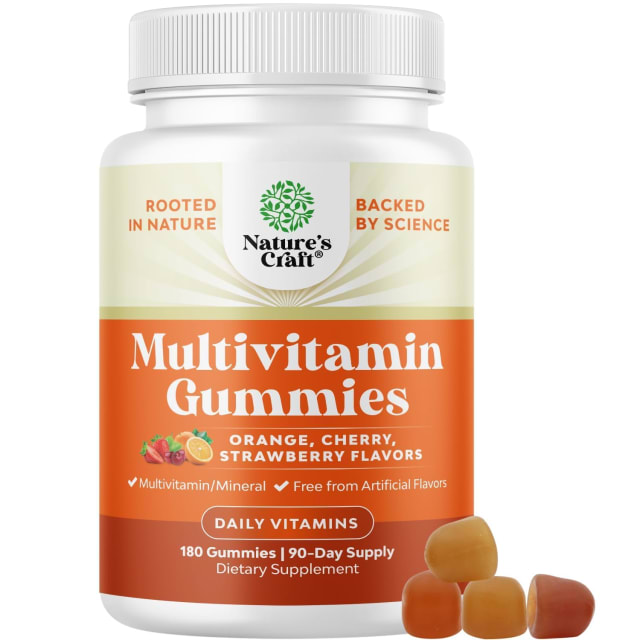
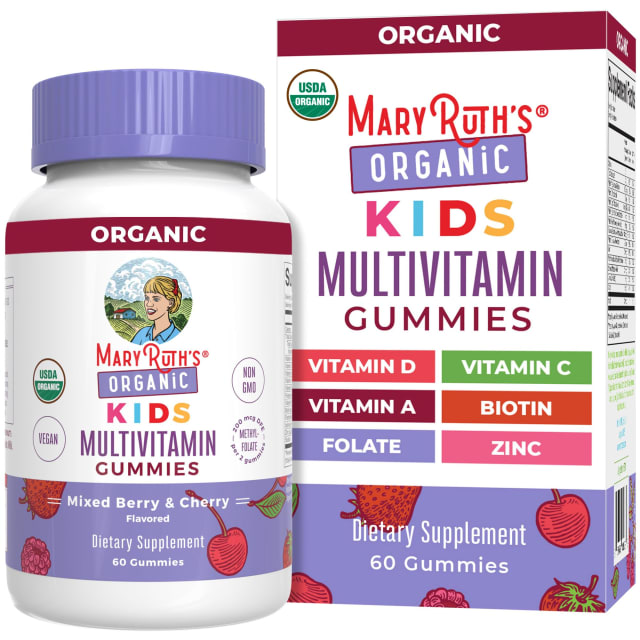
The supplement aisle has undergone a sweet transformation. Once dominated by pills and capsules, it now features a vibrant array of gummy vitamins in every flavor imaginable. This shift isn't just about marketing; it addresses a fundamental challenge—compliance. Many people, including adults, simply dislike swallowing pills. Adult gummy vitamins have effectively removed this barrier, making daily nutritional support more accessible and enjoyable for a broader audience. From kids gummy vitamins designed to support growth to specialized mens gummy vitamins and womens gummy vitamins targeting gender-specific needs, the gummy format has democratized supplementation.
Head-to-Head: Multivitamin Gummies vs Pills
To truly understand which format might be right for you, a detailed, side-by-side comparison is necessary. The following table breaks down the critical factors.
| Feature | Multivitamin Gummies | Multivitamin Pills (Tablets/Capsules) |
|---|---|---|
| Taste & Palatability | Delicious, candy-like flavors (e.g., berry, citrus, cherry). Highly appealing, especially for those with pill aversion. | Typically tasteless when swallowed whole, but may have an aftertaste if chewed or if the capsule breaks. |
| Compliance & Ease | Extremely high. Enjoyable to take, leading to better daily consistency. Ideal for children and adults who struggle with pills. | Can be difficult for some to swallow, potentially leading to skipped doses. |
| Nutrient Profile | May lack certain minerals (like iron, calcium, magnesium) due to formulation challenges in a gummy base. Often lower in dosage per piece. | Can contain a wider, more complete spectrum of vitamins and minerals, including bulky minerals, at higher potencies. |
| Absorption | Often start dissolving in the mouth. Some nutrients may be absorbed buccally, but overall absorption is similar to pills when swallowed. | Designed for dissolution in the stomach or small intestine. Absorption depends on the formula (e.g., timed-release, chelated minerals). |
| Additives & Ingredients | Require gelling agents (gelatin or pectin), sugars, colorings, and flavorings to achieve texture and taste. | Generally have fewer binders and no added sugars or flavors. Fillers like magnesium stearate are common. |
| Cost & Value | Often more expensive per serving due to complex manufacturing. May require taking 2+ gummies to equal one pill's potency. | Typically more cost-effective, offering higher nutrient density per dollar. |
| Portability & Stability | Can melt or stick together in heat. Often best stored in a cool, dry place. Bottles can be bulky. | Generally more stable in various temperatures. Easier to pack in travel pill organizers. |
| Dietary Restrictions | Many use gelatin (animal-derived). Vegan options use pectin. Always check for allergens (soy, gluten) and sugar sources. | Wide variety of vegan capsules (cellulose) and tablets available. Easier to find hypoallergenic formulas. |
Diving Deeper: Key Considerations for Your Choice
The Nutrient Completeness Factor
One of the most significant technical differences lies in the nutrient roster. Traditional multivitamin pills have the physical space to include a full spectrum of essential vitamins and minerals, including "bulky" ones like calcium, magnesium, and potassium. These minerals are challenging to incorporate into a multivitamin gummy in significant amounts because adding them in meaningful doses would affect the texture, taste, and structural integrity of the gummy.
Consequently, many daily vitamin gummies are not "complete" multivitamins in the traditional sense. They often excel at providing a broad range of vitamins (A, C, D, E, the B-complex) but may contain little to no minerals. It's crucial to read the Supplement Facts panel carefully. A user might need to take a separate mineral supplement alongside their gummy, which negates some of the simplicity.
Sugar Content and Dental Health
The elephant in the room with gummy vitamins is sugar. To make them palatable, manufacturers add sugar, glucose syrup, or sugar alcohols. While the amount is small (typically 2-4 grams per gummy), it can add up, especially if the dosage calls for two or more gummies daily. For those monitoring sugar intake, this is a serious consideration.
Furthermore, their candy-like texture and sugar content pose a dental risk. The sticky consistency can adhere to teeth, potentially promoting cavities. Best practice is to take gummy vitamins with a meal and follow with good oral hygiene, like brushing teeth or at least rinsing with water.
Dosage Accuracy and Potency
Due to the manufacturing process, the uniform distribution of nutrients in a gummy batch can be more challenging than in a powdered mix pressed into a tablet. Reputable brands undergo rigorous testing to ensure consistency, but it remains a more complex process.
Additionally, as noted in the table, the potency per piece is often lower. A single multivitamin pill might contain 100% of the Daily Value (DV) for most nutrients, whereas a single gummy might contain only 50%. This means the bottle instructs you to take two gummies daily, effectively doubling the cost and sugar intake. Always check the serving size.
Who Are Gummy Vitamins Best For?
The gummy format shines in specific scenarios:
- Individuals with Pill Aversion (Dysphagia): This is the primary audience. If swallowing pills causes anxiety or is physically difficult, gummies are a game-changer.
- Children: Kids gummy vitamins are often the only way to ensure consistent supplementation. The fun shapes and flavors turn a chore into a treat.
- Those Prioritizing Consistency: If the choice is between a tasty gummy taken daily and a pill that gets forgotten half the time, the gummy provides more consistent nutritional support.
- People with Sensitive Stomachs: Some find that pills, especially on an empty stomach, can cause nausea. Gummies are generally gentler, though they should still be taken with food.
Who Might Be Better Served by Pills?
- Those Seeking Comprehensive Nutrition: If the goal is a single, complete supplement containing both vitamins and key minerals, pills are typically more robust.
- Cost-Conscious Consumers: Pills almost always offer a lower cost per nutrient.
- Individuals Monitoring Sugar/Carb Intake: For diabetics or those on low-sugar diets, the added sugars in gummies can be a deal-breaker.
- People with Dietary Restrictions: It's often easier to find pill-form multivitamins that are vegan, gluten-free, soy-free, and free from artificial colors.
- Frequent Travelers: Pills are less prone to melting and are easier to pack in compact containers.
Practical Advice: What to Look For When Buying
Whether you choose a gummy or a pill, being an informed consumer is key.
For Multivitamin Gummies:
- Scrutinize the Sugar: Look for options sweetened with minimal added sugar or alternatives like stevia or monk fruit. Be aware that sugar alcohols (like sorbitol) can cause digestive upset in some people.
- Check the Serving Size: How many gummies equal one serving? This directly impacts cost and sugar intake.
- Audit the Nutrient List: Is it just vitamins, or does it include minerals like zinc, selenium, or iodine? Understand what you're getting and what's missing.
- Examine the Gelatin Source: For vegetarians and vegans, ensure the gummy uses pectin, not gelatin (derived from animals).
- Quality Matters: Choose brands that are third-party tested (look for seals from USP, NSF, or ConsumerLab.com). This verifies potency, purity, and the absence of contaminants like heavy metals.
For Multivitamin Pills:
- Bioavailability: Look for forms of nutrients that are well-absorbed. For example, "methylcobalamin" for B12 or "chelated" minerals like magnesium glycinate.
- Divide Doses: Some multivitamins are best taken in split doses (AM/PM) because water-soluble vitamins (B and C) are not stored in the body.
- Food-Based vs. Synthetic: Some pills use food-based sources for nutrients, which may be gentler on digestion for some individuals.
- Timing: Fat-soluble vitamins (A, D, E, K) are best absorbed when taken with a meal containing some fat.
Potential Side Effects and Considerations
Both formats are generally safe when taken as directed but have unique considerations.
- Gummies: The risk of overconsumption is higher, especially for children who may mistake them for candy. Always keep them out of reach. The sugar and acids can be harsh on tooth enamel. As with any supplement, allergic reactions to ingredients are possible.
- Pills: Can cause stomach upset or nausea if taken on an empty stomach. Larger pills may be difficult to swallow for some. Certain forms of nutrients (like iron in some formulas) can cause constipation.
A universal rule for both: More is not better. Megadoses of certain fat-soluble vitamins (like A and D) can be toxic over time. Stick to the recommended dosage unless specifically advised otherwise by a healthcare provider.
Conclusion: Making Your Informed Choice
The debate between multivitamin gummies vs pills doesn't have a single winner. The "best" choice is deeply personal and depends on individual needs, preferences, and health objectives.
Choose multivitamin gummies if: Compliance is your biggest hurdle, you or your child has difficulty swallowing pills, and you are willing to potentially trade off some mineral completeness and cost for a pleasant, consistent daily habit. You must be diligent about dental care and sugar intake.
Choose multivitamin pills if: You are looking for the most comprehensive, cost-effective formula in a single serving, you need to include specific minerals, you have dietary restrictions, or you simply prefer a no-frills, sugar-free approach to supplementation.
Ultimately, the most effective supplement is the one you will take reliably. By weighing the factors of nutrient content, cost, convenience, and personal preference outlined in this guide, you can confidently select the format that best supports your journey toward better health.
Frequently Asked Questions (FAQ)
Q: Are gummy vitamins as effective as pill vitamins? A: If they contain the same type and amount of a nutrient, the body absorbs it similarly. The primary difference is that gummies often contain fewer nutrients overall, particularly minerals. Their effectiveness depends entirely on whether the formula provides what your specific diet is lacking.
Q: Can I take multivitamin gummies on an empty stomach? A: Yes, they are typically gentler on an empty stomach than pills. However, fat-soluble vitamins (A, D, E, K) are better absorbed when taken with a meal containing some dietary fat. Taking any supplement with food is generally a good practice.
Q: Why don't most gummy vitamins contain iron? A: Iron has a strong, metallic taste that is very difficult to mask in a sweet, palatable gummy. It can also interact with other ingredients, causing discoloration and stability issues. Additionally, iron overdose is a serious concern for children, so its exclusion makes gummies safer in households with kids.
Q: How many gummy vitamins is it safe to take per day? A: Never exceed the dosage listed on the product label. The "serving size" is the maximum recommended daily intake. Because they taste like candy, it's vital to treat them like medicine and store them securely, especially away from children.
Q: Do gummy vitamins expire? Do they go bad? A: Yes, they have an expiration date for a reason. Over time, the potency of the vitamins can degrade. Furthermore, the gummy itself can become hard, sticky, or change color. Using them past their expiration date is not recommended.
Q: Are there vegan gummy vitamin options? A: Yes, many brands now offer vegan gummies. Instead of gelatin (derived from animal collagen), they use pectin, a substance from fruit, as the gelling agent. Always check the label for "plant-based," "vegan," or "pectin-based" to be sure.
Affiliate Disclosure
Gummy.mom may earn a commission from purchases made through links on this page. This helps support our research and content creation. We only recommend products we genuinely believe in and have thoroughly researched.