The Essential Benefits of DHA in Prenatal Vitamins: A Guide for Expecting and New Moms
Navigating the world of prenatal nutrition can feel overwhelming, with a long list of essential vitamins and minerals to remember. Among these, one nutrient stands out for its profound and specific impact on both maternal and fetal health: Docosahexaenoic Acid, or DHA. This long-chain omega-3 fatty acid is a critical building block for a healthy pregnancy, postpartum recovery, and a baby’s lifelong development. Understanding the benefits of DHA in prenatal vitamins is a key step for any expecting or new mother looking to make an informed choice about her supplement regimen, especially when considering popular formats like prenatal gummies.
What is DHA and Why Is It Crucial During Pregnancy?
DHA is a type of fat primarily found in fatty fish, algae, and certain fortified foods. It is a structural fat, meaning it is a fundamental component of cell membranes, particularly in the brain and the retina of the eyes. The human body can only produce a small amount of DHA from other omega-3s, making dietary intake—or supplementation—essential, especially during times of high demand.
During pregnancy and lactation, a woman’s body undergoes significant changes, and the demand for DHA increases substantially. This is because DHA is actively transferred from the mother to the fetus across the placenta during pregnancy and is present in breast milk after birth. It serves as a primary nutrient for the rapid development of the fetal brain, nervous system, and eyes, especially during the third trimester when growth is most accelerated.
The Multifaceted Benefits of DHA Supplementation
Incorporating DHA into a prenatal vitamin routine offers a wide range of scientifically supported benefits for both mother and child.
For Baby's Development
- Cognitive and Brain Development: Numerous studies have linked adequate maternal DHA intake with positive outcomes in children, including improved problem-solving skills, attention, and visual acuity. DHA accumulates in the fetal brain, supporting the growth of neural connections.
- Visual Acuity: The retina of the eye is exceptionally rich in DHA. Sufficient levels are associated with the development of healthy vision in infants.
- Long-Term Neurodevelopmental Outcomes: Research suggests that the benefits may extend into childhood, with some studies indicating potential positive associations with learning, behavior, and cognitive test scores.
For Maternal Health
- Postpartum Mood Support: While not a treatment for clinical depression, DHA plays a role in brain health and neurotransmitter function. Some observational studies suggest that higher DHA levels may be associated with a more positive mood state in the postpartum period.
- Pregnancy Duration: Adequate DHA intake has been associated with a modest increase in gestational length, which can contribute to healthy birth weight.
- Cardiovascular Health: DHA supports healthy blood pressure and triglyceride levels, which is beneficial for overall maternal cardiovascular function during pregnancy.
DHA in Prenatal Gummies: A Convenient Solution
For many expecting and new moms, especially those dealing with nausea or aversions to swallowing large pills, prenatal gummies have become a game-changer. They offer a palatable and convenient way to ensure consistent intake of essential nutrients. When selecting DHA prenatal gummies, it’s important to understand what you’re getting.
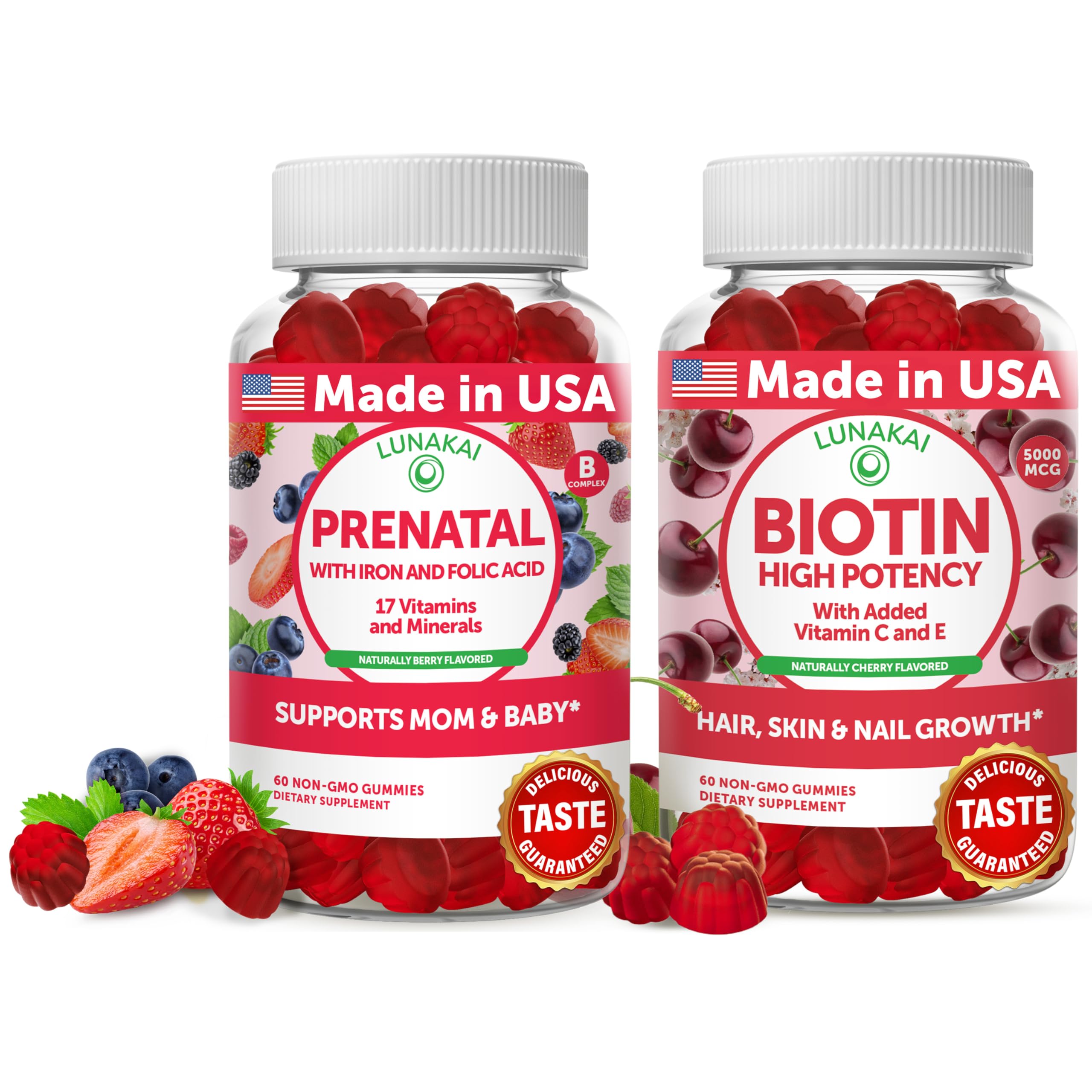
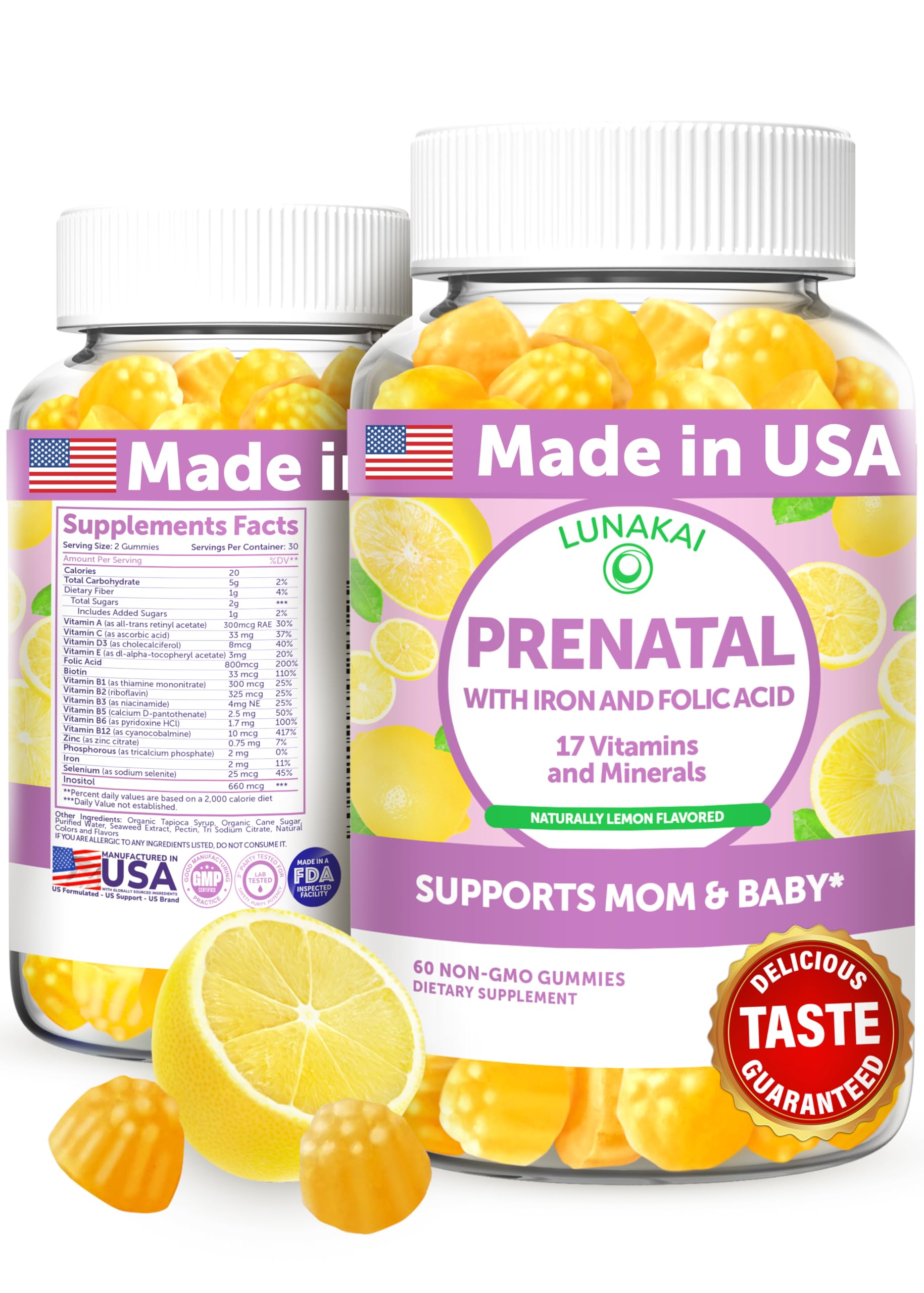
Most prenatal gummies contain a base of essential vitamins like folic acid, vitamin D, and iodine. However, DHA is often not included in standard gummy formulas due to stability and flavor challenges. Therefore, many brands offer a complementary DHA gummy or a two-part system. This allows for flexibility in dosing and often enables the use of a purer, more stable form of DHA.
What to Look for in DHA Prenatal Gummies
- Source of DHA: Look for the source. Algal oil is a common, sustainable, and vegetarian-friendly source in gummies. It is also free from ocean-borne contaminants and is often the DHA source in the highest-quality pregnancy vitamins.
- Dosage: Expert organizations like the American Pregnancy Association and the International Society for the Study of Fatty Acids and Lipids (ISSFAL) recommend a minimum of 200 mg of DHA daily for pregnant and lactating women, with many experts suggesting 300-600 mg. Check the supplement facts label.
- Combination with Other Nutrients: Some DHA gummies also include other supportive nutrients, like choline, which works synergistically with DHA for brain development.
- Purity and Testing: Reputable brands will use molecularly distilled oils and provide third-party testing certificates to ensure the product is free from heavy metals (like mercury), PCBs, and other contaminants.
Key Considerations and Potential Side Effects
While the benefits of DHA are clear, a balanced view includes understanding considerations.
- Source and Sustainability: Fish oil-derived DHA is effective, but for those with dietary restrictions or concerns about overfishing, algal oil is an excellent alternative, as it is the original source from which fish accumulate DHA.
- Potential Side Effects: High doses of omega-3s (typically over 3 grams per day from supplements) can sometimes thin the blood. The doses in standard prenatal gummies are well below this threshold. The most common side effect is a mild fishy aftertaste or burping, which is less common with algal oil and gummy formats that often include flavor masking.
- Timing and Consistency: DHA is beneficial throughout the entire pregnancy and while breastfeeding. Starting supplementation before conception can help build up maternal stores. Consistency is more important than the time of day it’s taken, though taking it with a meal containing fat can enhance absorption.
- Complement, Don't Replace: A DHA supplement, even in the best postnatal gummies, is meant to complement a healthy diet. Eating 1-2 servings of low-mercury fatty fish (like salmon, sardines) per week is still encouraged.
Prenatal Nutrient Comparison: Gummies vs. Traditional Pills
The following table compares common formats for obtaining key prenatal nutrients, highlighting where DHA prenatal gummies often fit into a complete regimen.
| Nutrient | Role in Pregnancy | Common in Traditional Prenatal Pills? | Common in Base Prenatal Gummies? | Common in Separate DHA/Omega-3 Gummies? | Notes for Expecting Moms |
|---|---|---|---|---|---|
| Folic Acid | Prevents neural tube defects | Yes, often 600-800 mcg | Yes, in folic acid gummies | Rarely | Crucial before conception & in first trimester. |
| DHA | Fetal brain/eye development | Sometimes included in softgel form | Rarely | Yes, this is the primary purpose | Often requires a separate supplement. Algal oil is a common gummy source. |
| Iron | Prevents maternal anemia | Yes, often 27-45 mg | Very Rarely | No | Gummies usually lack iron due to taste/mineral interactions. Diet or separate iron may be needed. |
| Calcium | Builds fetal bones & teeth | Sometimes, but limited amount | Sometimes, in low doses | No | Best absorbed through diet (dairy, fortified foods). |
| Vitamin D | Supports calcium absorption & immunity | Yes | Yes | Sometimes added | Works synergistically with calcium. |
| Iodine | Supports baby's brain & thyroid | Yes | Often included | Rarely | An essential but often overlooked nutrient. |
Frequently Asked Questions (FAQ)
Q: When should I start taking a DHA supplement during pregnancy? A: Ideally, DHA supplementation should begin as soon as you start trying to conceive or as soon as you learn you are pregnant. Building up maternal stores early ensures a steady supply is available during the critical first-trimester development and throughout the rapid brain growth in the third trimester.
Q: Can I get enough DHA from my diet alone? A: It is possible but challenging. To meet the recommended 200-300 mg minimum, you would need to consume 1-2 servings of low-mercury fatty fish (like salmon, herring) per week consistently. For those who do not eat fish, have aversions, or want to guarantee intake, a high-quality supplement like DHA prenatal gummies is a reliable and convenient option.
Q: Should I continue taking DHA after giving birth? A: Absolutely. If you are breastfeeding, DHA continues to be transferred to your baby through your breast milk, supporting ongoing brain and visual development during the first crucial years. For maternal health, it also supports postpartum recovery and mood. Many continue taking their postnatal gummies with DHA for this reason.
Q: Are there any risks to taking too much DHA? A: DHA is generally very safe. Doses found in standard prenatal supplements (200-600 mg) are well within safe limits. Extremely high doses (several grams per day) could potentially affect blood clotting. It is always advisable to follow the dosage on the product label and discuss any concerns with a healthcare provider.
Q: Why don’t most all-in-one prenatal gummies include DHA? A: DHA, as an omega-3 oil, is sensitive to oxidation and can develop a rancid taste or smell. Formulating it into a stable, palatable, and shelf-stable gummy without a strong fishy flavor is technically challenging. Many brands opt for a two-part system—vitamin gummies plus separate DHA gummies—to ensure potency, taste, and often a purer source like algal oil.
Q: What makes algal oil a good source of DHA for gummies? A: Algal oil is derived from marine algae, the original source of DHA in the food chain. It is naturally vegetarian/vegan, sustainable, and is rigorously cultivated in controlled environments, making it consistently pure and free from ocean contaminants like mercury. Its neutral taste profile makes it ideal for inclusion in flavorful prenatal gummies.
Making an Informed Choice for You and Your Baby
Choosing the right prenatal supplement is a deeply personal decision that balances science, personal health, and lifestyle. The evidence supporting the benefits of DHA in prenatal vitamins is robust and compelling, marking it as a non-negotiable for a comprehensive prenatal regimen. Whether you opt for a comprehensive pill, a system of prenatal gummies paired with a separate DHA supplement, or a dedicated DHA gummy, the key is consistent intake of this vital nutrient.
By prioritizing DHA alongside other cornerstone nutrients like folic acid, expecting and new moms can take a powerful, proactive step in supporting their own well-being and laying the strongest possible foundation for their child’s lifelong health and cognitive potential. Always remember to discuss any new supplement regimen with a healthcare provider to ensure it aligns perfectly with your individual health profile.
Affiliate Disclosure
Gummy.mom may earn a commission from purchases made through links on this page. This helps support our research and content creation. We only recommend products we genuinely believe in and have thoroughly researched.