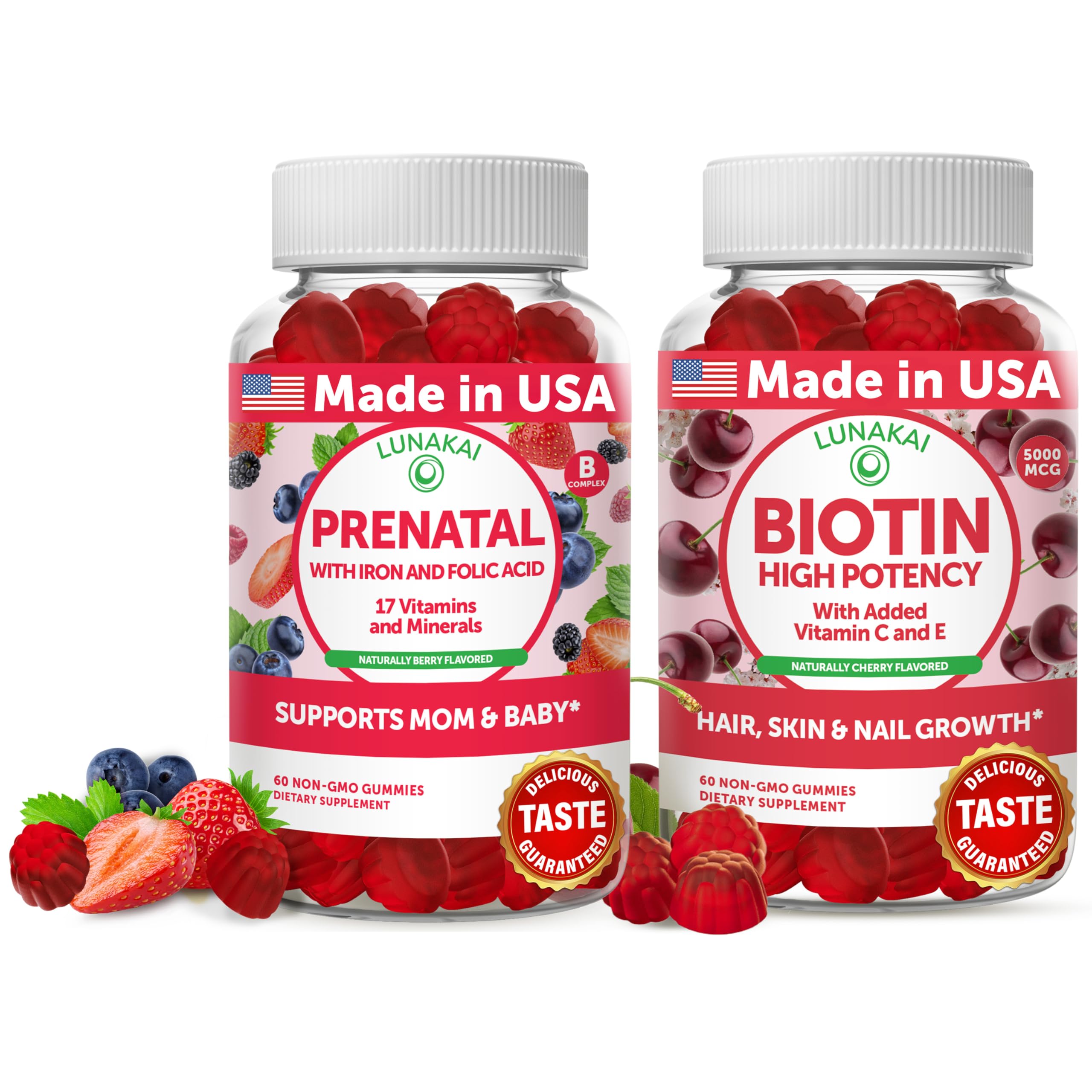
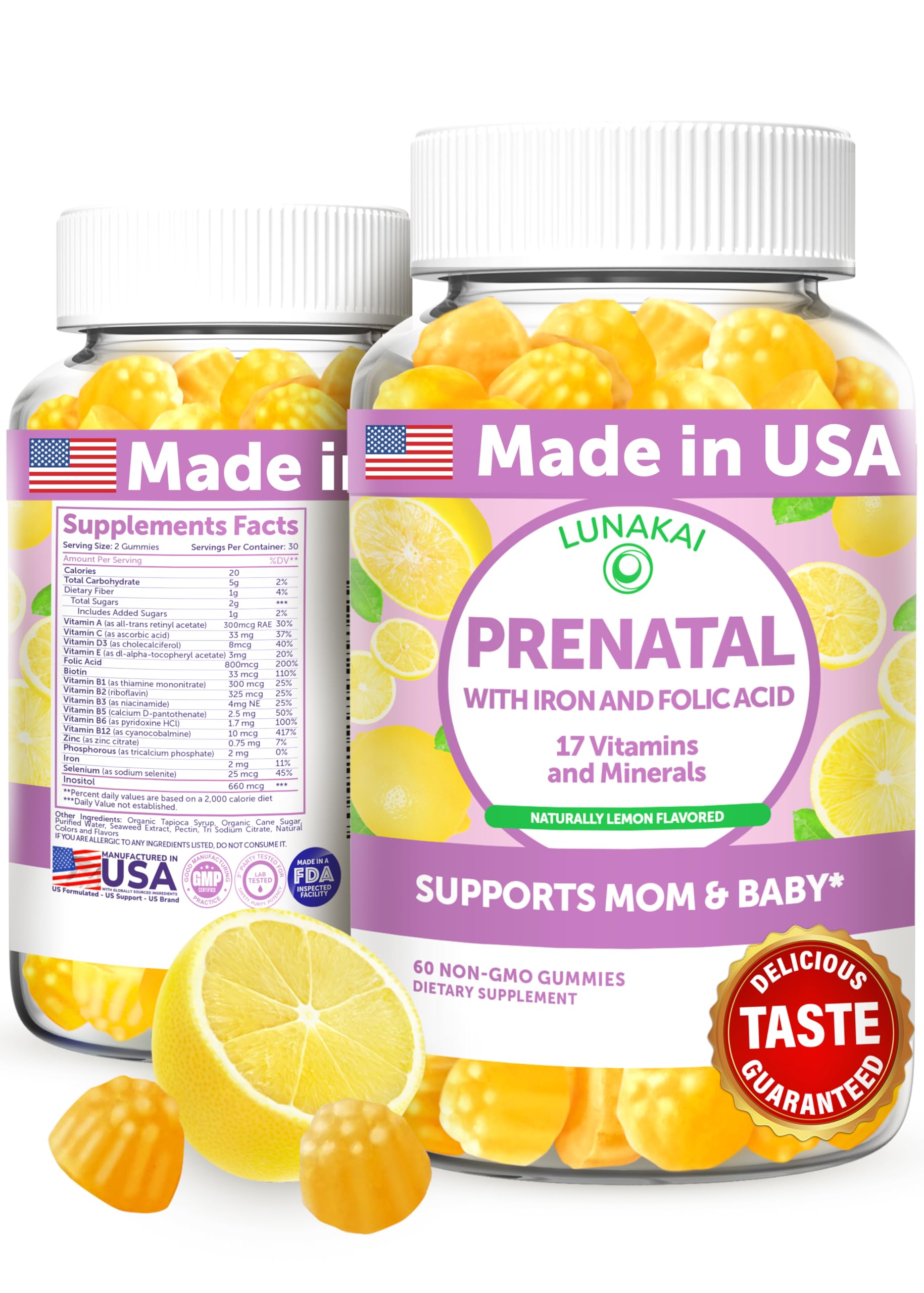
Best Prenatal Vitamin Gummies 2026: A Comprehensive Guide for Expecting and New Moms
Navigating the world of prenatal nutrition can feel overwhelming. For expecting and new moms who struggle with swallowing large pills or battling morning sickness, prenatal vitamin gummies have emerged as a popular and palatable solution. As we look ahead to 2026, the market continues to evolve with new formulations focused on bioavailability, cleaner ingredients, and targeted support for both pregnancy and postpartum recovery. This guide provides a detailed, research-backed review of what to look for in the best prenatal vitamin gummies for 2026, helping you make an informed choice for you and your baby’s health.
Why Choose Prenatal Gummies?
Prenatal gummies offer a distinct advantage for many women: they are easier to tolerate. During the first trimester, when nausea and food aversions are common, the thought of swallowing a large, sometimes odorous, pill can be enough to trigger discomfort. Gummies are typically flavored, easier to chew, and gentler on a sensitive stomach. They can also feel more like a treat than a chore, promoting consistency—a critical factor in prenatal care.
However, it’s crucial to understand that gummies are not just candy. The best prenatal gummies are formulated with precise doses of essential vitamins and minerals necessary to fill nutritional gaps in a prenatal diet. They support fetal development, maternal health, and can even aid in postpartum recovery when continued after birth.
Key Nutrients to Look for in 2026 Prenatal Gummies
When evaluating prenatal gummies, the nutrient profile is paramount. Not all gummies are created equal, and some may lack critical ingredients due to formulation challenges.
1. Folic Acid (or Methylfolate)
This is the superstar of prenatal nutrition. Folic acid is crucial for preventing neural tube defects in the developing baby’s brain and spine. The standard recommendation is 600-800 micrograms (mcg) daily. In 2026, many advanced formulas are using L-methylfolate, the active form of folate that is more readily used by the body, especially for individuals with a common genetic variation (MTHFR) that hinders folic acid conversion.
2. DHA (Docosahexaenoic Acid)
An omega-3 fatty acid vital for the baby’s brain and eye development. While some prenatal gummies include DHA, others may require a separate supplement. Look for at least 200-300 mg of DHA. Sourcing is also a consideration; DHA derived from algae is a sustainable and vegetarian-friendly option.
3. Iron
Iron needs nearly double during pregnancy to support increased blood volume and prevent anemia. However, iron is notoriously difficult to include in gummy form due to its metallic taste and potential to interact with other ingredients. Many prenatal gummies do not contain iron. If choosing an iron-free gummy, it’s essential to ensure adequate iron intake through diet (lean meats, lentils, spinach) or a separate iron supplement as recommended by a healthcare provider.
4. Vitamin D3
Supports bone health for both mother and baby, immune function, and may play a role in preventing preeclampsia. Aim for at least 600 IU (International Units), though some practitioners recommend higher doses.
5. Choline
Gaining recognition as a critical nutrient for fetal brain development and preventing neural tube defects. The recommended intake for pregnant women is 450 mg daily, but it is absent from many prenatal formulas. The best prenatal gummies in 2026 are starting to include this important nutrient.
6. Iodine
Essential for healthy thyroid function and the baby’s neurodevelopment. Look for around 150 mcg.
7. Vitamin B12 & B6
B12 supports nerve function and red blood cell formation, while B6 is famously known for potentially helping ease nausea and vomiting.
8. Other Minerals: Calcium and Magnesium
Important for building fetal bones and teeth and supporting maternal muscle and nerve function. Due to their bulk, they are often in lower doses in gummies, so dietary sources remain important.
Evaluation Criteria for the Best Prenatal Gummies of 2026
When comparing products, consider these key factors:
- Completeness of Formula: Does it contain the core nutrients listed above, especially folic acid and DHA?
- Form and Bioavailability: Are nutrients in their most absorbable forms (e.g., methylfolate, methylcobalamin for B12)?
- Sugar Content & Sweeteners: Gummies require sweetening. Look for options with lower added sugar, or those sweetened with organic tapioca syrup or fruit juices. Be mindful of sugar alcohols like sorbitol, which can cause digestive upset in some individuals.
- Ingredient Quality & Purity: Seek brands that are third-party tested for potency and purity (look for certifications from USP, NSF, or ConsumerLab.com). Non-GMO, gluten-free, and allergen-free claims are also important for many.
- Dosage & Servings: How many gummies constitute a daily serving? Is the cost per day reasonable?
- Taste & Tolerability: This is subjective but critical for adherence. Good flavor and a texture that doesn’t become unpleasant are key.
- Postnatal Formulation: Some brands offer specific postnatal gummies with adjusted nutrient levels (like more choline, vitamin D, and B vitamins) to support recovery, lactation, and maternal mental health.
Comparison of Key Features in Top 2026 Prenatal Gummy Categories
The table below outlines general categories and features to help guide your search. Note that specific brand formulations vary widely.
| Feature / Category | Comprehensive Gummy (with DHA) | Core Nutrient Gummy (often no DHA/Iron) | Specialized / Postnatal Gummy |
|---|---|---|---|
| Best For | Moms wanting an all-in-one, convenient option. | Moms with strong dietary iron sources or on a separate iron supplement. | Postpartum recovery and lactation support. |
| Typical Key Includes | Methylfolate, DHA (often algal), Vitamin D, B Vitamins, Iodine. | Methylfolate, Vitamin D, B Vitamins, Iodine, Choline (in advanced formulas). | Higher Vitamin D, Choline, B Vitamins; often includes herbs like Fenugreek for milk supply*. |
| Common Exclusions | Iron, Calcium (or very low dose). | Iron, DHA, sometimes Calcium. | Iron (unless for postnatal anemia), DHA may be separate. |
| Considerations | Check DHA source and amount. May still need separate iron. | Must consciously add DHA and iron through diet or supplements. | Formulated for the postpartum phase, not pregnancy. |
| Taste/Texture | May have a slight oceanic note from DHA; often citrus-flavored to mask. | Typically fruit-flavored, often more palatable. | Similar to core nutrient gummies. |
*Always consult a doctor before using herbal supplements while breastfeeding.
Practical Advice for Taking Prenatal Gummies
Timing and Dosing: Consistency is more important than timing. Taking your gummy with a meal containing some healthy fat can improve the absorption of fat-soluble vitamins like D and the DHA itself. If nausea is worse in the morning, try taking it with your lunch or dinner.
What to Pair Them With: Since most gummies lack iron and sufficient calcium, focus on a diet rich in:
- Iron: Lean red meat, poultry, lentils, spinach, and fortified cereals.
- Calcium: Dairy products, fortified plant milks, kale, and almonds. If dietary intake is insufficient, a healthcare provider may recommend separate supplements.
Storage: Keep gummies in a cool, dry place, tightly sealed. The gelatin and sugar content can make them prone to melting or sticking together in heat and humidity.
Potential Considerations and Side Effects
While generally well-tolerated, prenatal gummies have some considerations:
- Sugar Content: Monitor daily sugar intake, especially for those with gestational diabetes or blood sugar concerns.
- Digestive Sensitivity: Some sweeteners (like sorbitol) or high doses of certain nutrients can cause gas, bloating, or loose stools.
- Overconsumption Risk: Their candy-like appearance requires keeping them out of reach of children. It is also vital to stick to the recommended dose, as fat-soluble vitamins (A, D, E, K) can accumulate to toxic levels.
- Dental Health: The sugar and acidic flavorings can stick to teeth. It’s advisable to rinse your mouth with water or brush your teeth after taking them.
- Not a Complete Substitute: They are a supplement, not a replacement for a balanced, nutrient-dense diet.
The Postnatal Continuum: Don’t Stop After Birth
Nutritional demands remain high after delivery, especially if breastfeeding. Postnatal depletion is a real concern, affecting energy, mood, and recovery. Continuing with a prenatal or switching to a dedicated postnatal gummy for the fourth trimester (and beyond) can provide ongoing support. Key postnatal nutrients include continued DHA for the baby’s development through breast milk, high-dose vitamin D, choline for maternal mental acuity, and often increased levels of B vitamins to combat fatigue.
Frequently Asked Questions (FAQ)
Q1: Are prenatal gummies as effective as pill-form prenatal vitamins? A: If they contain equivalent amounts of key bioavailable nutrients (like methylfolate), they can be just as effective for those nutrients. The primary compromise is usually the lack of iron and lower calcium. Effectiveness ultimately depends on the quality of the formula and the individual’s complete diet and supplement regimen.
Q2: I’m planning to get pregnant. When should I start taking prenatal gummies? A: It’s recommended to start taking a prenatal vitamin at least one to three months before conception. This ensures your body has optimal levels of crucial nutrients like folic acid from the very earliest stages of pregnancy, which often occurs before you know you’re pregnant.
Q3: Can I take prenatal gummies if I have gestational diabetes? A: You should consult your doctor or midwife. While the sugar in a daily gummy is a small amount, they may recommend a sugar-free or pill-form prenatal to help you manage your total carbohydrate and sugar intake more precisely.
Q4: Why do most prenatal gummies not contain iron? A: Iron is chemically reactive and can degrade other vitamins in a gummy matrix. It also has a strong metallic taste that is very difficult to mask in a chewy, sweet format. For these stability and palatability reasons, most manufacturers omit it.
Q5: Is it safe to take postnatal gummies while breastfeeding? A: Yes, postnatal gummies are specifically formulated to support lactation and maternal recovery. However, always check the label for any herbal ingredients (like fenugreek or blessed thistle) and discuss them with your pediatrician or healthcare provider, as herbs can pass into breast milk.
Q6: Can I take two gummies if I forget a day? A: It is not generally recommended to double your dose to make up for a missed day. Simply take your next scheduled dose at the usual time. The goal is to maintain consistent nutrient levels over time, not to "catch up" in a single dose, which could cause stomach upset.
Making Your Final Choice for 2026
Selecting the best prenatal vitamin gummies for 2026 is a personal decision that balances nutritional needs, dietary habits, taste preference, and tolerability. Start by consulting with your obstetrician, midwife, or a registered dietitian. They can review your diet, check your bloodwork for specific deficiencies (like iron or vitamin D), and provide personalized recommendations.
Armed with the knowledge of what key nutrients to look for and the right questions to ask, you can confidently choose a high-quality prenatal gummy that supports a healthy, vibrant pregnancy and a strong foundation for your new baby. Remember, the best supplement is the one you take consistently, so finding a palatable and trustworthy option is a significant step in your prenatal care journey.
Affiliate Disclosure
Gummy.mom may earn a commission from purchases made through links on this page. This helps support our research and content creation. We only recommend products we genuinely believe in and have thoroughly researched.