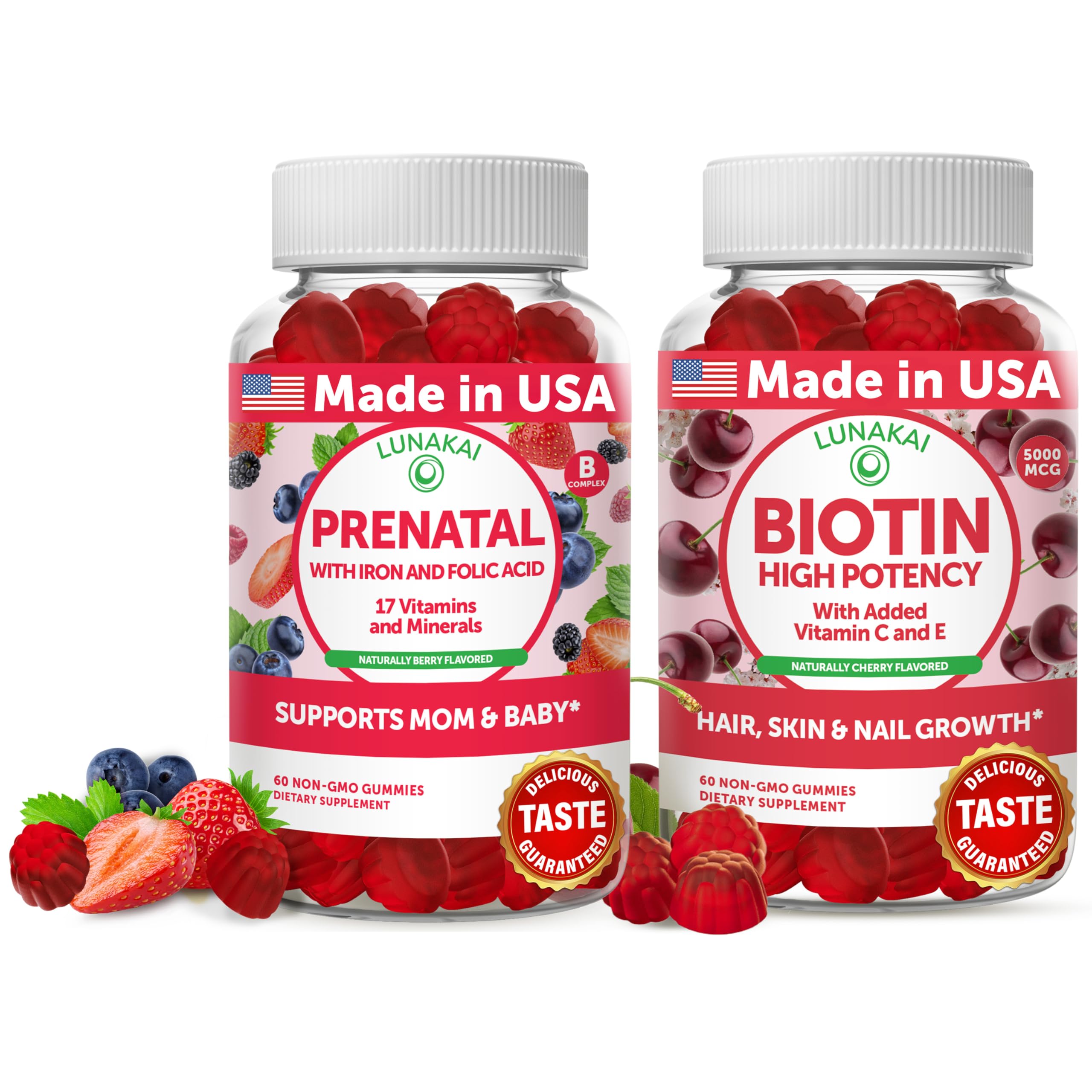
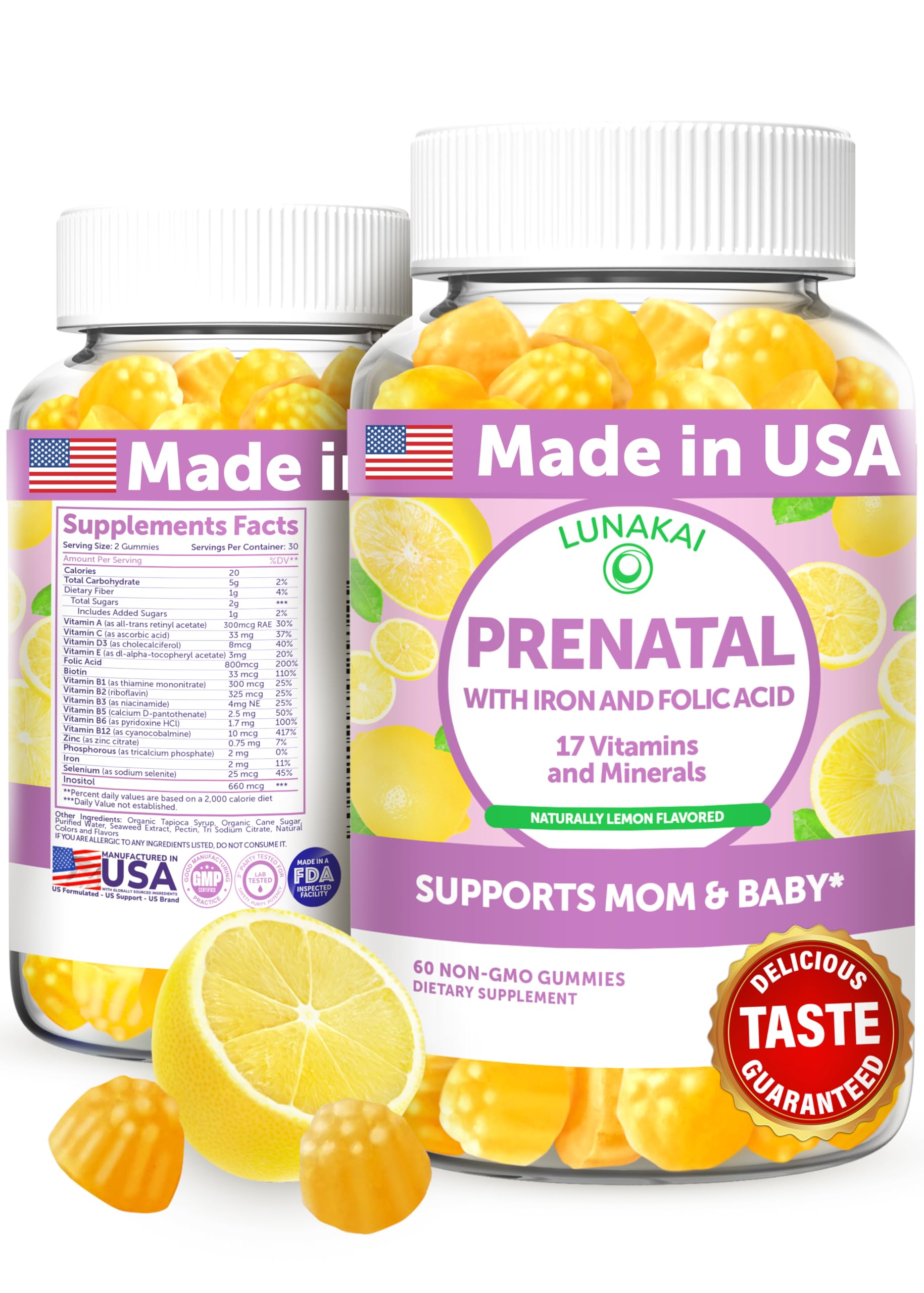
Sugar Free Prenatal Gummies: A Complete Guide for Expecting and New Moms
Navigating the world of prenatal vitamins can be overwhelming, especially with the rise of gummy formats. For those seeking to avoid added sugars while supporting a healthy pregnancy and postpartum recovery, sugar free prenatal gummies have become a popular and convenient option. This comprehensive guide delves into everything you need to know—from their key benefits and ingredients to how to choose the best one for your unique journey.
Why Consider Sugar Free Prenatal Gummies?
Prenatal vitamins are a cornerstone of prenatal and postnatal care, designed to fill nutritional gaps and support both maternal and fetal health. Gummy vitamins have transformed the experience for many who struggle with swallowing large pills or dealing with nausea, a common first-trimester challenge known as morning sickness.
The "sugar free" designation addresses a specific concern. While traditional gummy vitamins can be easier to take, they often contain significant amounts of added sugars or syrups to improve taste. Sugar free prenatal gummies use alternative sweeteners like stevia, monk fruit, or sugar alcohols (e.g., xylitol, sorbitol) to provide a palatable option without the added sugar content. This can be particularly appealing for those managing gestational diabetes, watching their overall sugar intake, or simply preferring to limit unnecessary sweeteners.
The Core Benefits: More Than Just a Vitamin
The primary goal of any prenatal supplement is to provide a nutritional safety net. Key benefits of a comprehensive sugar free prenatal gummy include:
- Neural Tube Defect Prevention: Adequate folic acid (or its bioactive form, folate) before conception and during early pregnancy is crucial for preventing serious birth defects of the baby's brain and spine.
- Fetal Brain and Eye Development: DHA (docosahexaenoic acid), an omega-3 fatty acid, is a building block for the fetal brain and retina. Maternal intake supports cognitive and visual development.
- Reducing Anemia Risk: Iron supports the increased blood volume in pregnancy and helps prevent iron-deficiency anemia, which can cause fatigue and increase risks of preterm delivery.
- Bone Health for Two: Calcium and Vitamin D work in tandem to support the development of the baby's skeleton while preserving the mother's bone density.
- Overall Cellular Function & Energy: A spectrum of B-vitamins, Vitamin C, Vitamin E, and minerals like zinc and iodine contribute to energy metabolism, immune function, and the healthy growth of cells and tissues.
Key Ingredients to Look For in Sugar Free Prenatal Gummies
Not all prenatal gummies are created equal. When evaluating sugar free options, a close look at the label is non-negotiable. Here are the essential nutrients and what to check for.
1. Folate/Folic Acid (600-800 mcg)
This is the most critical ingredient. Look for at least 600 micrograms (mcg). Some high-quality gummies use methylfolate (5-MTHF), the active form that is readily usable by the body, which can be beneficial for individuals with a common genetic variation (MTHFR) that affects folic acid metabolism.
2. DHA (200-300 mg)
DHA is often not included in the base gummy due to its oily nature and potential for fishy taste. Many brands offer a separate DHA softgel or a two-part system. If brain and eye health support is a priority, ensure your regimen includes a source of DHA, either within the gummy or as a companion supplement.
3. Iron
This is a major differentiator. Most prenatal gummies do NOT contain iron. Iron is difficult to formulate into a stable, good-tasting gummy and can cause gastrointestinal upset. If your sugar free prenatal gummy lacks iron, it is vital to assess your dietary intake (red meat, spinach, lentils) and discuss with your healthcare provider whether a separate iron supplement is necessary. Blood tests can determine your iron levels.
4. Calcium & Vitamin D
Calcium needs increase during pregnancy to about 1,000 mg daily. A gummy might provide 100-200 mg, so dietary sources (dairy, fortified foods, leafy greens) remain essential. Vitamin D (600 IU minimum) aids calcium absorption and supports immune function.
5. Iodine (150 mcg)
Iodine is vital for the baby's thyroid function and brain development. Many prenatal gummies now include this important mineral, but it's important to verify its presence on the label.
6. Choline
While not yet universal in all prenatal formulas, choline is gaining recognition for its role in brain development. The recommended intake increases significantly during pregnancy. Some advanced sugar free prenatal gummies are beginning to include it.
7. The "Sugar Free" Sweetener
Examine what is used to sweeten the gummy. Common options include:
- Stevia Leaf Extract: A natural, zero-calorie sweetener from the stevia plant.
- Monk Fruit Extract: Another natural, zero-calorie option.
- Sugar Alcohols: Such as xylitol or sorbitol. These are generally safe but can cause digestive discomfort (gas, bloating) in some individuals, especially when consumed in large amounts.
Evaluation Criteria: Choosing the Best Sugar Free Prenatal Gummy
With an understanding of the key ingredients, use these criteria to compare and evaluate different brands.
1. Nutritional Completeness: Does it cover the major bases—especially folate and DHA (or offer a paired DHA supplement)? Does it include iodine and choline? Recognize that iron will likely be absent. 2. Ingredient Quality & Form: Are nutrients in their more bioavailable forms (e.g., methylfolate)? Is the DHA sourced from sustainable, low-mercury fish or algae (a vegan option)? 3. Sweetener Profile & Taste: Which sugar-free sweetener is used, and does it agree with your digestive system? Taste is subjective, but a palatable gummy ensures consistency. 4. Third-Party Testing & Certifications: Look for seals from organizations like USP (United States Pharmacopeia), NSF International, or Informed-Sport. These indicate the product has been tested for purity, potency, and the absence of contaminants like heavy metals. 5. Dietary Compatibility: Is the product vegan, gluten-free, or allergen-friendly if those are concerns for you? 6. Dosage & Cost: How many gummies constitute the daily serving? Calculate the cost per day to compare value between brands fairly.
Comparison of Common Sugar Free Prenatal Gummy Features
The table below provides a generalized comparison of features often found in sugar free prenatal gummy formulations. Always check the most current label of any specific brand for accurate details.
| Feature | Typical Range/Options in Sugar Free Gummies | What to Consider |
|---|---|---|
| Folate (as Folic Acid or Methylfolate) | 600 - 800 mcg | Methylfolate may offer better absorption for some. |
| DHA Inclusion | Often separate or not included; if included, ~200-300 mg | Check if it's in the gummy or a separate supplement. Algal DHA is plant-based. |
| Iron | Rarely included | Plan to assess diet and speak with a provider about potential need for a separate supplement. |
| Calcium | 0 - 200 mg per serving | A supplemental amount; dietary intake is crucial to meet daily needs. |
| Vitamin D | 400 - 1000 IU | Supports calcium absorption and immune health. |
| Iodine | 150 - 220 mcg | An essential but sometimes missing mineral; verify its presence. |
| Common Sweeteners | Stevia, Monk Fruit, Xylitol, Sorbitol | Sugar alcohols may cause mild GI issues for sensitive individuals. |
| Third-Party Testing | Varies by brand | A strong indicator of quality and safety control. |
| Daily Serving Size | Typically 2-4 gummies | Impacts how long a bottle lasts and overall cost. |
Practical Advice: Dosing, Timing, and Maximizing Benefits
When to Start: It is recommended to start taking prenatal vitamins at least one month before conception. Since nearly half of all pregnancies are unplanned, many healthcare providers suggest any person of childbearing age who could become pregnant take a prenatal vitamin daily.
How to Take Them:
- Consistency is Key: Take your gummies at the same time each day to establish a routine.
- With or Without Food? Gummies are generally gentle on the stomach. However, taking them with a small meal or snack containing a little healthy fat can improve the absorption of fat-soluble vitamins (like Vitamins D and E, and if included, DHA).
- Pairing for Absorption: If you take a separate iron supplement (usually a pill), take it with vitamin C (like a glass of orange juice) to enhance absorption, but separate it from your gummy by at least 2 hours if the gummy contains calcium, as calcium can inhibit iron absorption.
- Storage: Keep gummies in a cool, dry place, tightly sealed. The gelatin or pectin base can cause them to stick together or degrade in heat or humidity.
Potential Considerations and Side Effects
While sugar free prenatal gummies are well-tolerated by most, there are a few considerations.
- Digestive Sensitivity: The sugar alcohols (xylitol, sorbitol) used in some sugar free products can have a laxative effect or cause bloating and gas in some individuals.
- Nutrient Gaps: The absence of iron and typically lower doses of calcium and magnesium mean diet is critically important. A prenatal gummy is a supplement, not a replacement for a nutrient-dense diet.
- Overconsumption Risk: Their candy-like appearance and taste require careful storage away from children and mindful adherence to the recommended adult dose. Overconsumption of certain fat-soluble vitamins (A, D, E, K) or minerals like iodine can be harmful.
- Dental Health: Even without sugar, gummies are acidic and can stick to teeth. It’s advisable to drink water after taking them and maintain good oral hygiene, as pregnancy can increase susceptibility to gingivitis.
- Medical Conditions: Always consult with an obstetrician, midwife, or doctor before starting any supplement, especially if you have pre-existing health conditions like thyroid disorders, diabetes, or liver disease.
Frequently Asked Questions (FAQ)
Q1: Are sugar free prenatal gummies as effective as pill-form prenatal vitamins? A: They can be equally effective for providing the vitamins and minerals they contain. The primary differences are usually the absence of iron and potentially lower amounts of minerals like calcium. Effectiveness hinges on the quality of the ingredients, their bioavailability, and the consumer's consistency in taking them. For those who struggle with pills, a gummy that is taken consistently is far more effective than a pill that is skipped due to nausea or swallowing difficulties.
Q2: I have gestational diabetes. Are sugar free prenatal gummies a good choice for me? A: They can be an excellent choice, as they eliminate added sugars. However, it is essential to discuss any supplement with the healthcare provider managing your gestational diabetes. They can advise on the specific formulation and ensure it aligns with your overall nutritional plan. Also, be aware that some sugar-free sweeteners can still affect blood sugar in minimal ways, though significantly less than straight sugar.
Q3: Why don’t most prenatal gummies contain iron? A: Iron is challenging to incorporate into a gummy. It can impart a metallic taste, cause discoloration, and destabilize the gummy formula. Furthermore, iron is a common cause of gastrointestinal side effects (constipation, nausea), which gummy formats aim to avoid. A separate, easily adjustable iron supplement is often a more practical approach.
Q4: Can I take postnatal gummies after the baby is born? A: Absolutely. The nutritional demands during breastfeeding (lactation) are, in some cases, even higher than during pregnancy. Postnatal or lactation-specific gummies are formulated to support recovery, energy levels, and milk production. Many "prenatal" gummies are also marketed for postnatal use. Continuing a comprehensive supplement in the postpartum period is highly beneficial.
Q5: How do I know if a sugar free prenatal gummy is high quality? A: Look for transparency and verification. A reputable brand will clearly list all ingredients and amounts. The gold standard is a third-party certification seal (like USP or NSF), which independently verifies that what’s on the label is in the bottle and that the product is free from harmful levels of contaminants.
Q6: Can I rely solely on prenatal gummies for my nutrition during pregnancy? A: No. Prenatal gummies are supplements, meaning they are designed to complement a healthy diet, not replace it. Whole foods provide fiber, protein, antioxidants, and a complex matrix of nutrients that work synergistically. Focus on a diet rich in fruits, vegetables, whole grains, lean proteins, and healthy fats, using the gummy to fill in specific, common nutritional gaps.
Choosing the right sugar free prenatal gummy is a personal decision that balances nutritional needs, dietary preferences, and lifestyle. By prioritizing key nutrients like folate and DHA, understanding common formulation trade-offs like the lack of iron, and selecting a product from a transparent, quality-focused brand, expecting and new moms can confidently find a supplement that supports their health and the healthy development of their baby throughout pregnancy and beyond. Always make this decision in partnership with a qualified healthcare professional who knows your individual health history.
Affiliate Disclosure
Gummy.mom may earn a commission from purchases made through links on this page. This helps support our research and content creation. We only recommend products we genuinely believe in and have thoroughly researched.