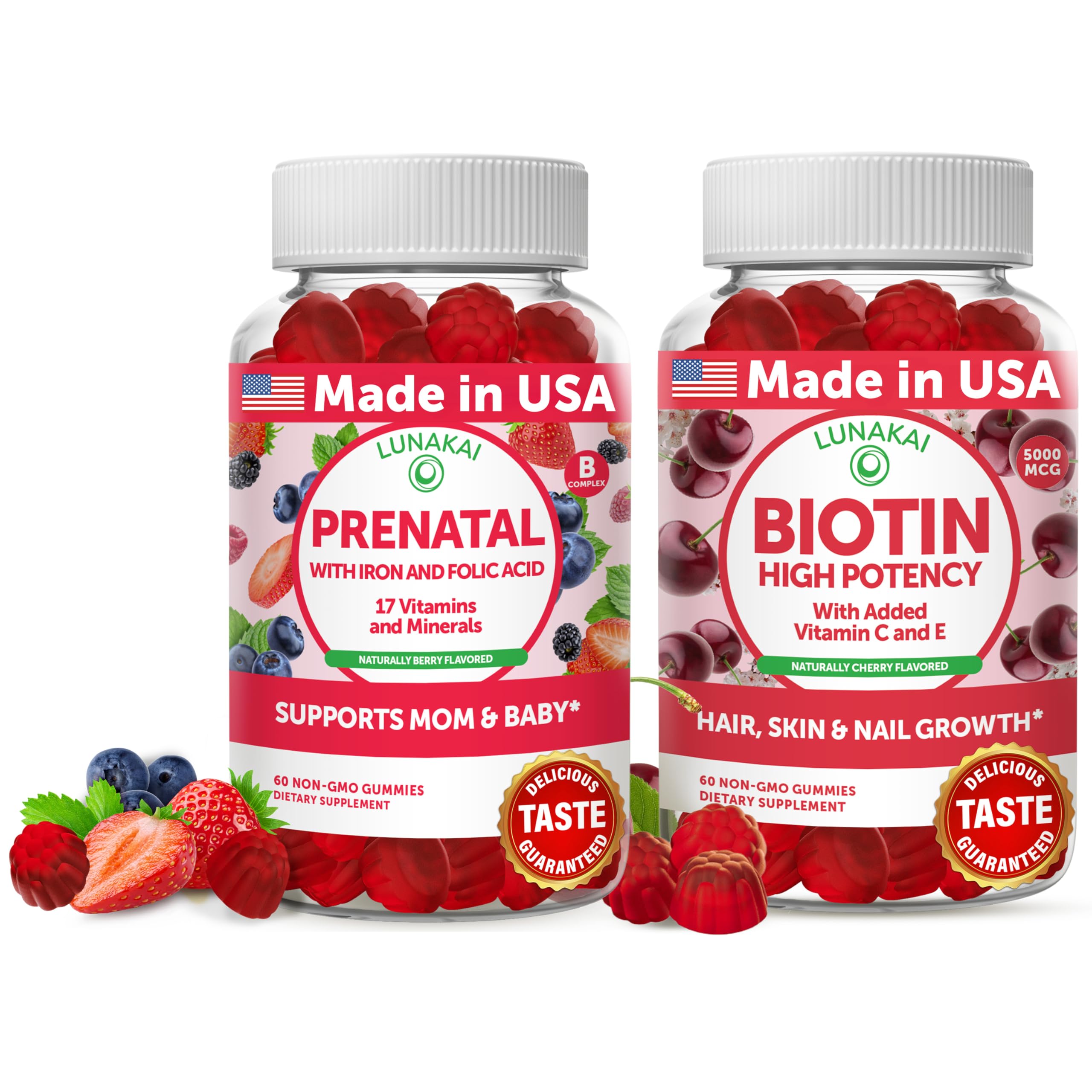
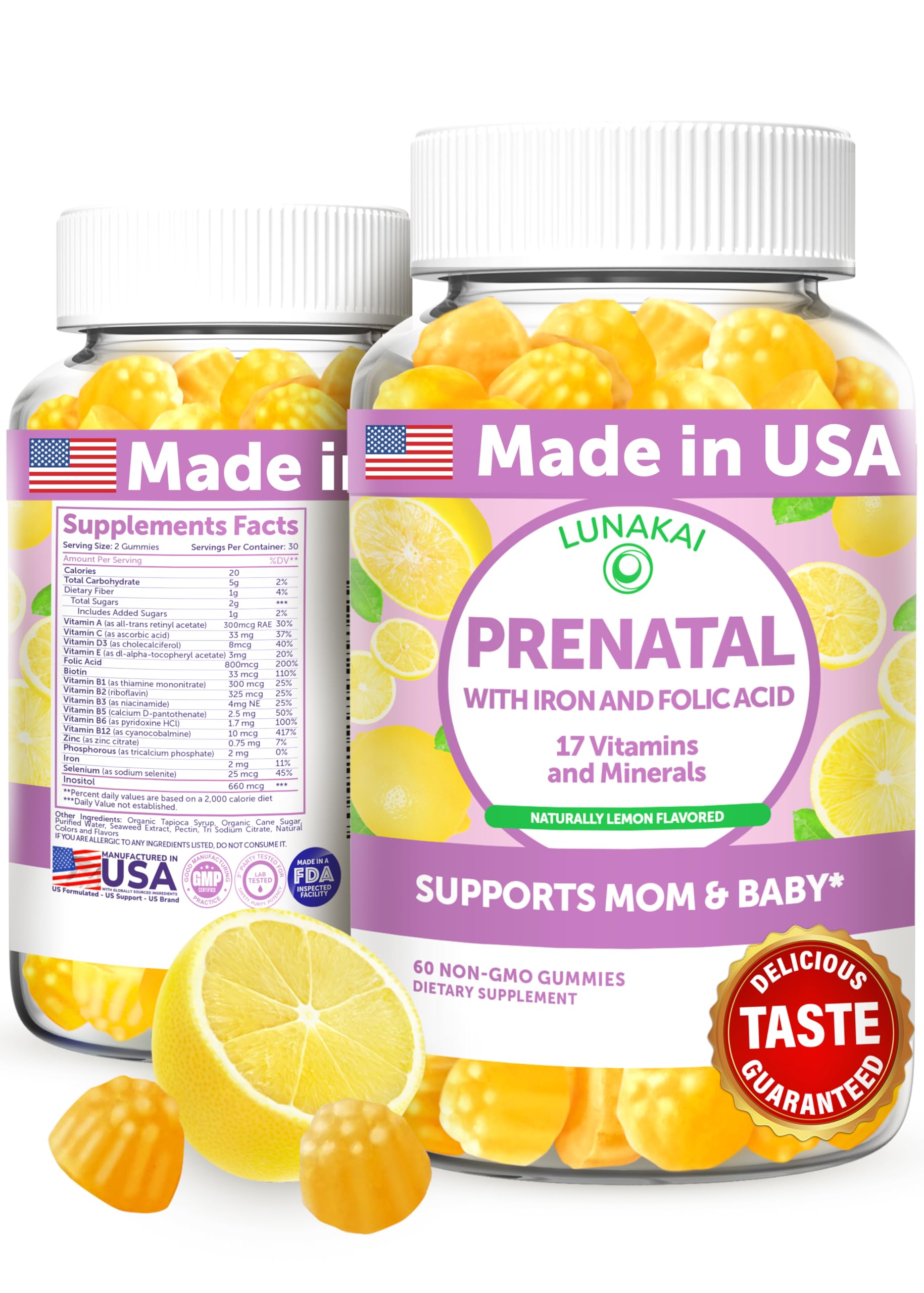
Prenatal Gummies vs Pills: A Complete Guide for Expecting and New Moms
Choosing the right prenatal vitamin is one of the most important early decisions in the journey to motherhood. With options ranging from traditional pills to chewable gummies, the choice can feel overwhelming. This comprehensive guide breaks down the key differences between prenatal gummies and pills, examining their formulations, benefits, drawbacks, and suitability to help expecting and new moms make an informed, confident decision for their health and their baby’s development.
Why Prenatal Vitamins Are Non-Negotiable
Even with a perfectly balanced diet, it is challenging to meet the increased nutritional demands of pregnancy and breastfeeding. Prenatal vitamins are specifically formulated to fill these critical gaps. They ensure adequate levels of essential nutrients that support fetal development, reduce the risk of certain birth defects, and help maintain the mother’s health during and after pregnancy.
Key nutrients include:
- Folic Acid (Folate): Crucial for preventing neural tube defects in the developing baby’s brain and spine. The CDC recommends 400-800 mcg daily, starting at least one month before conception.
- Iron: Supports the increased blood volume in the mother and is essential for delivering oxygen to the baby. Deficiency can lead to anemia and fatigue.
- Calcium & Vitamin D: Work together to build the baby’s bones and teeth while preserving the mother’s bone density.
- DHA (Docosahexaenoic Acid): An omega-3 fatty acid critical for the development of the baby’s brain, eyes, and nervous system.
- Iodine: Important for healthy thyroid function and cognitive development.
- Choline: Supports brain development and helps prevent neural tube defects.
The Rise of Prenatal Gummies
Prenatal gummies have surged in popularity, offering a palatable alternative to traditional pills. They are essentially chewable, flavored supplements that deliver key vitamins and minerals in a format that can be easier and more enjoyable to take daily.
Key Benefits of Prenatal Gummies
- Ease of Consumption: For individuals who have difficulty swallowing pills (a condition known as dysphagia) or experience heightened gag reflexes during pregnancy, gummies are a game-changer.
- Improved Compliance: A pleasant taste and texture can make it easier to remember and stick to a daily supplement routine.
- Gentler on the Stomach: Some gummies may be less likely to cause nausea, a common first-trimester complaint. They also typically do not contain iron, which is a common culprit in digestive upset.
- Convenience: They require no water and can be taken discreetly anywhere.
Common Limitations of Prenatal Gummies
- Missing Nutrients: Most prenatal gummies do not contain iron or calcium. These minerals are difficult to incorporate into a stable, palatable gummy form. They also often lack adequate levels of choline.
- Sugar Content: To achieve a pleasant taste, gummies often contain added sugars, sugar alcohols, or alternative sweeteners. While generally in small amounts, this is a consideration for those monitoring sugar intake or with gestational diabetes.
- Potency and Dosage: Due to size and formulation constraints, some nutrients may be present in lower amounts compared to comprehensive pills. It’s crucial to read labels carefully.
- Cost: They can be more expensive per serving than traditional pill-form vitamins.
Understanding Traditional Prenatal Pills
Prenatal pills—available as tablets, capsules, and softgels—have been the standard recommendation from healthcare providers for decades. They are designed to be a comprehensive, all-in-one nutritional supplement.
Key Benefits of Prenatal Pills
- Comprehensive Formulation: They are far more likely to include a full spectrum of essential nutrients, including iron, calcium, and higher doses of key vitamins like folic acid.
- Higher Potency: Pills can pack more nutrients into a single dose, often meeting or exceeding 100% of the Recommended Dietary Allowance (RDA) for pregnancy.
- No Added Sugars: Most pills use minimal, if any, flavorings and contain no added sweeteners.
- Cost-Effective: They are often the most economical choice on a per-dose basis.
Common Limitations of Prenatal Pills
- Swallowing Difficulty: Their size can be a significant barrier for some people.
- Gastrointestinal Issues: They can cause or exacerbate nausea, constipation, or stomach upset, particularly when taken on an empty stomach. Iron is a frequent contributor.
- Aftertaste: Some pills, especially fish-oil based capsules for DHA, can cause a fishy aftertaste or burps.
Prenatal Gummies vs Pills: A Direct Comparison
The following table provides a clear, side-by-side look at the primary differences between these two formats.
| Feature | Prenatal Gummies | Prenatal Pills |
|---|---|---|
| Key Nutrients | Typically contain folic acid, DHA, vitamins D, C, B vitamins. | More comprehensive: Include iron, calcium, higher-dose folic acid, iodine, choline, magnesium. |
| Ease of Use | Excellent. Easy to chew, no swallowing issues, often no water needed. | Can be challenging for those with pill aversion or dysphagia. Requires water. |
| Digestive Tolerance | Generally high. Often iron-free, so less likely to cause nausea or constipation. | Can cause nausea, constipation, or stomach upset, often due to iron. Best taken with food. |
| Taste & Texture | Pleasant, flavored, candy-like. | Varies; some have coatings, but many have a medicinal taste or aftertaste. |
| Common Additives | Added sugars, sweeteners, colors, and flavors for palatability. | Fewer additives; may contain binders, fillers, or coatings. |
| Cost | Often higher per serving. | Typically more cost-effective. |
| Ideal For | Those with pill-swallowing difficulty, severe nausea, or who need a tastier option to ensure compliance. | Those seeking a complete, one-pill solution, who can tolerate pills and need iron/calcium. |
What to Look For in a Quality Prenatal Supplement
Regardless of the format, certain standards define a high-quality prenatal vitamin. When evaluating options, consider these critical factors:
- Third-Party Testing: Look for supplements that have been verified by independent organizations like USP, NSF, or ConsumerLab.com. This ensures the product contains what the label claims and is free from contaminants.
- Form of Folate: Folic acid is the synthetic form, but some individuals have a genetic variation (MTHFR) that makes it harder to process. Methylfolate (5-MTHF) is the active, bioavailable form that everyone can utilize.
- Source of DHA: DHA derived from algal oil is a sustainable, vegetarian, and mercury-free alternative to traditional fish oil. It’s an excellent choice for all diets.
- Iron Form: If choosing a pill with iron, look for gentler forms like ferrous bisglycinate, which is better absorbed and causes fewer gastrointestinal side effects than ferrous sulfate.
- Vitamin D Form: Vitamin D3 (cholecalciferol) is more effective at raising blood levels than D2.
- Transparency: The label should clearly list all ingredients and their amounts. Avoid proprietary blends that hide specific doses.
Practical Advice: Dosing, Timing, and Maximizing Absorption
- When to Start: Ideally, begin taking a prenatal vitamin at least one month before trying to conceive. Neural tube development occurs in the first few weeks of pregnancy, often before a woman knows she is pregnant.
- When to Take: Gummies can typically be taken at any time, with or without food. Pills, especially those with iron, are best taken with a meal or snack to minimize nausea. Taking them at the same time each day builds a routine.
- Absorption Tips:
- Avoid taking calcium-rich foods or antacids at the same time as an iron-containing prenatal, as calcium can inhibit iron absorption.
- Vitamin C enhances iron absorption. Consider taking your prenatal with a glass of orange juice or a vitamin C-rich food.
- Fat aids in the absorption of fat-soluble vitamins (A, D, E, K) and DHA. Taking your prenatal with a meal containing healthy fats is beneficial.
- Postnatal Continuation: Continuing your prenatal or switching to a dedicated postnatal gummy or pill while breastfeeding helps replenish nutrient stores and supports milk quality. Look for postnatal formulas that often include nutrients for energy, stress support, and hair/skin health.
Potential Side Effects and Considerations
- Nausea: If pills cause nausea, try taking them at bedtime or with a substantial snack. Gummies may be a better alternative.
- Constipation: This is frequently caused by iron. Increasing water and fiber intake, adding physical activity, and speaking to a doctor about a stool softener or a switch to a gummy-plus-separate-iron regimen can help.
- Unpleasant Aftertaste: Refrigerating fish-oil capsules or seeking enteric-coated options can reduce this. Algal DHA in gummies rarely causes this issue.
- Over-supplementation: "More" is not always better. Excessive amounts of certain fat-soluble vitamins (like Vitamin A) can be harmful. Always follow the recommended dosage on the label and discuss any additional supplements with a healthcare provider.
Frequently Asked Questions (FAQ)
Q1: Can I get everything I need from prenatal gummies alone? A: Most prenatal gummies lack sufficient iron, calcium, and sometimes choline. If you choose gummies, it is essential to assess your dietary intake of these nutrients and discuss with your doctor whether you need to supplement them separately. A common regimen is a prenatal gummy plus a separate, gentle iron supplement and a calcium-rich diet.
Q2: Are prenatal gummies safe if I have gestational diabetes? A: You must check the sugar content and carbohydrate count on the label. Many gummies use sugar alcohols or minimal added sugar, but some can have several grams of sugar per serving. Discuss specific brand options with your healthcare provider to find one that fits your dietary management plan.
Q3: I’m in my first trimester and extremely nauseous. What should I take? A: Prenatal gummies are often recommended for severe morning sickness because they are typically iron-free (a nausea trigger) and easier to keep down. Taking them at night or with a bland cracker can also help. The most important nutrient in early pregnancy is folic acid, so ensuring your gummy provides at least 400-800 mcg is critical.
Q4: Do I need a prescription for prenatal vitamins? A: Most prenatal vitamins are available over-the-counter and are highly effective. Some doctors may prescribe a specific brand due to a patient's unique health needs (e.g., higher iron doses for anemia), but a prescription is not required to obtain a quality prenatal supplement.
Q5: How long should I take prenatal vitamins after giving birth? A: It is generally recommended to continue taking them throughout your breastfeeding journey, which can be up to a year or longer. This supports postpartum recovery and ensures your breast milk is nutrient-rich. Many women switch to a postnatal-specific formula after delivery.
Q6: What’s the difference between prenatal and postnatal gummies? A: Postnatal vitamins are tailored for recovery after birth and lactation. They often maintain high levels of DHA, B vitamins, and vitamin D but may adjust or remove iron (since blood loss stops). They frequently add nutrients like higher choline for milk production, and herbs or vitamins targeted for energy, stress support, and hair health, which can be affected postpartum.
Making Your Final Choice
The "best" prenatal vitamin is the one you will take consistently. For some, that is a comprehensive pill that covers all bases in one swallow. For others, it’s a palatable gummy that ensures daily compliance, supplemented with specific nutrients from diet or additional pills as needed.
The decision between prenatal gummies vs pills is personal and should be based on:
- Your individual tolerance (for swallowing and digestion).
- Your specific nutritional needs (determined by diet and health status).
- Your healthcare provider’s recommendations.
Always bring your chosen supplement to a prenatal appointment for your doctor or midwife to review. They can help you interpret the label in the context of your health and ensure you and your baby are getting the foundational nutrition required for a healthy pregnancy and postpartum period.
Affiliate Disclosure
Gummy.mom may earn a commission from purchases made through links on this page. This helps support our research and content creation. We only recommend products we genuinely believe in and have thoroughly researched.