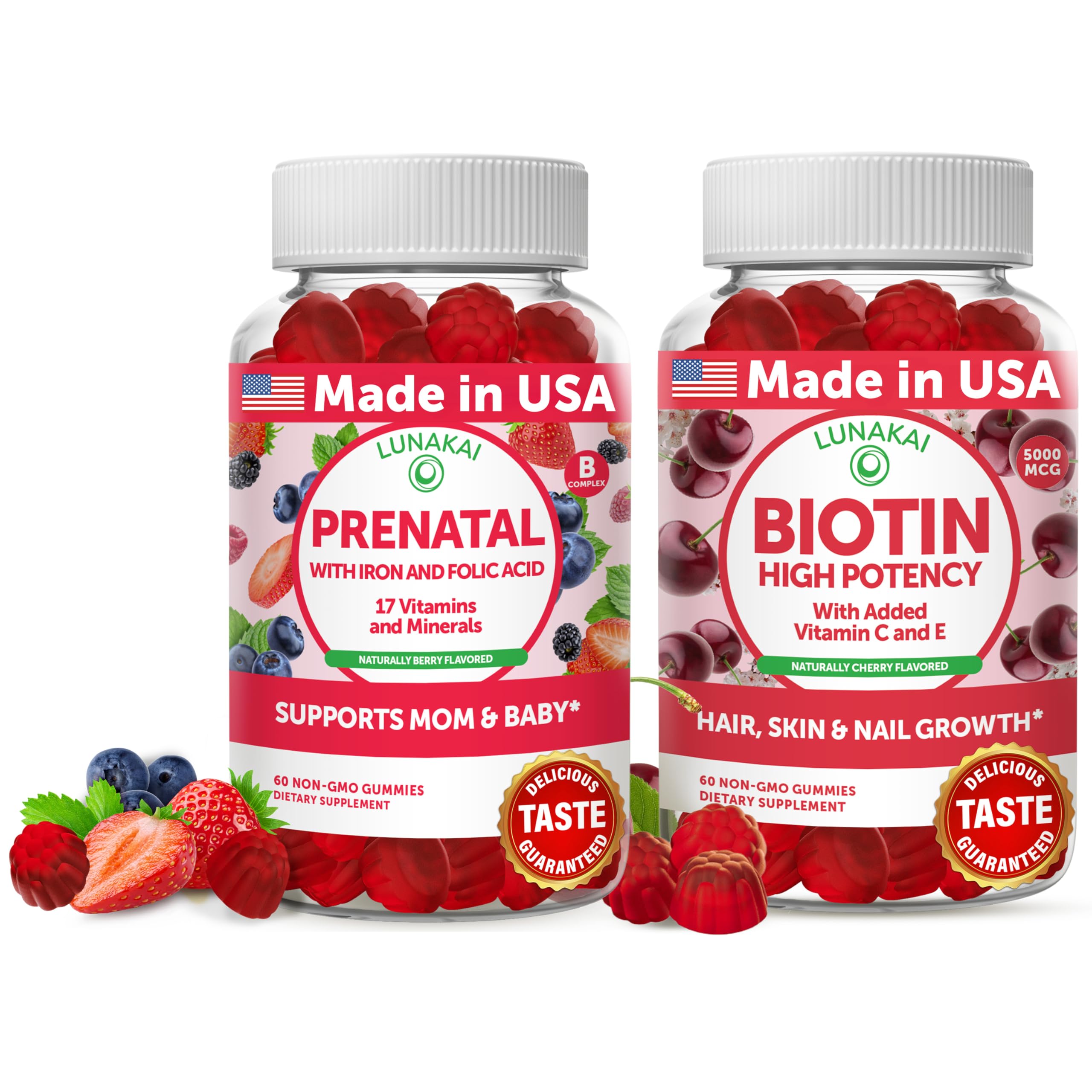
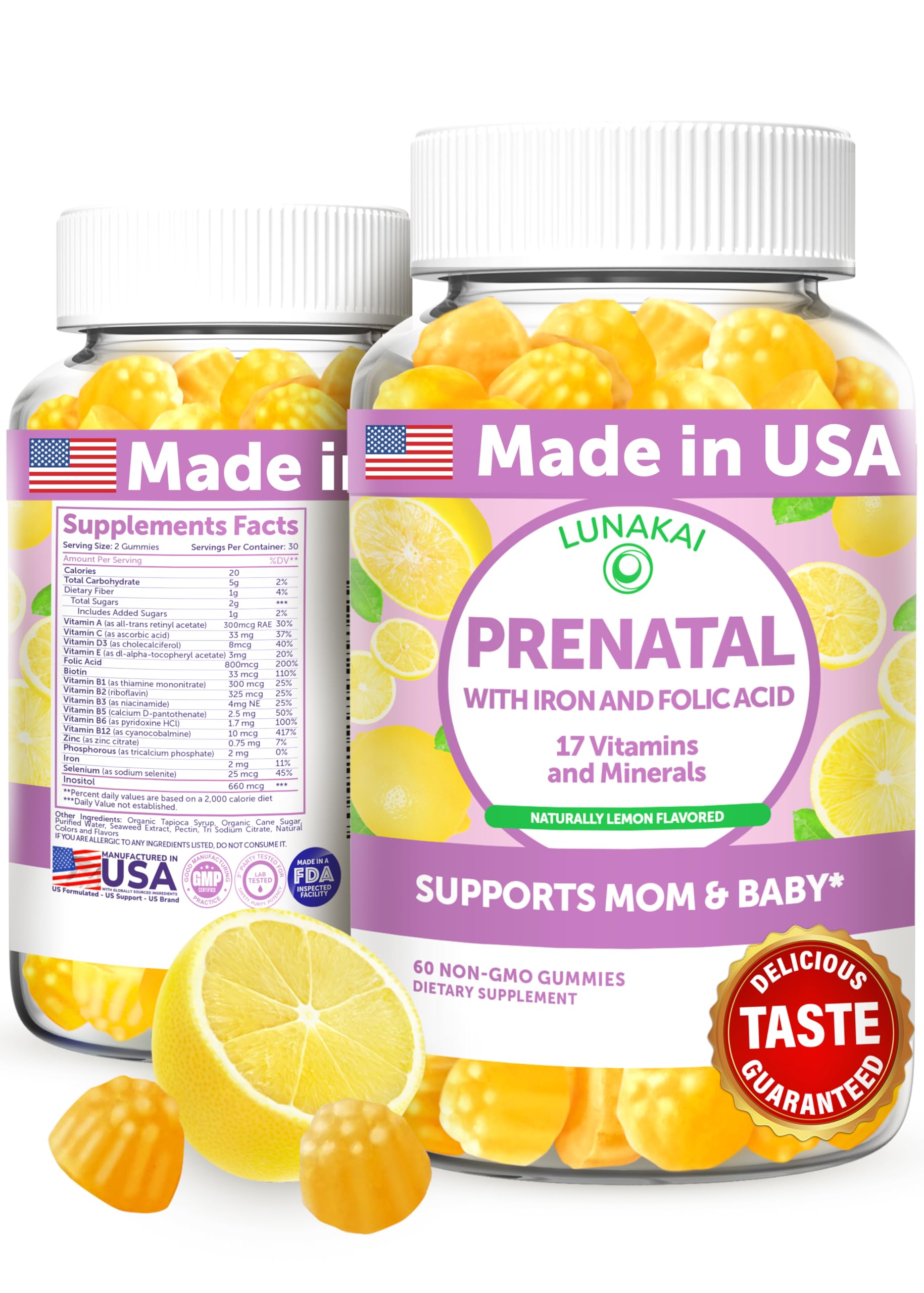
Are Prenatal Gummies Effective? A Complete Guide for Expecting and New Moms
Navigating the world of prenatal vitamins can be overwhelming. With so many options—pills, capsules, powders, and now, gummies—it’s natural to wonder: are prenatal gummies effective? For many expecting and new mothers, the appeal of a tasty, chewable vitamin is undeniable, especially during the first trimester when nausea can make swallowing pills a challenge. This comprehensive guide dives deep into the science, benefits, and considerations of prenatal vitamin gummies to help you make an informed decision for your pregnancy and postpartum journey.
Understanding Prenatal Gummies: More Than Just a Candy
Prenatal gummies are dietary supplements specifically formulated to provide essential nutrients before, during, and after pregnancy. They are designed to fill nutritional gaps in a mother's diet, supporting both her health and the optimal development of her baby. Unlike traditional pills, they come in a chewable, often fruit-flavored format.
Their effectiveness hinges not on their form, but on their formulation. A high-quality prenatal gummy must contain specific nutrients in bioavailable forms and adequate doses to be considered truly effective. The core question isn't whether gummies can work, but whether the specific product you choose contains what you need.
The Science Behind Key Nutrients in Prenatal Gummies
The effectiveness of any prenatal vitamin is measured by its inclusion and dosage of critical nutrients. Here’s a breakdown of the most important ones and why they matter.
Folic Acid (Folate): The Neural Tube Defender
This is arguably the most critical prenatal nutrient. Folic acid, the synthetic form of vitamin B9, is essential for preventing neural tube defects (NTDs) like spina bifida in the developing fetus. The neural tube forms and closes very early in pregnancy—often before a woman knows she’s pregnant. This is why supplementation is recommended for anyone who could become pregnant.
- Recommended Dose: 400-800 micrograms (mcg) daily.
- Gummy Consideration: Most prenatal gummies contain folic acid. It’s crucial to check the label to ensure the dose meets recommendations.
DHA: The Brain Builder
Docosahexaenoic acid (DHA) is an omega-3 fatty acid vital for the development of the fetal brain, nervous system, and eyes. Maternal DHA intake is also linked to positive pregnancy outcomes and may support maternal mood.
- Recommended Dose: At least 200-300 milligrams (mg) daily.
- Gummy Consideration: Not all prenatal gummies include DHA. Some require a separate supplement. DHA prenatal gummies that include this nutrient offer a convenient all-in-one solution.
Iron: The Oxygen Carrier
Iron supports the increased blood volume in pregnancy and helps prevent iron-deficiency anemia, which can cause fatigue and increase the risk of preterm delivery and low birth weight.
- Gummy Consideration: This is a major differentiator. Most prenatal gummies do NOT contain iron. The mineral’s taste, texture, and potential to cause gastrointestinal upset make it difficult to incorporate into a gummy format. Women taking a gummy prenatal will often need a separate iron supplement if their healthcare provider recommends it.
Other Essential Vitamins & Minerals
- Calcium & Vitamin D: Support building baby’s bones and teeth while preserving maternal bone density.
- Iodine: Crucial for healthy thyroid function and fetal brain development.
- Choline: Supports brain development and helps prevent NTDs, working synergistically with folic acid.
- B Vitamins (B6, B12): Aid in energy metabolism and can help with nausea (B6).
Benefits of Choosing Prenatal Gummies
For the right person, prenatal gummies offer distinct advantages that contribute to their effectiveness through improved adherence.
- Improved Compliance: The pleasant taste and texture make them easier to take consistently, which is the most important factor in any supplement's effectiveness. This is especially valuable for those with pill aversion or severe morning sickness.
- Gentle on the Stomach: They are often easier to digest than large pills that can cause nausea or a heavy feeling.
- No Swallowing Difficulties: An ideal solution for individuals who have trouble swallowing capsules or tablets.
- Postnatal Continuity: The same benefits apply postpartum. Postnatal gummies can support recovery, breastfeeding nutrition, and energy levels in a convenient, palatable form.
Important Limitations and Considerations
To assess if prenatal gummies are effective for you, it’s vital to understand their common limitations.
- Frequent Lack of Iron: As mentioned, this is the biggest gap. A woman’s iron needs nearly double during pregnancy. Relying solely on a gummy without iron may not be sufficient unless your diet is exceptionally rich in iron or your provider advises otherwise.
- Lower Potency: To fit into a gummy format, some nutrients may be included at lower doses. Calcium, for instance, requires a large volume, so most gummies contain only a small amount.
- Added Sugars and Calories: Gummies use sugar, glucose syrup, or alternative sweeteners for taste. While the amount is small (typically 2-5 grams per serving), it’s a factor for those monitoring sugar intake.
- Potential for Overconsumption: Their candy-like appearance requires keeping them out of reach of children to prevent accidental overdose.
- Gelatin Source: Many gummies use gelatin (derived from animals). Vegetarians and vegans should look for pectin-based gummies.
Prenatal Gummies vs. Traditional Prenatal Pills: A Comparison
The table below highlights the key differences to help you decide which format might be more effective for your lifestyle and needs.
| Feature | Prenatal Gummies | Traditional Prenatal Pills |
|---|---|---|
| Format & Taste | Chewable, flavorful, candy-like. | Swallowed whole, often odorless/tasteless. |
| Ease of Taking | Excellent for pill aversion & nausea. | Can be difficult with morning sickness. |
| Typical Iron Content | Rarely included. | Almost always included. |
| DHA Inclusion | Sometimes included (check label). | Sometimes included; often a separate softgel. |
| Nutrient Dosage | May have lower doses of some minerals. | Can contain full-spectrum, higher-potency doses. |
| Dietary Considerations | Often contain gelatin and sugar. | More options for vegan, sugar-free, etc. |
| Cost | Often more expensive per serving. | Generally more cost-effective. |
| Key Advantage | Compliance due to palatability. | Comprehensive nutrient profile in one unit. |
How to Choose an Effective Prenatal Gummy: A Buyer’s Checklist
When evaluating the best prenatal vitamins in gummy form, use this checklist:
- Check for Folic Acid: Ensure it provides 400-800 mcg.
- Look for DHA: If you want an all-in-one, find a DHA prenatal gummy with at least 200 mg.
- Assess the Iron Gap: Confirm with your doctor if you need a separate iron supplement.
- Scan for Other Key Players: Look for iodine (150 mcg), vitamin D (600 IU), vitamin B6, B12, and choline.
- Examine the Sugar Content: Compare brands to find one with a lower added sugar content you’re comfortable with.
- Review the Source: Choose pectin-based gummies if you are vegetarian or vegan.
- Seek Third-Party Testing: Look for certifications from groups like USP, NSF, or ConsumerLab.com, which verify purity, potency, and label accuracy.
- Consult Your Healthcare Provider: This is non-negotiable. They can review your diet, health history, and the specific product to ensure it meets your individual needs.
Timing and Dosing for Maximum Effectiveness
- When to Start: Ideally, start taking a prenatal vitamin at least one month before conception. Since nearly half of all pregnancies are unplanned, many experts recommend any person of childbearing age consider a prenatal as part of their daily routine.
- When to Take: Gummies can be taken with or without food. If they cause any mild stomach upset, taking them with a small meal is advised. Consistency is more important than the time of day.
- How Long to Continue: Continue throughout the entire pregnancy. Furthermore, continuing with postnatal gummies or a postnatal vitamin while breastfeeding is highly recommended to support recovery and nutrient-rich breast milk.
Potential Side Effects and How to Manage Them
Prenatal gummies are generally well-tolerated. However, some may experience:
- Mild Digestive Discomfort: Taking them with food can help.
- Aftertaste: Drinking water after chewing can minimize this.
- Allergic Reactions: Always check the allergen statement for ingredients like soy or gluten.
- Nutrient Overload: Stick to the recommended serving size. More is not better and can be harmful, especially with fat-soluble vitamins like A.
Important Note: The iron in a separate supplement (if prescribed) is a more common cause of constipation or nausea than the gummy itself. Your provider can advise on managing these side effects.
Frequently Asked Questions (FAQ)
Can I rely solely on prenatal gummies for my nutrition during pregnancy?
No. Prenatal vitamins are supplements, not replacements for a balanced diet. They are designed to fill nutritional gaps. A healthy diet rich in fruits, vegetables, lean proteins, whole grains, and healthy fats remains the foundation of prenatal nutrition. Gummies, in particular, often lack iron and adequate calcium, which must be addressed through diet or additional supplements.
Are postnatal gummies different from prenatal gummies?
Formulations can differ. Postnatal gummies often maintain nutrients like DHA, vitamin D, and B vitamins but may adjust levels to support breastfeeding (e.g., higher vitamin B12) and recovery. They may also include more nutrients for energy and hair/skin support, which can be affected by postpartum hormonal shifts. Some women continue their prenatal gummies postpartum, which is generally fine, but a tailored postnatal formula may be more optimal.
What happens if I accidentally take two gummies in one day?
A single occasional double dose is unlikely to cause harm, especially with water-soluble vitamins (like B vitamins and vitamin C), as excess is excreted in urine. However, consistently exceeding the recommended dose, particularly of fat-soluble vitamins (A, D, E, K), can be dangerous. If you take two, simply skip the next day's dose and resume your normal schedule. Always store them safely away from children.
Why do most prenatal gummies not have iron?
Iron has a metallic taste that is difficult to mask in a palatable gummy. It can also interact with other nutrients in the gummy matrix and is a leading cause of GI upset in prenatal vitamins. Manufacturers often omit it to create a more tolerable product, placing the responsibility on the consumer and their doctor to address iron needs separately if required.
Are there any "best prenatal vitamins 2026" trends to watch for in gummies?
The category is evolving rapidly. Trends for the coming years include:
- More Comprehensive Formulations: Brands are working to include iron, choline, and higher-dose minerals in better-tasting formats.
- Cleaner Ingredients: A move away from artificial colors, flavors, and high fructose corn syrup.
- Specialized Blends: Targeted gummies for specific trimesters or for postpartum/breastfeeding.
- Enhanced Testing: Greater transparency and more widespread third-party testing for heavy metals and potency.
Can I take prenatal gummies if I'm not pregnant but trying to conceive?
Absolutely. In fact, it is highly recommended. Building up nutrient stores, particularly folate, before conception is one of the most proactive steps you can take for a healthy pregnancy. A prenatal gummy designed for "expecting moms" is perfectly suitable for the preconception stage.
Final Verdict: Are Prenatal Gummies Effective?
Yes, prenatal gummies can be an effective choice for many individuals, provided they are selected carefully and their limitations are understood.
Their primary strength is compliance—they are easier and more pleasant to take daily, which is the cornerstone of any supplement's effectiveness. For women who struggle with severe nausea, pill-swallowing, or simply remembering to take a vitamin, a gummy can be a game-changer that ensures they get consistent, foundational support.
However, they are not a perfect one-stop solution for everyone. The near-universal absence of iron means most women will need to have a plan to meet their iron requirements through diet and/or a separate supplement, as advised by their doctor.
The most effective prenatal vitamin is the one you will take consistently, that contains the nutrients you specifically need, and that is part of a broader strategy of regular prenatal care and healthy nutrition. By carefully examining labels, understanding your own nutritional gaps, and partnering with your healthcare provider, you can determine if a prenatal gummy is the right, effective tool for your pregnancy and postpartum wellness journey.
Affiliate Disclosure
Gummy.mom may earn a commission from purchases made through links on this page. This helps support our research and content creation. We only recommend products we genuinely believe in and have thoroughly researched.