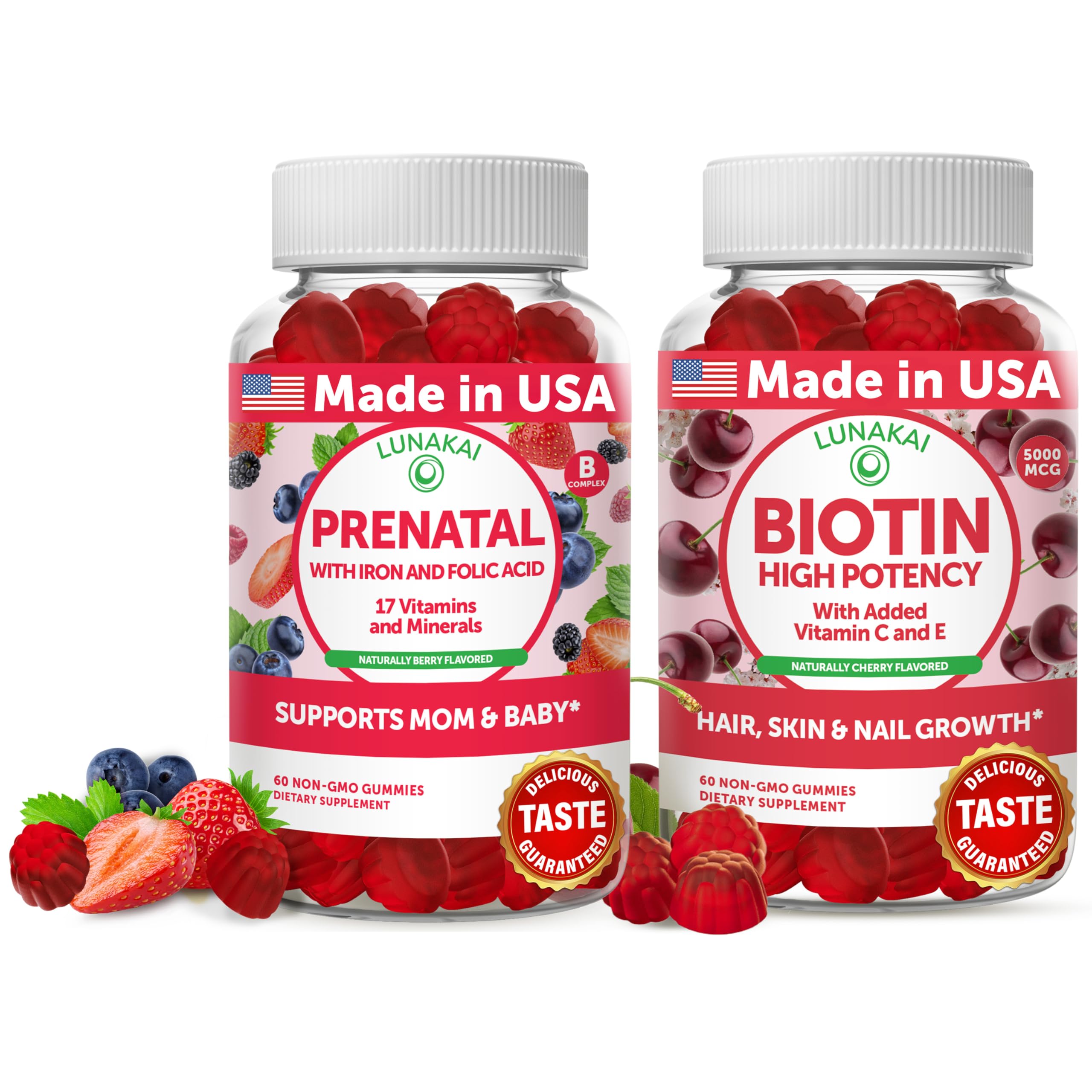
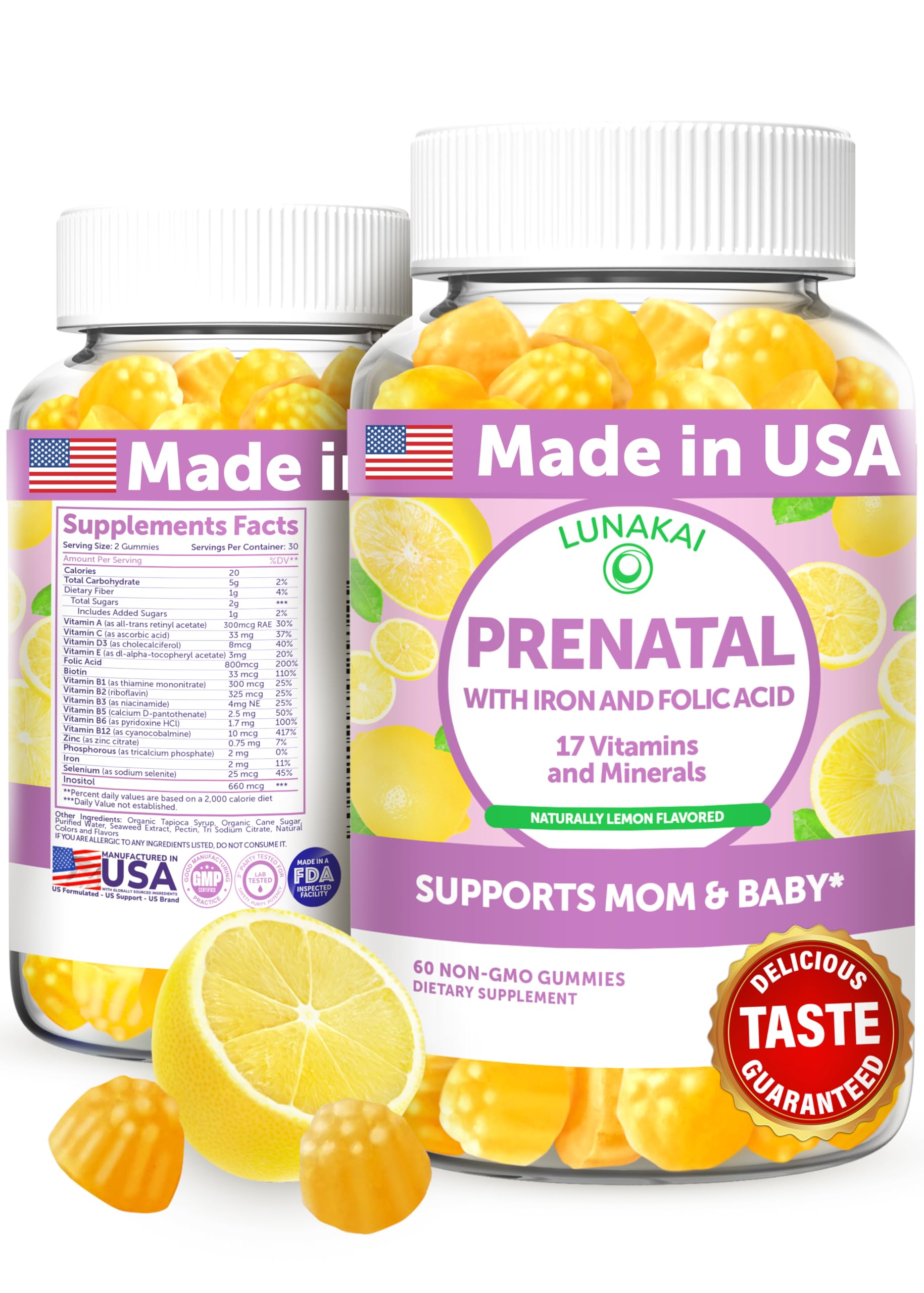
When to Start Taking Prenatal Vitamins: A Complete Guide for Expecting and New Moms
Navigating the journey to motherhood involves countless decisions, but few are as foundational as choosing the right prenatal vitamins. These supplements are not just another item on the checklist; they are a critical pillar of prenatal and postnatal care, designed to fill nutritional gaps and support both maternal and fetal health. For many, the convenience and palatability of prenatal gummies have made this essential task easier. This comprehensive guide explores the optimal timing for starting prenatal vitamins, delves into the key nutrients they provide, and offers practical advice for selecting the right formulation for a healthy pregnancy and postpartum recovery.
Why Prenatal Vitamins Are Non-Negotiable for Pregnancy Health
Even with a perfectly balanced diet, it is challenging to meet the increased nutritional demands of pregnancy and breastfeeding through food alone. Prenatal vitamins are specifically formulated to bridge this gap. They ensure consistent, adequate intake of micronutrients that are vital for fetal development and maternal well-being. The consequences of deficiencies in key nutrients like folic acid and iron can be severe, impacting neural tube development and increasing the risk of maternal anemia.
Prenatal gummies have emerged as a popular alternative to traditional pills, especially for those who experience nausea or have difficulty swallowing capsules. They provide the same essential nutrients in a chewable, often pleasant-tasting form, which can improve adherence—a crucial factor for consistent supplementation.
The Critical Window: When to Start Prenatal Vitamins
The most important question for anyone planning a pregnancy is timing. The consensus among major health organizations is clear: prenatal vitamin supplementation should begin at least one month before conception.
Preconception (At Least 1-3 Months Before Trying to Conceive)
Starting prenatal vitamins before pregnancy is a proactive strategy for optimal health. The first 28 days after conception are a period of rapid development for the embryo, particularly for the neural tube, which forms the brain and spinal cord. This crucial development often occurs before many individuals even realize they are pregnant. By establishing adequate nutrient levels—especially folic acid—prior to conception, the body is prepared to support these earliest stages of life.
- Primary Goal: Build up nutrient stores, particularly folic acid, to prevent neural tube defects like spina bifida and anencephaly.
- Actionable Advice: Individuals who are sexually active and not using contraception, or who are actively trying to conceive, should begin taking a daily prenatal vitamin immediately.
First Trimester (Weeks 1-12)
If pregnancy is confirmed and prenatal vitamins have not yet been started, it is imperative to begin immediately. The first trimester remains the most critical period for organogenesis (the formation of the baby’s organs). Continuing supplementation supports this rapid growth and helps manage common early pregnancy symptoms like fatigue.
- Primary Goal: Support foundational fetal development and maternal adaptation.
- Actionable Advice: Do not delay. Start a prenatal vitamin the same day pregnancy is confirmed, and take it consistently, ideally with a meal to enhance absorption and minimize potential stomach upset.
Second & Third Trimesters (Weeks 13-40)
The need for key nutrients does not diminish as pregnancy progresses. Iron requirements increase significantly to support expanded maternal blood volume and fetal blood cell development. Calcium and vitamin D remain essential for building the baby’s skeletal system.
- Primary Goal: Support continued growth, brain development, and prepare the mother’s body for labor and delivery.
- Actionable Advice: Continue daily prenatal vitamin use. A healthcare provider may recommend additional standalone supplements (like iron) if blood tests indicate a need.
Postpartum and Breastfeeding (The "Fourth Trimester" and Beyond)
The nutritional demands on a mother’s body do not end at delivery. Postnatal recovery, healing, and breastfeeding require sustained high levels of nutrients. Breast milk quality is influenced by maternal diet and nutrient stores. Continuing with a prenatal or switching to a dedicated postnatal gummy can support energy levels, promote tissue repair, and ensure the breastfed infant receives vital nutrients like DHA for brain development.
- Primary Goal: Aid maternal recovery, support lactation, and replenish nutrient stores depleted during pregnancy.
- Actionable Advice: Continue taking prenatal vitamins for as long as breastfeeding continues, or as advised by a healthcare provider. Many find that postnatal gummies formulated with specific lactation-supporting herbs can be a beneficial next step.
Key Nutrients in Prenatal Gummies and Their Roles
Understanding what’s inside a prenatal gummy empowers informed choices. Here are the cornerstone nutrients to look for:
1. Folic Acid (Folate):
- Role: The most well-known prenatal nutrient, it is crucial for preventing neural tube defects. It also supports placental growth and red blood cell formation.
- Recommended Dose: 400-800 micrograms (mcg) daily before conception and during pregnancy.
- Consideration in Gummies: Ensure the dose meets the recommendation. Some gummies may contain methylfolate, the active form, which is beneficial for individuals with a common genetic mutation (MTHFR) that affects folic acid metabolism.
2. DHA (Docosahexaenoic Acid):
- Role: An omega-3 fatty acid essential for the development of the fetal brain, nervous system, and eyes. It also supports maternal mood and cognitive function.
- Recommended Dose: At least 200-300 milligrams (mg) daily.
- Consideration in Gummies: Not all prenatal gummies include DHA. Look for those that do, or be prepared to take a separate DHA supplement. The source (often algal oil) is typically vegetarian-friendly.
3. Iron:
- Role: Prevents iron-deficiency anemia in the mother, which can cause severe fatigue and increase the risk of preterm delivery and low birth weight.
- Recommended Dose: 27 mg daily during pregnancy.
- Consideration in Gummies: Iron can cause gastrointestinal discomfort and is difficult to incorporate into a stable, palatable gummy. Many prenatal gummies do not contain iron due to its taste and potential to cause nausea. It is critical to check the label and discuss iron needs with a provider, who may recommend a separate, gentle iron supplement.
4. Calcium & Vitamin D:
- Role: Work synergistically to build the baby’s bones and teeth. Vitamin D also supports immune function and cell growth.
- Recommended Dose: 1,000 mg Calcium / 600 IU Vitamin D daily.
- Consideration in Gummies: Gummies can contain calcium, but the dose may be lower than the full requirement due to size constraints. Vitamin D is commonly included and aids calcium absorption.
5. Iodine:
- Role: Essential for the production of thyroid hormones, which regulate metabolism and are critical for fetal brain development.
- Recommended Dose: 220 mcg daily during pregnancy.
- Consideration in Gummies: An increasingly recognized essential in prenatal formulas.
6. Choline:
- Role: Supports brain development, neural tube closure, and helps prevent common birth defects. It works alongside folic acid.
- Recommended Dose: 450 mg daily during pregnancy.
- Consideration in Gummies: A newer addition to premium prenatal formulas, reflecting updated scientific understanding.
Prenatal Pills vs. Gummies: A Helpful Comparison
| Feature | Prenatal Gummies | Traditional Prenatal Pills |
|---|---|---|
| Ease of Use | Very easy to chew; no swallowing issues. | Can be large and difficult to swallow for some. |
| Taste & Nausea | Pleasant flavors; often better tolerated during morning sickness. | May have a vitamin taste or odor that can trigger nausea. |
| Iron Content | Rarely included due to taste and GI side effects. | Almost always included in full recommended dose. |
| Key Nutrients | Contain most essentials (Folate, DHA, D, etc.). May lack Iron, Calcium in full dose. | Typically comprehensive, including Iron and higher-dose Calcium. |
| Sugar Content | Contain some sugar for palatability. | Usually sugar-free. |
| Adherence | High, due to taste and ease. | Can be lower if pills cause discomfort or nausea. |
| Best For | Those with nausea, pill-swallowing difficulty, or who need a gentle start. | Those who need a complete all-in-one formula with iron. |
Choosing the Best Prenatal Gummies: What to Look For
Selecting a high-quality prenatal gummy involves more than just taste. Here are the criteria for evaluation:
- Third-Party Certification: Look for seals from organizations like USP, NSF, or ConsumerLab.com. This verifies that the product contains what the label says, in the amounts stated, and is free from harmful contaminants.
- Comprehensive Nutrient Profile: Ensure it contains at least 400 mcg of Folic Acid (or Methylfolate), DHA, Iodine, Vitamin D, and Vitamin B12. Check for Choline as a bonus.
- Transparent Labeling: The source of ingredients (e.g., algal DHA, pectin for gelling) should be clear. Avoid proprietary blends that hide individual nutrient amounts.
- Healthcare Provider Approval: Always discuss your choice with an obstetrician, midwife, or family doctor. They can review the formula against your personal health history (e.g., prior pregnancies, dietary restrictions, blood work).
- Postnatal Option: Consider whether the brand offers a postnatal gummy variant. These are often tailored with nutrients like higher B-vitamins for energy and specific herbs for lactation support, providing a seamless transition after delivery.
Potential Considerations and Side Effects
While prenatal gummies are generally well-tolerated, it’s important to be aware of potential considerations:
- Iron Deficiency: Since most gummies lack iron, regular blood work to monitor iron levels is essential. A separate iron supplement may be necessary.
- Sugar and Additives: Gummies contain sugar for taste. Checking the type (e.g., organic cane sugar) and amount is wise, especially for those with gestational diabetes. Some may also contain food colorings.
- Overconsumption Risk: Their candy-like appearance can be appealing to children. They must be stored securely out of reach. For adults, it is vital to follow the recommended dosage, as fat-soluble vitamins (A, D, E, K) can accumulate to toxic levels if taken in excess.
- Gastrointestinal Effects: Even without iron, some individuals may experience mild nausea or digestive discomfort. Taking gummies with a meal often mitigates this.
Frequently Asked Questions (FAQ)
Q: Can I just take regular women's multivitamin gummies instead of prenatal gummies? A: It is not recommended. Prenatal vitamins are specifically dosed for the unique and increased demands of pregnancy and lactation, particularly for nutrients like folic acid and iron. A regular multivitamin will not provide adequate amounts.
Q: I'm already pregnant and didn't take prenatals. Is it too late to start? A: It is never too late to start. Begin taking a prenatal vitamin immediately upon confirmation of pregnancy. The nutrients will support the remainder of your pregnancy and your own health.
Q: Do prenatal gummies cause constipation like some pill forms? A: Since most prenatal gummies do not contain iron (the primary culprit for constipation), they are less likely to cause this issue. However, any change in diet or supplementation can affect digestion for some individuals.
Q: How long should I take postnatal gummies after giving birth? A: If you are breastfeeding, it is generally advised to continue taking prenatal or postnatal vitamins for the entire duration of lactation. If not breastfeeding, a healthcare provider may recommend continuing for 3-6 months to help replenish maternal nutrient stores.
Q: Are there any risks to taking prenatal vitamins if I'm not pregnant? A: For most people, taking a prenatal vitamin when not pregnant or breastfeeding is not harmful but is also not necessary. The high iron content in some pills can be problematic for individuals who do not need it. It's best to choose a supplement tailored to your current life stage.
Q: What should I do if the gummies make me nauseous? A: Try taking them with your largest meal or right before bed. If nausea persists, discuss alternatives with your provider, such as trying a different brand with simpler ingredients or temporarily switching to a pill form to see if it makes a difference.
Final Thoughts and Recommendations
The decision of when to start taking prenatal vitamins is one of the simplest yet most impactful steps in preparing for a healthy pregnancy. Beginning at least one month before conception provides the ideal foundation. For those who find pills challenging, prenatal gummies offer an effective and palatable solution, though careful label reading is required to ensure comprehensive nutritional coverage, particularly regarding iron.
The journey through pregnancy, postpartum recovery, and breastfeeding is a marathon, not a sprint. Consistent, high-quality nutritional support from a trusted prenatal gummy can provide peace of mind, knowing that both mother and baby are receiving the fundamental building blocks for health. Always partner with a healthcare provider to tailor supplement choices to individual needs, ensuring the best possible outcomes for this remarkable chapter of life.
Affiliate Disclosure
Gummy.mom may earn a commission from purchases made through links on this page. This helps support our research and content creation. We only recommend products we genuinely believe in and have thoroughly researched.