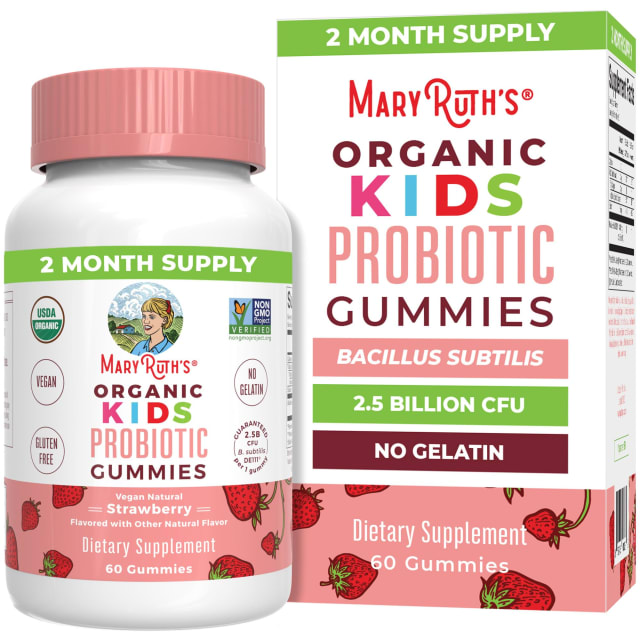
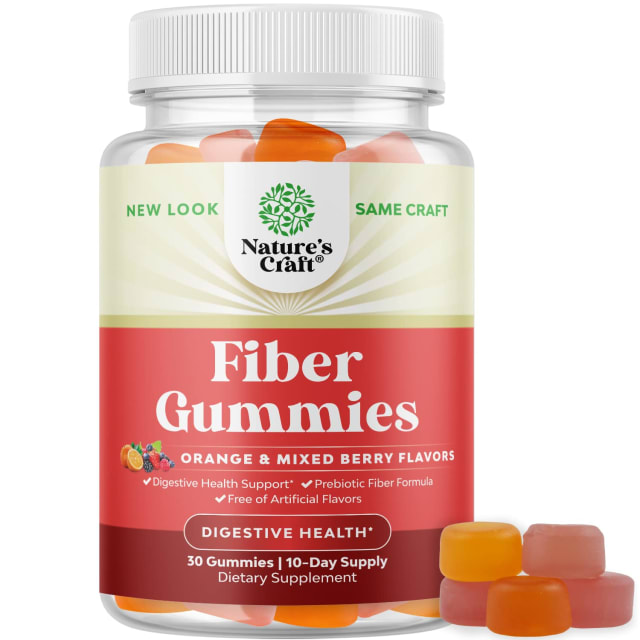
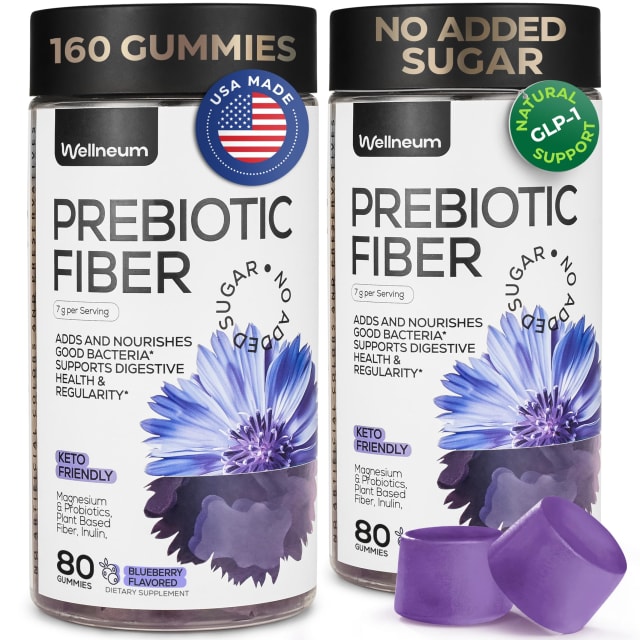
The Ultimate Guide to the Best Probiotic Gummies for Gut Health and Beyond
In the bustling world of dietary supplements, probiotic gummies have carved out a sweet spot, offering a delicious and convenient path to better digestive wellness. Moving beyond traditional capsules and powders, these chewable supplements have made supporting the gut microbiome accessible and enjoyable. But with a crowded market, how does one identify the best probiotic gummies? This comprehensive guide cuts through the noise, providing the knowledge needed to make an informed choice for gut health, immune support, and overall well-being.
What Are Probiotic Gummies and How Do They Work?
Probiotic gummies are chewable dietary supplements that contain live, beneficial bacteria (probiotics) and sometimes prebiotic fibers, all delivered in a palatable gummy format. Their primary goal is to supplement the gut microbiome—the vast community of trillions of microorganisms living in the digestive tract.
The core mechanism is straightforward: they introduce specific, researched strains of good bacteria into the digestive system. These microbes then take up residence, helping to balance the gut flora by crowding out harmful bacteria, supporting the intestinal lining, and modulating the immune system, which is largely housed in the gut. The inclusion of prebiotics (non-digestible fibers) in some formulas acts as food for these probiotics, helping them thrive and multiply.
Key Benefits of Taking Probiotic Gummies
The advantages of a balanced gut microbiome extend far beyond the stomach. Here are the key benefits linked to consistent probiotic supplementation:
- Digestive Balance & Bloating Relief: This is the most recognized benefit. Probiotics help break down food, aid digestion, and can reduce symptoms of occasional gas, bloating, and abdominal discomfort by promoting a more balanced microbial environment.
- Robust Immune Support: An estimated 70-80% of immune cells reside in the gut. A healthy microbiome trains and supports the immune system, helping the body mount an appropriate response to challenges.
- Enhanced Nutrient Absorption: A well-functioning gut flora improves the breakdown of food and facilitates the absorption of essential vitamins and minerals, such as B vitamins, calcium, and iron.
- Support for Gut-Brain Axis: Emerging research highlights the gut-brain connection. A balanced microbiome may positively influence mood and stress response through this bidirectional communication pathway.
- Convenience and Compliance: The pleasant taste and easy, no-water-needed format of gummies significantly improve adherence, making it easier to maintain a daily routine compared to pills.
Critical Evaluation Criteria: What to Look For
Not all probiotic gummies are created equal. When evaluating options, these factors are paramount:
1. Strain Specificity and Diversity
Look for products that list the full genus, species, and strain of each probiotic (e.g., Lactobacillus acidophilus LA-5). Different strains have different functions. A quality product will include strains with clinical research backing their stated benefits, such as Lactobacillus and Bifidobacterium species for general gut health.
2. CFU Count (Colony Forming Units)
The CFU count indicates the number of viable bacteria in a serving. While more isn't always better, an effective range for daily maintenance is typically between 1-10 billion CFU. Higher counts (e.g., 50-100 billion CFU) are often found in capsules for specific therapeutic uses but may be less stable in a gummy format. The key is guaranteed potency at expiration, not just at manufacture.
3. Inclusion of Prebiotics
A symbiotic formula that includes prebiotics like chicory root fiber (inulin) or fructooligosaccharides (FOS) provides fuel for the probiotics, potentially enhancing their survival and efficacy.
4. Sugar Content and Ingredients
Since gummies are a sweet format, scrutinize the sugar source and amount. Opt for gummies sweetened with natural sources like organic cane sugar, tapioca syrup, or stevia, and aim for the lowest sugar content possible (often 1-3 grams per serving). Avoid high-fructose corn syrup and excessive artificial sweeteners.
5. Third-Party Testing and Quality Assurance
Reputable brands invest in third-party testing to verify purity, potency, and the absence of contaminants like heavy metals or harmful microbes. Certifications from organizations like NSF International or USP (United States Pharmacopeia) add a significant layer of trust.
6. Allergen Information and Dietary Suitability
Many gummies are gelatin-based (derived from animals), but pectin-based gummies are a popular vegan alternative. Check labels for common allergens like gluten, soy, dairy, and nuts if you have sensitivities.
Comparison of Common Probiotic Gummy Features
The table below outlines general features to help compare different product categories. (Note: Specific brand names are omitted per guidelines).
| Feature | High-Quality Standard | Gummies with Prebiotics | Specialty / High-CFU | Kid-Friendly Formulas |
|---|---|---|---|---|
| Typical CFU Range | 2-5 Billion | 3-10 Billion | 5-20 Billion | 1-3 Billion |
| Key Strains | L. acidophilus, L. rhamnosus, B. lactis | Above strains + Prebiotic fiber | Targeted strains like L. plantarum, B. longum | Strains studied for children's health |
| Primary Benefit | General digestive balance | Enhanced probiotic survival & gut nourishment | Addressing specific concerns like bloating | Supporting developing immune & digestive systems |
| Common Add-ins | Often basic, focused on probiotics | Inulin, FOS (prebiotics) | May include digestive enzymes | Vitamins (C, D), fun flavors |
| Sugar Content | Low to moderate | Varies, often moderate | Often lower | Can be higher for palatability |
How to Choose the Best Probiotic Gummy for Your Needs
Selecting the right product involves aligning a supplement's profile with individual health goals.
- For General Gut Health & Digestive Balance: Start with a moderate CFU count (2-5 billion) containing well-researched strains like Lactobacillus acidophilus and Bifidobacterium lactis. A formula with added prebiotics is an excellent choice for foundational support.
- For Immune Support: Look for strains specifically linked to immune function, such as Lactobacillus rhamnosus GG and Bifidobacterium animalis subsp. lactis BB-12. Consistency is more critical than an ultra-high CFU count here.
- For Occasional Bloating and Discomfort: Strains like Lactobacillus plantarum and Bifidobacterium infantis have been studied for their role in reducing gas and bloating. A slightly higher CFU count (5-10 billion) may be beneficial.
- For Children: Always choose a formula specifically designed for kids, with strains and CFU counts appropriate for their age and weight. Palatability is key for adherence.
Practical Advice: Dosing, Timing, and Storage
Dosing: Always follow the manufacturer's recommended serving size, typically one or two gummies per day. More CFUs is not necessarily better and can sometimes lead to initial digestive upset.
Timing: Consistency is far more important than the specific time of day. Taking them with or without food is generally acceptable, though some evidence suggests taking them with a meal (especially one containing a little fat) may improve survival through stomach acid. The best time is the one you will remember consistently—with breakfast or dinner is a common, easy routine.
Storage: Despite common belief, not all probiotics require refrigeration. Many gummies are shelf-stable due to their formulation and packaging. However, always read and follow the storage instructions on the label. Heat, moisture, and light are the enemies of probiotic stability, so store them in a cool, dry place away from direct sunlight, even if they are shelf-stable.
Important Considerations and Potential Side Effects
Probiotic gummies are generally safe for most healthy individuals but are not without considerations.
- Initial Adjustment Period: Some people may experience mild gas, bloating, or changes in bowel habits for the first few days as their gut microbiome adjusts. This typically subsides.
- Sugar and Calorie Content: Those monitoring sugar intake or managing conditions like diabetes should carefully check the label. The sugar content, while usually small, is a factor.
- Underlying Health Conditions: Individuals with compromised immune systems, critical illness, or those about to undergo surgery should consult a healthcare professional before starting any probiotic.
- Not a Substitute for a Healthy Diet: Probiotics are supplements, not replacements. They work best in conjunction with a diet rich in fiber from fruits, vegetables, and whole grains, which naturally feed a healthy microbiome.
- Shelf Life and Potency: The live nature of probiotics means they have a finite shelf life. Do not use them past the expiration date, as the CFU count will have dropped significantly.
Frequently Asked Questions (FAQ)
Q: Are probiotic gummies as effective as capsules or powders? A: They can be equally effective if formulated properly. The key factors are the quality of the bacterial strains, the guaranteed CFU count at expiration, and proper packaging to ensure viability. The advantage of gummies is improved adherence due to taste and convenience.
Q: How long does it take to feel the effects of probiotic gummies? A: This varies by individual and their gut health starting point. Some notice improvements in digestion within a few days to a week. For systemic benefits like immune support, it may take several weeks of consistent use to observe noticeable effects.
Q: Can I take probiotic gummies every day? A: Yes, daily use is recommended for maintaining a balanced gut microbiome. The beneficial bacteria are transient, meaning they don't permanently colonize the gut and need to be replenished regularly.
Q: Do I need to take a probiotic if I eat yogurt? A: Fermented foods like yogurt are excellent sources of natural probiotics and should be part of a gut-healthy diet. However, a supplement provides a standardized, concentrated dose of specific strains that may be difficult to consume through food alone. They can be used complementarily.
Q: Can children take adult probiotic gummies? A: It is not recommended. Children's formulas are specifically dosed for their body weight and often contain strains researched for pediatric health. Always choose a product designed for your child's age group and consult a pediatrician if unsure.
Q: What's the difference between probiotics and prebiotics? A: Probiotics are the live beneficial bacteria themselves. Prebiotics are specialized plant fibers that act as food for these good bacteria, helping them grow and thrive in the gut. Many high-quality gummies combine both, making them "synbiotic."
Making Your Final Choice
Finding the best probiotic gummies is a personal journey that hinges on individual health goals, dietary preferences, and a careful review of labels. By prioritizing strain specificity, a guaranteed CFU count, low sugar content, and third-party testing, consumers can navigate the market with confidence.
The ultimate goal is to find a high-quality, evidence-backed product that fits seamlessly into a daily routine, supporting the intricate ecosystem of the gut for improved digestion, stronger immunity, and foundational health. Remember, the best supplement is the one you will take consistently, and for many, the enjoyable experience of a probiotic gummy makes that consistency easy to achieve.
Affiliate Disclosure
Gummy.mom may earn a commission from purchases made through links on this page. This helps support our research and content creation. We only recommend products we genuinely believe in and have thoroughly researched.