The Ultimate Guide to Vegan Probiotic Gummies: Your Path to Better Gut Health
For those seeking to support their digestive wellness through a convenient, enjoyable, and animal-friendly supplement, vegan probiotic gummies have become a popular choice. Moving beyond traditional capsules and powders, these chewable supplements offer a tasty way to introduce beneficial bacteria into your daily routine. This comprehensive guide will explore everything you need to know about vegan probiotic gummies, from how they work and their key benefits to how to choose the best product for your individual health goals.
What Are Vegan Probiotic Gummies?
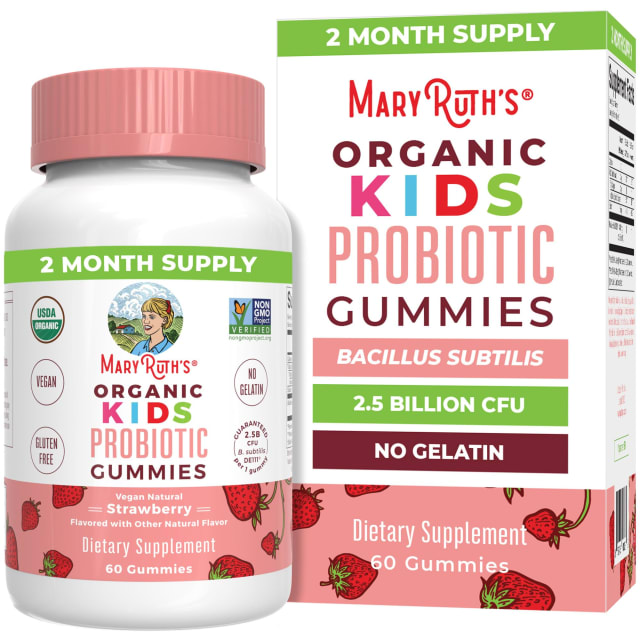
Vegan probiotic gummies are chewable dietary supplements designed to deliver live, beneficial microorganisms (probiotics) to the digestive system. Unlike some gummy vitamins that use gelatin—a protein derived from animal collagen—vegan gummies utilize plant-based gelling agents like pectin (from fruit) or agar-agar (from seaweed). This makes them suitable for those following vegan, vegetarian, or plant-based lifestyles, as well as individuals avoiding animal products for religious or dietary reasons.
The core function of these gummies is to help replenish and balance the gut microbiome, the vast community of trillions of bacteria living in the intestines. A balanced microbiome is foundational to numerous aspects of health, extending far beyond simple digestion.
How Do Probiotic Gummies Work?
The journey of a probiotic gummy begins in the mouth and ends in the intestines, where it exerts its primary effects. After chewing and swallowing, the gummy dissolves in the stomach. The probiotic strains, which are carefully selected for their resilience, must then survive the acidic environment of the stomach to reach the small and large intestines alive. Once there, these beneficial bacteria can colonize and interact with the existing gut flora.
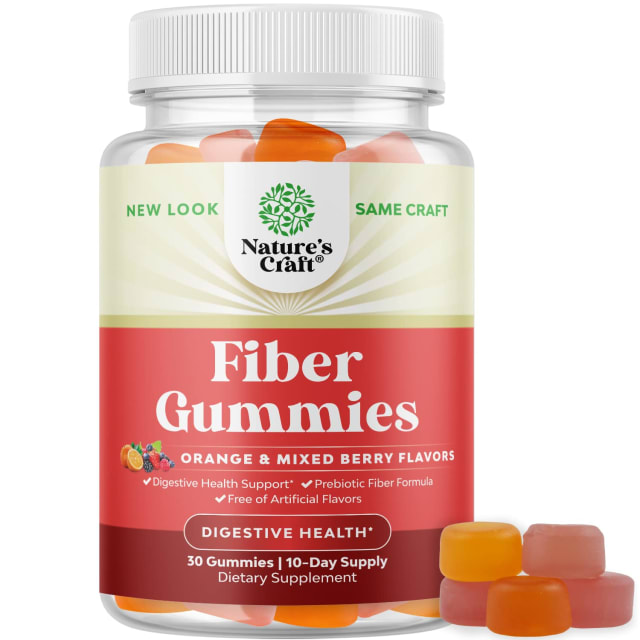
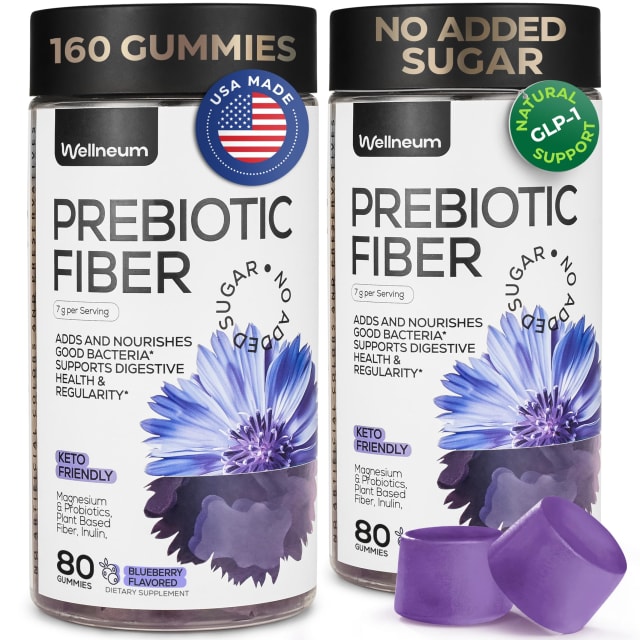
Many high-quality vegan probiotic gummies also include prebiotics. Prebiotics are non-digestible fibers (like inulin or fructooligosaccharides) that act as food for the probiotics, helping them thrive and multiply. This combination is often called a synbiotic, creating a more effective formula for promoting digestive balance.
The potency of probiotics is measured in CFU, or Colony Forming Units. This number indicates the amount of live and active microorganisms in a serving. It’s crucial to note that a higher CFU count isn’t always better; strain specificity, survivability, and individual needs are more important factors.
Key Benefits of Vegan Probiotic Gummies
Incorporating a vegan probiotic supplement into a daily routine can offer a range of science-backed benefits.
1. Supporting Digestive Balance and Bloating Relief
One of the most sought-after effects is the promotion of a balanced digestive environment. Probiotics can help manage occasional bloating, gas, and abdominal discomfort by crowding out less helpful bacteria and aiding in the efficient breakdown of food. They support the gut's natural rhythm, contributing to more regular bowel movements and overall digestive comfort.
2. Boosting Immune System Function
A significant portion of the body’s immune system resides in the gut. A healthy, diverse microbiome acts as a first line of defense, training immune cells and helping them respond appropriately to pathogens. By supporting gut health, probiotic gummies can contribute to a stronger, more resilient immune response.
3. Enhancing Nutrient Absorption
A well-functioning digestive system is better equipped to break down food and absorb vital vitamins and minerals. Probiotics can enhance the bioavailability of nutrients like B vitamins, magnesium, and iron, ensuring the body gets the most from the food consumed.
4. Promoting Overall Gut Health
The benefits of a balanced microbiome are systemic. Research suggests a strong connection between gut health and other areas of wellness, including mood, skin health, and energy levels. While probiotics are not a cure-all, they are a key tool in supporting the foundation of overall well-being.
What to Look for When Choosing Vegan Probiotic Gummies
With numerous options on the market, selecting the right product requires careful consideration. Here are the essential evaluation criteria:
- Strain Diversity and Specificity: Look for gummies that list the specific strains of bacteria (e.g., Lactobacillus acidophilus, Bifidobacterium lactis), not just the general species. Different strains have different researched benefits. A blend of 3-6 well-studied strains is often more beneficial than a single strain.
- CFU Count at Expiration: The most important CFU number is the amount guaranteed at the time of expiration, not at manufacturing. A count between 1-10 billion CFU per serving is typically sufficient for daily maintenance, as higher counts must be exceptionally robust to survive stomach acid.
- Inclusion of Prebiotics: A formula that includes prebiotic fiber creates a synbiotic, providing nourishment for the probiotics and enhancing their effectiveness.
- Third-Party Testing and Transparency: Reputable brands will have their products tested by independent labs for purity, potency, and to verify the absence of contaminants. Certifications like USDA Organic, Non-GMO Project Verified, or gluten-free can indicate higher quality standards.
- Sugar Content and Sweeteners: Since gummies require sweetening, examine the sugar source and amount. Opt for gummies sweetened with organic cane sugar, fruit juices, or low-glycemic options like stevia or monk fruit, and aim for 2-4 grams of sugar or less per serving.
- Other Ingredients: Review the full ingredient list. High-quality gummies will use natural colors and flavors (from fruits and vegetables) and avoid artificial preservatives, allergens, or unnecessary fillers.
Vegan Probiotic Gummies: A Comparison of Common Features
The following table outlines typical features across different tiers of vegan probiotic gummies to aid in comparison.
| Feature | Basic Tier | Mid-Range Tier | Premium Tier |
|---|---|---|---|
| CFU Count (at expiry) | 1-3 Billion | 3-5 Billion | 5-10+ Billion |
| Strain Diversity | 1-2 generic strains | 3-5 specific, named strains | 5+ clinically studied, targeted strains |
| Prebiotics Included | Often not included | Commonly included (e.g., inulin) | Included, often with multiple prebiotic fibers |
| Sugar per Serving | May be higher (4-6g+) | Moderate (2-4g), better sources | Low (1-3g), from organic or fruit sources |
| Third-Party Testing | Rarely | Sometimes | Almost always, with certificates of analysis |
| Other Certifications | Few | Some (e.g., Non-GMO) | Multiple (e.g., Organic, Vegan Certified, Gluten-Free) |
Practical Advice: Dosing, Timing, and Storage
To get the most from vegan probiotic gummies, follow these actionable tips.
- Dosing: Always follow the manufacturer's serving suggestion on the label, which is typically 1-2 gummies per day. Consistency is far more important than taking a megadose occasionally.
- Timing: While they can be taken at any time, many experts suggest taking probiotics with or just before a meal. The presence of food can help buffer stomach acid, improving the survival rate of the bacteria as they pass through the stomach.
- Storage: Probiotics are live cultures sensitive to heat, moisture, and light. Most gummies should be stored in a cool, dry place. While some are shelf-stable, others may recommend refrigeration after opening to maximize potency and shelf-life—always check the label.
- Duration: Probiotics are not a permanent fix; they are a daily supplement. Benefits are typically noticed with consistent use over several weeks. It can be helpful to take them for at least 2-3 months to assess their effect on your digestive system.
Potential Considerations and Side Effects
For most people, vegan probiotic gummies are well-tolerated and safe. However, there are a few considerations.
- Initial Adjustment Period: When first starting a probiotic, some individuals may experience temporary gas or bloating as the gut microbiome adjusts. This usually subsides within a few days to a week. Starting with a half dose and gradually increasing can mitigate this.
- Underlying Health Conditions: Individuals with severe immune system compromise or serious underlying health conditions should consult a healthcare provider before starting any new supplement, including probiotics.
- Sugar and Additives: Those monitoring sugar intake or with sensitivities to specific fibers (like inulin) should scrutinize ingredient lists carefully.
- Not a Substitute for a Healthy Diet: Probiotic gummies are a supplement to, not a replacement for, a diet rich in whole plant foods, fiber, and fermented foods like sauerkraut, kimchi, and tempeh.
Frequently Asked Questions (FAQ)
Q: Are vegan probiotic gummies as effective as capsules or powders? A: Yes, when formulated correctly. The key factors for effectiveness are the survivability of the strains through stomach acid and their potency at expiration. A well-made gummy with resilient, clinically studied strains can be just as effective as other forms. The gummy format may improve adherence for those who dislike swallowing pills.
Q: Can children take vegan probiotic gummies? A: Some formulas are specifically designed for children, with appropriate strains and lower CFU counts. It is essential to choose a product labeled for pediatric use and to consult with a pediatrician, especially for very young children.
Q: How long does it take to feel the benefits? A: This varies by individual and the reason for taking them. Some notice improvements in bloating relief and regularity within a few days to a week. For more systemic benefits related to immune or skin health, it may take consistent use for 4-8 weeks to observe noticeable changes.
Q: Do I need to take probiotics forever? A: The beneficial effects of probiotics are generally maintained only as long as you are taking them. For ongoing support of gut health, consistent daily use is recommended. However, one can certainly take breaks, and focusing on a prebiotic-rich diet helps nourish the body's native bacteria long-term.
Q: Can I take probiotic gummies with antibiotics? A: This is a common practice to help maintain gut flora during antibiotic treatment, which can wipe out both good and bad bacteria. It is crucial to space the doses apart—take the probiotic at least 2-3 hours before or after the antibiotic dose. Always inform your doctor about any supplements you are taking.
Q: What’s the difference between “vegan” and “vegetarian” probiotic gummies? A: The distinction usually lies in the gelling agent. Vegan gummies strictly use plant-based pectin or agar. Vegetarian gummies might still use non-vegan ingredients like beeswax (for coating) or vitamin D3 derived from lanolin (sheep’s wool). Those adhering to a vegan lifestyle should look for products explicitly certified "Vegan."
Making an Informed Choice
Selecting the right vegan probiotic gummy is a personal decision that hinges on individual health goals, dietary restrictions, and quality preferences. By prioritizing specific strains, adequate CFU counts at expiration, third-party testing, and clean ingredients, consumers can find a high-quality supplement that aligns with their values and wellness journey.
Remember, the goal is to support the complex ecosystem within the gut. A thoughtful approach to supplementation, combined with a fiber-rich diet, adequate hydration, and stress management, creates the optimal environment for lasting digestive balance and overall health.
Affiliate Disclosure
Gummy.mom may earn a commission from purchases made through links on this page. This helps support our research and content creation. We only recommend products we genuinely believe in and have thoroughly researched.