Probiotic Gummies with Prebiotic: Your Complete Guide to a Healthier Gut
In the bustling world of dietary supplements, a sweet and convenient trend has taken center stage: probiotic gummies with prebiotic. Combining the power of beneficial bacteria with the fuel they need to thrive, these chewable supplements promise to support digestive harmony and overall wellness in a tasty, user-friendly format. For anyone navigating the crowded shelf of gut health products, understanding what makes these gummies effective is key to making an informed choice. This comprehensive guide delves into the science, benefits, and practical considerations of choosing a high-quality probiotic gummy with prebiotic.
What Are Probiotic Gummies with Prebiotic?
To appreciate the value of these supplements, it’s essential to break down their two core components: probiotics and prebiotics.
Probiotics are live microorganisms, often called "good" or "friendly" bacteria, that confer a health benefit when consumed in adequate amounts. They are similar to the beneficial microbes naturally residing in the human gut. In gummy form, these bacteria are carefully selected, cultured, and stabilized to survive the manufacturing process and, ideally, the journey to your intestines.
Prebiotics are a type of non-digestible fiber that act as food for probiotics. Think of them as fertilizer for a garden. Common prebiotics include inulin (often from chicory root), fructooligosaccharides (FOS), and galactooligosaccharides (GOS). By including a prebiotic in the formula, the supplement aims to help the ingested probiotics establish themselves and multiply, potentially enhancing their efficacy.
A probiotic gummy with prebiotic is therefore a symbiotic supplement—a synergistic combination designed to deliver both the beneficial bacteria and the specific nutrients they need to flourish in the digestive tract.
The Science Behind Gut Health: Why the Combo Matters
The human gut microbiome is a complex ecosystem of trillions of microorganisms. Its balance is crucial for more than just digestion; it influences immune function, mental well-being, skin health, and more. Modern diets, stress, antibiotics, and environmental factors can disrupt this delicate balance.
This is where probiotic and prebiotic supplementation can play a supportive role. Probiotics help by directly introducing beneficial strains to the gut. However, without proper sustenance, their survival rate can be low. Prebiotics provide that sustenance, selectively nourishing the good bacteria (both the ones ingested and those already present) over harmful ones. Research suggests that symbiotic combinations (probiotics + prebiotics) can be more effective than either component alone for certain health outcomes, such as improving gut transit time and modulating the immune system.
Key Benefits of Probiotic Gummies with Prebiotic
The combination of probiotics and prebiotics in a gummy format offers a range of potential benefits that contribute to overall health.
1. Enhanced Digestive Balance and Bloating Relief
A primary reason people turn to probiotics is for digestive support. The beneficial bacteria help break down food, produce essential enzymes, and maintain a healthy intestinal environment. This can lead to more regular bowel movements and a significant reduction in occasional bloating, gas, and discomfort, especially when the prebiotic fiber helps regulate gut motility.
2. Robust Immune System Support
A substantial portion of the body's immune system is housed in the gut. A balanced microbiome helps regulate immune responses, teaching immune cells to distinguish between harmless substances and genuine threats. Probiotics can support the gut's barrier function and stimulate the production of protective substances, while prebiotics help maintain a population of bacteria that positively interacts with immune cells.
3. Improved Nutrient Absorption
A well-functioning digestive system is better equipped to extract vitamins and minerals from food. Probiotics can aid in the synthesis of certain B vitamins and vitamin K, and improve the bioavailability of nutrients like calcium, iron, and magnesium. Efficient digestion, supported by a healthy microbiome, ensures the body gets the most from the diet.
4. Convenience and Compliance
The gummy format addresses common barriers to supplement use. They are easy to take, require no water, and have a pleasant taste, making them an excellent option for those who dislike swallowing pills. This can significantly improve adherence to a daily regimen, which is critical for experiencing the long-term benefits of probiotic supplementation.
5. Support for a Diverse Microbiome
Different probiotic strains have different specialties. A quality gummy will contain a blend of strains (a multi-strain probiotic), which may colonize different parts of the gut and perform varied functions. The added prebiotic supports this entire community, promoting microbial diversity, which is a key marker of a resilient gut ecosystem.
What to Look for When Choosing a Probiotic Gummy
Not all probiotic gummies are created equal. Here are the essential criteria to evaluate when selecting a product.
1. CFU Count at Expiry, Not Manufacture
CFU (Colony Forming Units) indicates the number of viable bacteria in a dose. A critical detail is whether the label guarantees the CFU count at the time of expiry. Probiotics are live organisms and their numbers can diminish over time. A product guaranteeing 5 billion CFU at expiry is more reliable than one stating 10 billion at manufacture but with no stability guarantee.
2. Identified Strains with Research Backing
Look for products that list the full genus, species, and strain of each probiotic (e.g., Lactobacillus acidophilus LA-5). Strain specificity matters, as different strains have different researched benefits. Common, well-studied strains include Lactobacillus and Bifidobacterium species. Avoid products that only list "proprietary blend" without disclosing strains.
3. The Presence and Type of Prebiotic
The label should clearly state which prebiotic is included and its amount. Chicory root inulin and FOS are common and effective. The inclusion of a prebiotic is a sign of a more advanced formulation.
4. Sugar Content and Other Ingredients
Since gummies are inherently sweetened, it's important to check the sugar source and amount. Look for gummies sweetened with natural sources like organic cane sugar, tapioca syrup, or stevia, and aim for the lowest sugar content possible (often 1-3 grams per gummy). Also, review the full ingredient list for unnecessary artificial colors, flavors, or allergens.
5. Storage Requirements
Some probiotics are shelf-stable, while others require refrigeration to maintain potency. Shelf-stable gummies are more convenient, but ensure the manufacturer uses technology (like spore-forming probiotics or advanced stabilization) to ensure viability without cold storage.
6. Third-Party Testing and Transparency
Reputable brands often have their products tested by independent labs for purity, potency (CFU count), and the absence of contaminants. Certifications from organizations like NSF International or USP (United States Pharmacopeia) add a layer of trust.
Comparison of Probiotic Gummy Formulation Factors
| Feature | What to Look For | Why It Matters |
|---|---|---|
| CFU Count | Guaranteed at expiry, not manufacture. A range of 1-10 billion CFU is common for daily maintenance. | Ensures you are getting a potent, effective dose throughout the product's shelf life. |
| Strain Diversity | Multiple, clearly identified strains (e.g., L. acidophilus, B. lactis). A blend of 3-10 strains is typical. | Different strains perform different functions; diversity may support broader gut health benefits. |
| Prebiotic Type | Clearly listed, such as Inulin (from chicory root) or FOS. Amount may be listed in milligrams. | Nourishes the probiotics, enhancing their survival and activity in the gut for a symbiotic effect. |
| Sugar Content | Low sugar (ideally <3g per gummy), from natural sources. Avoid high-fructose corn syrup. | Minimizes empty calories and avoids feeding potentially harmful gut bacteria. |
| Additional Ingredients | Clean list, free from major allergens if needed. May include vitamins (like C or D) for added immune support. | Reduces risk of sensitivities and provides complementary health benefits. |
| Storage | Clearly stated: "Shelf-Stable" or "Refrigerate." | Impacts convenience and ensures the probiotics remain alive and effective until consumption. |
Practical Advice: Dosing, Timing, and Maximizing Benefits
Dosing: Always follow the manufacturer's recommended dosage, which is typically 1-2 gummies per day. More CFUs are not always better; consistency is more important than a single mega-dose.
Timing: While timing isn't absolutely critical, some evidence suggests taking probiotics with or just before a meal (particularly one containing a little fat) can improve survival through stomach acid. The key is to take them consistently at roughly the same time each day to build a routine.
Maximizing Effectiveness:
- Consistency is Key: Probiotics are not a permanent fix; they are a temporary support. Daily intake is necessary to maintain their population in the gut.
- Pair with a Healthy Diet: Supplements work best alongside a diet rich in diverse fibers (fruits, vegetables, legumes), which act as natural prebiotics.
- Be Patient: It can take 2-4 weeks of consistent use to notice changes in digestive comfort. Immune and other systemic benefits may take longer.
- Store Properly: Adhere to the storage instructions. Even shelf-stable products should be kept in a cool, dry place away from direct sunlight and humidity.
Important Considerations and Potential Side Effects
Probiotic gummies with prebiotic are generally safe for most healthy adults, but there are considerations.
Initial Side Effects: When first starting, some people may experience mild gas, bloating, or changes in bowel habits as the gut microbiome adjusts. This usually subsides within a few days to a week. Starting with a half dose and gradually increasing can help mitigate this.
Prebiotic Sensitivity: The prebiotic fiber, while beneficial, can cause gas or bloating in individuals with sensitive guts or conditions like Irritable Bowel Syndrome (IBS). Those with IBS may need to seek a probiotic without prebiotics (or with a prebiotic like GOS, which some tolerate better) or start very slowly.
Sugar and Dental Health: As a gummy, they can stick to teeth. It's advisable to chew them and then drink some water or, ideally, brush teeth afterwards to prevent potential cavities.
Special Populations: Individuals with severe immune compromise, those about to undergo surgery, or critically ill patients should consult a doctor before taking any probiotic. Pregnant or breastfeeding women should also seek medical advice, though many probiotics are considered safe.
Frequently Asked Questions (FAQ)
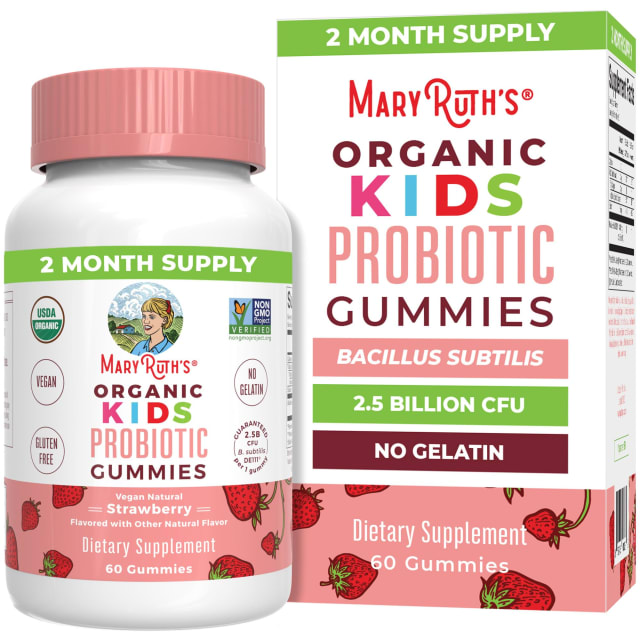
1. Can children take probiotic gummies with prebiotic? Many brands offer formulations specifically designed for children, with age-appropriate strains and CFU counts. It is crucial to choose a product labeled for children and to consult with a pediatrician beforehand, especially for infants or toddlers.
2. How long does it take to work? For digestive issues like bloating or irregularity, some people notice improvements within a few days. For more systemic benefits like immune support or sustained digestive balance, it typically requires consistent use for 3-4 weeks or longer.
3. Can I take these with antibiotics? Probiotics are often recommended during and after a course of antibiotics to help replenish beneficial bacteria. However, it is vital to space them apart. Take the antibiotic and the probiotic at least 2-3 hours apart to prevent the antibiotic from killing the probiotic bacteria immediately. Always inform your prescribing doctor.
4. Do I need to refrigerate my probiotic gummies? Only if the label explicitly states "Refrigerate." Many modern probiotic gummies are manufactured to be shelf-stable. Always follow the storage instructions on the product you purchase to ensure potency.
5. Are there any ingredients I should avoid? Individuals with specific dietary restrictions should check for allergens like gelatin (not vegan/vegetarian), gluten, soy, or dairy. Those seeking to limit sugar should scrutinize the sugar content and source. Artificial colors and flavors are also avoided by many consumers seeking a cleaner product.
6. Can I get probiotics and prebiotics from food instead? Absolutely. Probiotics are found in fermented foods like yogurt, kefir, sauerkraut, kimchi, and kombucha. Prebiotics are found in foods like garlic, onions, leeks, asparagus, bananas, and oats. Supplements like gummies offer a convenient, standardized, and targeted way to ensure a consistent daily intake, especially for those who don't regularly consume these foods.
Making an Informed Choice for Your Gut Health
Probiotic gummies with prebiotic represent a significant advancement in making gut health support accessible, enjoyable, and potentially more effective. By choosing a product with a research-backed strain blend, a guaranteed CFU count at expiry, a complementary prebiotic, and minimal added sugar, consumers can confidently add this tool to their wellness regimen.
The journey to better gut health is a marathon, not a sprint. It combines smart supplementation with a fiber-rich diet, adequate hydration, stress management, and good sleep. Probiotic gummies with prebiotic can be a valuable and pleasant first step—or a consistent companion—on that path toward digestive balance and overall well-being.
Affiliate Disclosure
Gummy.mom may earn a commission from purchases made through links on this page. This helps support our research and content creation. We only recommend products we genuinely believe in and have thoroughly researched.