Probiotic Gummies for Gut Health: A Complete Guide to Digestive Balance and Immune Support
In the quest for better health, the gut has taken center stage. More than just a digestive organ, it's now understood as a complex ecosystem crucial to overall well-being. For those seeking a convenient and enjoyable way to support this internal world, probiotic gummies have surged in popularity. This comprehensive guide delves into the science, benefits, and practical considerations of using probiotic gummies for gut health, providing the actionable information needed to make an informed choice.
Understanding the Gut Microbiome: Your Body's Internal Ecosystem
Before exploring the solution, it's essential to understand the problem—or rather, the ecosystem. The gut microbiome is a vast community of trillions of microorganisms, including bacteria, viruses, and fungi, residing primarily in the large intestine. This isn't a passive collection of germs; it's a dynamic, living organ that interacts with nearly every system in the body.
A balanced microbiome is diverse and rich in beneficial bacteria. These "good" microbes perform critical functions:
- Digesting Fiber: They ferment dietary fibers that human enzymes can't break down, producing short-chain fatty acids (SCFAs) like butyrate, which nourish colon cells.
- Synthesizing Nutrients: They are involved in the production of certain B vitamins and vitamin K.
- Training the Immune System: A significant portion of the immune system is located in the gut. Beneficial bacteria help educate immune cells, teaching them to distinguish between friend and foe.
- Protecting Against Pathogens: They occupy space and resources, making it harder for harmful bacteria to establish themselves.
Modern lifestyles—characterized by diets high in processed foods and sugar, chronic stress, overuse of antibiotics, and lack of sleep—can deplete these beneficial bacteria. This imbalance, known as dysbiosis, is linked to a host of issues, from digestive discomfort to broader health concerns. This is where probiotics come in.
What Are Probiotic Gummies?
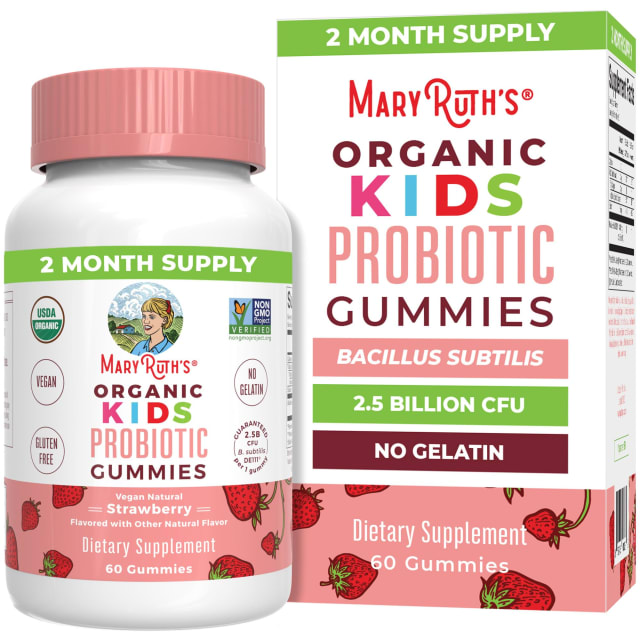
Probiotic gummies are a dietary supplement format that delivers live, beneficial bacteria in a chewable, often flavorful, gummy form. They are designed to supplement the diet with specific strains of microbes intended to support a healthy gut microbiome.
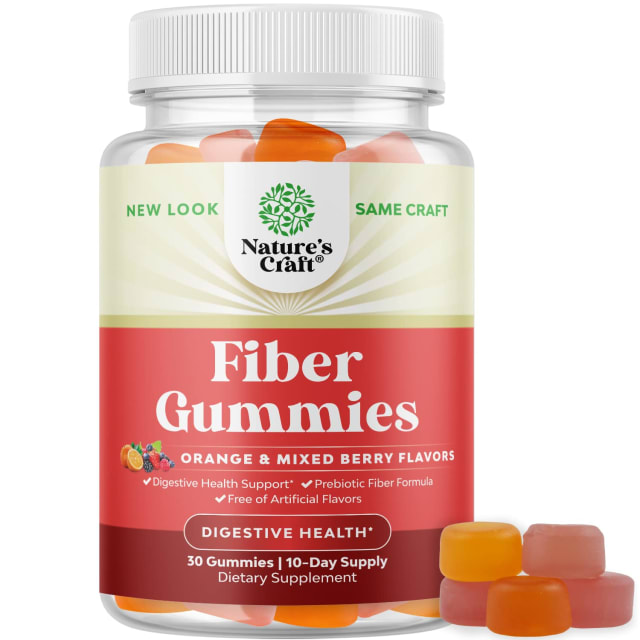
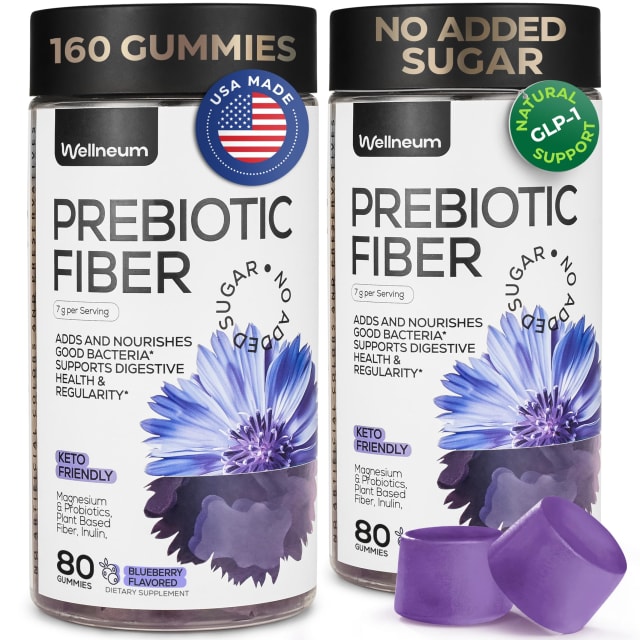
The core component is the probiotic itself—live microorganisms that, when administered in adequate amounts, confer a health benefit on the host. The potency of a probiotic is measured in Colony Forming Units (CFUs), which indicate the number of viable bacteria capable of dividing and forming colonies. Many probiotic gummies also include prebiotics, which are types of dietary fiber (like inulin or fructooligosaccharides) that act as food for the probiotics, helping them survive and thrive in the gut—a combination often called a "synbiotic."
The primary appeal of the gummy format is convenience and palatability. For individuals who struggle with swallowing pills or dislike the taste of powders, gummies offer a pleasant alternative, potentially improving adherence to a daily supplement routine.
Key Benefits of Probiotic Gummies for Gut Health
1. Supporting Digestive Balance and Bloating Relief
One of the most sought-after benefits is the alleviation of common digestive complaints. Specific probiotic strains, such as Lactobacillus acidophilus and Bifidobacterium lactis, have been studied for their role in helping to regulate bowel movements, reduce gas production, and ease sensations of bloating and discomfort. They do this by aiding in the breakdown of food, competing with gas-producing bacteria, and helping to normalize gut motility.
2. Boosting Immune System Function
An estimated 70-80% of immune cells reside in the gut-associated lymphoid tissue (GALT). Probiotics interact directly with these cells, helping to modulate the immune response. Regular supplementation with certain strains has been associated with a reduced duration and severity of common respiratory infections and a more robust defense system overall. Strains like Lactobacillus rhamnosus GG and Bifidobacterium animalis are frequently researched for their immune-supportive properties.
3. Enhancing Nutrient Absorption
A well-balanced gut microbiome improves the gut's ability to extract and absorb nutrients from food. By helping to maintain the integrity of the gut lining and producing enzymes that aid digestion, probiotics can enhance the bioavailability of essential minerals like calcium, iron, and magnesium, as well as various vitamins.
4. Promoting a Healthy Gut Barrier
The lining of the intestines acts as a critical barrier, allowing nutrients to pass into the bloodstream while keeping harmful substances out. Some probiotic strains support the production of proteins that tighten the junctions between intestinal cells (strengthening the "tight junctions"), thereby supporting a healthy gut barrier function.
5. Improving Tolerance to Lactose
For individuals with lactose sensitivity, strains like Lactobacillus bulgaricus and Streptococcus thermophilus (commonly found in yogurts and some supplements) produce the enzyme lactase, which helps break down lactose sugar, potentially reducing digestive upset after consuming dairy.
What to Look for When Choosing a Probiotic Gummy
Not all probiotic gummies are created equal. Here are the critical factors to evaluate:
- Strain Specificity: Look for products that list the full genus, species, and strain of each probiotic (e.g., Lactobacillus (genus) rhamnosus (species) GG (strain)). Different strains have different researched benefits. A product with multiple strains may offer broader support.
- CFU Count at Expiration: The CFU count should be guaranteed through the date of expiration, not just at the time of manufacture. This ensures potency throughout the product's shelf life. A range of 1-10 billion CFUs is common for daily maintenance gummies.
- The Inclusion of Prebiotics: A quality gummy will often include prebiotic fibers. This symbiotic combination can enhance the survival and efficacy of the probiotics as they travel through the harsh acidic environment of the stomach.
- Sugar Content: Since gummies are a candy-like format, scrutinize the sugar content. Some use excessive sugar or high-fructose corn syrup, which can feed harmful gut bacteria. Opt for brands sweetened with natural, low-glycemic options like monk fruit, stevia, or tapioca syrup, and keep added sugars under 2-3 grams per serving.
- Third-Party Testing and Transparency: Reputable brands will have their products tested by independent laboratories for purity, potency, and label accuracy. Certifications from organizations like NSF International or USP (United States Pharmacopeia) add a layer of trust.
- Storage Requirements: Most probiotic gummies are shelf-stable, but some may require refrigeration. Always follow the storage instructions on the label to maintain bacterial viability.
Comparison of Key Features in Probiotic Gummies
| Feature | What to Look For | Why It Matters |
|---|---|---|
| Strain Diversity | Multiple, clearly identified strains (Genus, Species, Strain). | Different strains offer different benefits; diversity may support a more resilient microbiome. |
| CFU Count | 1-10+ billion CFUs, guaranteed at expiration (not manufacture). | Ensures a sufficient dose of live bacteria reaches your gut to have an effect. |
| Prebiotic Inclusion | Contains fibers like inulin, FOS, or GOS. | Feeds the probiotics, enhancing their survival and colonization in the gut. |
| Sugar Content | Low added sugars (<3g), natural sweeteners. | Prevents undermining gut health goals by feeding undesirable bacteria. |
| Other Ingredients | Clean list, free from major allergens if needed, no artificial colors/flavors. | Improves overall supplement quality and reduces risk of sensitivities. |
| Certifications | Third-party tested, GMP (Good Manufacturing Practices) certified. | Verifies product safety, purity, and that it contains what the label claims. |
Practical Advice: Dosing, Timing, and Best Practices
Dosing: There is no universal "correct" dose, as it depends on the strains and the individual's needs. For general gut health maintenance, a gummy providing 1-5 billion CFUs per day is a common starting point. For specific concerns, higher CFU counts (e.g., 10-50 billion) may be used, though these are more commonly found in capsules. It's generally advisable to start with a lower dose and gradually increase to allow the gut to adjust.
Timing: Consistency is more important than the specific time of day. Taking your probiotic gummy daily, ideally with or just after a meal, can help. The presence of food buffers stomach acid, giving the delicate bacteria a better chance of surviving the journey to the intestines. Making it part of a morning or evening routine can help with adherence.
Duration: Probiotics are not a permanent fix; they are a temporary supplement to your existing microbiome. For lasting benefits, they need to be taken consistently. It can take 2-4 weeks of regular use to notice changes in digestive comfort, though immune and other systemic effects may take longer.
Considerations and Potential Side Effects: For most people, probiotics are very safe. However, when first starting, some may experience mild, temporary side effects as the gut microbiome adjusts. These can include:
- Gas and bloating
- Changes in bowel habits (looser stools or, less commonly, constipation) These symptoms typically subside within a few days to a week. If they persist or are severe, it may be wise to discontinue use or try a different strain.
Important Note: Individuals with serious medical conditions, compromised immune systems, or those about to undergo surgery should consult a healthcare professional before starting any probiotic supplement.
Probiotic Gummies vs. Other Probiotic Formats
While gummies are popular, they are one of several delivery methods:
- Capsules: Often contain higher CFU counts, more strain variety, and may have enteric coatings to protect bacteria from stomach acid. They are typically sugar-free.
- Powders: Can be easily mixed into cool foods and drinks, allowing for customizable dosing. They also tend to have higher CFU counts.
- Foods: Fermented foods like yogurt, kefir, kimchi, and sauerkraut are excellent natural sources of diverse probiotics and nutrients.
Gummies excel in convenience and taste but may lag in maximum potency and strain diversity compared to high-end capsules. They are an excellent entry point or maintenance option for those prioritizing ease of use.
Frequently Asked Questions (FAQ)
Q1: Can children take probiotic gummies? A: Yes, there are probiotic gummies specifically formulated for children with age-appropriate strains and CFU counts. It is always recommended to choose a product designed for children and consult with a pediatrician, especially for very young kids or those with health conditions.
Q2: Do probiotic gummies need to be refrigerated? A: Not necessarily. Many modern probiotic gummies are manufactured using shelf-stable strains and packaging. However, always check the label. If refrigeration is required, it will be clearly stated. Proper storage is crucial for maintaining the product's stated potency.
Q3: How long does it take for probiotic gummies to work? A: This varies by individual and the reason for taking them. Some people notice improvements in digestive comfort (like reduced bloating) within a few days to two weeks. For more systemic benefits like immune support or effects on mood, it may take a month or more of consistent use.
Q4: Can I take probiotic gummies with antibiotics? A: This is a common and often recommended practice, but timing is key. Antibiotics are designed to kill bacteria, and they don't distinguish between good and bad. Taking a probiotic gummy at least 2-3 hours before or after an antibiotic dose can help replenish beneficial bacteria and may reduce the risk of antibiotic-associated diarrhea. Always inform your doctor about any supplements you are taking.
Q5: Are there any people who shouldn't take probiotics? A: While safe for most, individuals with severe immune suppression, those with pancreatitis, or who are critically ill should avoid probiotics unless under direct medical supervision. Those with histamine intolerance should also be cautious, as some bacterial strains can produce histamine.
Q6: Do probiotic gummies expire? A: Yes, they have a definite shelf life. The CFU count is only guaranteed until the expiration date printed on the bottle. Consuming them after this date means the number of live, active cultures may have significantly diminished, reducing the product's effectiveness.
Conclusion: A Sweet Step Toward Gut Health
Probiotic gummies for gut health offer a palatable and convenient avenue to support the complex ecosystem within. By delivering beneficial bacteria and often the prebiotic fibers they need to thrive, they can play a valuable role in promoting digestive balance, immune function, and overall well-being.
The key to success lies in being an informed consumer: looking for transparent labeling, adequate CFUs at expiration, sensible sugar content, and strains backed by research. Remember that probiotics are a supplement to, not a replacement for, a gut-healthy lifestyle rich in fiber from fruits, vegetables, and whole grains, adequate hydration, regular exercise, and stress management.
By combining smart supplementation with foundational healthy habits, probiotic gummies can be a simple, enjoyable part of a holistic strategy for nurturing your gut—and in turn, supporting your health from the inside out.
Affiliate Disclosure
Gummy.mom may earn a commission from purchases made through links on this page. This helps support our research and content creation. We only recommend products we genuinely believe in and have thoroughly researched.