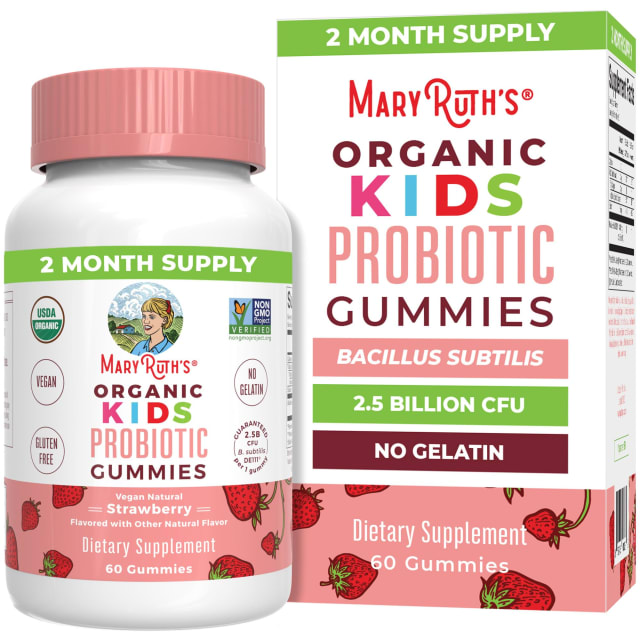
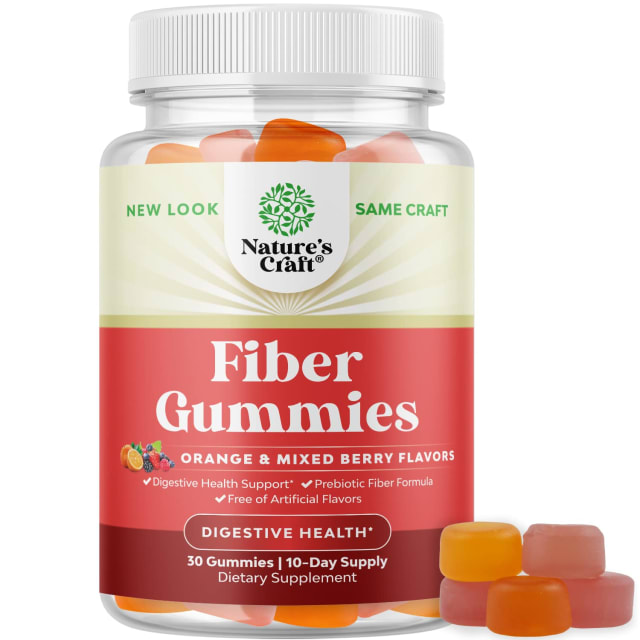
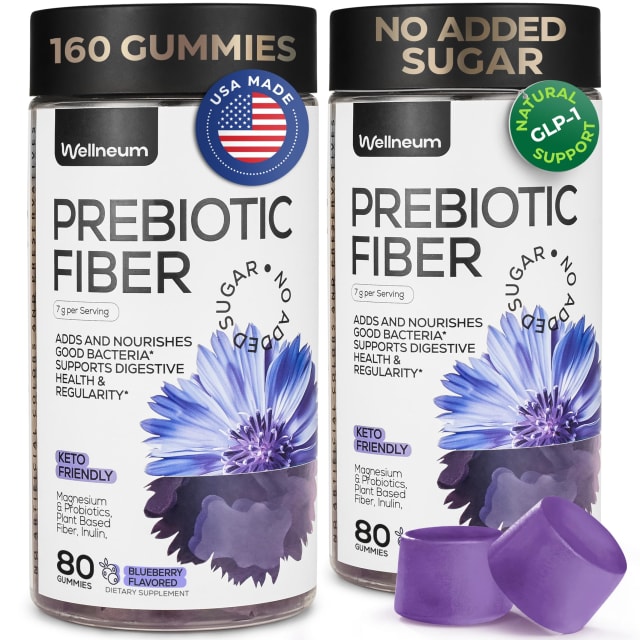
Probiotic Gummies for IBS: A Comprehensive Guide to Gut Relief
For the millions living with Irritable Bowel Syndrome (IBS), the search for effective, manageable relief is a constant journey. Characterized by symptoms like abdominal pain, bloating, gas, and irregular bowel habits, IBS can significantly impact daily life. In recent years, probiotic gummies for IBS have emerged as a popular and palatable option for those seeking to support their digestive system. This guide delves deep into the science, benefits, and practical considerations of using probiotic gummies as part of an IBS management strategy.
Understanding IBS and the Gut Microbiome Connection
Irritable Bowel Syndrome is a functional gastrointestinal disorder, meaning it relates to how the gut and brain interact, leading to hypersensitivity and motility issues. While the exact cause remains complex and individualized, a significant body of research points to the gut microbiome—the vast community of trillions of bacteria and other microbes living in our intestines—as a key player.
In many individuals with IBS, an imbalance in this microbial community, known as dysbiosis, is often observed. This imbalance can contribute to inflammation, altered gut motility, and increased intestinal permeability ("leaky gut"). The goal of many IBS therapies is to restore balance and calm to the digestive tract.
How Probiotics May Help IBS Symptoms
Probiotics are live microorganisms that, when administered in adequate amounts, confer a health benefit on the host. For IBS, they are thought to work through several mechanisms:
- Restoring Microbial Balance: They can help crowd out potentially harmful bacteria and reinforce the populations of beneficial ones.
- Strengthening the Gut Barrier: Certain strains can support the integrity of the intestinal lining, reducing the inflammatory response.
- Modulating the Immune System: A large portion of the immune system resides in the gut. Probiotics can help modulate its activity, which is often heightened in IBS.
- Influencing Gut-Brain Communication: Via the gut-brain axis, probiotics may positively affect the signals sent from the gut to the brain, potentially reducing pain perception and stress-related flare-ups.
The Rise of Probiotic Gummies: Convenience Meets Gut Health
Traditional probiotic supplements often come in capsules or powders requiring refrigeration. Probiotic gummies offer a distinct alternative:
- Palatability: Their pleasant taste and chewable form can improve consistency, which is critical for probiotic efficacy.
- Convenience: They are portable and require no water, making them easy to incorporate into a daily routine.
- No Refrigeration Needed: Many probiotic gummies are shelf-stable, using strains and manufacturing processes designed to survive without cold storage.
Key Benefits of Probiotic Gummies for IBS Sufferers
When formulated with well-researched strains, probiotic gummies can target specific IBS concerns:
- Bloating and Gas Relief: Certain strains like Bifidobacterium infantis and Lactobacillus plantarum have been studied for their ability to reduce fermentation and gas production in the gut.
- Supporting Digestive Balance: They can help regulate bowel transit time, potentially alleviating both diarrhea and constipation predominant symptoms (IBS-D and IBS-C).
- Immune Support: A balanced gut microbiome is foundational to a robust immune response, which can be beneficial since low-grade inflammation may be involved in IBS.
- Nutrient Absorption: By promoting a healthier gut environment, probiotics may indirectly support the body's ability to absorb essential nutrients from food.
- Overall Gut Health: Beyond symptom management, they contribute to the foundational health of the entire digestive ecosystem.
What to Look for in a Probiotic Gummy for IBS
Not all probiotic gummies are created equal, especially when targeting a specific condition like IBS. Here are the critical factors to evaluate:
1. Strain Specificity is Paramount
This is the most important consideration. Look for gummies that contain strains with clinical research backing their use for IBS. Some of the most studied strains include:
- Bifidobacterium infantis 35624: Extensively researched for reducing abdominal pain, bloating, and bowel movement difficulty in IBS.
- Lactobacillus plantarum 299v: Shown to alleviate abdominal pain and bloating.
- Bifidobacterium lactis HN019: Known to support digestive regularity and reduce transit time.
- Lactobacillus rhamnosus GG: Well-researched for general gut health and immune modulation.
2. Colony Forming Units (CFU) Count
CFU indicates the number of viable live microorganisms. For IBS, a general range of 1-10 billion CFU per serving is common in studies, but the optimal dose is strain-dependent. More is not always better; efficacy depends on the right strain at a proven dose.
3. The Inclusion of Prebiotics
Many high-quality gummies include prebiotics, such as inulin or fructooligosaccharides (FOS). Prebiotics are dietary fibers that act as food for probiotics, helping them thrive and colonize in the gut. This combination is often called a synbiotic.
4. Sugar Content and Other Ingredients
Since high sugar intake can exacerbate IBS symptoms for some, it's wise to check the sugar content per gummy. Look for options sweetened with low-FODMAP alternatives like glucose syrup, stevia, or monk fruit. Also, check for potential trigger ingredients like high-FODMAP sweeteners (e.g., honey, agave) or artificial additives.
5. Third-Party Testing and Transparency
Reputable brands will often have their products tested by independent labs to verify the CFU count at the time of expiration (not just manufacture) and to ensure purity from contaminants.
Probiotic Gummies: Dosing, Timing, and Practical Considerations
Dosing: Always follow the manufacturer's recommended dosage on the label, as it is formulated based on the specific strains used. Consistency is key—probiotics need to be taken daily to maintain their presence in the gut.
Timing: While timing isn't always critical, some evidence suggests taking probiotics with or just before a meal (particularly one containing some fat) can improve the survival of strains through stomach acid. A consistent daily time, such as with breakfast, helps build the habit.
Considerations and Potential Side Effects: Probiotic gummies are generally safe for most adults. However, some individuals may experience mild side effects as their gut adjusts, such as:
- Initial gas or bloating
- Changes in bowel habits These symptoms typically subside within a few days to a week. Starting with a half-dose and gradually increasing can help mitigate this. Those with severe immune compromise or critical illness should consult a doctor before use.
It's important to manage expectations: probiotics are a supportive tool, not a cure. They work best when combined with other IBS management strategies like dietary modifications (e.g., a low-FODMAP diet), stress management, and adequate hydration.
Comparison: Probiotic Gummies vs. Other Probiotic Formats
| Feature | Probiotic Gummies | Probiotic Capsules/Pills | Probiotic Powders | Refrigerated Probiotics |
|---|---|---|---|---|
| Taste & Palatability | Excellent, flavorful | Neutral | Can be chalky or bland | Neutral |
| Convenience | High, no water needed | High, requires water | Lower, needs mixing | Medium, requires refrigeration |
| Stability | Shelf-stable common | Shelf-stable common | Shelf-stable common | Requires cold chain |
| Typical CFU Range | Moderate (1-10B common) | Wide range (1-50B+) | Wide range (1-100B+) | Varies, often high |
| Best For | Those who dislike pills, seeking an easy daily habit | Those seeking high or specific doses | Those wanting to mix into drinks/food | Those prioritizing maximum potency of delicate strains |
| Considerations | Watch for added sugars | May be large to swallow | Inconvenient on-the-go | Less travel-friendly |
Integrating Probiotic Gummies into an IBS Management Plan
Probiotic gummies are one piece of the puzzle. A holistic approach yields the best results:
- Identify Personal Triggers: Work with a dietitian to explore diets like the low-FODMAP diet to identify food triggers.
- Manage Stress: Practices like mindfulness, yoga, or gentle exercise can positively impact the gut-brain axis.
- Stay Hydrated: Adequate water intake is crucial for digestive function.
- Eat Mindfully: Chew food thoroughly and eat in a relaxed setting to aid digestion.
- Keep a Symptom Journal: Track diet, stress, supplement intake, and symptoms to identify personal patterns and what works best for your body.
Frequently Asked Questions (FAQ)
Q1: How long does it take for probiotic gummies to work for IBS symptoms? A: While some may notice subtle changes within a few days, it typically takes 2-4 weeks of consistent daily use to observe more significant improvements in IBS symptoms. The gut microbiome shifts gradually, so patience and consistency are essential.
Q2: Can I take probiotic gummies while on the low-FODMAP diet? A: You must check the ingredients carefully. Some gummies use prebiotic fibers like inulin or FOS (which are high-FODMAP) or sweeteners like honey. Look for gummies specifically labeled as low-FODMAP or verified to be free of high-FODMAP ingredients if you are in the strict elimination phase.
Q3: Are there any side effects of taking probiotic gummies? A: Most people tolerate them well. The most common initial side effects are mild gas or bloating, which usually resolve as the body adjusts. Starting with a lower dose can help. Those with serious underlying health conditions should consult a physician first.
Q4: What is the difference between CFU and the number of strains? A: CFU (Colony Forming Units) refers to the quantity of live bacteria. The number of strains refers to the variety of different bacterial types. A product with 5 billion CFU of one clinically-studied strain may be more effective for IBS than a product with 10 strains at 1 billion CFU each, if none are proven for IBS.
Q5: Should I take probiotic gummies in the morning or at night? A: There is no universally optimal time. The most important factor is consistency. Taking them with a meal may improve survival through stomach acid. Choose a time you can stick to daily, such as with your morning breakfast or evening meal.
Q6: Can children with IBS take probiotic gummies? A: Some probiotic gummies are formulated for adults, while others are designed for children. It is crucial to choose a product specifically intended for a child's age group and to consult with a pediatrician or pediatric gastroenterologist before starting any new supplement for a child with IBS.
Disclaimer: This article is for informational purposes only and is not a substitute for professional medical advice, diagnosis, or treatment. Always seek the advice of your physician or other qualified health provider with any questions you may have regarding a medical condition like IBS.
Affiliate Disclosure
Gummy.mom may earn a commission from purchases made through links on this page. This helps support our research and content creation. We only recommend products we genuinely believe in and have thoroughly researched.