Vitamin C Gummies vs Pills: A Comprehensive Comparison for Your Health
Choosing the right vitamin C supplement can feel overwhelming with so many options on the shelf. Two of the most popular formats—chewable gummies and traditional pills or capsules—each offer distinct advantages and considerations. This comprehensive guide breaks down the key differences between vitamin C gummies and pills, providing the objective information needed to decide which form is the best fit for individual health goals, lifestyle, and preferences.
Understanding Vitamin C: The Essential Antioxidant
Before comparing delivery methods, it’s crucial to understand why vitamin C is a cornerstone of daily wellness. Also known as ascorbic acid, vitamin C is a water-soluble vitamin that the human body cannot produce or store. It must be obtained daily from diet or supplements.
Its primary roles include:
- Immune System Support: It is vital for the proper function of various immune cells and enhances the skin's barrier against pathogens.
- Powerful Antioxidant Activity: It neutralizes free radicals, protecting cells from oxidative stress and supporting overall health.
- Collagen Synthesis: It is essential for producing collagen, a protein necessary for healthy skin, bones, cartilage, and blood vessels.
- Enhanced Iron Absorption: Vitamin C significantly improves the absorption of non-heme iron from plant-based foods.
While abundant in citrus fruits, bell peppers, and broccoli, modern diets and lifestyle factors often create a need for supplemental support, leading to the pivotal question: gummies or pills?
Vitamin C Gummies: The Tasty Contender
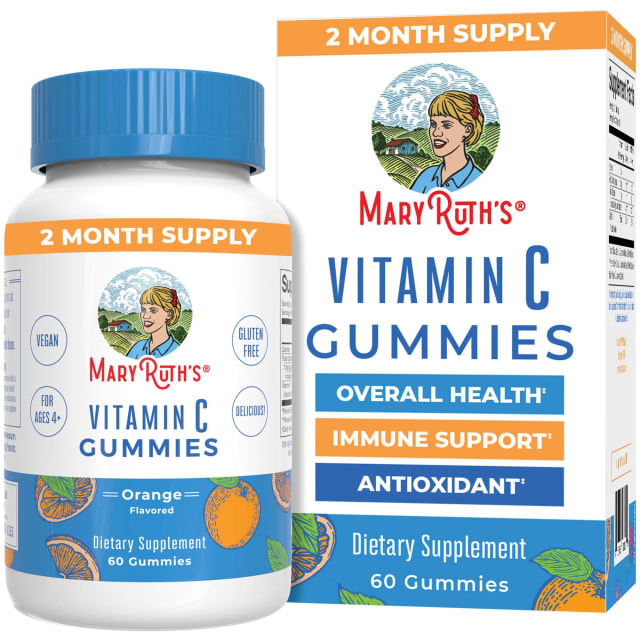
Vitamin C gummies have surged in popularity, transforming daily supplementation from a chore into a treat. These chewable supplements deliver immune-boosting vitamin C in a palatable, often fruit-flavored form.
Key Benefits of Vitamin C Gummies
- Palatability and Enjoyment: The pleasant taste and texture make them easy to take daily, which can dramatically improve consistency—a critical factor in any supplement regimen.
- No Swallowing Difficulties: They are an ideal solution for adults and children who have trouble swallowing pills or capsules.
- Portability and Convenience: Often packaged in portable bottles, they require no water to take, making them convenient for on-the-go lifestyles.
- Additional Functional Ingredients: Many immunity gummies and elderberry vitamin c gummies combine vitamin C with other supportive nutrients like zinc, vitamin D, or elderberry extract for a synergistic immune support blend.
Considerations for Vitamin C Gummies
- Added Sugars and Calories: To achieve their appealing taste, gummies often contain added sugars, sugar alcohols, or artificial sweeteners. It’s important to check the label for type and quantity.
- Potential for Overconsumption: Their candy-like appearance requires careful storage away from children to prevent accidental overconsumption. Adults should also adhere strictly to the recommended dosage.
- Lower Potency and Fillers: Gummies may have a slightly lower concentration of active vitamin C (ascorbic acid) per serving compared to pills due to the space taken by gelling agents, flavors, and colors.
- Dental Health: The sugar content and sticky texture can adhere to teeth, so it’s advisable to take them with a meal or rinse the mouth afterward.
Vitamin C Pills and Capsules: The Traditional Powerhouse
Traditional vitamin C pills (tablets, caplets, or capsules) represent the classic, straightforward approach to supplementation.
Key Benefits of Vitamin C Pills
- Higher Potency and Purity: Pills can deliver very high doses of vitamin C in a compact form, often with minimal non-essential ingredients. This makes them efficient for those seeking specific, higher dosages.
- Cost-Effectiveness: Typically, pills offer a lower cost per milligram of vitamin C compared to gummies.
- No Added Sugars: Most pills contain little to no sugar, making them suitable for individuals monitoring their sugar intake, including those with diabetes.
- Variety of Forms: Available as standard ascorbic acid, time-release formulas (to prevent stomach upset and maintain levels), or buffered forms like calcium ascorbate (gentler on sensitive stomachs).
- Longer Shelf Life: They are generally less susceptible to degradation from heat and humidity than gummies.
Considerations for Vitamin C Pills
- Swallowing Difficulty: Their size can be a barrier for some individuals.
- Potential for GI Discomfort: High doses of ascorbic acid taken on an empty stomach can cause gastrointestinal side effects like nausea, cramping, or diarrhea for some people.
- Less Enjoyable Experience: The act of taking a pill can feel more medicinal and less enjoyable than a gummy.
Head-to-Head Comparison: Vitamin C Gummies vs. Pills
The following table summarizes the core differences to help visualize the choice.
| Feature | Vitamin C Gummies | Vitamin C Pills/Capsules |
|---|---|---|
| Taste & Enjoyment | Excellent; various flavors. | Neutral or unpleasant; no flavor. |
| Ease of Ingestion | Excellent; no swallowing required. | Can be difficult for some. |
| Typical Potency | Moderate (often 250-500mg). | Can be very high (500-1000mg+). |
| Added Sugars | Often present. | Rarely present. |
| Cost | Generally higher cost per dose. | Generally lower cost per dose. |
| Additional Ingredients | May include other vitamins, herbs (e.g., elderberry). | Often just vitamin C, sometimes with bioflavonoids. |
| Best For | Those who dislike pills, need consistency, children. | Those seeking high potency, sugar-free options, cost-efficiency. |
| Shelf Stability | Good, but may melt or degrade in heat. | Excellent; very stable. |
How to Choose: Which Format is Right for You?
The decision between vitamin c gummies and pills isn't about which is universally better, but which is better for you. Consider these questions:
Choose Vitamin C Gummies if:
- You or your child has difficulty swallowing pills.
- You have historically been inconsistent with supplements and want a more enjoyable routine.
- You prefer a moderate, maintenance-level dose of vitamin C combined with other immune-support ingredients like elderberry.
- You don’t have dietary restrictions concerning the small amounts of sugar or gelatin (look for pectin-based gummies if vegan).
Choose Vitamin C Pills/Capsules if:
- You are seeking the highest potency or most cost-effective option.
- You strictly avoid added sugars or are monitoring calorie intake.
- You prefer a pure ascorbic acid or a specific, buffered form (like sodium ascorbate).
- You want a time-release formula to maintain steady vitamin C levels throughout the day.
What to Look For on the Label
Regardless of format, quality is paramount. Key labeling details to examine include:
- Type of Vitamin C: Look for "ascorbic acid" or "L-ascorbic acid." Some may include mineral ascorbates (e.g., calcium ascorbate) for gentler absorption.
- Dosage: Check the amount of vitamin C per serving (in milligrams, mg). The Recommended Dietary Allowance (RDA) for adults is 75-90mg, but supplemental doses for immune support often range from 250mg to 1000mg daily.
- Other Ingredients: For gummies, note the type of sweetener (cane sugar, organic tapioca syrup, stevia) and gelling agent (gelatin, pectin). For pills, look for minimal fillers and binders.
- Third-Party Testing: A seal from an independent lab (like USP, NSF, or ConsumerLab.com) verifies that the product contains what it claims and is free from contaminants.
- Additional Nutrients: Some antioxidant gummies or pills include bioflavonoids, rose hips, or zinc, which can enhance the absorption and efficacy of vitamin C.
Dosing, Timing, and Safety Considerations
Dosing: More is not always better. The upper tolerable limit (UL) for adults is 2,000 mg per day. Exceeding this can increase the risk of side effects like diarrhea and stomach cramps. It’s generally advised to start with a lower dose (250-500mg) and assess tolerance.
Timing: Vitamin C is best taken with a meal. This improves absorption and significantly reduces the risk of gastrointestinal upset, which is more common with high-dose pills. Since it’s water-soluble, splitting a daily dose into two (e.g., morning and evening) can help maintain more consistent blood levels.
Side Effects & Interactions: At standard doses, vitamin C is very safe. The most common side effect is loose stools or diarrhea, which usually resolves by reducing the dose. Vitamin C can interact with certain medications, including some chemotherapy drugs, statins (like simvastatin), and blood thinners (like warfarin). Consulting with a healthcare provider before starting any new supplement is always recommended.
Frequently Asked Questions (FAQ)
Q1: Are vitamin C gummies as effective as pills? A: Yes, if they contain a comparable dose of bioavailable vitamin C (ascorbic acid). The effectiveness depends on the quality of ingredients and the actual vitamin C content, not the format. The body absorbs the vitamin C from both sources effectively.
Q2: How many vitamin C gummies can an adult take per day? A: Always follow the specific dosage on the product label. Most adult immune support gummies provide 250-500mg per serving, often defined as 1-2 gummies. Never exceed the recommended dosage on the label or the general upper limit of 2,000mg per day without medical supervision.
Q3: Can vitamin C gummies cause stomach upset? A: They are less likely to cause stomach upset than high-dose pills because the dosage per gummy is often moderate and they are typically taken with food. However, individual sensitivity varies. Taking any vitamin C with food minimizes this risk.
Q4: What’s the benefit of elderberry in elderberry vitamin c gummies? A: Elderberry is a berry rich in antioxidants and has been traditionally used to support immune health. When combined with vitamin C, the goal is to offer complementary immune-supporting benefits. Research on elderberry is promising, particularly for respiratory health, but more studies are ongoing.
Q5: Are there sugar-free vitamin C gummy options? A: Yes. Many brands offer gummies sweetened with sugar alcohols (like xylitol or sorbitol) or natural zero-calorie sweeteners like stevia or monk fruit. Always check the label if you need to avoid sugars or specific sugar alcohols, which can cause digestive issues for some people.
Q6: When is the best time to take vitamin C? A: The best time is with a meal, either breakfast or lunch. This enhances absorption and prevents potential stomach discomfort. Avoid taking very high doses right before bed, as the slight energizing effect and potential for acidity could disrupt sleep for some individuals.
Final Verdict: Aligning Form with Function
The debate between vitamin c gummies gummies vs pills ultimately centers on personal preference and lifestyle needs. Vitamin C gummies win on taste, ease, and consistency, making them a fantastic choice for those who value an enjoyable routine and need help sticking to it. Vitamin C pills excel in potency, purity, and economy, ideal for those with specific dosage requirements or dietary restrictions.
The most effective supplement is the one you will take consistently. By weighing the factors of taste, convenience, dietary needs, and health objectives outlined in this guide, anyone can make an informed, confident decision to support their daily wellness journey with the right form of vitamin C.
Affiliate Disclosure
Gummy.mom may earn a commission from purchases made through links on this page. This helps support our research and content creation. We only recommend products we genuinely believe in and have thoroughly researched.