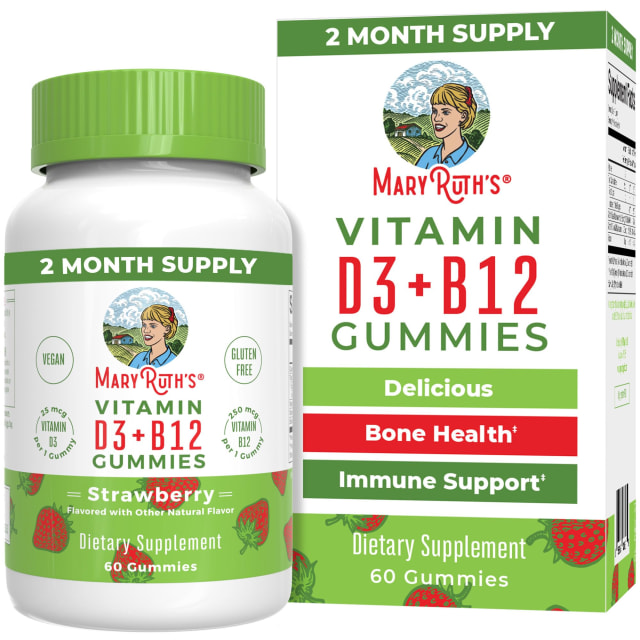
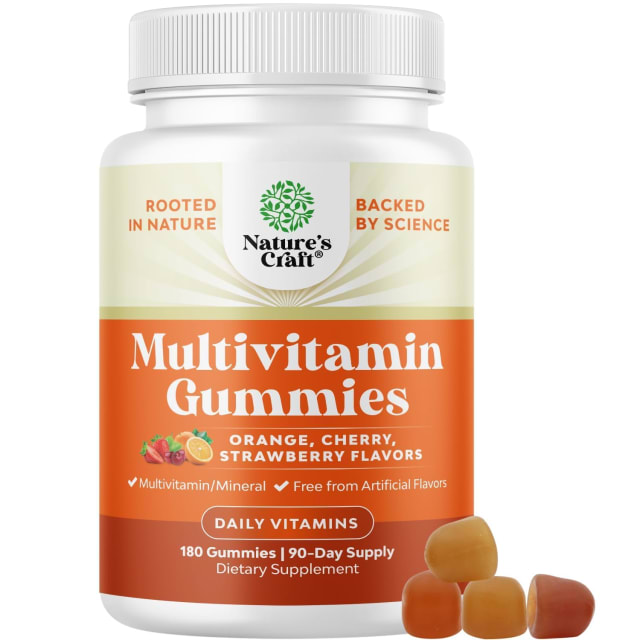
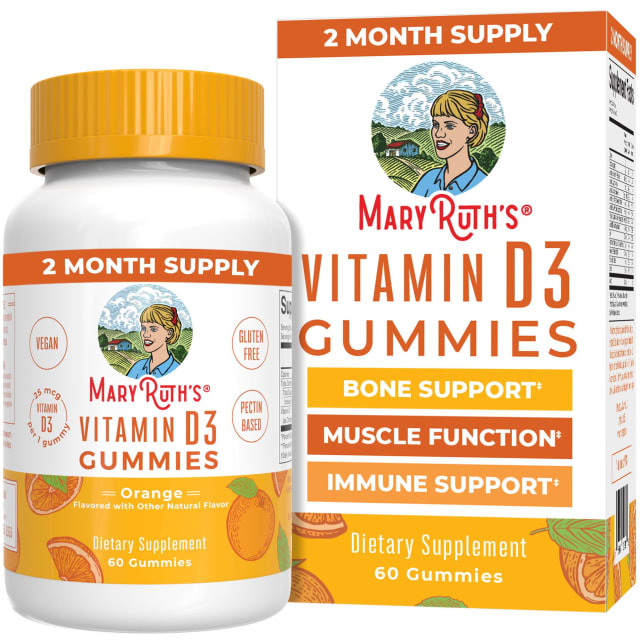
Vitamin D Gummies for Kids: A Parent's Guide to the Sunshine Vitamin
In the world of children's nutrition, few supplements garner as much attention as vitamin D. Known as the "sunshine vitamin," it plays a crucial role in a child's development, yet many kids don't get enough. For parents navigating the crowded supplement aisle, vitamin D gummies for kids have emerged as a popular and palatable solution. This comprehensive guide delves into everything parents need to know—from the science-backed benefits and proper dosing to a detailed evaluation of what makes a high-quality gummy supplement. The goal is to empower caregivers with the knowledge to make an informed, confident choice for their child's health.
Why Vitamin D is a Non-Negotiable for Kids
Vitamin D is a fat-soluble vitamin that functions more like a hormone in the body. While adults need it too, its role during childhood—a period of rapid growth and development—is absolutely critical. The body can synthesize vitamin D when skin is exposed to direct sunlight, but modern lifestyles, sunscreen use, geographic location, and seasonal changes mean many children have insufficient levels.
The Core Benefits of Vitamin D for Children
Understanding the "why" is the first step. The key benefits of vitamin D supplementation for kids are well-established:
- Bone Health and Calcium Absorption: This is vitamin D's most famous role. It is essential for the intestinal absorption of calcium and phosphorus, the primary minerals that build strong, dense bones and teeth. Without adequate vitamin D, a child's body cannot effectively utilize the calcium from their diet, which can impact growth and increase the risk of rickets, a bone-softening disease.
- Immune System Support: Vitamin D modulates the immune system, helping it function effectively. It supports the body's natural defenses, potentially reducing the frequency and severity of common childhood illnesses. Research suggests adequate levels are important for a balanced immune response.
- Mood and Neurological Support: Emerging science points to vitamin D receptors in areas of the brain linked to mood regulation. Maintaining healthy levels may support a positive mood and overall emotional well-being in children.
- Energy and Muscle Function: Vitamin D is involved in cellular energy production and supports healthy muscle function. Children with low levels may experience unexplained fatigue or muscle weakness.
The Rise of Vitamin D Gummies: A Solution for Picky Eaters
Getting a child to swallow a pill can be a daily battle. Liquid drops can be messy and have an aftertaste. This is where vitamin D gummies for kids shine. They are:
- Palatable: Designed with child-friendly flavors like berry, orange, and citrus.
- Familiar: They resemble a treat, making the daily routine easier and more cooperative.
- Convenient: Pre-dosed and portable, perfect for travel or on-the-go families.
- Engaging: Often shaped like animals or fruits, which can help younger children engage with their health.
However, not all gummies are created equal. Their candy-like nature also demands that parents be discerning consumers, prioritizing safety and quality over taste alone.
How to Choose the Best Vitamin D Gummies for Your Child: 7 Evaluation Criteria
Selecting the right supplement involves looking beyond the bottle. Here are the key factors to consider:
1. Form of Vitamin D: D3 vs. D2
Always look for Vitamin D3 (cholecalciferol). This is the form naturally produced by the skin in sunlight and is more effective at raising and maintaining blood levels of vitamin D compared to Vitamin D2 (ergocalciferol).
2. Dosage and Age Appropriateness
Dosage is paramount. The American Academy of Pediatrics (AAP) recommends 400 IU (International Units) daily for infants, children, and adolescents. Many gummies offer 400-500 IU per piece, making one gummy the standard dose. Always choose a product clearly labeled for your child's age group and consult a pediatrician for personalized advice, especially if a deficiency is suspected.
3. Ingredient Quality and Purity
- Third-Party Testing: This is the gold standard. Look for certifications from independent labs (like USP, NSF, or ConsumerLab.com). This verifies that the product contains what it claims, in the amount stated, and is free from harmful levels of contaminants like heavy metals.
- Allergens: Check for common allergens like gelatin (often bovine or porcine), gluten, soy, dairy, nuts, and artificial dyes. Many high-quality gummies are now gelatin-free (using pectin instead), gluten-free, and free from major allergens.
- Sugar Content: Since it's a daily supplement, aim for low added sugar. Look for gummies sweetened with natural sources like organic cane sugar, tapioca syrup, or fruit juices. Some use sugar alcohols (like xylitol) which are tooth-friendly but can cause digestive upset in sensitive children.
4. Additional Nutrients (Synergy)
Some gummies combine vitamin D with other supportive nutrients:
- Vitamin K2 (MK-7): This partnership is powerful. While D3 helps absorb calcium, K2 directs it to the bones and teeth, preventing it from depositing in soft tissues like arteries.
- Calcium: While not common in gummies (due to mineral bulk), some formulas include it for a bone-support combo. Note that calcium can interfere with the absorption of other minerals and medications, so timing matters.
5. Brand Reputation and Transparency
Research the brand. Do they disclose their manufacturing practices? Do they have a history of quality and safety? Transparent companies are usually proud to share details about their sourcing and testing.
6. Flavor and Texture
A supplement only works if a child will take it consistently. While taste shouldn't be the primary driver, finding a well-liked flavor within a high-quality brand is important for long-term adherence.
7. Value and Cost-Per-Serving
Compare the number of gummies per bottle and the daily serving size. A slightly more expensive bottle that lasts two months may offer better value than a cheaper one that lasts only one.
Comparison of Common Vitamin D Gummy Features
| Feature | What to Look For | Why It Matters |
|---|---|---|
| Vitamin D Form | Vitamin D3 (Cholecalciferol) | More bioavailable and effective than D2. |
| Standard Dose | 400 IU - 500 IU per gummy | Aligns with AAP guidelines for daily maintenance. |
| Sweeteners | Natural sources (cane sugar, fruit juice) or low-calorie options. Low added sugar. | Minimizes empty calories and supports dental health. |
| Gelling Agent | Pectin (plant-based) or Gelatin (animal-based). | Pectin is suitable for vegetarians/vegans and allergen-conscious families. |
| Third-Party Testing | Certified by USP, NSF, or other independent labs. | Ensures potency, purity, and safety. The most critical trust factor. |
| Common Allergens | Free from gluten, dairy, soy, nuts (as needed). Clearly labeled. | Essential for children with food sensitivities or allergies. |
| Additional Nutrients | Vitamin K2 (MK-7) is a valuable addition. | Supports proper calcium utilization for targeted bone health. |
Practical Advice: Dosing, Timing, and Safety
When to Give Them: Consistency is more important than timing. Giving the gummy with a meal containing healthy fats (avocado, nut butter, eggs) can enhance absorption, as vitamin D is fat-soluble.
Storage: Keep the bottle tightly sealed in a cool, dry place, away from direct sunlight and out of reach of children. The appealing candy form makes it vital to treat them like medicine, not candy.
Potential Side Effects and Considerations: Vitamin D is generally very safe when taken at recommended doses. Side effects are rare and typically only occur with extreme, long-term over-supplementation (well above 4,000 IU daily for children). These can include:
- Nausea or vomiting
- Poor appetite and weight loss
- Constipation
- Weakness
- Confusion
- Kidney stones (from resulting high calcium levels)
The most common "side effect" parents notice is actually related to other ingredients, such as digestive discomfort from sugar alcohols or reactions to food dyes. This underscores the importance of choosing a clean formula.
The Pediatrician is Your Partner: Always discuss starting any new supplement with your child's healthcare provider. They can assess individual risk factors (like diet, geography, skin tone) and recommend a specific dose or even a blood test to check levels if deficiency is a concern.
Frequently Asked Questions (FAQ)
Q1: Can my child get enough vitamin D from food and sun alone? A: It's challenging. Very few foods naturally contain significant vitamin D (fatty fish, egg yolks, liver). Many dairy products and cereals are fortified. Sun exposure is inconsistent due to sunscreen use (which is crucial for skin cancer prevention), latitude, season, and skin pigmentation. For most children, a supplement is the most reliable way to ensure adequate intake.
Q2: What age can a child start taking vitamin D gummies? A: Gummies are generally recommended for children who can chew solid foods safely, typically around age 2 or 3. For infants and toddlers, pediatrician-recommended liquid drops are the standard and safer option to prevent choking.
Q3: Are there any kids who shouldn't take vitamin D gummies? A: Children with certain medical conditions (like hyperparathyroidism, kidney disease, or sarcoidosis) or those taking specific medications (like steroids or seizure medications) should only use supplements under direct medical supervision. Also, children with allergies to any ingredient in the gummy formula should avoid them.
Q4: Can my child take too many gummies? What should I do? A: Yes, because of their appealing taste, vitamin D gummies pose a risk of accidental overconsumption. Always store them out of reach and sight. If you suspect your child has eaten several gummies at once, contact your local poison control center or pediatrician immediately for guidance. Symptoms of acute overdose are severe but very rare with typical over-ingestion.
Q5: How long does it take to see benefits from vitamin D supplementation? A: This isn't like a medication for a cold. Vitamin D works in the background supporting long-term health. For correcting a deficiency, blood levels can improve within a few weeks to months. For general bone and immune support, it's a lifelong, consistent practice, much like eating vegetables or brushing teeth.
Q6: Do vitamin D gummies expire? Do they lose potency? A: Yes, they have an expiration date for a reason. Over time, especially if exposed to heat or moisture, the active ingredients can degrade. Always check the date on the bottle and discard any supplements that are past their expiration or that have changed in color, texture, or smell.
Making an Informed Choice for Your Child's Health
Choosing a vitamin D gummy for your child is an act of preventative care. By prioritizing the form of vitamin D (D3), appropriate dosage, third-party tested quality, and a clean ingredient list, parents can confidently select a supplement that supports their child's foundation for lifelong health. The best product is one that is both high in quality and acceptable to the child, ensuring they take it consistently. Armed with this knowledge, parents can transform a simple daily gummy from a routine task into a powerful investment in their child's growth, resilience, and well-being. Always remember that this information serves as a guide, and a conversation with a healthcare professional is the final, most important step in any health decision for your child.
Affiliate Disclosure
Gummy.mom may earn a commission from purchases made through links on this page. This helps support our research and content creation. We only recommend products we genuinely believe in and have thoroughly researched.