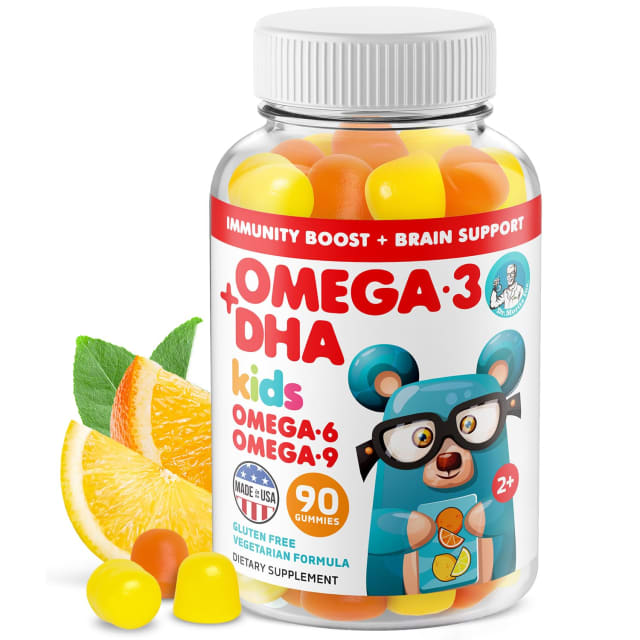
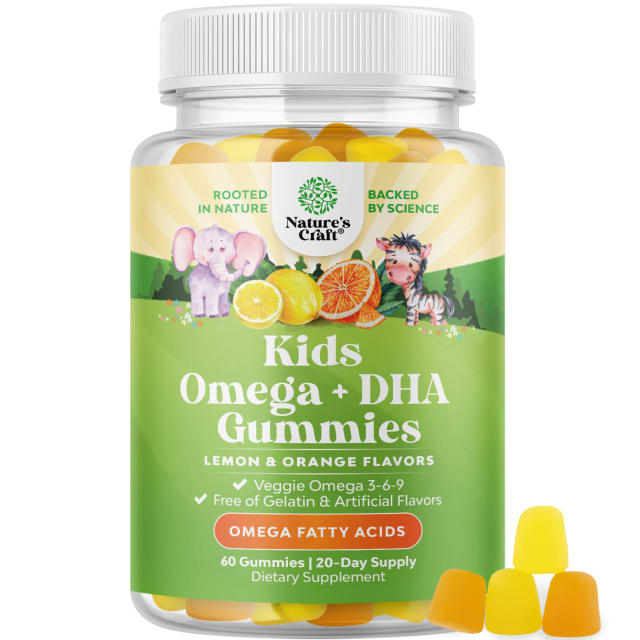
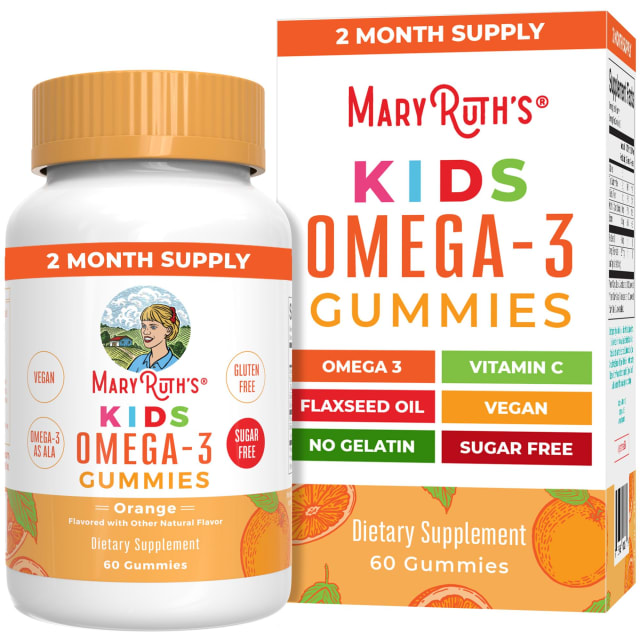
Are Omega-3 Gummies Effective? A Comprehensive Guide to Gummy Supplements
For many, the thought of swallowing large fish oil capsules or dealing with a fishy aftertaste is enough to skip their daily dose of omega-3s. Enter omega-3 gummies: a chewy, often fruity-flavored alternative that promises the same essential fatty acids without the hassle. But do they deliver on that promise? Are omega-3 gummies effective, or are they just a tasty treat with minimal health benefits? This comprehensive guide dives into the science, the pros and cons, and what you need to know to make an informed choice for your heart, brain, and joint health.
Understanding Omega-3 Fatty Acids: The Core of the Matter
Before evaluating the delivery method, it's crucial to understand what omega-3s are and why they are so important. Omega-3 fatty acids are a family of polyunsaturated fats that are essential for human health. "Essential" means the body cannot produce them on its own; they must be obtained through diet or supplements.
The three most nutritionally significant types are:
- ALA (Alpha-Linolenic Acid): Found primarily in plant sources like flaxseeds, chia seeds, and walnuts. The body can convert ALA into EPA and DHA, but this process is very inefficient (typically less than 10%).
- EPA (Eicosapentaenoic Acid): Known for its potent anti-inflammatory effects and strong support for cardiovascular and mood health.
- DHA (Docosahexaenoic Acid): A primary structural component of the brain, retina, and sperm cells, making it critical for cognitive function, vision, and neurological development.
Most of the proven health benefits associated with omega-3 supplementation are linked directly to adequate intake of EPA and DHA.
Key Health Benefits of EPA and DHA
- Heart Health: Omega-3s are famous for their cardiovascular benefits. They can help lower triglycerides, reduce blood pressure slightly, decrease the risk of plaque formation in arteries, and may reduce the likelihood of heart attack and stroke.
- Brain Health & Cognitive Function: DHA is vital for brain structure and function. Adequate levels support memory, learning, and may help slow age-related cognitive decline. EPA and DHA are also studied for their role in supporting mood balance.
- Joint Health: The anti-inflammatory properties of EPA can help reduce stiffness and joint pain associated with conditions like rheumatoid arthritis.
- Eye Health: DHA is a major component of the retina, and sufficient intake supports visual development and may help protect against age-related macular degeneration.
- Prenatal & Early Life Development: DHA is crucial for the brain and eye development of a fetus and infant, which is why it is a standard recommendation in prenatal vitamins.
The Science Behind Omega-3 Gummies: Are They Effective?
The central question—"Are omega-3 gummies effective?"—boils down to three key factors: bioavailability, dosage, and ingredient quality.
1. Bioavailability: Can Your Body Use It?
Bioavailability refers to how well a nutrient is absorbed and utilized by the body. In omega-3 gummies, the EPA and DHA are typically sourced from fish oil or algae oil (for vegan options). The oil is then processed and encapsulated within the gummy matrix.
The good news is that the chemical form of omega-3s (usually triglycerides or ethyl esters) in quality gummies is designed to be bioavailable. However, the total amount absorbed can be influenced by the other ingredients in the gummy, such as sugars and gelatin. For most people, the omega-3s from a well-formulated gummy are adequately absorbed, though some studies suggest liquid or softgel forms might have a slight edge in absorption rates due to their pure oil form.
2. Dosage: The Biggest Hurdle for Gummies
This is the most critical point of comparison. To achieve the health benefits noted by major health organizations like the American Heart Association, significant daily doses are often recommended.
- For general health: 250-500 mg of combined EPA and DHA.
- For lowering high triglycerides: 2,000-4,000 mg of combined EPA and DHA under medical guidance.
Herein lies the primary challenge with gummies. Due to their size, taste-masking requirements, and manufacturing process, it is difficult to pack a high dose of fish or algae oil into a single palatable gummy. Most omega-3 gummies on the market contain between 30 mg to 100 mg of combined EPA and DHA per gummy.
Practical Implication: To reach a standard 500 mg dose, one might need to consume 5 to 15 gummies daily. This not only becomes impractical but also introduces significant amounts of added sugars, calories, and other filler ingredients.
3. Ingredient Quality and Stability
Omega-3 fatty acids are highly susceptible to oxidation (going rancid), which reduces their potency and can create an unpleasant taste. High-quality gummy manufacturers use antioxidants (like vitamin E or rosemary extract) and careful processing to prevent this. The flavoring and sweeteners in gummies are excellent at masking any potential fishy taste, which is a clear advantage for those sensitive to it.
Omega-3 Gummies vs. Traditional Softgels: A Direct Comparison
| Feature | Omega-3 Gummies | Traditional Omega-3 Softgels |
|---|---|---|
| EPA/DHA Dosage per Unit | Typically low (30-100 mg) | Typically high (300-1000+ mg) |
| Taste & Aftertaste | Pleasant, fruity flavor; no fishy aftertaste. | Potential for fishy burps or aftertaste (though many brands are "burpless"). |
| Ease of Consumption | Excellent for those who dislike swallowing pills, including children. | Requires swallowing a capsule, which some find difficult. |
| Additional Ingredients | Often contain added sugars, colors, and flavorings. | Generally contain just the oil and a gelatin/plant-based shell. |
| Cost Effectiveness | Often more expensive per milligram of EPA/DHA. | Usually more cost-effective for achieving therapeutic doses. |
| Best For | Individuals who refuse pills, children (with pediatrician approval), or those seeking a very low maintenance dose. | Anyone seeking a clinically relevant dose for heart, brain, or joint health goals. |
| Vegan Options | Available (using algae oil and plant-based gelling agents like pectin). | Available (using algae oil and plant-based capsules). |
What to Look for When Choosing an Omega-3 Gummy
If omega-3 gummies are the right delivery method for you, selecting a high-quality product is paramount. Here’s an actionable checklist:
- Check the EPA & DHA Amount: Don't just look at "total fish oil" or "omega-3s." Turn the bottle over and find the Supplement Facts panel. Identify the specific amounts of EPA and DHA. This is the active ingredient count that matters.
- Assess the Dosage Practicality: Calculate how many gummies you would need to take to reach a meaningful dose (e.g., 500 mg combined). Consider if this is realistic and affordable for daily use.
- Source of Omega-3s: Look for the source.
- Fish Oil: Often from anchovies, sardines, or mackerel. Ensure it's purified (molecularly distilled) to remove contaminants like heavy metals.
- Krill Oil: Contains EPA and DHA in a phospholipid form, which some studies suggest may be absorbed better. It also contains the antioxidant astaxanthin.
- Algae Oil: The original vegan source of EPA and DHA. This is an excellent choice for vegetarians, vegans, or those allergic to fish.
- Purity & Freshness: Look for indicators of quality control. Brands that test for oxidation (peroxide value, TOTOX) and contaminants (heavy metals, PCBs) and make those results available (often via a Certificate of Analysis) are preferable. The presence of antioxidants like tocopherols (vitamin E) in the ingredient list also helps maintain freshness.
- Minimize Unnecessary Additives: Scan the ingredient list for excessive added sugars (e.g., cane sugar, corn syrup), artificial colors, or artificial flavors. Some gummies use fruit juices and natural colors for a cleaner profile.
- Third-Party Certification: Seals from independent testing organizations like IFOS (International Fish Oil Standards), USP (United States Pharmacopeia), or GOED (Global Organization for EPA and DHA Omega-3s) verify potency, purity, and label accuracy.
Practical Advice: Dosing, Timing, and Considerations
Dosing: Base your dose on your health goals and the actual EPA/DHA content of the gummy, not the number of gummies. If a gummy only provides 50 mg of DHA, understand that it may serve as a "top-up" rather than a primary source. For therapeutic goals, consulting a healthcare provider is essential to determine if gummies can provide a sufficient dose or if a concentrated softgel is necessary.
Timing: Omega-3s are fat-soluble. Taking gummies with a meal that contains dietary fat (like breakfast with avocado or lunch with nuts) can enhance absorption. The timing itself (morning vs. night) is less important than consistency.
Considerations and Potential Side Effects:
- Sugar and Calorie Content: Regular consumption of multiple gummies can add significant sugar and calories to your daily intake.
- Digestive Effects: While gentler than some softgels, high doses from multiple gummies could potentially cause mild digestive upset in some individuals.
- Blood Thinning: High-dose omega-3s have a mild blood-thinning effect. Individuals on blood-thinning medications (like warfarin) or facing surgery should consult their doctor before starting any new supplement.
- Allergies: Check the label for allergens like fish (unless algae-based), gelatin (unless plant-based pectin is used), or soy.
Frequently Asked Questions (FAQ)
Q1: Can omega-3 gummies provide the same benefits as fish oil pills? A: They can provide the same type of benefits because they contain the same active ingredients (EPA and DHA). However, the degree of benefit is directly tied to the dosage consumed. Since gummies typically contain a much lower dose per piece, one would need to consume many gummies to match the dosage in a standard softgel, which is often impractical.
Q2: Are there effective vegan omega-3 gummies? A: Yes. Vegan omega-3 gummies use DHA and EPA derived from algae oil, which is the original source that fish accumulate these fats from. They are just as effective and are an excellent choice for those following a plant-based diet. Ensure the gelling agent is also plant-based (like pectin instead of gelatin).
Q3: Do omega-3 gummies taste fishy? A: High-quality omega-3 gummies are specifically formulated with strong flavors and sweeteners to mask any taste of fish or algae oil. Most people find them to taste like a fruity candy with no fishy aftertaste, which is their primary appeal.
Q4: How many omega-3 gummies should I take per day? A: There is no one-size-fits-all answer. Follow the serving size on the label, but more importantly, use the Supplement Facts panel to calculate how many gummies it would take to reach your target intake of EPA and DHA (e.g., 500 mg). For specific health goals, a healthcare professional can provide personalized advice.
Q5: Are omega-3 gummies safe for children? A: Omega-3 gummies can be a good option for children who are picky eaters or refuse fish, but it is essential to choose a product specifically formulated for children and to follow the dosage instructions. Always consult with a pediatrician before starting any supplement for a child. Children's gummies will have appropriate, lower dosing.
Q6: What's better: fish oil, krill oil, or algae oil in a gummy? A: All provide beneficial EPA and DHA.
- Fish Oil: The most common, cost-effective source.
- Krill Oil: Contains the antioxidant astaxanthin and may have slightly better absorption for some.
- Algae Oil: The sustainable, vegan source, free from ocean-borne contaminants. The "best" choice depends on your dietary preferences, sustainability concerns, and budget. The key is the amount of EPA/DHA delivered.
Final Verdict: A Tool in the Toolbox
So, are omega-3 gummies effective? The answer is nuanced.
Omega-3 gummies are an effective delivery method for the essential fatty acids EPA and DHA. They are bioavailable, eliminate the fishy taste issue, and solve the problem of pill-swallowing for many people.
However, their major limitation is low dosage per piece. This makes them ideal for:
- Individuals who consistently refuse other forms of supplements.
- Those seeking a simple, pleasant "top-up" to a diet already rich in omega-3s.
- Children (with age-appropriate products and doctor approval).
For individuals with specific health goals—such as significantly supporting heart health, lowering triglycerides, or managing inflammatory conditions—the required high doses may be very difficult and inefficient to achieve with gummies alone. In these cases, traditional softgels or liquid fish oil remain the more practical and cost-effective choice.
The most effective supplement is the one you will take consistently. If a tasty gummy ensures you get some omega-3s daily where you would otherwise get none, then it is a beneficial step. For optimal results, prioritize a product with transparent labeling, a meaningful dose per serving, and high-quality, pure ingredients.
Affiliate Disclosure
Gummy.mom may earn a commission from purchases made through links on this page. This helps support our research and content creation. We only recommend products we genuinely believe in and have thoroughly researched.