The Ultimate Guide to the Best Omega-3 Gummies of 2026
For many, the thought of swallowing large fish oil capsules or dealing with a fishy aftertaste is enough to skip this essential nutrient altogether. Enter omega-3 gummies: a palatable, convenient, and increasingly sophisticated way to support overall health. As we look ahead to 2026, the market for these supplements has evolved, offering more potent, pure, and diverse options than ever before. This comprehensive guide will navigate the key considerations, benefits, and top evaluation criteria to help you find the best omega-3 gummies for your needs in the coming year.
Omega-3 fatty acids, primarily EPA (eicosapentaenoic acid) and DHA (docosahexaenoic acid), are crucial nutrients the body cannot produce on its own. They are foundational for cardiovascular function, cognitive health, and inflammatory response. While fatty fish like salmon and mackerel are the best dietary sources, consistent intake can be a challenge, making high-quality supplements a practical solution for filling nutritional gaps.
Why Consider Omega-3 Gummies?
The primary advantage of omega-3 gummies is adherence. Their pleasant taste and chewable form remove the common barriers associated with traditional softgels, making it easier for both adults and children to maintain a consistent routine. Modern formulations in 2026 have also made significant strides in overcoming historical drawbacks, such as low potency, excessive sugar, and unstable oils.
The key benefits of supplementing with omega-3s are well-documented:
- Heart Health: EPA and DHA help maintain healthy triglyceride levels, support normal blood pressure, and promote overall cardiovascular function.
- Brain Health: DHA is a major structural component of the brain and is vital for cognitive function throughout all stages of life.
- Joint Health: Omega-3s have natural anti-inflammatory properties that can support joint comfort and mobility.
- Eye Health: DHA is also a key component of the retina, supporting visual development and function.
- Mood & Well-being: Research suggests omega-3s may play a supportive role in emotional well-being and a balanced mood.
Critical Evaluation Criteria for 2026's Top Omega-3 Gummies
Choosing an effective product requires looking beyond the flavor. Here are the essential factors to scrutinize when comparing options.
1. Potency & Dosage (EPA & DHA Content)
This is the most important metric. The amount of actual EPA and DHA, not just total "fish oil" or "omega-3" blend, determines the supplement's efficacy. A common pitfall is a gummy that tastes great but provides a clinically insignificant dose.
- What to Look For: Aim for a combined EPA+DHA dose of at least 250-500mg per serving. For targeted support (like high triglycerides), higher doses (1000mg+) may be recommended under a doctor's guidance. Check the Supplement Facts panel to confirm the specific amounts of EPA and DHA.
2. Source & Purity
The origin of the omega-3s impacts sustainability, allergen potential, and purity.
- Fish Oil: The most common source. Look for oils derived from small, cold-water fish (like anchovies and sardines) which are lower in contaminants. Molecularly distilled oils ensure purity from heavy metals and PCBs.
- Krill Oil: Sourced from Antarctic krill, this oil contains omega-3s in a phospholipid form, which some studies suggest may be more readily absorbed. It naturally contains astaxanthin, a potent antioxidant that stabilizes the oil and prevents fishy burps.
- Vegan Omega-3 (Algal Oil): Derived from marine algae, this is the direct source of DHA and EPA that fish themselves consume. It's an excellent, sustainable, and contaminant-free option for vegetarians, vegans, and those with fish allergies. In 2026, algal oil gummies have achieved parity in potency with many fish oil options.
3. Freshness & Stability
Omega-3 fatty acids are prone to oxidation (rancidity), which not only creates an unpleasant taste but can reduce the health benefits and introduce free radicals.
- What to Look For: Products should include antioxidants like mixed tocopherols (vitamin E) or astaxanthin (in krill oil) to maintain freshness. The gummy itself should have a mild, clean taste, not a strong or "off" fishy flavor.
4. Ingredient Quality & Additives
A health supplement shouldn't undermine its benefits with poor-quality additives.
- Sweeteners: Opt for gummies sweetened with natural sources like organic cane sugar, tapioca syrup, or fruit juices. Be mindful of sugar alcohol content (like sorbitol), which can cause digestive discomfort for some.
- Gelatin vs. Pectin: Traditional gummies use gelatin (animal-derived). Pectin, derived from fruit, is the standard for vegan gummies and provides a similar chewy texture.
- Allergens: Check for common allergens like soy, gluten, or dairy if you have sensitivities. Many top 2026 products are formulated to be free from major allergens.
5. Third-Party Testing & Transparency
Reputable brands invest in independent, third-party testing to verify the product's potency, purity (from heavy metals, etc.), and freshness. Look for certifications or lab reports (often available on the company's website) from organizations like IFOS (International Fish Oil Standards), USP, or NSF International.
Comparison of Omega-3 Gummy Types (2026)
| Feature | Fish Oil Gummies | Krill Oil Gummies | Vegan Algal Oil Gummies |
|---|---|---|---|
| Primary Source | Small fish (e.g., anchovies, sardines) | Antarctic krill | Marine algae (schizochytrium) |
| Omega-3 Form | Triglyceride or Ethyl Ester | Phospholipids | Triglyceride |
| Typical Potency | Moderate to High | Moderate | Moderate to High (DHA-focused) |
| Sustainability | Varies (look for MSC certification) | Generally sustainable (look for krill harvest regulation) | Highly sustainable |
| Allergen Profile | Contains fish | Contains shellfish (crustacean) | Fish-free, shellfish-free |
| Key Additives | Often includes citrus/berry flavors | Naturally contains astaxanthin | Often includes fruit flavors |
| Best For | Those seeking cost-effective, high-potency options | Individuals sensitive to fishy aftertaste, seeking added antioxidants | Vegetarians, vegans, those with fish/shellfish allergies |
Practical Advice for Taking Omega-3 Gummies
Dosing & Timing: Always follow the dosage on the product label, typically 1-2 gummies per day. Consistency is more important than timing, but taking them with a meal containing fat can enhance the absorption of the omega-3 fatty acids. Store the bottle in a cool, dry place, away from direct sunlight, to preserve freshness.
What to Look for on the Label:
- Specific amounts of EPA and DHA listed in milligrams (mg).
- Source of omega-3 (e.g., "fish oil from anchovies," "algal oil").
- Purity statements like "molecularly distilled" or "third-party tested."
- Expiration date to ensure freshness.
- A short, recognizable ingredient list.
Considerations & Potential Side Effects: Omega-3 gummies are generally well-tolerated. However, some individuals may experience mild digestive effects, especially at high doses. Because omega-3s have a mild blood-thinning effect, individuals on anticoagulant medication (like warfarin) or those scheduled for surgery should consult a healthcare provider before starting any new supplement. The sugar content, though generally low per serving, is a consideration for those strictly monitoring carbohydrate intake.
Frequently Asked Questions (FAQ)
Q: Are omega-3 gummies as effective as traditional softgels? A: In 2026, many high-quality gummies offer comparable potency to softgels. The key is to compare the actual EPA and DHA content per serving. The biological effectiveness of the omega-3s from a well-made gummy is identical to that from a softgel.
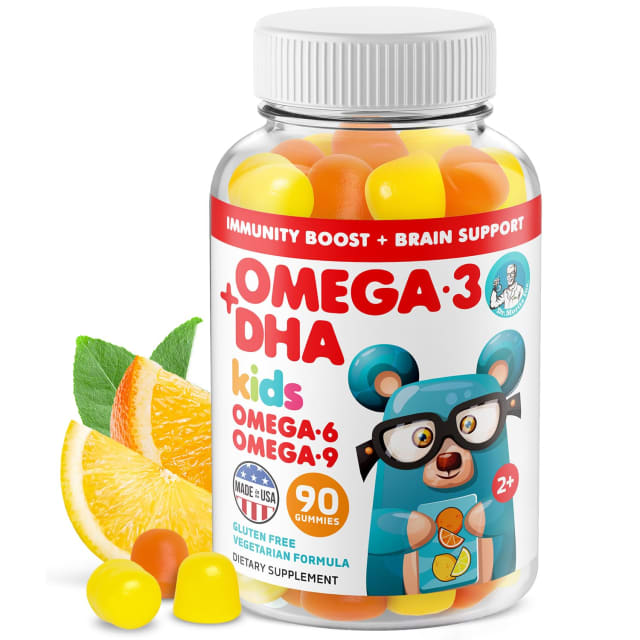
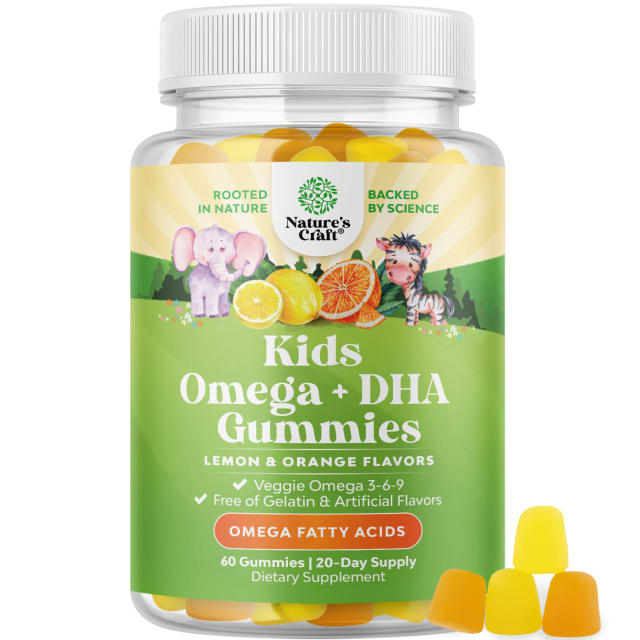
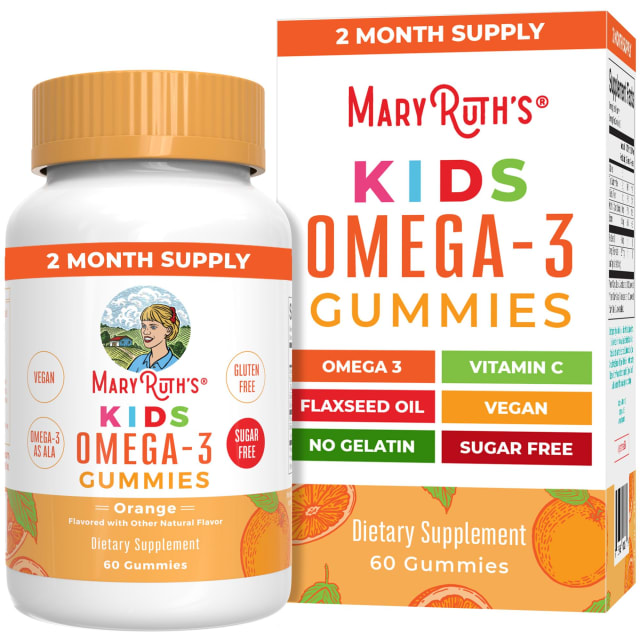
Q: Can children take omega-3 gummies? A: Yes, omega-3 gummies are a popular way to support children's brain and eye development. It is crucial to choose a product specifically formulated for children, with an appropriate dose (typically lower than adult formulas), and to keep them out of reach to prevent overconsumption.
Q: Do vegan omega-3 gummies from algal oil provide both EPA and DHA? A: Yes. Modern algal oil strains are cultivated to produce both DHA and EPA. While some algal oils are higher in DHA, many 2026 formulations are balanced to provide meaningful amounts of both fatty acids, making them a complete alternative to fish or krill oil.
Q: Why don't my gummies taste fishy? Is that a bad sign? A: Not at all. A lack of fishy taste is a sign of high-quality, fresh, and properly processed oil. Advanced purification and stabilization techniques, along with natural flavors, effectively mask any oceanic taste. A strong fishy flavor or odor can actually indicate the oil may be oxidized or rancid.
Q: How long does it take to feel the benefits of taking omega-3 gummies? A: Omega-3s work cumulatively. While some subtle changes in areas like joint comfort or mood may be noticed within a few weeks, significant benefits for markers like triglycerides are typically observed after 2-3 months of consistent, daily use.
Q: Can I take omega-3 gummies if I have a shellfish allergy? A: You must exercise extreme caution. Krill oil gummies are derived from shellfish (crustaceans) and should be avoided. Fish oil gummies (from fish) and vegan algal oil gummies are generally safe, but it is imperative to check the label for cross-contamination warnings and consult with an allergist before use.
Making an Informed Choice for 2026
The landscape of omega-3 gummies in 2026 is defined by transparency, potency, and choice. By prioritizing the actual EPA and DHA content, verifying purity through third-party testing, and selecting a source (fish, krill, or algae) that aligns with your dietary preferences and health goals, you can confidently integrate this essential nutrient into your daily routine.
The best omega-3 gummy is ultimately the one that you will take consistently. By using the evaluation criteria outlined in this guide—potency, source, purity, and ingredient quality—you can move past marketing claims and select a scientifically-backed supplement that truly supports your heart, brain, and joint health for years to come. Always remember to discuss any new supplement regimen with a qualified healthcare professional, especially if you have underlying health conditions or are taking other medications.
Affiliate Disclosure
Gummy.mom may earn a commission from purchases made through links on this page. This helps support our research and content creation. We only recommend products we genuinely believe in and have thoroughly researched.